
The Lone Star State, a vast expanse known for its sprawling landscapes, rich history, and robust economy, also plays a significant role in the nation’s energy production. Among its diverse energy portfolio, nuclear power holds a unique and crucial position. Understanding the presence and impact of nuclear power plants in Texas offers a glimpse into the state’s commitment to reliable, low-carbon electricity generation and its contributions to the broader United States energy grid.
The Landscape of Nuclear Energy in Texas
Texas boasts a sophisticated and diversified energy infrastructure, with nuclear power plants contributing a substantial and consistent source of electricity. These facilities are integral to the state’s energy strategy, providing baseload power that is essential for maintaining grid stability and meeting the ever-growing demand for electricity. Unlike renewable sources that can be intermittent, nuclear power plants operate continuously, ensuring a steady supply of energy around the clock, regardless of weather conditions. This reliability is a cornerstone of modern industrial and residential life, underpinning everything from manufacturing processes to the operation of Texas ‘s bustling cities.
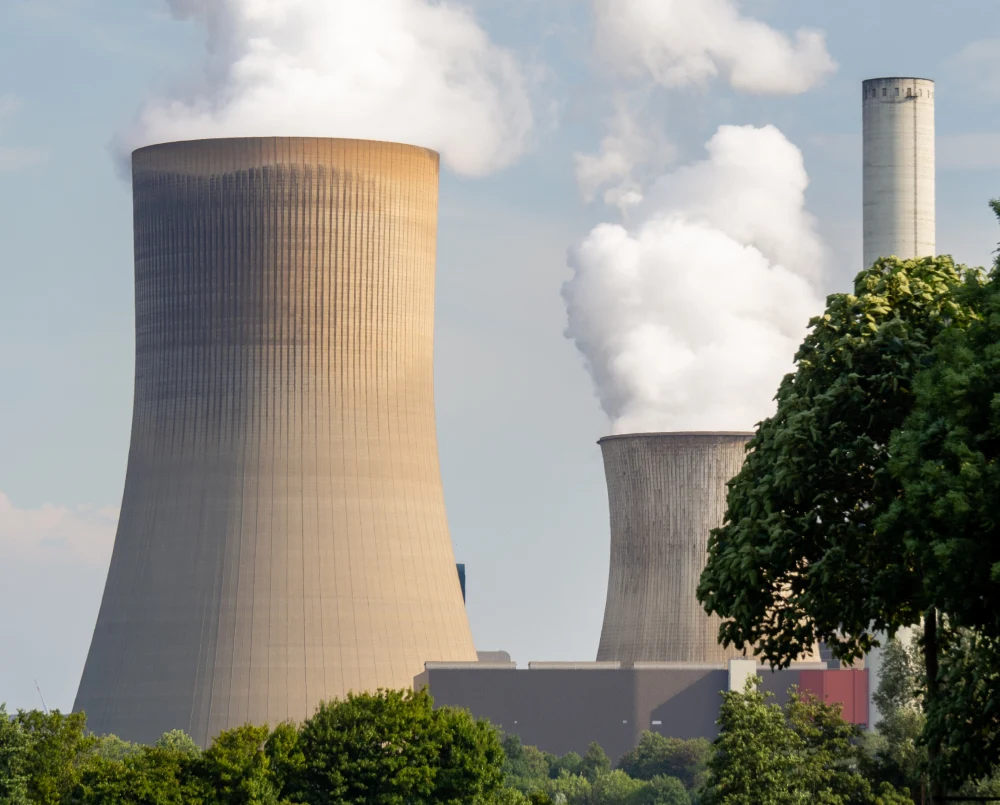
The decision to invest in nuclear power in Texas reflects a long-term vision for energy security and environmental responsibility. While the state is renowned for its oil and natural gas production, a significant portion of its electricity is generated from other sources, including wind, solar, and nuclear. This multi-faceted approach to energy generation allows Texas to harness the unique advantages of each power source, creating a resilient and adaptable energy system. The economic benefits associated with these power plants are also substantial, providing high-skilled jobs, supporting local communities through tax revenues, and fostering technological innovation.
Current Nuclear Power Facilities
As of the latest available data, Texas is home to two operational nuclear power plants. These facilities are managed by different energy companies and represent a significant investment in advanced nuclear technology. Each plant is designed with multiple layers of safety and security, adhering to stringent regulatory standards set by the Nuclear Regulatory Commission (NRC).
-
South Texas Project Nuclear Operating Company (STP): Located near Bay City, the South Texas Project is the largest nuclear power facility in Texas and one of the largest in the nation. It consists of two operational pressurized water reactors, Unit 3 and Unit 4, which entered commercial operation in 1988 and 1989, respectively. These units have a combined generating capacity of approximately 2,700 megawatts, providing a substantial portion of the electricity consumed in the southern and central regions of the state. The plant is a significant economic driver for Matagorda County, employing hundreds of individuals and contributing significantly to the local tax base. Its operations are overseen by the STP Nuclear Operating Company.
-
Comanche Peak Nuclear Power Plant: Situated near Glen Rose, the Comanche Peak Nuclear Power Plant is another vital component of Texas ‘s nuclear energy landscape. This facility also features two pressurized water reactors, Unit 1 and Unit 2, which began commercial operation in 1990 and 1993, respectively. Together, these units have a net electrical capacity of approximately 2,300 megawatts. The plant is operated by TXU Energy and is a key contributor to electricity supply for northern and central Texas. Like the South Texas Project, Comanche Peak is a major employer in Somervell County and generates substantial tax revenue for the region.
These two facilities represent the current extent of operational nuclear power generation in Texas. While there have been proposals and discussions for new nuclear projects in the past, these remain the primary contributors to the state’s nuclear energy output.
The Role and Impact of Nuclear Power
The presence of nuclear power plants in Texas has multifaceted impacts, extending beyond electricity generation to encompass economic development, environmental considerations, and energy security.
Economic Contributions
Nuclear power plants are substantial economic engines for the communities in which they are located. They provide high-paying, stable jobs for a diverse workforce, including engineers, technicians, security personnel, and administrative staff. During construction and major maintenance or refueling outages, these plants can also create thousands of temporary jobs, further boosting local economies through increased spending on goods and services.
Beyond direct employment, nuclear facilities contribute significantly to local and state tax bases. The property taxes paid by these large industrial complexes help fund public services such as schools, infrastructure improvements, and emergency services, benefiting all residents. Furthermore, the procurement of goods and services from local businesses generates a multiplier effect, supporting a wider range of industries and creating a robust economic ecosystem around the plants. The South Texas Project in Matagorda County and Comanche Peak in Somervell County are prime examples of how these facilities can anchor local economies.
Environmental Advantages
In an era increasingly defined by concerns over climate change and air quality, nuclear power offers a compelling low-carbon energy solution. Nuclear power plants do not emit greenhouse gases like carbon dioxide or methane during operation, making them a critical tool in the effort to decarbonize the electricity sector. This is particularly relevant for a state like Texas, which has a significant industrial base and a high demand for energy.
By providing a consistent, carbon-free electricity source, nuclear power helps reduce the overall carbon footprint of the state’s energy mix. This complements the growth of renewable energy sources like wind and solar by offering a reliable baseload power that can offset the intermittency of these sources. The environmental benefits extend to improved air quality as well, as nuclear power generation does not produce traditional air pollutants such as sulfur dioxide, nitrogen oxides, or particulate matter that contribute to smog and respiratory illnesses.

Energy Security and Reliability
Nuclear power plays a vital role in ensuring Texas ‘s energy security and grid reliability. The consistent output from nuclear plants provides a stable foundation for the electricity grid, complementing the variable nature of renewable energy sources. This inherent reliability is crucial for preventing blackouts and ensuring that businesses and homes have access to the power they need, especially during periods of high demand or when other generation sources are constrained.
The fuel used in nuclear reactors, uranium, is sourced from politically stable regions, and a small amount of fuel can produce a large amount of energy, allowing for long periods of continuous operation without the need for frequent refueling. This independence from volatile global fuel markets and the long operational cycles contribute to a predictable and secure energy supply for Texas. The robust safety protocols and regulatory oversight by the NRC further enhance the security and reliability of these facilities.
Regulatory Framework and Safety Standards
The operation of nuclear power plants is subject to an exceptionally rigorous regulatory framework designed to ensure the highest levels of safety and security for the public and the environment. In the United States, this oversight is primarily provided by the Nuclear Regulatory Commission (NRC).
The Role of the Nuclear Regulatory Commission (NRC)
The NRC is an independent federal agency responsible for licensing and regulating civilian nuclear power plants and materials. Its mandate is to protect public health and safety and the environment. The NRC sets and enforces comprehensive standards for the design, construction, operation, and decommissioning of nuclear facilities.
This oversight involves a multi-layered approach:
- Licensing: Before a plant can be built or operated, it must undergo an extensive licensing process that includes detailed safety reviews and public hearings.
- Inspection and Oversight: Once operational, plants are subject to regular, unannounced inspections by NRC resident inspectors who are stationed at each site. These inspections ensure compliance with regulations and operating licenses.
- Enforcement: The NRC has the authority to take enforcement actions, ranging from fines to license suspension or revocation, if a plant fails to meet safety requirements.
- Emergency Preparedness: The NRC works with plant operators and state and local authorities to develop and implement comprehensive emergency preparedness plans to ensure the safety of the public in the unlikely event of an incident.
Safety Features and Practices
Nuclear power plants are designed with multiple redundant safety systems and robust physical barriers to prevent the release of radioactive materials. These features include:
- Containment Structures: Powerful, reinforced concrete and steel structures that house the reactor core and primary cooling systems, designed to withstand extreme events and prevent the escape of radioactivity.
- Redundant Safety Systems: Backup systems for critical functions such as cooling, power supply, and emergency shutdown, ensuring that if one system fails, others can take over.
- Defense-in-Depth Philosophy: A multi-layered approach to safety that incorporates multiple independent barriers and safety systems to prevent accidents and mitigate their consequences.
- Security Measures: Strict security protocols are in place to protect the plants from potential threats, including physical security, cybersecurity, and personnel reliability programs.
The safety record of the nuclear industry in the United States, and by extension in Texas, is a testament to the effectiveness of these stringent regulations and the industry’s commitment to safety. Continuous improvement and learning from operational experience are integral to maintaining this high standard.
Future Prospects and Considerations
While Texas currently operates two established nuclear power plants, the future of nuclear energy in the state, and globally, is a subject of ongoing discussion and development. Factors such as energy demand, technological advancements, economic viability, and environmental policy all play a role in shaping these prospects.
Advanced Nuclear Technologies
The field of nuclear energy is not static. Significant research and development are underway globally to create advanced nuclear reactor designs that promise enhanced safety, increased efficiency, and reduced waste. These technologies include small modular reactors (SMRs) and advanced reactor concepts that could offer greater flexibility in deployment and potentially lower upfront costs. Should these technologies mature and become economically competitive, they could represent a future avenue for nuclear power expansion in Texas, potentially enabling more localized and flexible energy solutions.

The Role in a Decarbonized Future
As Texas and the United States continue to pursue decarbonization goals, nuclear power is increasingly recognized as a crucial component of a low-carbon energy portfolio. Its ability to provide firm, dispatchable, and carbon-free electricity is invaluable in balancing the grid alongside variable renewable sources. The continued operation and potential expansion of nuclear capacity could be instrumental in meeting Texas ‘s ambitious climate objectives while maintaining a reliable and affordable energy supply for its growing population and economy. The long operational life of existing plants, such as those at South Texas Project and Comanche Peak Nuclear Power Plant, ensures that nuclear energy will remain a significant contributor to the state’s energy landscape for decades to come.
LifeOutOfTheBox is a participant in the Amazon Services LLC Associates Program, an affiliate advertising program designed to provide a means for sites to earn advertising fees by advertising and linking to Amazon.com. Amazon, the Amazon logo, AmazonSupply, and the AmazonSupply logo are trademarks of Amazon.com, Inc. or its affiliates. As an Amazon Associate we earn affiliate commissions from qualifying purchases.