
The legal profession in Texas is a dynamic and often lucrative field, drawing aspiring legal minds from across the nation. Understanding the earning potential for lawyers within the Lone Star State is crucial for those considering a career in law, making strategic career moves, or simply curious about the economic landscape of this vital profession. The answer to “How Much Do Lawyers Make In Texas?” is not a single figure but a spectrum influenced by a multitude of factors, including experience, specialization, geographic location, firm size, and individual performance.
Factors Influencing Lawyer Salaries in Texas
The compensation package for a lawyer in Texas is a complex equation with several key variables. These elements collectively shape the earning potential, differentiating the income of a junior associate at a small firm from that of a senior partner at a large, prestigious practice.

Experience Level
Perhaps the most significant determinant of a lawyer’s salary is their years of experience. Entry-level positions, often referred to as associates or junior attorneys, typically command the lowest salaries. These roles are vital for gaining practical experience, developing legal skills, and building a professional network. As lawyers progress, accumulating experience and a proven track record, their earning potential steadily increases.
- Entry-Level Associates (0-3 years): These lawyers are fresh out of law school and often begin in the range of $70,000 to $120,000 annually. This figure can be higher in major metropolitan areas and at larger firms.
- Mid-Level Associates (4-7 years): With several years of practice under their belt, lawyers in this bracket see a substantial jump in salary, often earning between $100,000 and $200,000. They are expected to handle more complex cases and supervise junior staff.
- Senior Associates/Counsel (8+ years): Experienced attorneys who are not yet partners but hold significant responsibility and expertise can earn upwards of $150,000 to $300,000. Their role often involves leading case strategies and mentoring other associates.
- Partners (Equity and Non-Equity): Partners represent the pinnacle of law firm hierarchy. Equity partners, who own a stake in the firm, have unlimited earning potential tied to the firm’s profitability, often exceeding $500,000 and reaching into the millions. Non-equity partners, while sharing in profits, typically earn a more fixed salary, often in the $200,000 to $500,000 range.
Practice Area Specialization
The legal market is diverse, and certain specializations are in higher demand and command higher salaries than others. Lawyers who focus on niche or highly specialized areas often find greater earning opportunities.
- High-Demand Areas: Fields such as corporate law, mergers and acquisitions (M&A), intellectual property (IP), securities law, and complex litigation, particularly in areas like Houston or Dallas with their robust energy and tech sectors, tend to offer the most lucrative salaries. Lawyers in these fields often deal with high-stakes transactions and disputes that carry significant financial implications for clients.
- Mid-Range Areas: Areas like employment law, real estate law, and general civil litigation typically fall into the mid-range for compensation. While still profitable, they may not reach the astronomical figures seen in top-tier corporate law.
- Lower-Earning Areas: Public interest law, family law (especially for solo practitioners), and criminal defense (unless highly specialized or part of a successful firm) can offer lower starting salaries. However, these roles are often chosen for personal fulfillment and the opportunity to make a significant social impact.
Geographic Location within Texas
Texas is a vast state, and compensation for lawyers varies significantly depending on the metropolitan area or region. Major economic hubs offer higher salaries due to greater demand and a higher cost of living.
- Major Metropolitan Areas: Cities like Houston, Dallas, Austin, and San Antonio are centers of legal activity and economic opportunity. Lawyers in these cities, especially those in large firms, generally earn more than their counterparts in smaller towns. For instance, a corporate lawyer in downtown Dallas may earn considerably more than a general practitioner in a rural Texas county.
- Smaller Cities and Rural Areas: While opportunities may be fewer, lawyers practicing in smaller communities can still achieve comfortable incomes, particularly if they establish a strong local reputation or specialize in areas with consistent demand, such as family law or estate planning. The cost of living is also typically lower in these areas, which can make a lower salary stretch further.
Firm Size and Type
The structure and size of a law firm have a profound impact on lawyer salaries. Large, international firms often have more resources and handle larger, more profitable cases, allowing them to offer higher compensation.
- Large Law Firms (Am Law 100/200): These firms, with offices in major Texas cities, are known for their competitive associate salaries and bonus structures, often setting industry benchmarks. They typically specialize in complex corporate, litigation, and transactional work.
- Mid-Size Law Firms: These firms offer a balance of challenging work and a potentially more collegial atmosphere. Salaries can be competitive, though generally lower than the top-tier large firms.
- Boutique Law Firms: These specialized firms focus on specific practice areas and can offer excellent compensation for experienced attorneys in their niche.
- Solo Practitioners and Small Firms: The income of solo practitioners and those in very small firms can be highly variable, depending on their client base, marketing success, and ability to manage business operations effectively. While some solo attorneys achieve very high incomes, others may earn significantly less than their counterparts in larger firms.
- Government and Public Interest: Salaries in government positions (e.g., District Attorneys, Assistant Attorneys General) and public interest organizations are typically lower than in private practice but offer the benefit of public service and often better work-life balance.
Individual Performance and Business Development
Beyond the structural factors, a lawyer’s individual performance, reputation, and ability to generate business are critical to their long-term earning potential, especially as they advance in their careers.
- Billable Hours: In private practice, compensation is often tied to the number of billable hours a lawyer records. Exceeding targets can lead to significant bonuses.
- Client Acquisition: For senior associates and partners, the ability to bring in new clients and generate revenue for the firm is a primary driver of compensation. Those who are successful rainmakers can command much higher salaries and profit shares.
- Reputation and Expertise: A lawyer with a strong reputation for expertise in a particular field can command higher fees and attract more lucrative cases.
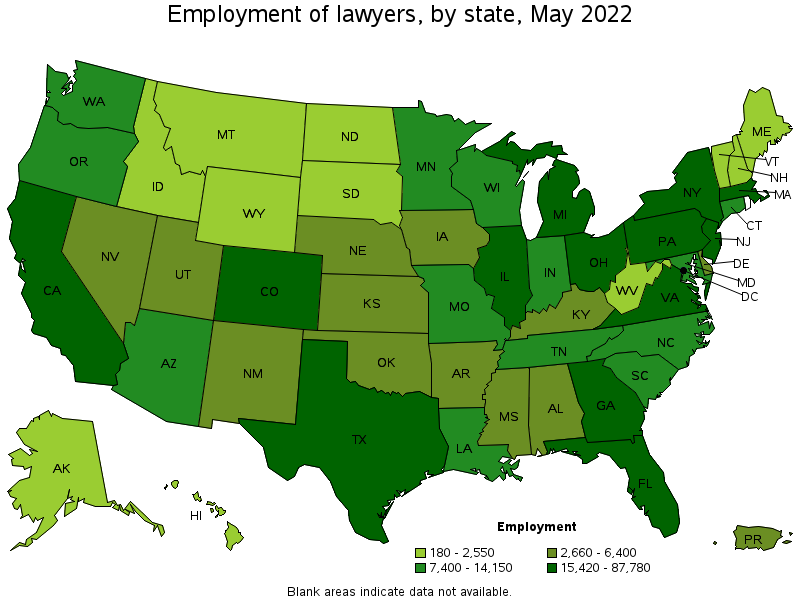
Average Salary Ranges in Texas
While specific figures can fluctuate, statistical data provides a general understanding of lawyer salaries across Texas. These averages should be viewed as guidelines, as individual salaries can fall significantly above or below these ranges.
Entry-Level and Junior Lawyers
For those just starting their legal careers, the typical salary range in Texas falls between $70,000 and $120,000. This can vary based on the firm’s location and prestige. For example, a first-year associate at a large firm in Dallas or Houston might start at the higher end of this spectrum, while a position in a smaller town or a less renowned firm might be at the lower end.
Mid-Career Lawyers
As lawyers gain experience, typically between 4 to 7 years, their salaries generally increase to between $100,000 and $200,000. This reflects their growing expertise, increased responsibility, and ability to handle more complex legal matters independently.
Senior Lawyers and Partners
Senior associates, counsel, and partners see a significant escalation in their earning potential. Salaries for senior lawyers who are not yet partners can range from $150,000 to $300,000. Equity partners, whose income is tied to firm profits, can earn substantially more, with figures frequently exceeding $500,000 and many reaching into the millions of dollars annually. This high-end earning potential is often associated with major metropolitan areas and specialized practice areas such as M&A, IP, and complex commercial litigation.
Compensation Beyond Base Salary
It is important to note that a lawyer’s total compensation often extends beyond their base salary. Many firms offer attractive bonus structures, profit-sharing plans, and comprehensive benefits packages that add significant value.
Bonuses
Performance-based bonuses are common, particularly in larger firms. These can be tied to individual performance, firm profitability, or exceeding billable hour targets. Some firms have structured bonus systems that reward associates for hitting specific metrics.
Benefits
A robust benefits package can significantly enhance a lawyer’s overall compensation. This typically includes:
- Health Insurance: Comprehensive medical, dental, and vision coverage for the lawyer and their dependents.
- Retirement Plans: 401(k) or other retirement savings plans, often with employer matching contributions.
- Paid Time Off: Generous vacation days, sick leave, and holidays.
- Professional Development: Funding for continuing legal education (CLE) courses, bar association dues, and other professional development opportunities.
- Life and Disability Insurance: Coverage to protect the lawyer and their family.
Equity Partnership and Profit Sharing
For those who achieve partner status, particularly equity partnership, compensation can become highly variable and directly linked to the firm’s financial success. This includes a share of the firm’s profits, which can far exceed a fixed salary.
Conclusion
The earning potential for lawyers in Texas is substantial and highly varied. While entry-level positions offer a solid foundation, career progression, specialization in high-demand practice areas, strategic geographic placement within the state, and the success of the firm or practice all play critical roles in shaping a lawyer’s financial trajectory. From the emerging associates in Austin to seasoned partners in Houston, the legal profession in Texas offers a wide range of financial rewards for dedicated and skilled legal professionals.
LifeOutOfTheBox is a participant in the Amazon Services LLC Associates Program, an affiliate advertising program designed to provide a means for sites to earn advertising fees by advertising and linking to Amazon.com. Amazon, the Amazon logo, AmazonSupply, and the AmazonSupply logo are trademarks of Amazon.com, Inc. or its affiliates. As an Amazon Associate we earn affiliate commissions from qualifying purchases.