
Louisiana, a state renowned for its vibrant culture, exquisite cuisine, and captivating landscapes, also offers a surprising opportunity for home gardeners to cultivate their own delicious potatoes. The unique climate of the Bayou State, characterized by its warm, humid summers and mild winters, presents distinct planting windows for various crops. For potato enthusiasts, understanding these windows is crucial for a successful harvest. This guide delves into the optimal times to plant potatoes in Louisiana, offering insights for both spring and fall planting, along with factors that influence successful cultivation.
The Dual Planting Seasons for Louisiana Potatoes
Unlike many regions in the United States that have a single, well-defined planting season for potatoes, Louisiana benefits from a dual-season approach. This allows gardeners to enjoy two harvests within a single year, provided they time their planting correctly. The primary consideration for determining the planting time is the threat of frost and the subsequent onset of extreme summer heat.
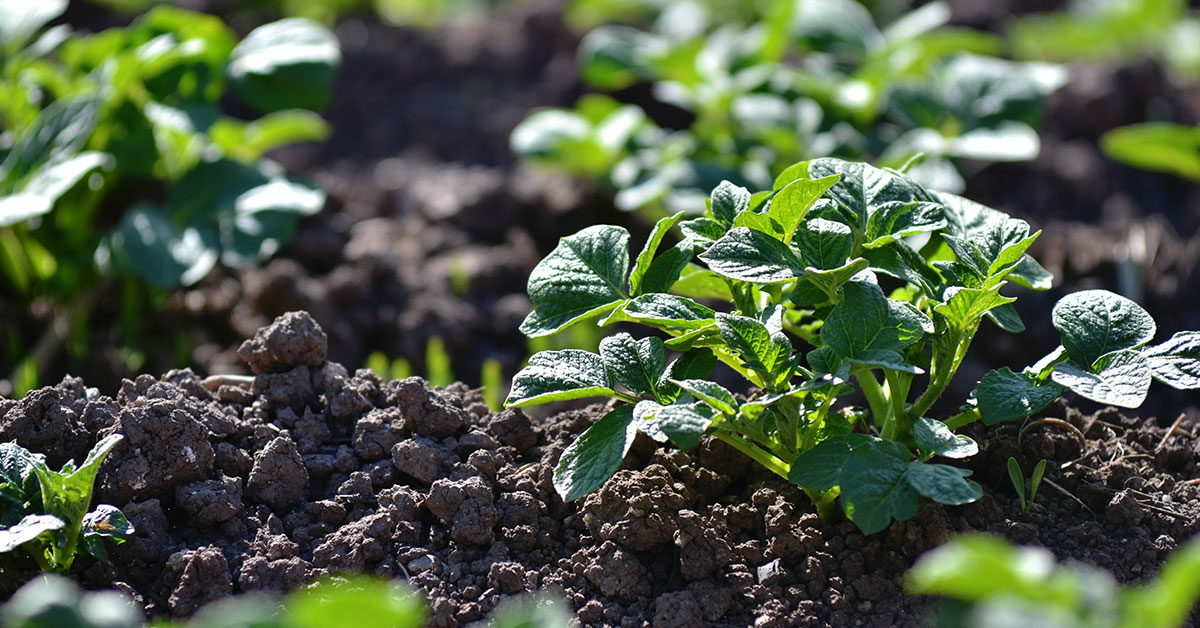
Spring Planting: The Early Bird Gets the Spud
The most common and generally most successful time to plant potatoes in Louisiana is for a spring harvest. The goal is to get the seed potatoes in the ground early enough to establish a strong root system and develop tubers before the intense heat of summer arrives, which can stress the plants and hinder tuber formation.
Timing is Everything: February to Early April
The ideal window for spring potato planting in Louisiana typically falls between late February and early April. The exact timing can vary slightly depending on the specific region within the state. For instance, gardeners in the southern parts of Louisiana, closer to the Gulf of Mexico, might be able to plant a week or two earlier than those in the northern parishes.
The key indicator is the last expected frost date. While Louisiana generally experiences mild winters, late frosts can still occur and damage young potato plants. It’s advisable to monitor local weather forecasts closely. Planting after the risk of a hard frost has significantly diminished is crucial for plant survival. Many gardeners aim to have their seed potatoes in the ground by mid-March to capitalize on the warming soil temperatures while still being relatively safe from frost.
Varieties for Spring Planting
The choice of potato variety can also influence the planting schedule. Early-maturing varieties are often preferred for spring planting to ensure they have enough time to produce before the summer heat becomes detrimental. Some popular choices for Louisiana include:
- Yukon Gold: A popular all-purpose potato known for its buttery flavor and yellow flesh.
- Red Norland: An early-maturing red-skinned variety that performs well in warmer climates.
- Kennebec: A versatile, high-yielding white potato.
- Sweet Potatoes (though technically a different planting time): While the focus here is on regular potatoes, it’s worth noting that Louisiana is also famous for its sweet potatoes, which have a different planting schedule, typically later in the spring.
Fall Planting: A Second Chance at Harvest
For the determined gardener, a fall harvest of potatoes is also achievable in Louisiana. This planting season requires careful timing to allow the plants to establish themselves during the cooler autumn months and mature before the arrival of winter frosts.
The Window for Fall Planting: August to September
The optimal time to plant seed potatoes for a fall harvest in Louisiana is typically from late August through September. The challenge here is that the soil is still quite warm from the summer heat. Planting too early can lead to poor germination and stress on the seed potatoes.
Waiting until August allows the soil temperatures to begin moderating slightly, making it more conducive to tuber development. It’s crucial to ensure that the plants have enough time to mature before the first hard frost of winter. This typically means a planting window of about 90-100 days before the expected first frost. In most of Louisiana, the first hard frost usually occurs in late November or early December, making a late August to September planting feasible.
Considerations for Fall Planting Success
Fall planting in Louisiana requires a bit more attention to detail:
- Soil Moisture: The soil can be dry in late summer. Ensure adequate watering after planting to promote germination.
- Heat Stress: While the planting window is designed to avoid peak summer heat, the initial stages of growth might still encounter warm weather. Mulching heavily can help keep the soil cool and retain moisture.
- Variety Selection: Shorter-season varieties are generally recommended for fall planting to ensure maturity before the winter cold sets in.
Factors Influencing Planting Decisions
Beyond the general seasonal guidelines, several environmental and practical factors can influence when you choose to plant potatoes in Louisiana.
Soil Temperature

Potatoes prefer cool soil temperatures for germination and early growth, ideally between 45°F and 65°F (7°C and 18°C). In Louisiana, this range is most reliably met in the late winter to early spring for the first planting and again in the early fall for the second. Planting in soil that is too cold can lead to poor germination, while soil that is too hot can cause seed potatoes to rot.
Frost Danger
As mentioned, frost is a significant consideration. Young potato plants are susceptible to frost damage, which can stunt their growth or kill them outright. For spring planting, waiting until the danger of the last frost has passed is paramount. For fall planting, understanding the average first frost date in your specific area helps determine how early you need to plant to ensure maturity.
Rainfall and Irrigation
Adequate moisture is essential for potato growth. Louisiana experiences a generally humid climate with distinct wet and dry seasons. Gardeners should be aware of expected rainfall patterns. If planting during a typically dry period, a reliable irrigation source is necessary. Excessive rainfall during the critical tuber development phase can also lead to disease issues, such as blight.
Sunlight and Growing Season Length
Potatoes require full sun, meaning at least 6-8 hours of direct sunlight per day. The length of the growing season is also a critical factor. For spring planting, the goal is to mature the crop before the oppressive heat and humidity of a Louisiana summer take over. For fall planting, the season needs to be long enough for the tubers to develop before the cold of winter sets in.
Crop Rotation
For disease management and soil health, it’s important to practice crop rotation. Avoid planting potatoes in the same spot where potatoes, tomatoes, peppers, or eggplants (all members of the nightshade family) were grown in the previous 2-3 years. This helps prevent the buildup of soil-borne diseases and pests.
Preparing Your Garden for Potatoes
Successful potato cultivation begins with proper garden preparation, regardless of the planting season.
Soil Preparation
Potatoes thrive in well-drained, loose, and slightly acidic soil (pH 5.0-6.0). Before planting, amend your soil with plenty of organic matter, such as compost or well-rotted manure. This improves drainage, aeration, and fertility. Till the soil to a depth of at least 8-10 inches to allow for tuber expansion.
Choosing Seed Potatoes
Always use certified disease-free seed potatoes. These are specifically grown for planting and are not the same as grocery store potatoes, which may have been treated to prevent sprouting and could carry diseases. Cut larger seed potatoes into pieces, ensuring each piece has at least one or two “eyes” (buds). Allow the cut pieces to cure for a day or two in a dry, airy place to form a protective callus, which helps prevent rot.
Planting Technique
For both spring and fall planting, potatoes are typically planted about 4-6 inches deep and 12 inches apart in rows that are 2-3 feet apart. As the plants grow, you will “hill” them by drawing soil up around the stems. Hilling protects the developing tubers from sunlight (which can cause them to turn green and become toxic) and encourages the formation of more tubers along the buried stem.
Harvesting Your Louisiana Potatoes
The harvest time for potatoes depends on the variety and planting date.
Determining Maturity
Smaller, “new” potatoes can be harvested as early as 7-8 weeks after planting, simply by carefully digging around the base of the plant to loosen a few tubers without disturbing the main plant too much. For a full harvest of mature potatoes, wait until the foliage begins to yellow and die back, which typically indicates the tubers have reached full size. This usually takes between 70-120 days, depending on the variety.
Harvesting Techniques
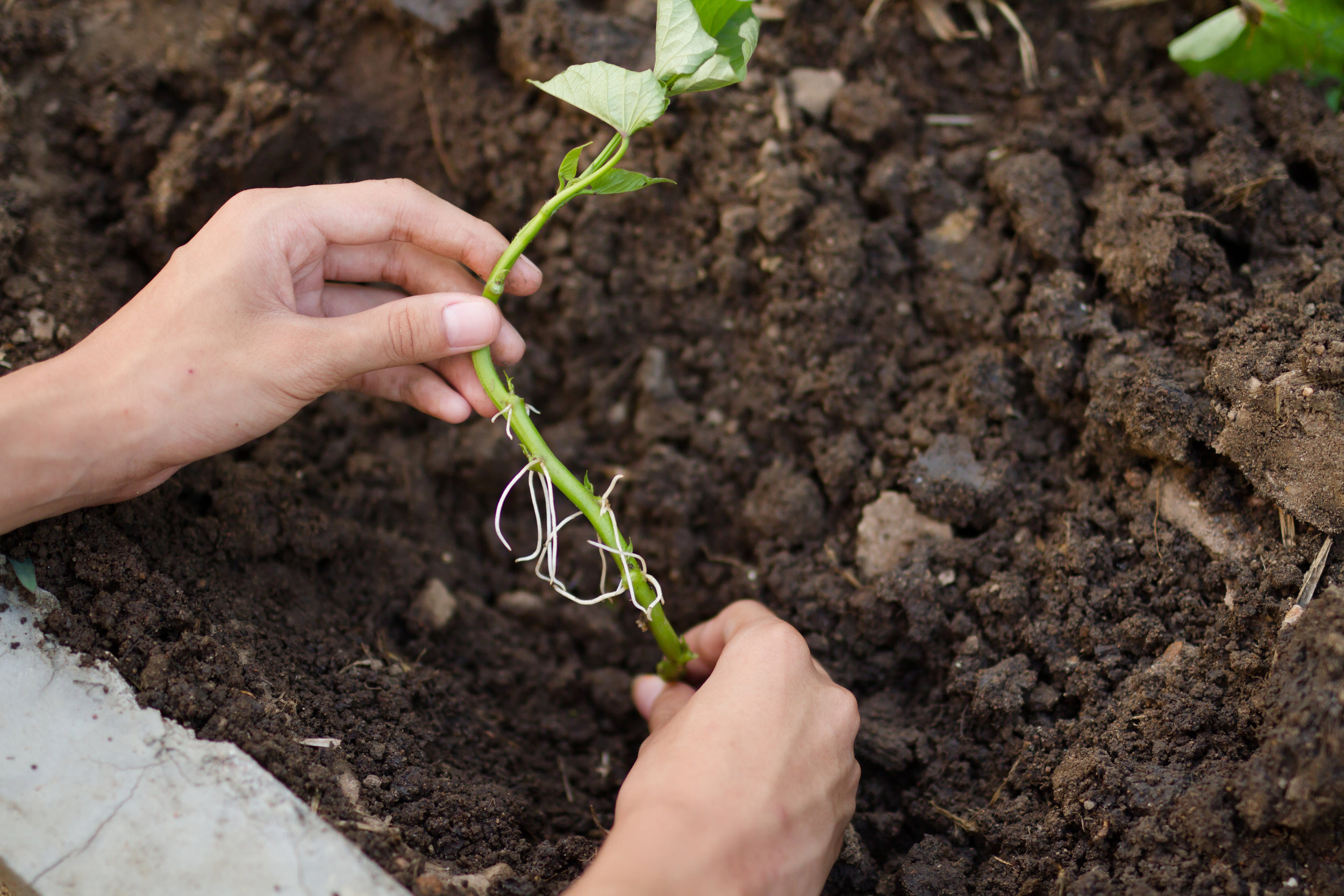
When the foliage has died back, wait for a dry spell if possible. Carefully dig around the plant with a garden fork or trowel, being cautious not to pierce the tubers. Lift the entire plant and gently shake off excess soil. Allow the harvested potatoes to air dry for a few hours in a shaded, well-ventilated area before storing them. Avoid washing them until just before use, as moisture can encourage spoilage.
By understanding and adhering to the planting windows for both spring and fall in Louisiana, home gardeners can enjoy the rewarding experience of growing their own delicious, fresh potatoes. Careful planning, soil preparation, and attention to environmental factors will pave the way for a bountiful harvest.
LifeOutOfTheBox is a participant in the Amazon Services LLC Associates Program, an affiliate advertising program designed to provide a means for sites to earn advertising fees by advertising and linking to Amazon.com. Amazon, the Amazon logo, AmazonSupply, and the AmazonSupply logo are trademarks of Amazon.com, Inc. or its affiliates. As an Amazon Associate we earn affiliate commissions from qualifying purchases.