
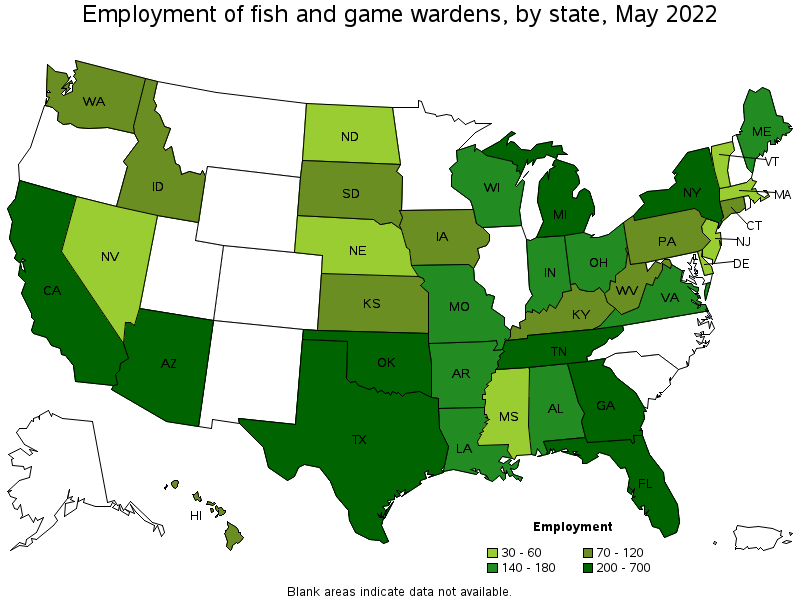
Understanding the compensation for a Game Warden in Texas involves more than just a base salary figure. It’s a multifaceted picture influenced by experience, specific duties, location within the vast state, and the benefits package offered by the Texas Parks and Wildlife Department (TPWD). For those drawn to a career protecting the state’s natural resources and enforcing wildlife and hunting regulations, knowing the earning potential is a crucial step in planning their professional journey. This exploration delves into the various components that contribute to a game warden’s overall financial remuneration in the Lone Star State.
The Foundation: Base Salary and Factors Influencing It
The starting point for understanding a game warden’s income in Texas is their base salary. This figure is determined by a structured pay scale set by the Texas Parks and Wildlife Department, which often aligns with state government compensation guidelines. Entry-level positions, typically for newly commissioned game wardens, will naturally command a lower salary than those with several years of service and proven performance.
Several key factors directly influence this base pay:
Experience and Seniority
As game wardens gain more experience, their value to the TPWD increases. This is reflected in their salary. A warden who has served for five, ten, or even twenty years will likely be earning significantly more than a rookie. This progression is often tied to a system of pay grades or steps, where reaching certain milestones in service or performance leads to automatic salary increases. The complexity of cases handled, leadership roles assumed, and specialized training acquired also play a role in upward salary movement.
Education and Certifications
While a high school diploma or GED is typically the minimum educational requirement, advanced degrees or specialized certifications can sometimes provide an edge, though this is less common as a direct driver of starting salary for entry-level wardens than practical experience. However, specialized skills in areas such as forensics, advanced tracking, or wildlife management may lead to opportunities for higher-paying roles or specialized units within the TPWD.
Geographic Location
Texas is a geographically diverse state with vastly different costs of living. While the TPWD aims for a degree of salary parity across its workforce, there can be subtle adjustments or considerations for wardens assigned to duty in more expensive metropolitan areas compared to rural regions. This might not always translate into a higher base salary but could be a factor in the overall financial picture when considering personal expenses. For instance, a warden stationed near Houston or Dallas might face higher living costs than one in West Texas.
Specific Duties and Specializations
Game wardens are not a monolithic group. While their core responsibilities are consistent, some may take on specialized roles. These could include working with specific animal populations, engaging in public outreach and education, or joining investigative teams. Such specialized duties, which often require advanced training and carry greater responsibility, may come with additional compensation or opportunities for promotion that lead to higher earning potential.
Beyond the Base: Benefits and Allowances
A game warden’s total compensation package extends significantly beyond their base salary. The Texas Parks and Wildlife Department typically offers a comprehensive benefits package that adds substantial value. These benefits can significantly impact the net financial well-being of a game warden.
Health and Retirement Benefits
A cornerstone of any state employee compensation is the provision of health insurance. TPWD offers medical, dental, and vision coverage for wardens and their families, which can represent a considerable saving compared to purchasing private insurance. Furthermore, a defined-benefit pension plan or a robust retirement savings program is usually part of the package. These retirement benefits provide a secure financial future after years of service, often a significant factor in career choice for public servants.
Paid Time Off and Leave
Game wardens, like other state employees, accrue paid time off (PTO), including vacation days, sick leave, and holidays. The ability to take paid time off for personal reasons, rest, or family needs is an invaluable benefit that contributes to work-life balance and overall job satisfaction. The accumulation of these leave days can also translate into a financial benefit upon separation from service, depending on state policy.
Uniforms, Equipment, and Vehicle Allowances
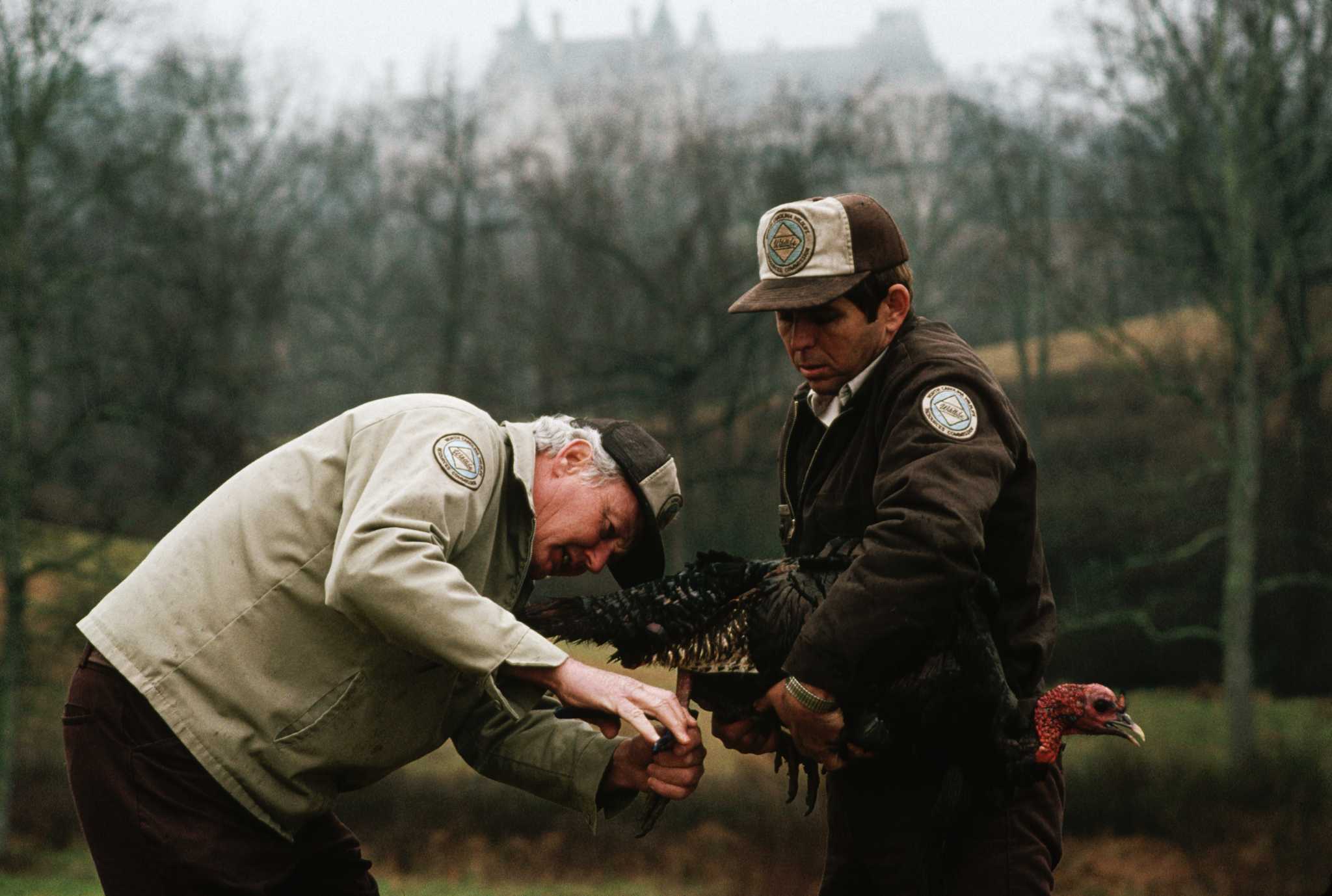
The nature of a game warden’s work requires specific attire and equipment. The TPWD typically provides uniforms, firearms, and other essential gear. In many cases, wardens are also provided with a patrol vehicle, which is generally for official use but may sometimes allow for limited personal use, reducing personal transportation costs. While not always a direct cash allowance, the provision of these necessities significantly reduces out-of-pocket expenses for the warden. Some positions may also include allowances for cell phone usage or other communication tools essential to their duties.
Understanding the Earning Spectrum: Salary Ranges
While precise figures can fluctuate annually due to budget allocations and policy updates, general salary ranges can be estimated for game wardens in Texas. These ranges provide a realistic outlook for aspiring and current wardens.
Entry-Level Game Wardens
For individuals just starting their career as a commissioned game warden, the annual salary typically falls within a specific entry-level bracket. This might range from approximately $45,000 to $55,000 per year. This salary reflects the initial training period, the assumption of basic duties, and the establishment of a track record within the department. While this may seem modest compared to some private sector roles, it’s important to remember the context of comprehensive benefits and the inherent rewards of public service.
Mid-Career Game Wardens
As a game warden progresses in their career, typically after five to ten years of service, their salary will see a noticeable increase. This mid-career range could see annual earnings between $55,000 and $70,000. This increase is a result of accumulating experience, demonstrating proficiency in enforcement and conservation, and potentially taking on more complex assignments or supervisory roles within a precinct.
Senior and Supervisory Game Wardens
Experienced game wardens who have dedicated significant years to the TPWD, perhaps fifteen years or more, or those who have moved into supervisory or leadership positions, can expect to earn considerably more. The higher end of the salary spectrum for senior wardens might range from $70,000 to $85,000 annually, and potentially higher for specialized leadership roles or positions within administrative divisions of the TPWD. These roles often involve significant responsibility for managing teams, developing strategic conservation plans, and overseeing enforcement operations across larger geographical areas.
Additional Compensation and Potential Bonuses
While not as common as in some corporate environments, there are instances where game wardens in Texas might see opportunities for additional compensation.
Overtime and Special Assignments
The demanding nature of a game warden’s job can sometimes necessitate working beyond standard hours, especially during peak hunting seasons, emergency situations, or complex investigations. In many government roles, including law enforcement, overtime pay is a possibility, though policies can vary. Furthermore, participation in specific, intensive operations or task forces might come with stipends or additional compensation, depending on the nature and duration of the assignment.
Performance-Based Incentives (Less Common)
Unlike some private sector jobs where performance bonuses are standard, direct financial bonuses tied solely to individual performance are less prevalent for game wardens in Texas. The compensation structure is generally more stable and predictable, focused on tenure, rank, and adherence to established pay scales. However, exceptional performance that leads to promotions or opportunities within specialized units can indirectly result in higher overall earnings.
Factors Beyond Direct Income to Consider
When evaluating the financial attractiveness of a game warden career in Texas, it’s essential to look beyond the monetary figures and consider the broader value proposition.
Job Security and Stability
Public service positions, particularly those within established state departments like the Texas Parks and Wildlife Department, generally offer a high degree of job security. Unlike many private sector jobs, which can be susceptible to economic downturns and market fluctuations, the need for conservation law enforcement and resource management is constant. This stability provides peace of mind for career-minded individuals.
Intrinsic Rewards and Lifestyle
For many who choose to become game wardens, the motivation extends far beyond salary. The opportunity to work outdoors, protect wildlife, engage with the public on conservation issues, and serve their communities is a significant draw. The lifestyle associated with being a game warden, which often involves significant time spent in rural and natural settings, appeals to individuals who value nature and a career with a direct positive impact. These intrinsic rewards, while not financially quantifiable, contribute immensely to job satisfaction and long-term commitment.
Career Progression and Development
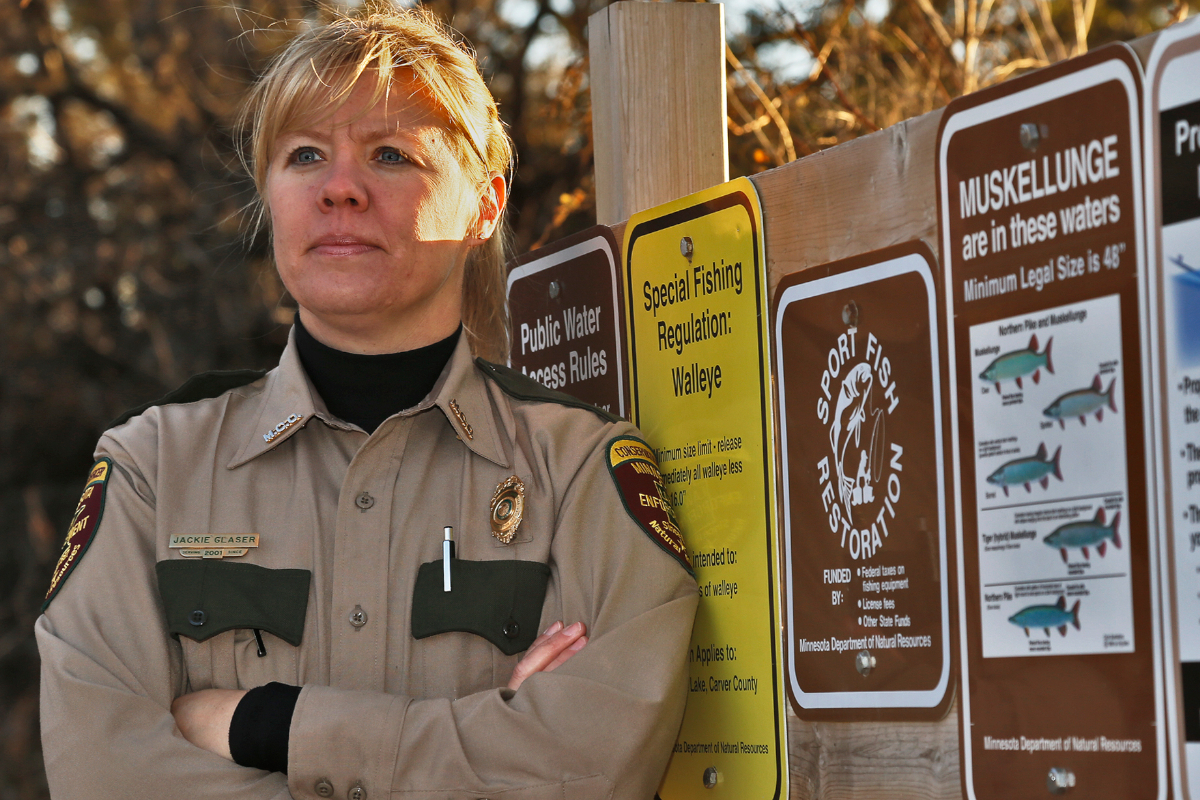
The TPWD offers pathways for career advancement. Game wardens can progress from entry-level positions to specialized roles, supervisory capacities, or even administrative leadership within the department. Each step in this progression typically comes with increased responsibility and, consequently, higher earning potential. The department also often supports ongoing training and professional development, ensuring wardens remain equipped with the latest skills and knowledge.
In conclusion, the earning potential for a game warden in Texas is a comprehensive package that includes a competitive base salary, a robust benefits system, and opportunities for advancement. While the exact figures will vary based on individual circumstances and departmental policies, the career offers a stable and rewarding path for those passionate about conserving the natural heritage of the Lone Star State.
LifeOutOfTheBox is a participant in the Amazon Services LLC Associates Program, an affiliate advertising program designed to provide a means for sites to earn advertising fees by advertising and linking to Amazon.com. Amazon, the Amazon logo, AmazonSupply, and the AmazonSupply logo are trademarks of Amazon.com, Inc. or its affiliates. As an Amazon Associate we earn affiliate commissions from qualifying purchases.