
Planning a trip to the Golden State requires meticulous attention to detail, and understanding the local time in California is a fundamental aspect of any successful travel itinerary. Whether you’re flying in from across the globe or simply crossing state lines, adjusting to or anticipating California’s time zone ensures seamless transitions for flights, hotel check-ins, scheduled tours, and business meetings. California uniformly observes the Pacific Time Zone, which fluctuates between Pacific Standard Time (PST) and Pacific Daylight Time (PDT) throughout the year. This distinction is crucial for travelers looking to maximize their experiences, from catching the sunrise over the Sierra Nevada mountains to enjoying a sunset on a San Diego beach.

Understanding Pacific Time: PST vs. PDT
The concept of local time in California primarily revolves around the Pacific Time Zone. This zone spans the westernmost contiguous states of the United States and parts of Canada and Mexico. For the vast majority of the year, and importantly for travelers, California observes Daylight Saving Time, meaning it operates on Pacific Daylight Time (PDT) from spring through early fall.
Pacific Standard Time (PST)
Pacific Standard Time (PST) is observed during the colder months, typically from early November to mid-March. During this period, California’s local time is 8 hours behind Coordinated Universal Time (UTC), often written as UTC-8 or GMT-8. This is the “standard” time when Daylight Saving Time is not in effect. If you’re planning a winter escape to experience the festive season in San Francisco or a ski trip to Lake Tahoe, PST is the time you’ll be operating on. It’s essential to account for this if you have scheduled tours or events, as attractions might have adjusted operating hours during these months.
Pacific Daylight Time (PDT)
Pacific Daylight Time (PDT) comes into effect with the start of Daylight Saving Time. This typically occurs on the second Sunday in March when clocks “spring forward” one hour. California then moves to UTC-7 or GMT-7. This shift means more daylight in the evenings, a welcome change for tourists eager to explore Los Angeles’ vibrant nightlife, enjoy extended hours at Disneyland Resort in Anaheim, or catch a baseball game under the setting sun. PDT remains in effect until the first Sunday in November, when clocks “fall back” one hour, returning to PST. Travelers visiting during the popular summer and autumn months will almost certainly be experiencing PDT.
The Impact of Time Zones on Travel Experiences
Understanding California’s time zone is not just an academic exercise; it has practical implications that can significantly affect your travel experience. From managing jet lag to coordinating with loved ones, the time difference plays a vital role in the seamless execution of your itinerary.
Navigating Jet Lag for International Travelers
For those arriving in California from distant time zones, particularly from the East Coast or international destinations in Europe or Asia, jet lag can be a significant hurdle. California is three hours behind Eastern Standard Time (EST) in the United States. This means if you’re flying from New York City, a 9 AM flight arriving at noon California time would feel like 3 PM to your body, potentially leading to tiredness later in the day.
To mitigate jet lag, try to adjust your sleep schedule a few days before your trip. Hydrate well during your flight, and upon arrival, expose yourself to natural light to help reset your circadian rhythm. Plan a relaxed first day with light activities, allowing your body to acclimate. This is especially important if you have immediate engagements, such as a business meeting in Silicon Valley or an early morning tour of Yosemite National Park.
Coordinating Activities and Bookings
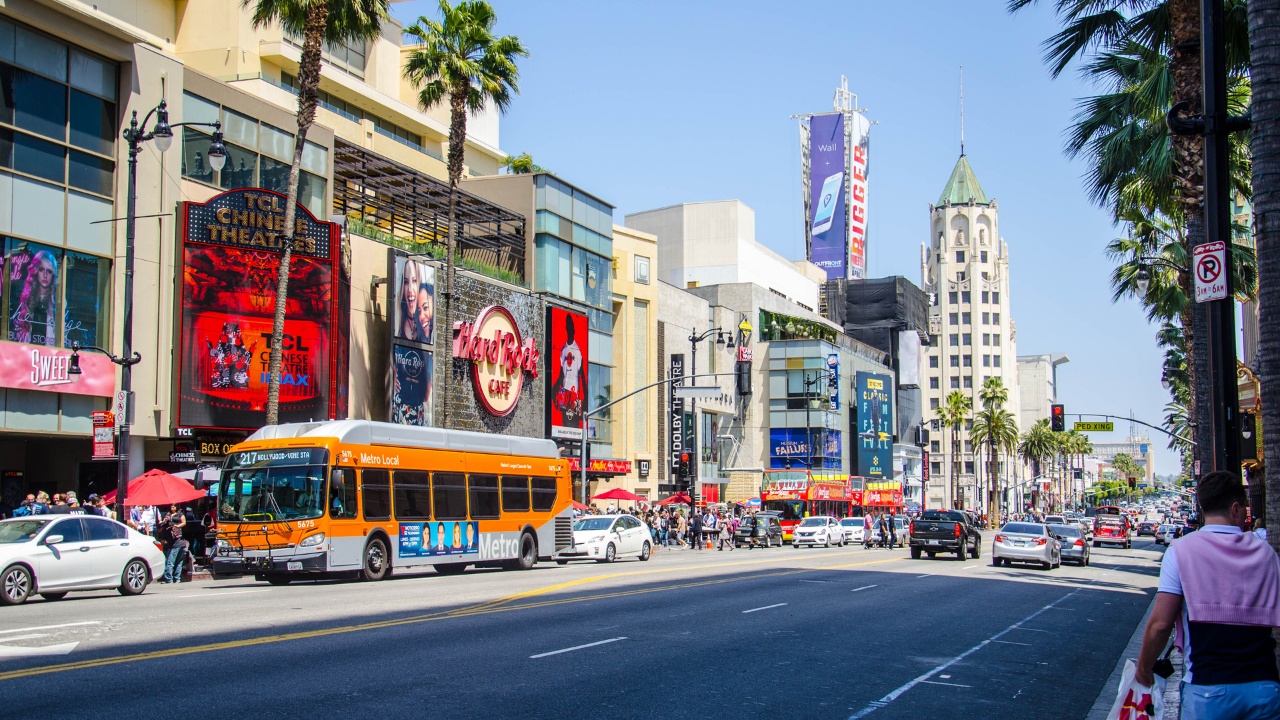
Every aspect of a travel itinerary is time-sensitive. Booking flights, reserving rental cars, scheduling hotel check-ins, and making dinner reservations all rely on accurate time zone knowledge. Imagine booking a fantastic restaurant in Napa Valley for 7 PM, only to realize you mistakenly used your home time zone, leading to a missed reservation and disappointment.
When booking tours for attractions like the Golden Gate Bridge cruise in San Francisco, a studio tour in Hollywood, or a visit to the Hearst Castle, always confirm the listed times are local California time. Many online booking platforms automatically adjust for your current time zone, but it’s always best practice to double-check. Similarly, if you plan to visit multiple destinations within the state, such as driving down Highway 1 from Big Sur to Santa Barbara, your time zone will remain consistent, simplifying planning.
Communication with Home and Business Contacts
Staying connected with family, friends, or colleagues back home is often a priority for travelers. Being aware of the time difference prevents inconvenient calls in the middle of the night or during critical work hours for those in other time zones. For instance, if you’re in Los Angeles (PDT, UTC-7) and trying to reach someone in London (BST, UTC+1), there’s an 8-hour difference. A 9 AM call from Los Angeles would be 5 PM in London, a reasonable time. However, calling at 5 AM Los Angeles time would be 1 PM in London, which might be too late for some business interactions.
For business travelers, understanding these time differences is non-negotiable for scheduling conference calls, virtual meetings, and communicating with clients or teams. Sacramento, as the state capital, often hosts events and legislative sessions that operate strictly on California local time, requiring precise coordination for participants from outside the state.
Practical Tips for Time-Sensitive Travel in California
To ensure your trip to California is as smooth and enjoyable as possible, incorporating these time-awareness strategies into your travel planning is highly recommended.
Utilize Technology Wisely
Modern smartphones and smartwatches are invaluable tools for managing time zones. Most devices automatically update to the local time when you arrive in a new region, provided location services are enabled. However, it’s wise to double-check this setting upon landing. Additionally, many world clock apps allow you to simultaneously display multiple time zones, making it easy to compare California time with your home time zone or that of your contacts.
Confirm Operating Hours for Attractions
California’s diverse attractions, from museums in San Francisco to theme parks in Anaheim and natural wonders in Yosemite National Park, all have specific operating hours. These hours can vary by season, day of the week, and public holidays. Always verify the opening and closing times on the official websites of the attractions you plan to visit. Pay particular attention to variations during the transition periods between PST and PDT. For instance, national parks like Joshua Tree or Death Valley have visitor centers with specific operating hours that are critical for planning excursions and accessing facilities.
Factor in Travel Time Between Destinations
While California maintains a single time zone throughout the state, its vast geographical expanse means that travel between popular destinations can take several hours. Driving from Los Angeles to San Francisco can be a six-hour journey, and even longer if you take the scenic coastal route along Highway 1 through Big Sur. A trip to Lake Tahoe from San Francisco can also take four hours or more.
When planning your daily itinerary, allocate generous buffers for travel time, accounting for potential traffic, especially around major metropolitan areas like Los Angeles, San Francisco, and San Diego. This prevents rushing and ensures you arrive at your scheduled activities, tours, or dinner reservations on time, allowing for a more relaxed and enjoyable travel experience.
In conclusion, knowing “What is local time in California?” is far more than a simple fact; it’s a foundational piece of knowledge that underpins effective travel planning. By understanding the nuances of Pacific Standard Time and Pacific Daylight Time and their practical implications, travelers can ensure their journey through California’s stunning landscapes and vibrant cities is as seamless, productive, and enjoyable as possible.
LifeOutOfTheBox is a participant in the Amazon Services LLC Associates Program, an affiliate advertising program designed to provide a means for sites to earn advertising fees by advertising and linking to Amazon.com. Amazon, the Amazon logo, AmazonSupply, and the AmazonSupply logo are trademarks of Amazon.com, Inc. or its affiliates. As an Amazon Associate we earn affiliate commissions from qualifying purchases.