
Navigating the intricacies of vehicle ownership in the vast expanse of Texas often involves understanding and complying with state-mandated requirements. Among these, the annual state inspection stands out as a crucial element for ensuring vehicle safety and environmental compliance. This article delves into the cost associated with this essential service, exploring factors that influence pricing, where to get it done, and what to expect during the process, all within the context of planning your travels and ensuring your vehicle is road-ready across the Lone Star State.
Understanding the Texas State Inspection Cost
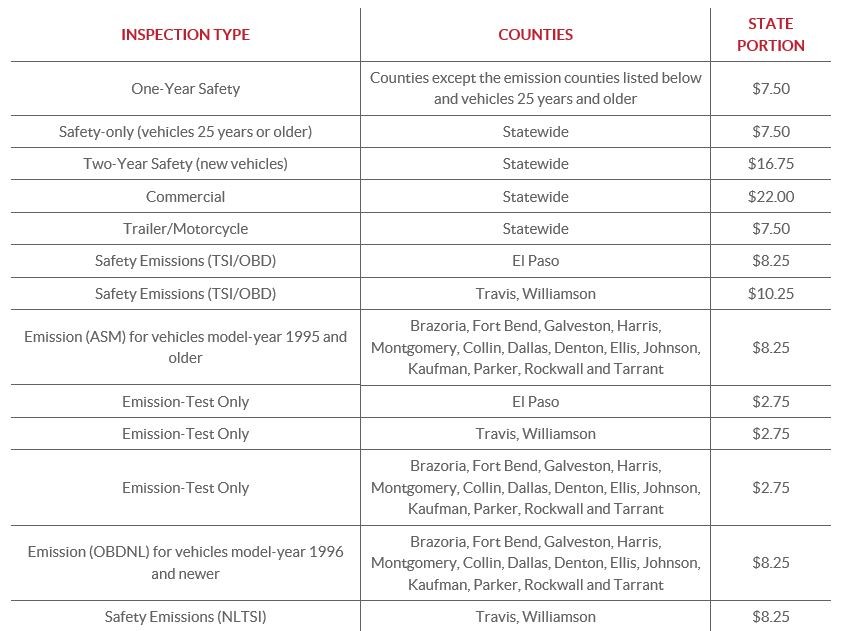
The price of a Texas state inspection is remarkably standardized, offering a degree of predictability for vehicle owners. The state government sets a maximum allowable fee, ensuring that drivers are not subject to arbitrary price gouging.

The Standard Fee Structure
As of the latest regulations, the maximum fee for a standard passenger vehicle inspection in Texas is set at $7.50. This fee covers the comprehensive safety check of your vehicle. It’s important to note that this is the maximum fee, and some facilities may charge slightly less. However, it is rare to find prices significantly above this threshold for a routine inspection.
What the Inspection Fee Covers
This $7.50 fee is not merely a charge for a sticker; it represents the cost of a thorough examination designed to ensure your vehicle meets minimum safety standards. The inspection typically includes checks on:
- Brakes: Ensuring the braking system is in good working order, including pads, rotors, and fluid levels.
- Lights: Verifying that all exterior lights – headlights, taillights, brake lights, turn signals, and hazard lights – are functioning correctly and are properly aimed.
- Tires: Assessing tire tread depth and looking for any visible damage or excessive wear.
- Windshield Wipers and Washer Fluid: Checking the condition of wiper blades and the functionality of the washer system.
- Horn: Confirming the horn operates effectively.
- Mirrors: Ensuring mirrors are intact and properly positioned.
- Exhaust System: Inspecting for leaks or excessive noise.
- Steering and Suspension: Checking for any loose components or excessive play.
- Seat Belts: Verifying that all seat belts are present and functional.
For motorcycles, the inspection fee is generally lower, typically around $10.00. This fee also covers a safety inspection tailored to the specific components of a motorcycle.
Additional Fees and Potential Costs
While the $7.50 fee is for the inspection itself, it’s crucial to understand that this does not include any necessary repairs. If your vehicle fails to pass any part of the inspection, you will be required to have the issues addressed. The cost of these repairs will be in addition to the inspection fee. The price of repairs varies significantly depending on the nature of the problem and the parts and labor required.
For instance, replacing worn brake pads on a sedan might cost anywhere from $150 to $400 or more, depending on the make and model of the car and the shop you choose. Similarly, replacing a faulty headlight bulb is a minor expense, perhaps $20-$50, while fixing an exhaust leak could range from $100 to several hundred dollars.
Furthermore, for vehicles registered in certain Texas counties, there is an additional environmental fee, often referred to as the Emissions Test fee. This fee is separate from the safety inspection. However, many vehicles are exempt from the emissions test, including:
- Vehicles manufactured before 1996.
- Vehicles that are 24 years old or newer and weigh more than 14,000 pounds.
- Motorcycles.
- Electric vehicles.
- Vehicles that have been out of state for more than 30 days and have valid inspection certificates from another state.
If your vehicle requires an emissions test, the fee is typically $15.25. This fee is added to the safety inspection cost, bringing the total for a vehicle requiring both inspections to $22.75 (if the $7.50 safety inspection fee is charged). The emissions test focuses on the vehicle’s exhaust system to ensure it meets air quality standards.
Where to Get Your Texas State Inspection
The convenience of getting a state inspection in Texas is a significant advantage for drivers. The state has a vast network of licensed inspection stations, making it easy to find a location near your home, workplace, or even while you’re out exploring.
Authorized Inspection Stations
Texas mandates that all inspection stations be licensed by the state. These stations can be found at a variety of businesses, including:
- Auto Repair Shops: Many independent and chain auto repair facilities are authorized to perform inspections.
- Dealerships: New and used car dealerships typically offer inspection services for all makes and models.
- Quick Lube and Oil Change Centers: Businesses specializing in routine maintenance often provide inspections.
- Some Tire Shops: Tire retailers may also be licensed to conduct state inspections.
It’s advisable to look for the official “State Inspection Station” sign displayed prominently at the business. This sign indicates that the facility has met the state’s requirements and employs certified inspectors.
Finding a Station Near You
The Texas Department of Public Safety (DPS) provides an online tool to help drivers locate authorized inspection stations. By entering your zip code, you can find a list of nearby stations, along with their addresses and contact information. This is particularly helpful for travelers who may not be familiar with the local area.
Preparing for Your Inspection
To ensure a smooth inspection process and minimize the possibility of needing additional repairs, it’s wise to perform a few basic checks before you arrive at the station.
- Cleanliness: While not a requirement, a relatively clean vehicle can make it easier for the inspector to access various components. Ensure your windows are clear of obstructions.
- Lights: Walk around your vehicle and test all exterior lights, including headlights (high and low beams), taillights, brake lights, turn signals, and hazard lights. Replace any burnt-out bulbs beforehand.
- Tires: Check your tire pressure and visually inspect the tread depth. Most states require a minimum tread depth of 2/32 of an inch.
- Wiper Blades: Ensure your windshield wipers are in good condition and make full contact with the windshield.
- Horn: Test your horn to confirm it works.
- Documentation: Bring your current vehicle registration and proof of insurance. While not always required for the inspection itself, it’s good practice to have them handy.
By performing these simple checks, you can identify and potentially rectify minor issues before your inspection, saving you time and money.
Understanding the Inspection Sticker and Registration
Upon successfully passing both the safety and emissions inspections (if applicable), your vehicle will be issued a new inspection certificate, commonly referred to as the “inspection sticker.” This sticker is typically affixed to your windshield, usually in the lower driver’s side corner.
The Importance of the Inspection Sticker
The inspection sticker serves as proof that your vehicle has met the state’s safety and environmental standards for the current inspection period. It is a mandatory requirement for vehicle registration renewal. Law enforcement officers can issue citations for vehicles that do not display a valid inspection sticker or that have expired ones.
Linking Inspection to Registration
In Texas, you cannot renew your vehicle registration without a valid inspection certificate. The information from your inspection is electronically transmitted to the state’s database. When you go to renew your registration, the system will verify that your vehicle has passed the required inspections. This integrated system ensures that all registered vehicles on Texas roadways are compliant.
When to Get Inspected
Your vehicle’s inspection is valid for one year from the date of issuance. The sticker will have an expiration month and year printed on it. It’s generally recommended to get your inspection done within the month of expiration to avoid any lapse in compliance. However, you can get your vehicle inspected up to 90 days before your current sticker expires without losing any time on your new sticker. For example, if your sticker expires in March, you can get inspected in January or February, and your new sticker will still expire in March of the following year.
This flexibility allows drivers to get their inspections done at a convenient time, perhaps when they are already scheduled for other vehicle maintenance.
Potential Scenarios and Their Costs
While the base cost of a Texas state inspection is fixed, certain situations can influence the overall expense and process. Understanding these scenarios can help you budget effectively and plan your vehicle maintenance.
Failing the Inspection
If your vehicle fails the safety or emissions inspection, you will receive a rejection report outlining the reasons for failure. You will then have a period of time, typically 60 days, to have the necessary repairs made and to have your vehicle re-inspected.
- Re-inspection Fees: Many inspection stations offer a free or discounted re-inspection if you have the repairs done at their facility or within a specified timeframe. However, if you choose to have repairs done elsewhere or if the station charges for re-inspections, you may incur an additional fee. It is always best to inquire about their re-inspection policy before you leave.
- Repair Costs: As mentioned earlier, the cost of repairs is entirely dependent on the issues identified. This is the most significant variable cost associated with a failed inspection.
Out-of-State Vehicles
If you are bringing a vehicle from another state into Texas and need to register it, it will need to undergo a Texas state inspection. The cost will be the standard $7.50 for the safety inspection, plus the $15.25 for the emissions test if your vehicle is subject to it (based on age and weight, and registration county). The requirement for emissions testing for new Texas residents depends on the county of their new Texas address.
Commercial Vehicles
The inspection requirements and costs for commercial vehicles can differ. Larger trucks, buses, and other commercial vehicles may have different inspection protocols and potentially higher fees due to their complexity and the more rigorous safety standards they must meet. It’s advisable for owners of commercial vehicles to consult directly with an authorized inspection station or the Texas Department of Public Safety for specific details.
Special Cases
Some specialized vehicles or modifications might require additional inspections or certifications. For instance, vehicles with certain modifications, such as those altered for accessibility or use as limousines, might have unique inspection requirements. Always confirm the specific inspection needs for your vehicle type.
The Value of a Texas State Inspection
While the $7.50 fee for a Texas state inspection may seem like a small expense, its value extends far beyond the sticker price. This annual check is a critical component of road safety and environmental protection across the state, contributing to safer journeys for everyone, whether you are a local resident or a visitor exploring destinations like the Alamo in San Antonio or the vibrant streets of Austin.
Enhancing Road Safety
By ensuring that vehicles meet basic safety standards, the inspection process helps prevent accidents caused by mechanical failures. Properly functioning brakes, lights, and tires are essential for safe driving, particularly on the extensive highway networks that crisscross Texas, from the plains of West Texas to the Gulf Coast.
Protecting the Environment
The emissions testing component of the inspection plays a vital role in improving air quality. By identifying and requiring the repair of vehicles that are polluting excessively, Texas is taking steps to create a healthier environment for its residents and visitors. This is particularly relevant in major metropolitan areas like Houston and Dallas-Fort Worth, where traffic density can impact air quality.
Peace of Mind for Travelers
For those planning road trips or business travel across Texas, a valid inspection sticker provides peace of mind. Knowing that your vehicle is compliant with state regulations can alleviate concerns about potential traffic stops or issues with rental agreements. It ensures that your journey, whether it’s a scenic drive through the Texas Hill Country or a business engagement in a bustling city, is as smooth and trouble-free as possible.
Ultimately, the Texas state inspection is an investment in safety, environmental responsibility, and the seamless continuation of your travels within the great state of Texas.
LifeOutOfTheBox is a participant in the Amazon Services LLC Associates Program, an affiliate advertising program designed to provide a means for sites to earn advertising fees by advertising and linking to Amazon.com. Amazon, the Amazon logo, AmazonSupply, and the AmazonSupply logo are trademarks of Amazon.com, Inc. or its affiliates. As an Amazon Associate we earn affiliate commissions from qualifying purchases.