
The allure of the Sunshine State extends beyond its pristine beaches and vibrant cities; it often includes the perception of a favorable tax environment. For individuals considering a move, an extended stay, or even planning a budget-conscious vacation, understanding Florida‘s tax landscape is crucial to shaping their financial lifestyle. While often touted as a “tax-free state,” this statement requires a nuanced examination to truly grasp the financial implications for residents and visitors alike.
The Sunshine State’s Income Tax Advantage
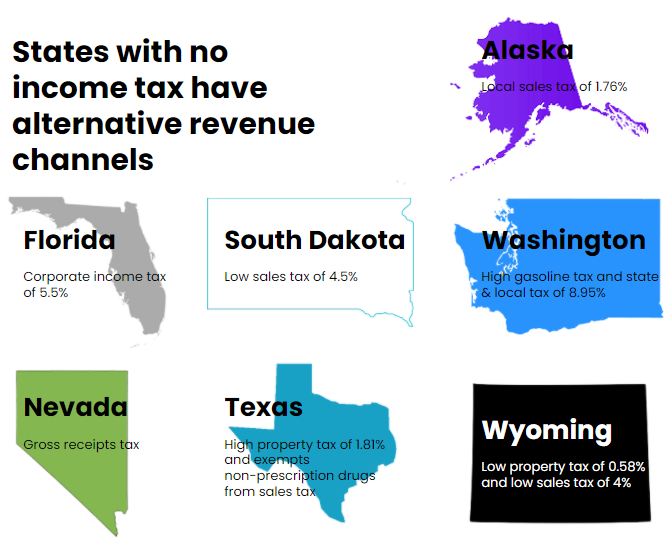
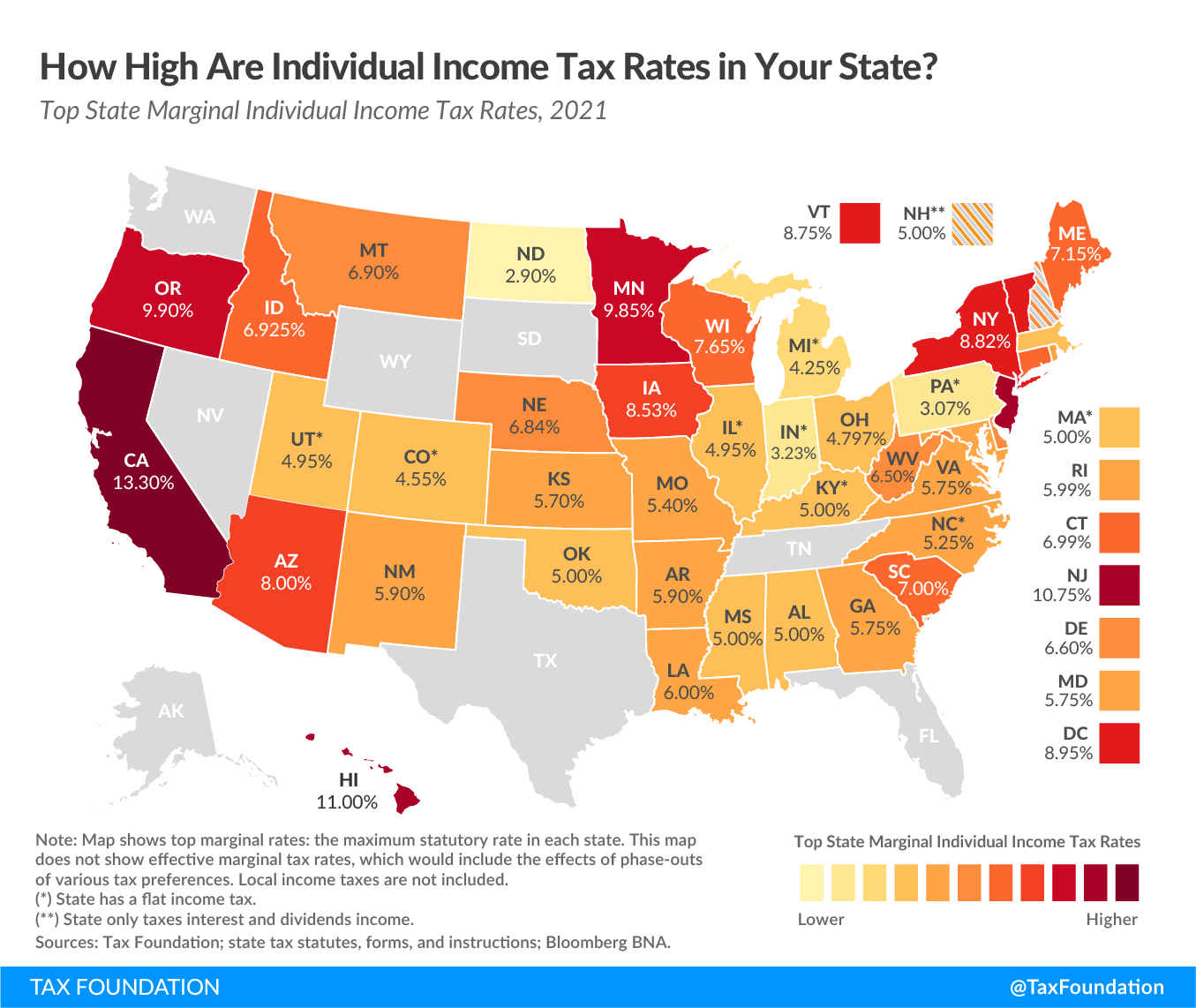
One of the most significant attractions drawing people to Florida for lifestyle reasons, whether for retirement, relocation, or remote work, is the absence of a state income tax. This policy provides a considerable financial advantage for individuals, directly impacting their disposable income and overall financial well-being.
Impact on Residents and Remote Workers
For residents, the lack of state income tax means that their wages, salaries, and most retirement income are not subjected to an additional state-level levy. This can translate into substantial annual savings, making Florida an appealing destination for those looking to maximize their earnings or stretch their retirement funds further. For remote workers, especially those earning higher incomes, moving to Florida from a high-income-tax state can result in a notable increase in take-home pay, directly enhancing their lifestyle choices. This appeals to both individuals seeking a luxurious lifestyle with more discretionary income and those focused on budget optimization. The financial freedom gained can be reinvested, saved, or used to enjoy the state’s numerous amenities and experiences.
What It Means for Budget-Conscious Lifestyles
The absence of state income tax significantly benefits budget-conscious individuals and families. More of their earned income remains in their pockets, providing greater flexibility for daily expenses, savings, or recreational activities. This can be particularly impactful for families raising children, as it eases the financial burden of education, healthcare, and everyday living. For those considering a long-term stay or retirement on a fixed income, this tax policy provides a vital buffer, allowing for a more comfortable and sustainable lifestyle without the constant pressure of state income deductions. It supports a financially stable foundation for enjoying everything from local culture to outdoor adventures across the state.
Navigating Sales and Use Taxes
While personal income may be exempt from state tax, consumers in Florida will encounter sales tax on most goods and services. This is a primary revenue source for the state and local governments, affecting nearly every purchase made by residents and tourists.
Daily Expenses and Vacation Spending
Florida’s statewide sales tax rate is 6%. However, many counties impose an additional local sales tax (discretionary sales surtax), which can increase the total sales tax rate to 7%, 7.5%, or even higher in some areas. For instance, popular tourist destinations like Miami-Dade County and Orange County (home to Orlando‘s theme parks) often have these higher rates. This means that everyday purchases, from groceries (though many food items are exempt) to clothing, electronics, and restaurant meals, will have sales tax added.
For tourists, understanding these taxes is essential for budgeting. A seemingly attractive price on a souvenir or a meal at a Miami beachside restaurant will have this additional charge. This impacts overall vacation spending, especially for luxury travelers who might spend more on high-end goods or budget travelers meticulously tracking every dollar. It’s an unavoidable part of the consumer lifestyle in Florida, and being aware of it prevents unpleasant surprises.
Exemptions and Savings Tips
Not everything is subject to sales tax. Key exemptions include most unprepared food items (groceries), prescription and non-prescription medicines, and many medical services. Services like dry cleaning, haircuts, and car repairs are generally not taxed. Specific tax holidays, such as “back-to-school” or “disaster preparedness” sales tax holidays, also offer temporary relief on certain items, which can be a boon for families and budget-conscious shoppers.
To minimize the impact of sales tax on your lifestyle in Florida, consider these tips:
- Be Mindful of Local Surtaxes: When making significant purchases, research the local sales tax rate in the county you are shopping in.
- Utilize Exemptions: Plan your grocery shopping to take advantage of tax-free food items.
- Shop During Tax Holidays: If possible, defer purchases of school supplies, clothing, or hurricane preparedness items until these designated periods.
- Consider Online Purchases Carefully: While online retailers are generally required to collect Florida sales tax, understanding the rules for out-of-state purchases can sometimes reveal opportunities, though it’s important to comply with use tax laws.
Property Taxes and Real Estate Lifestyle
Property taxes are another significant consideration for anyone looking to establish a lifestyle in Florida, whether through homeownership, long-term rental, or investment in real estate. These taxes are levied by local governments (counties, municipalities, and special districts) and are a crucial funding source for public services like schools, infrastructure, and emergency services.
Homestead Exemptions and Relocation Considerations
Florida’s property tax system can seem complex due to its various exemptions and assessments. The most notable benefit for homeowners is the Homestead Exemption. If you own a home and it is your permanent residence (your homestead), you can qualify for an exemption of up to $50,000 off the assessed value of your property. This significantly reduces your taxable value and, consequently, your annual property tax bill.
For individuals and families relocating to Florida, understanding the Homestead Exemption is vital. It can make a substantial difference in the affordability of homeownership and the long-term financial viability of living in the state. Furthermore, Florida also has the Save Our Homes amendment, which limits increases in the assessed value of homesteaded property to 3% annually or the percentage change in the Consumer Price Index, whichever is less. This provides predictable property tax increases, offering stability for long-term residents and retirees managing their budgets. Without the Homestead Exemption or Save Our Homes benefits, property taxes can be quite high, especially in desirable coastal areas or bustling metropolitan centers like Tampa or Jacksonville.
Investment Properties and Business Stays
For those considering investment properties, such as vacation rentals or commercial real estate, the tax implications are different. Investment properties do not qualify for the Homestead Exemption or the Save Our Homes cap, meaning their assessed values can increase more significantly each year, leading to higher property tax bills. This is a crucial factor for business owners or individuals looking to build wealth through real estate, directly impacting their return on investment and business lifestyle.
Business stays, particularly for corporations that own property in Florida, will face property taxes based on the full assessed value. Careful financial planning and understanding local tax rates in areas like Orlando (for tourism businesses) or Fort Lauderdale (for marine industries) are essential for sustainable operations.
Other Taxes Affecting Your Florida Lifestyle
Beyond income, sales, and property taxes, several other taxes contribute to the overall financial environment in Florida, impacting various aspects of lifestyle and business operations.
Tourist Development Taxes and Hospitality
For travelers, particularly those staying in hotels, vacation rentals, or similar accommodations, the Tourist Development Tax (also known as resort tax, bed tax, or transient rental tax) is an important consideration. This local tax is levied on the rental amount of lodging for six months or less and can range from 2% to 6% on top of the regular state and local sales tax. In popular tourist destinations, the combined lodging tax can push the total up considerably. For example, staying in a luxury resort in Orlando or Naples will incur these charges, impacting the budget for luxury travel or family trips. This tax is crucial for funding tourism promotion and infrastructure, making it a direct contributor to the quality of the visitor experience.

Fuel, Intangible, and Corporate Taxes
- Fuel Tax: Florida imposes state taxes on gasoline and diesel fuel, which contribute to road maintenance and infrastructure. While not as high as in some other states, these taxes add to the cost of transportation, affecting daily commuting for residents and road trip budgets for travelers exploring the state’s vast expanse.
- Intangible Tax: Florida generally does not impose an intangible tax on assets like stocks, bonds, or mutual funds held by individuals. This is another financial advantage for investors and retirees managing their portfolios, aligning with the state’s income tax-free status to create a more favorable environment for wealth management.
- Corporate Income Tax: While individuals benefit from no state income tax, businesses operating in Florida are subject to a corporate income tax. The state imposes a tax on the net income of corporations, which is a key consideration for business owners looking to establish or expand their operations in the state. The rate is currently 4.458% of net income, though certain exemptions and credits may apply. This affects the overall business lifestyle and profitability for companies, from small local enterprises to large corporations.
In conclusion, while Florida proudly boasts no state income tax, it is far from a “tax-free state.” Its revenue system relies heavily on sales tax, property tax, and various other levies. For anyone considering Florida for their lifestyle, whether for retirement, relocation, a long vacation, or business, a thorough understanding of these taxes is essential for accurate budgeting and financial planning. The state’s tax structure undeniably influences the affordability and quality of life, making it a critical factor in determining how one can live, visit, or operate within the Sunshine State.
LifeOutOfTheBox is a participant in the Amazon Services LLC Associates Program, an affiliate advertising program designed to provide a means for sites to earn advertising fees by advertising and linking to Amazon.com. Amazon, the Amazon logo, AmazonSupply, and the AmazonSupply logo are trademarks of Amazon.com, Inc. or its affiliates. As an Amazon Associate we earn affiliate commissions from qualifying purchases.