
Navigating the requirements for vehicle state inspections in Texas is a crucial aspect of vehicle ownership, impacting not only compliance with state law but also the overall safety and reliability of your ride. While the primary focus for many travelers and residents is on the destination or the experience, ensuring your vehicle is road-ready is a fundamental prerequisite for any successful journey. This guide delves into the cost associated with these inspections, shedding light on what you can expect to pay and the factors that might influence the final price. Understanding these details can help you budget effectively for vehicle maintenance and ensure smooth travels across the Lone Star State.

Understanding the Texas State Inspection Program
The Texas Department of Public Safety (DPS) mandates that all gasoline-powered vehicles model year 1996 and newer, and diesel-powered vehicles, undergo an annual state inspection. This program is designed to ensure that vehicles operating on Texas roadways meet safety and environmental standards, contributing to overall public safety and air quality.
Safety and Emissions Requirements
Texas employs a two-step inspection process for most vehicles. The first part is the safety inspection, which checks critical components such as brakes, lights, tires, steering, suspension, and windshield wipers. This is a comprehensive review to ensure the vehicle is mechanically sound and safe to operate.
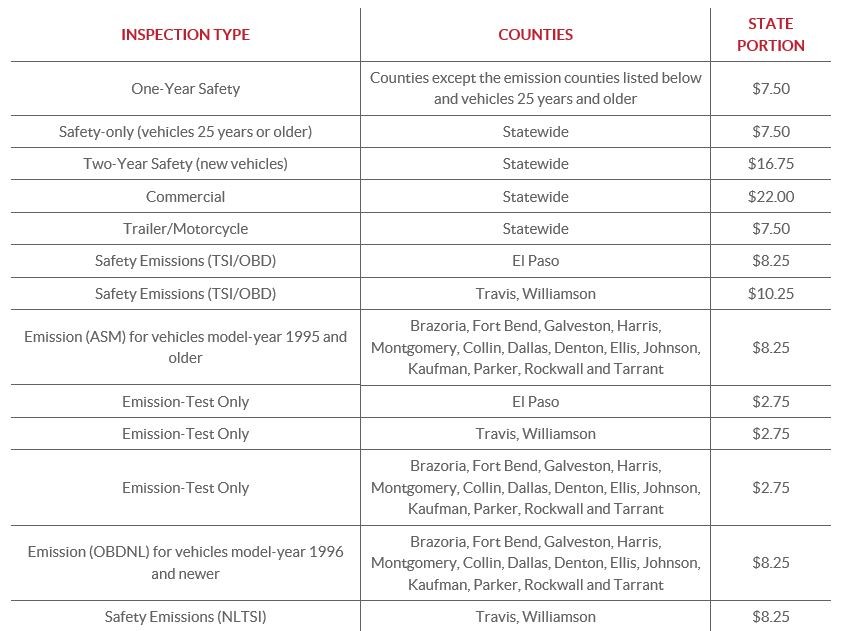
The second part, for vehicles registered in the 17 most populous counties of Texas (which include major hubs like Houston, Dallas, San Antonio, Austin, and Fort Worth), is the emissions test. This test, often referred to as the “Emissions Check” or “OBD-II test,” uses a computer diagnostic system to check the vehicle’s onboard emissions control systems. For newer vehicles, this is a non-invasive process that reads data directly from the vehicle’s computer. Older vehicles might undergo a tailpipe emissions test.
What Happens If Your Vehicle Fails?
If your vehicle fails either the safety or emissions portion of the inspection, you will not receive an inspection certificate (often called an “inspection sticker” or “decal”). You will be given a report detailing the reasons for failure. You have 60 days to make the necessary repairs and have your vehicle re-inspected. If you are in one of the emissions counties, you are allowed to drive with an expired inspection certificate for these 60 days. If you fail to pass within this timeframe, you will need to get a new inspection.
The Inspection Certificate (Decal)
Upon successful completion of both the safety and emissions inspections (if applicable), your vehicle will receive a state-issued inspection certificate or decal. This decal is typically affixed to the lower corner of your windshield. In Texas, the inspection certificate is combined with your vehicle registration. This means that when you renew your vehicle registration, you must have a valid inspection certificate. Failure to present a valid inspection certificate at registration renewal can result in penalties and the inability to complete the registration process.
The Cost of a Texas State Inspection
The cost of a Texas state inspection is regulated by the state, but there are some variables that can affect the final price. This standardization ensures that all drivers face similar expenses, making budgeting more predictable.
Standard Inspection Fees
The Texas Department of Licensing and Regulation (TDLR) sets the maximum allowable fees for state inspections. As of the latest regulations, the maximum fee for a standard safety inspection is $25.50.
For vehicles requiring both a safety inspection and an emissions test (in the 17 designated counties), the total maximum fee is $40.50. This includes the $25.50 for the safety inspection and a maximum of $15.00 for the emissions test.
It is important to note that these are maximum fees. Many inspection stations may charge less than the maximum allowable amount. However, you are unlikely to find stations charging significantly more than these regulated prices.
Factors Influencing the Final Price
While the state sets maximums, a few factors can influence where you fall within that range or if there are additional considerations:
- Location of Inspection Station: While prices are regulated, some stations in higher-cost-of-living areas or in very busy urban centers like the heart of Dallas or Houston might charge closer to the maximum. Conversely, stations in smaller towns or those looking to attract more business might offer slightly lower prices.
- Type of Vehicle: For standard passenger vehicles (cars, light trucks), the fees are as outlined above. However, some specialized vehicles might have different fee structures, though this is less common for everyday travel.
- Bundling with Other Services: Some repair shops or auto service centers might offer a discounted price for the state inspection if you purchase other services, such as an oil change or tire rotation. This is a common marketing tactic, and it’s worth inquiring about if you plan to have other maintenance done.
- Re-inspection Fees: If your vehicle fails the initial inspection, most stations will not charge for a re-inspection within the 60-day grace period, provided the same station performs the re-inspection and the same technician performs the re-test. However, if you take your vehicle to a different station for re-inspection, you will likely have to pay the full inspection fee again.
What About Inspections Outside of Texas?
If you are a Texas resident whose vehicle is currently registered in Texas but you are traveling or temporarily residing outside the state, you will still need to obtain a Texas state inspection. You cannot get a Texas state inspection in another state. You must bring your vehicle back to Texas to an authorized inspection station. This is a critical point for those planning extended trips or temporary relocations, as it requires planning to ensure compliance upon return or before registration renewal.
Finding an Authorized Inspection Station
In Texas, only licensed inspection stations are authorized to perform state inspections. These stations are typically auto repair shops, dealerships, or specialized inspection centers. You can easily identify them by a blue and yellow sign that reads “Official Texas State Inspection Station.”
How to Locate a Station
- Online Search: The Texas Department of Public Safety (DPS) website provides resources to help you find authorized inspection stations in your area. A quick search for “Texas DPS inspection station locator” will lead you to these tools.
- Word of Mouth: Asking friends, family, or colleagues for recommendations can also be a reliable method. Many people have their preferred local mechanic or service center where they have consistently received good service.
- Signage: As mentioned, the distinctive blue and yellow sign is your primary indicator when driving around.
Choosing a Station Wisely
While the cost is regulated, the quality of service can vary. Consider the following when choosing a station:
- Reputation: Look for stations with good online reviews or a solid reputation within the community.
- Efficiency: Some stations are known for being quicker than others. If you are on a tight schedule, it might be worth inquiring about wait times.
- Transparency: A good inspection station will clearly explain any issues found with your vehicle and provide you with a detailed report if it fails.
The Importance of State Inspections for Travelers
For those who frequently travel, whether for business or leisure, the state inspection is more than just a legal formality; it’s a vital component of ensuring a safe and reliable journey. A vehicle that passes its inspection is less likely to experience unexpected breakdowns or safety issues on the road, which can be particularly problematic when far from home or when trying to stick to a tight itinerary.
Peace of Mind on the Road
Imagine embarking on a road trip from Houston to Big Bend National Park or a drive through the scenic Texas Hill Country. The last thing you want is for your vehicle to falter in a remote area. A recent state inspection provides a level of assurance that essential safety features are in good working order, minimizing the risk of such disruptions. This peace of mind is invaluable, allowing you to focus on enjoying the experience and reaching your destination without undue stress.
Maintaining Vehicle Value and Longevity
Regular state inspections, by identifying potential issues early, can contribute to the overall longevity and resale value of your vehicle. Addressing minor problems before they escalate into major repairs is always more cost-effective in the long run. This proactive approach to vehicle maintenance is particularly relevant for those who use their vehicles extensively for travel, whether it’s commuting to a different city for work or planning a cross-country adventure.

Compliance and Registration Renewal
As previously noted, the Texas inspection certificate is tied to your vehicle registration. Failing to have a valid inspection can prevent you from renewing your registration, which can lead to fines and other legal complications if you are caught driving an unregistered vehicle. For frequent travelers, ensuring that this is up-to-date simplifies the administrative aspects of vehicle ownership, allowing you to concentrate on the more enjoyable aspects of travel. It’s a small but essential step in keeping your travel plans on track and compliant with all regulations.
In conclusion, the cost of a Texas state inspection is a predictable expense, with regulated maximums ensuring affordability. While the exact price may vary slightly, understanding the fee structure and the importance of this annual check-up is crucial for all vehicle owners, especially those who rely on their cars for extensive travel across Texas and beyond.
LifeOutOfTheBox is a participant in the Amazon Services LLC Associates Program, an affiliate advertising program designed to provide a means for sites to earn advertising fees by advertising and linking to Amazon.com. Amazon, the Amazon logo, AmazonSupply, and the AmazonSupply logo are trademarks of Amazon.com, Inc. or its affiliates. As an Amazon Associate we earn affiliate commissions from qualifying purchases.