
Embarking on a journey from the dazzling lights of Las Vegas to the otherworldly hoodoos of Bryce Canyon National Park is a popular choice for travelers seeking a stark yet beautiful contrast in scenery. The question of “how far” is not merely about mileage but encompasses the time, the route, and the experiences that lie between these two iconic American destinations. Understanding this distance is key to planning an efficient and enjoyable road trip.
The most direct driving route between Las Vegas and Bryce Canyon National Park is approximately 260 miles (416 kilometers). This distance translates to an estimated driving time of about 4 to 4.5 hours, without factoring in any stops for fuel, food, or sightseeing. It’s important to note that this is a guideline, and actual travel time can vary based on traffic conditions, road construction, and the speed at which you choose to travel.
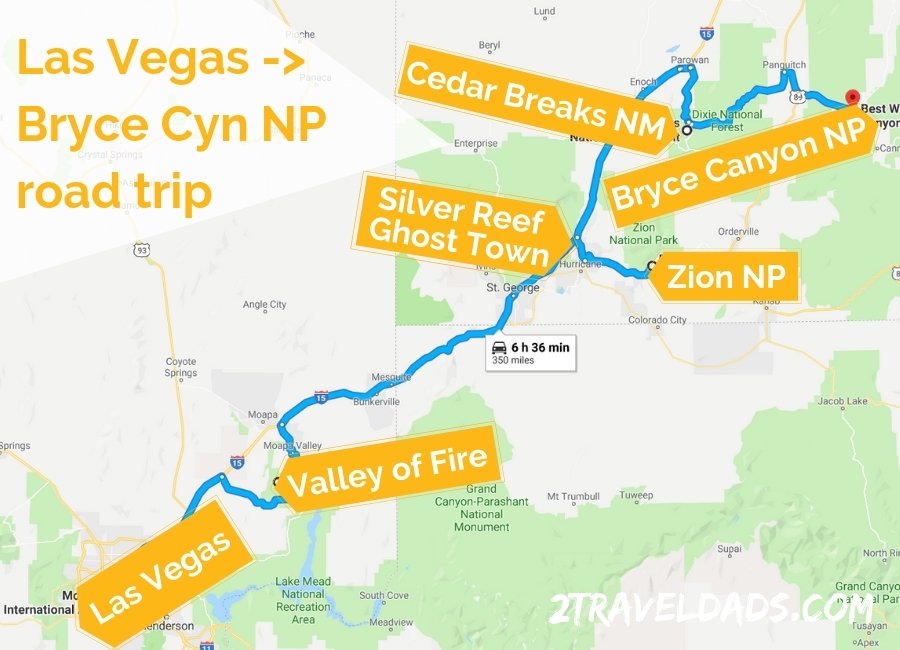
Planning Your Drive: Routes and Considerations
Several routes can take you from the Nevada desert to the Utah high country, each offering a slightly different perspective and set of potential detours. The most common and straightforward route involves heading northeast out of Las Vegas.
The Primary Route: A Scenic Progression
The most frequently recommended path begins by taking US-93 North out of Las Vegas, which quickly merges into I-15 North. This interstate will be your companion for a significant portion of the journey. You will drive through the expansive desert landscapes of Nevada before crossing into Arizona for a brief stretch, passing near the Virgin River Gorge.
The next crucial turn is onto UT-9 East towards St. George, Utah. This section offers a glimpse into the red rock country that characterizes southern Utah. After passing through St. George, you’ll continue on UT-9 East. This road is known for its scenic beauty, particularly as it winds through Zion National Park. While this stretch adds a bit of time due to the lower speed limits and potential for traffic within the park, it is an incredibly rewarding scenic drive. Drivers have the option of passing through Zion Canyon (requiring a shuttle during peak season) or taking the Zion-Mount Carmel Tunnel, which offers spectacular views.
Upon exiting the eastern side of Zion National Park, you will continue on UT-9 East for a short distance before connecting with US-89 North. Follow US-89 North for approximately 50 miles. This segment of the journey takes you through picturesque rural Utah, passing through towns like Kanab and Panguitch. The landscape gradually shifts, becoming more open and alpine as you gain elevation.
Finally, you will turn east onto UT-12 East, a designated All-American Road and one of America‘s most scenic byways. This final leg of the drive is approximately 12 miles and leads directly to the southern entrance of Bryce Canyon National Park. The UT-12 stretch is a marvel of engineering and natural beauty, offering breathtaking vistas even before you reach the park’s iconic amphitheaters.
Alternative Routes and Considerations
While the primary route is popular for its blend of efficiency and scenic beauty, other options exist, though they are generally longer or more time-consuming.
-
A More Direct, Less Scenic Route: For those prioritizing speed above all else, one could bypass UT-9 East through Zion and instead continue on I-15 North further into Utah. From I-15, you would then take US-20 East towards Vernal, eventually connecting with US-89 South. This route avoids the winding roads and potential delays within Zion National Park but misses out on one of the region’s most spectacular natural wonders. This option is generally not recommended for travelers making the trip specifically to experience the grandeur of Utah‘s National Parks.
-
The Loneliest Road (US-50): While not a direct route, for the truly adventurous seeking a more remote experience, one could consider a route involving US-50, often referred to as “The Loneliest Road in America.” This would involve taking US-93 North from Las Vegas to Ely, Nevada, and then heading east. This route adds significant mileage and time and would require careful planning for fuel and services. It is not a practical option for reaching Bryce Canyon National Park directly from Las Vegas in a timely manner.
Factors Influencing Travel Time
Beyond the raw mileage, several factors can significantly impact the time it takes to travel from Las Vegas to Bryce Canyon National Park.
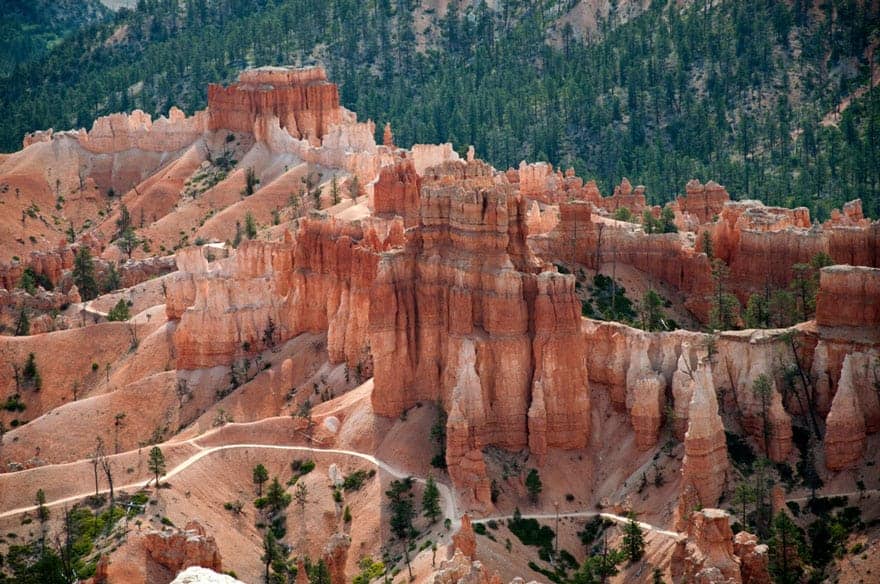
Time of Year and Weather Conditions
The season plays a crucial role. Summer (June-August) often brings pleasant weather, but also the highest visitor numbers, which can lead to traffic congestion, especially within Zion National Park. Spring (April-May) and Fall (September-October) generally offer milder temperatures and fewer crowds, making for a more relaxed drive. Winter (November-March) can bring snow and ice to higher elevations, particularly along UT-12 and within Bryce Canyon itself. Road closures due to weather are possible, and chains or snow tires may be necessary. Always check weather and road conditions before departing, especially during the shoulder and winter seasons.
Day of the Week and Time of Day
Weekends and holidays will naturally see more traffic on the roads, particularly on I-15 and the scenic routes through Southern Utah. Starting your journey early in the morning from Las Vegas is highly recommended to avoid rush hour traffic leaving the city and to maximize your daylight hours for sightseeing. Arriving at Bryce Canyon earlier in the day also allows for more exploration time before sunset.
Stops and Sightseeing
The 4 to 4.5-hour driving estimate is for direct travel. Most travelers undertaking this journey are doing so to experience the natural beauty of Utah. This means that stops for photos, short hikes, meals, or simply to admire the changing scenery are almost inevitable. Popular stopping points along the route include:
- Valley of Fire State Park (Nevada): A slight detour off I-15, this park offers stunning red rock formations and is a fantastic place for a short exploration.
- St. George, Utah: A good place for a meal break or to refuel.
- Zion National Park: Even if not planning a full day, a drive through the canyon or a stop at an overlook is highly recommended.
- Kanab, Utah: Known as “Little Hollywood,” this town offers various dining and shopping options.
- Scenic Overlooks along UT-12: Numerous pull-offs provide unparalleled views of the surrounding landscape.
If you plan on incorporating significant stops, it is wise to allocate a full day for travel to Bryce Canyon National Park, especially if you are making it a multi-destination road trip.
Making the Most of Your Journey: Tips for Travelers
The drive from Las Vegas to Bryce Canyon National Park is more than just transportation; it’s an integral part of the travel experience. Here are some tips to ensure it’s a memorable one.
Preparation is Key
- Vehicle Check: Ensure your vehicle is in good condition. The drive involves significant mileage, and the desert heat in Nevada and the high elevation in Utah can put a strain on your car. Check tires, fluids, and brakes.
- Fuel: While there are gas stations in larger towns, it’s advisable to fill up your tank in Las Vegas or St. George, as services can be sparse in some stretches.
- Navigation: While GPS is widely available, having a physical map or downloaded offline maps is recommended, especially in areas with spotty cell service.
- Snacks and Water: Pack plenty of water and snacks, particularly if you plan on making spontaneous stops or if traveling during hotter months.
- Sun Protection: The sun can be intense at high altitudes. Bring sunscreen, hats, and sunglasses.
Embrace the Scenery
- Download Audiobooks or Podcasts: The long stretches of driving can be enhanced with engaging audio content.
- Create a Road Trip Playlist: Music can set the mood and make the miles fly by.
- Be Flexible: While planning is good, allow for spontaneity. If a particular viewpoint catches your eye, pull over and enjoy it. The beauty of this drive lies in its transition from one dramatic landscape to another.
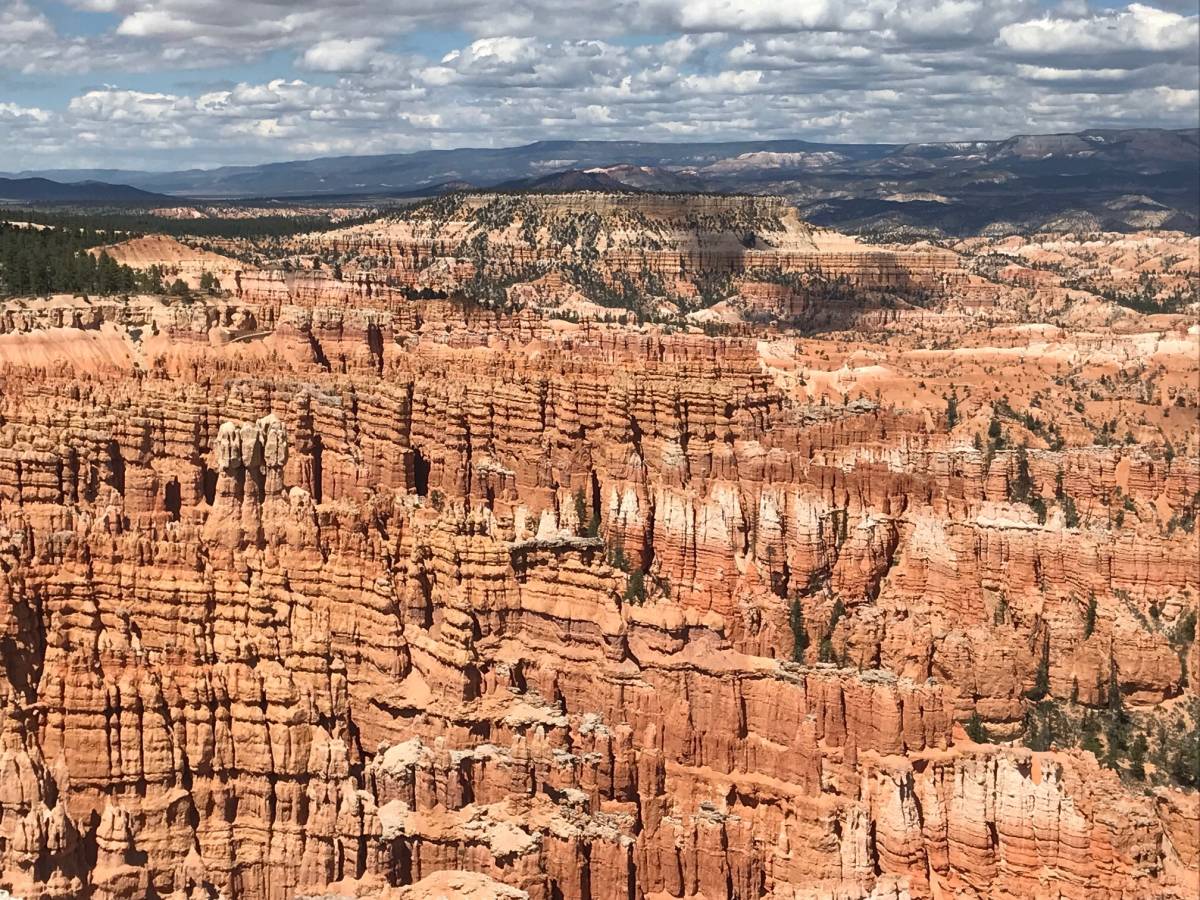
Entering Bryce Canyon National Park
As you approach Bryce Canyon National Park via UT-12, be prepared for the dramatic elevation gain. The entrance fee is per vehicle, and it’s advisable to purchase a park pass if you plan on visiting multiple National Parks within a year. Once inside the park, remember that the paved road leads to various viewpoints and trailheads. The distances between the main viewpoints are relatively short, but the winding roads and the awe-inspiring scale of the amphitheaters mean you’ll want to take your time.
Ultimately, the distance from Las Vegas to Bryce Canyon National Park is a manageable drive that opens up a world of natural wonder. By understanding the routes, potential delays, and preparing adequately, travelers can transform this segment of their trip into an unforgettable adventure.
LifeOutOfTheBox is a participant in the Amazon Services LLC Associates Program, an affiliate advertising program designed to provide a means for sites to earn advertising fees by advertising and linking to Amazon.com. Amazon, the Amazon logo, AmazonSupply, and the AmazonSupply logo are trademarks of Amazon.com, Inc. or its affiliates. As an Amazon Associate we earn affiliate commissions from qualifying purchases.