
Navigating the complexities of vehicle registration and maintenance in Texas can feel like a journey in itself, with various requirements designed to ensure compliance and environmental responsibility. Among these, the emissions testing program stands out as a crucial step for many vehicle owners. Understanding the cost associated with this necessary procedure is vital for budgeting and planning. This guide delves into the specifics of emissions testing fees in Texas, exploring the factors that influence the price, the exemptions that might apply, and what to expect when you head to an inspection station.
The Cost of Emissions Testing in Texas: Understanding the Standard Fee
For most vehicle owners in Texas, the cost of an emissions test is a set fee, part of the comprehensive state inspection program. This fee is designed to be accessible while covering the operational costs of the inspection stations and the state’s oversight of the program.
Standard Inspection Fee Structure
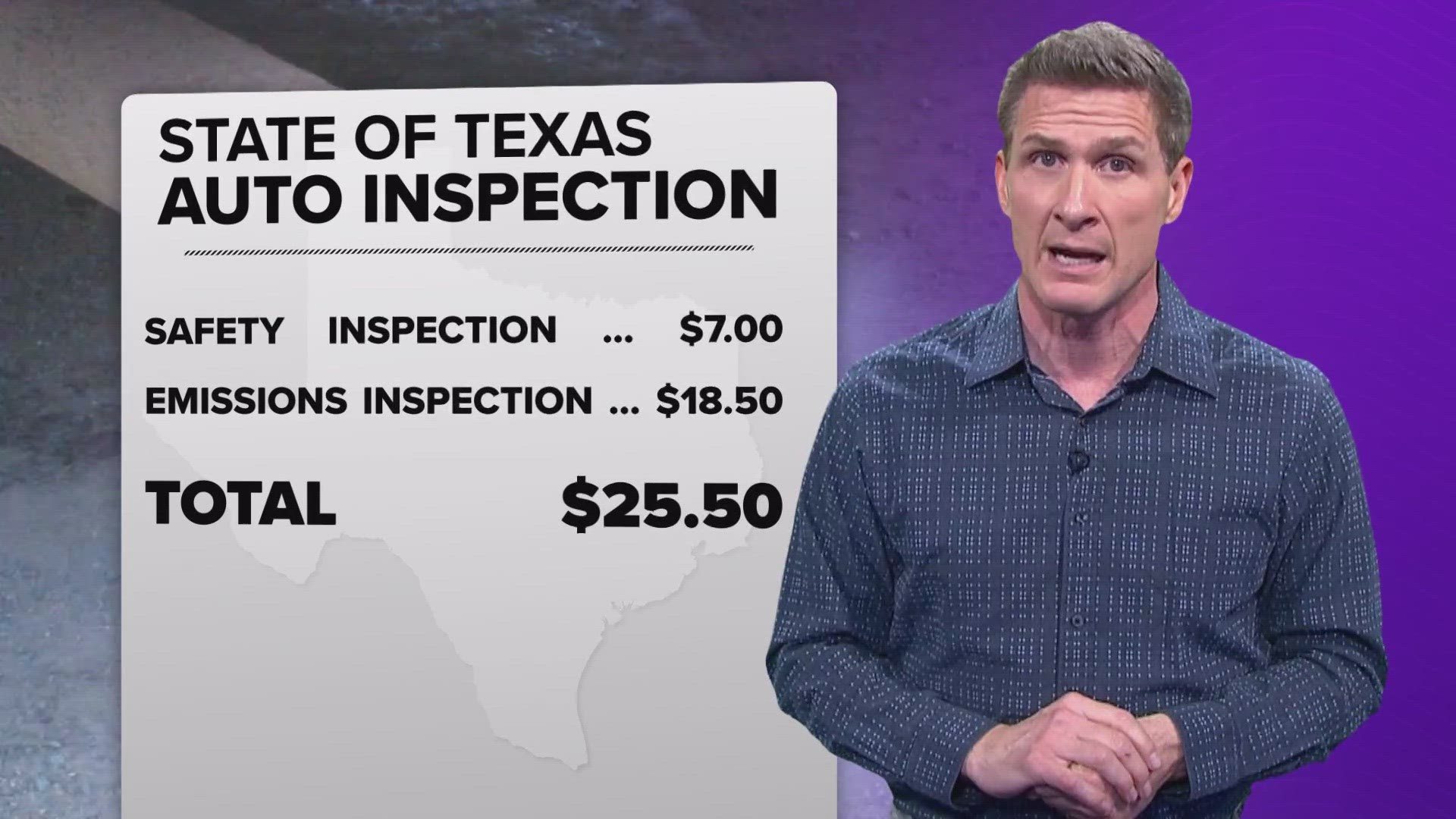
The state of Texas mandates a combined vehicle inspection that includes both safety and emissions testing for many vehicles. This integrated approach simplifies the process for drivers, consolidating two essential checks into a single appointment. The total fee for this combined inspection is regulated by the state.
-
Current Fee: As of recent regulations, the standard fee for a combined vehicle inspection, which includes the emissions test where applicable, is $30.50. This amount covers both the safety inspection and the emissions portion. It’s important to note that this fee is statutory and applies across all official inspection stations in the state.
-
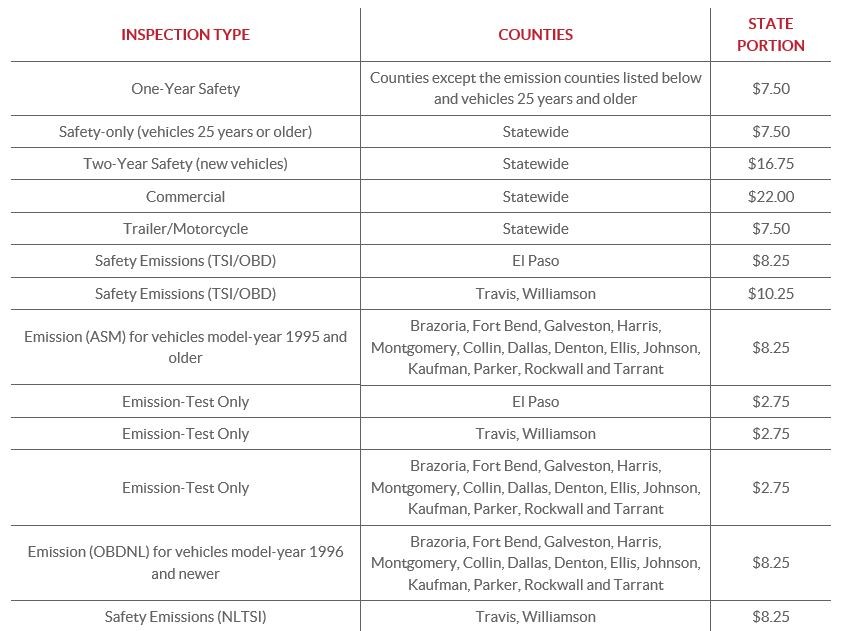
Breakdown of the Fee: While drivers pay a single consolidated fee, it’s understood that this covers the costs associated with the safety check (e.g., brakes, lights, tires) and the emissions test (e.g., exhaust system, catalytic converter functionality). The state allocates portions of this fee to the inspection station operators and for the administration and management of the inspection program.
-
Where the Fee Goes: The inspection station owner or operator receives a portion of the fee for providing the service, maintaining the equipment, and employing certified technicians. The remainder is remitted to the state government to fund the oversight and enforcement of the vehicle inspection program. This ensures that the program operates efficiently and effectively across Texas.
Payment and Transparency
Payment for the emissions test is typically made at the time of the inspection. Inspection stations are required to display the official fee schedule, ensuring transparency for consumers. Drivers should always confirm the total cost before authorizing the inspection to avoid any surprises.
Factors Influencing Emissions Test Costs and Requirements
While the standard fee is generally fixed, certain factors can influence whether an emissions test is required at all, and in some specific scenarios, the overall cost of the inspection. Understanding these nuances can help vehicle owners determine their specific obligations.
Geographic Location: Emissions Testing Areas
The requirement for an emissions test in Texas is not universal; it’s geographically specific. The state’s emissions inspection program is concentrated in the most populated and air-quality-sensitive metropolitan areas to address air pollution concerns effectively.
-
Designated Counties: Emissions testing is mandatory for vehicles registered in 17 counties that are part of the Texas Emissions Reduction Plan (TERP). These counties include:
- Brazoria
- Collin
- Dallas
- Denton
- El Paso
- Fort Bend
- Galveston
- Harris
- Johnson
- Kaufman
- Liberty
- Montague
- Montgomery
- Pasadena (City)
- Rockwall
- Tarrant
- Travis
- Waller
- Wise
-
Exempt Counties: Vehicles registered in counties outside of these designated areas are typically only required to undergo a safety inspection and are exempt from the emissions test. This significantly impacts the total inspection cost for residents in rural or less populated regions of Texas.
-
Impact on Cost: If your vehicle is registered in a county that does not require an emissions test, your inspection fee will be lower. The safety-only inspection fee is $15.00. Therefore, the distinction in county of registration is the primary driver of the difference in total inspection cost between areas requiring emissions testing and those that do not.
Vehicle Age and Type
The age of a vehicle plays a significant role in determining its emissions testing requirements. Newer vehicles often have advanced onboard diagnostic systems that can self-monitor their emissions.
-
Newer Vehicles: Generally, vehicles that are six model years old or newer are exempt from the emissions testing portion of the inspection. This is because modern vehicles are equipped with sophisticated Engine Control Units (ECUs) that continuously monitor emissions control systems. The state assumes that if the vehicle’s onboard diagnostics system indicates no emissions-related problems, the vehicle is compliant.
-
Older Vehicles: Vehicles that are seven model years old or older, and registered in designated emissions testing counties, are subject to the full emissions inspection.
-
Exempt Vehicle Types: Certain types of vehicles are exempt from emissions testing regardless of age or location. These typically include:
- Motorcycles
- Vehicles powered by electricity, propane, natural gas, or hydrogen.
- Vehicles weighing over 26,000 pounds Gross Vehicle Weight Rating (GVWR).
- Motorhomes and RVs.
- Vehicles used exclusively for off-highway purposes.
- Vehicles that are at least 25 model years old (as of January 1 of the current year). For example, a 1998 vehicle would become exempt in 2023.
Special Circumstances and Re-inspections
Occasionally, a vehicle may fail its emissions test, leading to additional costs and a need for re-inspection.
-
Failure and Repairs: If a vehicle fails the emissions test, it will not pass the state inspection. The driver is then responsible for having the necessary repairs made to bring the vehicle into compliance. The cost of these repairs can vary widely depending on the issue.
-
Re-inspection Fees: Once repairs are completed, the vehicle must be re-inspected. The initial inspection fee of $30.50 covers one safety and one emissions test. If the vehicle fails the emissions portion, there is typically no additional charge for the initial re-inspection at the same station, provided it is performed within a specified timeframe (usually 60 days). However, if the vehicle requires further repairs and needs another re-inspection beyond the initial grace period, or if it is taken to a different station, additional inspection fees may apply. It is crucial to check the specific station’s policy and state regulations regarding re-inspections.
- “Passed” Emissions Test with a Repair Waiver: In some limited cases, a vehicle might be eligible for a waiver even if it fails the emissions test. This waiver is typically granted if the owner has spent a certain amount of money on emissions-related repairs and the vehicle still fails. The state sets a threshold for repair costs (known as the “waiver limit”) that must be met. If a waiver is granted, the owner pays the inspection fee, and the vehicle is considered compliant for registration purposes, even with elevated emissions. The waiver limit is subject to change by the legislature.
The Emissions Testing Process: What to Expect
Understanding the emissions testing procedure itself can alleviate any anxieties associated with the process and help ensure a smooth experience. The test is designed to be efficient and non-invasive.
Steps of the Emissions Inspection
When you take your vehicle for an inspection in Texas, the process typically involves the following steps:
-
Check-in and Paperwork: You will provide your vehicle registration or license plate information. The technician will verify your vehicle’s make, model, and year.
-
Safety Inspection: The technician will perform a visual inspection of various safety components, including lights, brakes, horn, windshield wipers, mirrors, tires, seat belts, and the steering wheel.
-
Emissions Test Connection: For vehicles requiring an emissions test, the technician will connect a diagnostic tool to the vehicle’s On-Board Diagnostics (OBD-II) port, usually located under the dashboard.
-
OBD-II Scan: The system reads data from the vehicle’s computer, checking for any diagnostic trouble codes (DTCs) related to emissions control systems. This is the primary method for testing newer vehicles.
-
Exhaust Gas Analysis (for older vehicles): For older vehicles that may not have a fully compliant OBD-II system, a probe may be inserted into the tailpipe to measure the levels of pollutants such as carbon monoxide, hydrocarbons, and oxides of nitrogen. This method is becoming less common as vehicle technology advances.
-
Review and Results: The technician will review the results. If all components pass, you will receive a passing certificate (often integrated into the inspection report). If the vehicle fails, you will receive a report detailing the failed components.
Obtaining an Inspection Certificate
Upon successfully passing both the safety and emissions inspection (if applicable), you will receive an official Vehicle Inspection Report (VIR). This report serves as proof of passing and is required for vehicle registration renewal. The inspection station will electronically transmit the passing status to the Texas Department of Public Safety (DPS).
-
Proof of Inspection: Keep your VIR in a safe place. You will need it when you go to renew your vehicle registration with the Texas Department of Motor Vehicles (DMV).
-
Online Verification: In some cases, you may be able to verify your inspection status online through the Texas Department of Public Safety’s website.
Tips for a Successful Emissions Test
To ensure your vehicle passes its emissions test with flying colors and to avoid unnecessary expenses, consider these proactive tips:
Pre-Inspection Checks and Maintenance
Regular maintenance is key to ensuring your vehicle operates efficiently and meets emissions standards.
- Check Engine Light: If your “Check Engine” light is illuminated, address it immediately. This light indicates a problem that will likely cause your vehicle to fail the emissions test.
- Routine Maintenance: Keep up with regular oil changes, air filter replacements, and tune-ups as recommended by your vehicle manufacturer. A well-maintained engine burns fuel more efficiently and produces fewer emissions.
- Tire Pressure: Ensure your tires are properly inflated. Underinflated tires can increase fuel consumption and emissions.
- Catalytic Converter: If your vehicle is older, ensure the catalytic converter is functioning correctly. This is a critical component for reducing harmful emissions.
Driving Habits and Fuel
Certain driving habits and the type of fuel used can also impact emissions.
- Warm-Up Period: For vehicles that rely on exhaust gas analysis, driving the vehicle for at least 15-20 minutes before the inspection to allow the engine and catalytic converter to reach optimal operating temperature can be beneficial. This ensures the emissions control systems are functioning as intended.
- Fuel Quality: While not always a direct cause of failure, using quality fuel from reputable stations can contribute to better engine performance and potentially lower emissions.
Knowing Your Vehicle’s Status
Being informed about your vehicle’s specific requirements can save you time and money.
-
Confirm Requirements: Before heading to an inspection station, confirm whether your vehicle requires an emissions test based on its age and your county of registration. You can usually find this information on the Texas Department of Public Safety or Texas Commission on Environmental Quality (TCEQ) websites.
-
Choose a Reputable Station: Opt for licensed and reputable inspection stations. These stations are regularly audited by the state to ensure they are following correct procedures.
By understanding the cost, requirements, and process, Texas vehicle owners can navigate the emissions testing process efficiently, ensuring their vehicles are compliant and contributing to a cleaner environment across the Lone Star State.
LifeOutOfTheBox is a participant in the Amazon Services LLC Associates Program, an affiliate advertising program designed to provide a means for sites to earn advertising fees by advertising and linking to Amazon.com. Amazon, the Amazon logo, AmazonSupply, and the AmazonSupply logo are trademarks of Amazon.com, Inc. or its affiliates. As an Amazon Associate we earn affiliate commissions from qualifying purchases.