
Living in California, the Golden State, offers a unique lifestyle filled with diverse landscapes, vibrant cities like Los Angeles and San Francisco, and an emphasis on outdoor living. However, for many pet enthusiasts considering a move or already residing in California, a surprising legal restriction often comes to light: the state’s prohibition on owning ferrets. This long-standing ban has significant implications for individuals who view these playful, intelligent creatures as ideal companions, shaping lifestyle choices and sometimes leading to difficult decisions for ferret owners relocating to the state. Understanding the nuances of this law is crucial for anyone navigating pet ownership within California’s regulatory framework.
The Legal Landscape of Ferret Ownership in California
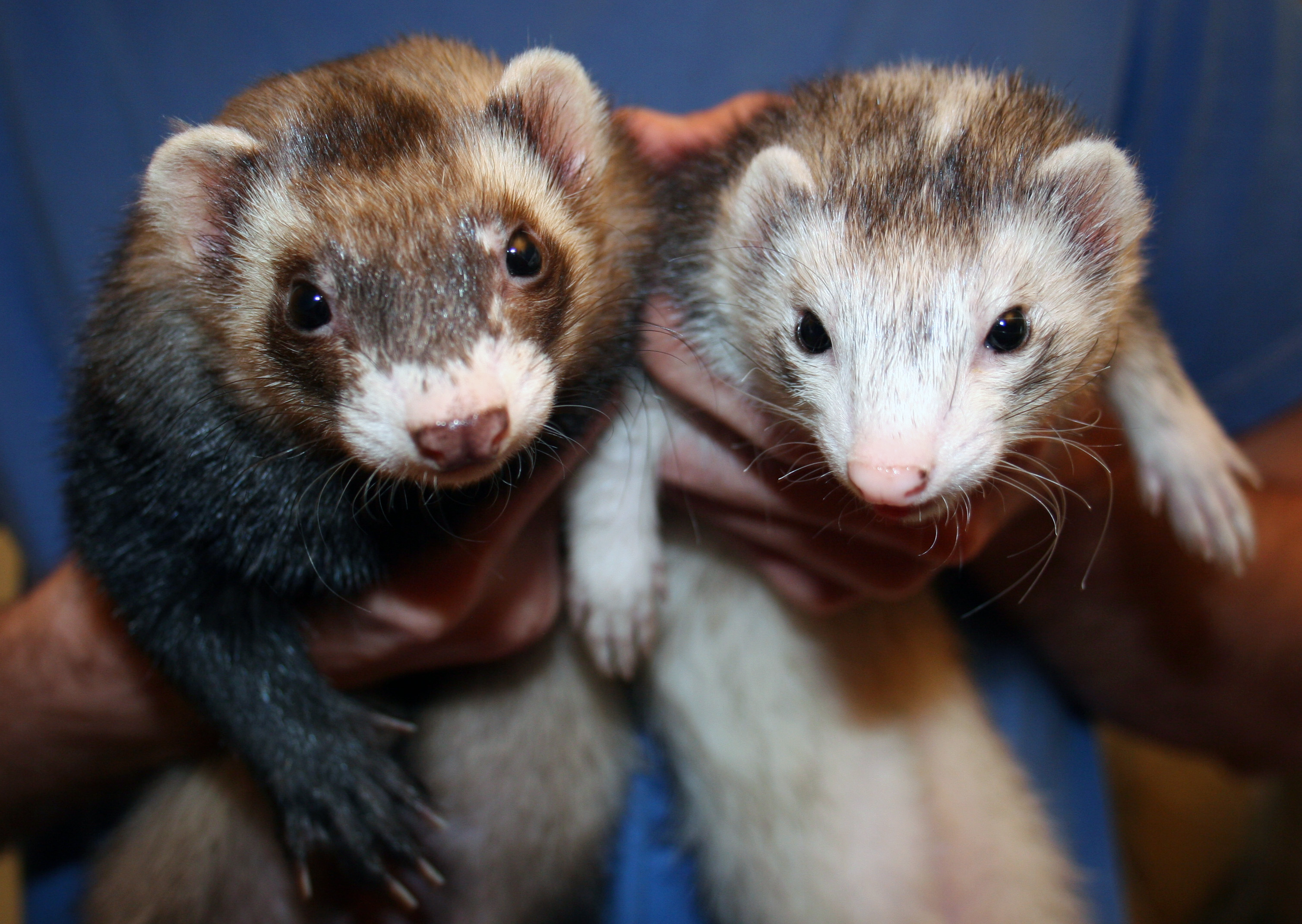
California stands out as one of the few states in the United States where ferrets are explicitly banned as pets. This prohibition is not an oversight but a deliberate policy embedded within the state’s Fish and Game Code. Unlike many other states that permit ferret ownership with few restrictions, California classifies ferrets as “nongame mammals” and wild animals, making their import, transportation, or possession illegal without a special permit, which is rarely granted for personal pet ownership.
A Long-Standing Prohibition
The ban on ferrets in California dates back several decades. It’s rooted in a proactive approach to protect the state’s unique biodiversity and agricultural interests. Over the years, various groups have attempted to challenge this prohibition, citing the domestic nature of most pet ferrets and the lack of scientific evidence supporting significant ecological threats. Despite these efforts, legislative attempts to legalize ferrets have consistently failed to gain traction, leaving the ban firmly in place. This persistence reflects a deep-seated caution within state regulatory bodies regarding potential environmental and agricultural risks, even in the face of widespread domestic pet ownership in other parts of the country.
Why the Ban? The Department of Fish and Wildlife’s Stance
The primary authority behind the ferret ban is the California Department of Fish and Wildlife (CDFW). Their stance is primarily based on ecological concerns and potential public health risks. The CDFW views ferrets as non-native species that, if introduced into the wild, could pose a significant threat to native wildlife populations. Their arguments hinge on several key points:
- Threat to Native Wildlife: Ferrets are natural predators with a high prey drive. The CDFW fears that escaped or intentionally released ferrets could establish wild populations, preying on California’s vulnerable ground-nesting birds, small mammals, and reptiles. The state is home to numerous endangered and threatened species, making biodiversity protection a top priority.
- Competition with Native Species: Beyond direct predation, ferrets could compete with native carnivores, such as weasels and skunks, for food and habitat, disrupting the delicate ecological balance.
- Disease Transmission: There are concerns that ferrets could carry and transmit diseases like rabies, canine distemper, and tuberculosis to native wildlife, domestic animals, or even humans. While vaccinations exist for some of these diseases in pet ferrets, the risk of transmission from wild or feral populations is a significant worry for public health and wildlife officials.
- Agricultural Damage: In some scenarios, a feral ferret population could potentially cause damage to agricultural crops or livestock, although this concern is often secondary to wildlife protection.
These concerns, though sometimes debated by ferret advocates, form the bedrock of California’s strict policy.
Implications for California Residents and Potential Movers
For individuals passionate about ferrets, California’s ban presents a significant hurdle. It directly impacts lifestyle choices, particularly for those considering relocation to the state or current residents who might unknowingly acquire a ferret. The legal ramifications are severe and underscore the state’s commitment to enforcing this prohibition.
Legal Risks and Consequences
Owning a ferret in California is not merely a civil infraction; it is a criminal offense. Individuals found in possession of a ferret can face various penalties, including:
- Fines: Significant monetary fines can be levied, often ranging from hundreds to thousands of dollars.
- Confiscation: The ferret will be confiscated by animal control or fish and wildlife authorities. These animals are typically euthanized if they cannot be transported to a legal state, as California facilities are not equipped or permitted to house them.
- Misdemeanor Charges: In more severe or repeated cases, individuals could face misdemeanor charges, potentially leading to jail time.
- Costs of Seizure: Owners may also be responsible for the costs associated with the seizure and housing of the animal.
These stringent consequences highlight the seriousness with which California treats the illegal possession of restricted animals. For those moving to California from a state where ferrets are legal, this poses a substantial challenge, often forcing them to rehome their beloved pets before moving.
The Lifestyle Impact on Pet Lovers
The ban profoundly affects the lifestyle of animal enthusiasts. For ferret owners, it means a difficult choice between their pet and a move to California. Many choose not to move, or they seek alternatives in neighboring states. For prospective ferret owners within California, the dream of sharing their home with these energetic companions remains unrealized, leading to a sense of frustration and injustice.
This restriction also extends to tourism and temporary stays. Visitors cannot bring their ferrets into California, meaning travel plans must accommodate this unique state law. Pet-friendly accommodations and activities in California generally exclude ferrets, unlike dogs or cats, further narrowing options for those traveling with diverse animal companions. The overall impact is a limitation on personal freedom and choice for a segment of the pet-owning population.
Understanding the Scientific and Ecological Concerns

While ferret advocates often argue that domestic ferrets pose minimal risk, the scientific and ecological concerns raised by the CDFW are rooted in broader principles of wildlife management and conservation. California’s unique biodiversity makes it particularly sensitive to the introduction of non-native species.
Native Wildlife Protection
California is a biodiversity hotspot, boasting a vast array of unique ecosystems and endemic species. The state is home to many sensitive wildlife populations, including the California Least Tern, San Joaquin Kit Fox, and various species of ground squirrels, all of which could be vulnerable to predation by feral ferrets. Even a small, localized population of escaped ferrets could have disproportionately negative impacts, especially in sensitive coastal or desert environments where native species are already struggling due to habitat loss and other human-induced pressures. The precautionary principle often guides wildlife management in such vulnerable areas, dictating that it’s better to prevent a potential threat than to try and mitigate its effects after the fact.
Disease Transmission Risks
The concern about disease transmission is another critical component of the CDFW’s position. While pet ferrets can be vaccinated against rabies and distemper, the possibility of an unvaccinated ferret escaping and interacting with wild animals or transmitting diseases to other domestic animals is a real threat. Ferrets are susceptible to canine distemper, a highly contagious and often fatal viral disease that could decimate populations of native carnivores like raccoons, skunks, and foxes, disrupting the food chain and overall ecosystem health. Although relatively low, the risk of rabies transmission from a ferret bite to humans is also a public health concern, especially given the difficulty of tracking and vaccinating an escaped animal.
Advocacy Efforts and the Future of Ferrets in the Golden State
Despite the steadfast prohibition, efforts to legalize ferrets in California have been ongoing for decades, driven by passionate pet owners and animal welfare advocates. These campaigns highlight the dedicated community eager to welcome ferrets into their California homes.
Past Attempts at Legalization
Throughout the 1990s and early 2000s, organizations like the California Domestic Ferret Association (CDFA) mounted significant campaigns, including legislative lobbying, public awareness drives, and even lawsuits, to challenge the ban. Petitions garnered thousands of signatures, and various bills were introduced in the California State Legislature aiming to reclassify ferrets as domestic animals. These efforts typically argued that domestic ferrets are distinct from their wild ancestors, similar to dogs and cats, and pose no greater risk than other permitted pets. They also pointed to the successful regulation of ferret ownership in the vast majority of other U.S. states.
Despite these concerted efforts, every attempt to legalize ferrets has ultimately failed. The strong opposition from environmental groups, agricultural interests, and the CDFW has consistently swayed lawmakers, emphasizing the perceived risks over the arguments for pet ownership rights.
Ongoing Debates and Pet Owner Perspectives
The debate continues to smolder, even if major legislative pushes have subsided. Pet owners and advocates often feel their concerns are overlooked, arguing that responsible ownership, licensing, and mandatory vaccinations could mitigate most of the risks cited by the state. They highlight the emotional benefits of pet ownership, the relatively short lifespan of ferrets (5-10 years), and the often docile nature of well-socialized individuals. Many believe the ban is outdated and based on exaggerated fears rather than current scientific understanding of domestic ferrets.
For now, the legal status of ferrets in California remains unchanged. While the possibility of future legislative changes cannot be entirely ruled out, the current political and environmental climate in California suggests that the ban is likely to remain in place for the foreseeable future, continuing to shape the lifestyle choices of pet lovers across the state.
Alternatives for Pet Enthusiasts in California
While ferrets may be off-limits, California still offers a wide array of fascinating and legal small mammals that can bring joy and companionship to residents. For those seeking alternatives, exploring different species can lead to equally rewarding pet ownership experiences.
Other Small Mammals as Companions
For individuals in California who appreciate the charm of small, active pets, numerous legal options exist. Popular choices include:
- Rabbits: Known for their gentle nature and unique personalities, rabbits can be wonderfully affectionate pets. They require dedicated care, including a spacious enclosure, a specific diet, and regular veterinary check-ups.
- Guinea Pigs: These vocal rodents are social creatures that thrive on interaction. They are relatively easy to care for and make excellent pets for families or individuals looking for a low-maintenance companion.
- Rats and Mice: Highly intelligent and trainable, rats are often underestimated as pets. They form strong bonds with their owners and enjoy interactive play. Mice are smaller and equally curious, though often shyer.
- Hamsters and Gerbils: These burrowing rodents are popular for their compact size and entertaining antics, making them suitable for smaller living spaces.
- Chinchillas: With their incredibly soft fur and playful demeanor, chinchillas are a unique choice, though they require specific environmental conditions, particularly regarding temperature and dust baths.
Each of these species offers a distinct personality and set of care requirements, allowing prospective pet owners to find a companion that perfectly fits their lifestyle and living situation within California’s legal framework.

Supporting Ferret Welfare Outside California
For those whose hearts are set on ferrets but are committed to living in California, supporting ferret welfare organizations in legal states can be a meaningful way to engage with the ferret community. Many rescues and sanctuaries in neighboring states like Arizona or Nevada are dedicated to the care and rehoming of ferrets. Volunteering, fostering (if feasible from a legal state), or donating to these organizations allows individuals to contribute to the well-being of ferrets without violating California law. This indirect engagement can provide a sense of connection to these beloved animals while respecting the state’s specific regulations.
LifeOutOfTheBox is a participant in the Amazon Services LLC Associates Program, an affiliate advertising program designed to provide a means for sites to earn advertising fees by advertising and linking to Amazon.com. Amazon, the Amazon logo, AmazonSupply, and the AmazonSupply logo are trademarks of Amazon.com, Inc. or its affiliates. As an Amazon Associate we earn affiliate commissions from qualifying purchases.