
The iconic, melt-in-your-mouth rolls served at Texas Roadhouse are a culinary cornerstone of the popular American steakhouse chain. For many patrons, the allure of a Texas Roadhouse meal begins not with the perfectly grilled sirloin or the loaded baked potato, but with the warm, sweet, and slightly yeasty aroma of these signature rolls arriving at the table, accompanied by a generous dollop of cinnamon butter. This seemingly simple offering has elevated the humble bread basket into a must-have experience, prompting many to inquire about their availability and, of course, their cost. While the primary purpose of these rolls is to complement the dining experience within the restaurant, understanding their place in the broader context of food and local culture is key to appreciating their significance.
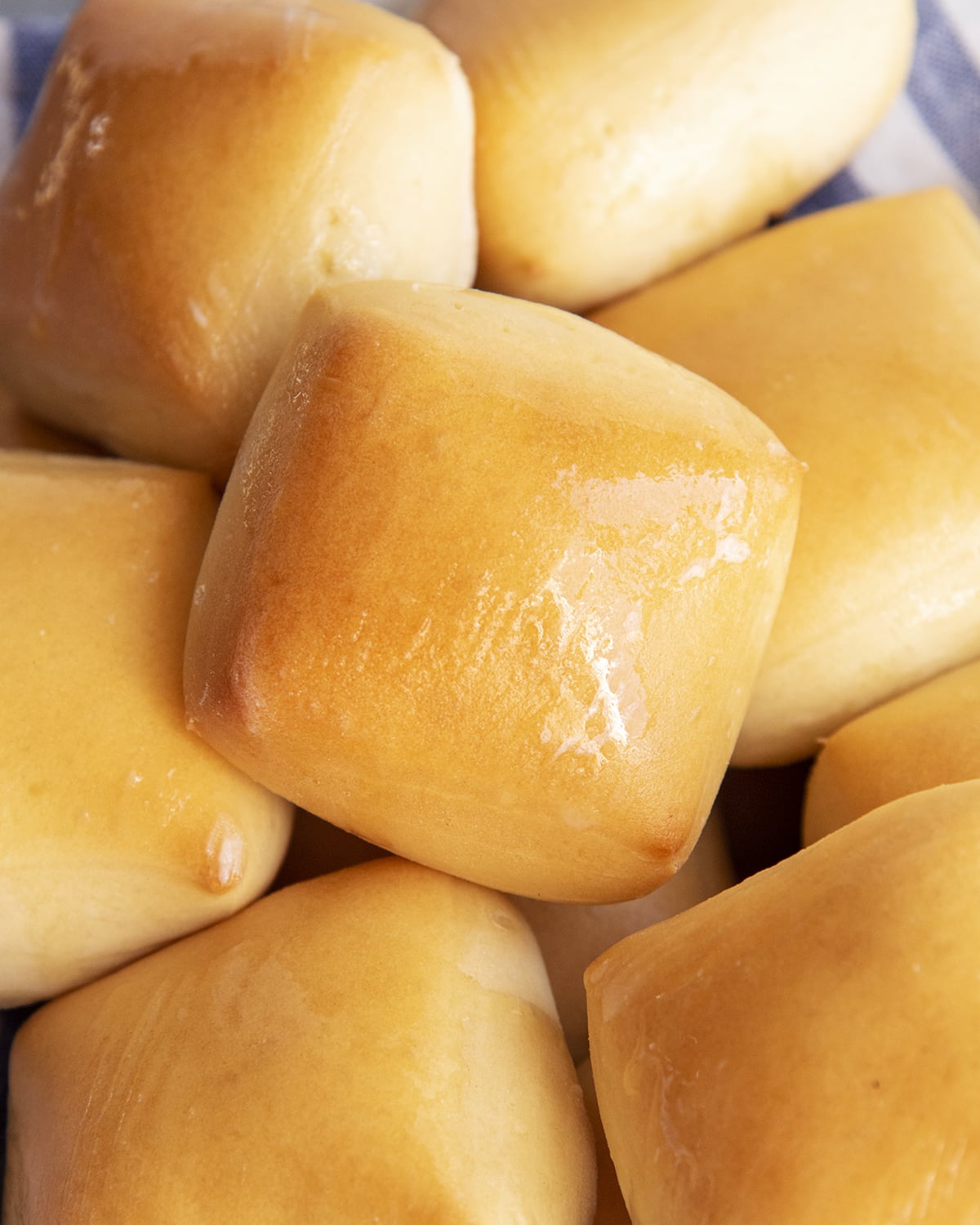
The Anatomy of a Beloved Bread Basket
The widespread appeal of Texas Roadhouse rolls is no accident. They are meticulously crafted to deliver a consistent and comforting flavor profile that resonates with a wide audience. Understanding what makes these rolls so special involves a look at their ingredients, preparation, and the sensory experience they provide.
Ingredients and Preparation: A Secret Recipe?
While Texas Roadhouse guards the exact proportions of its roll recipe, the fundamental components are common to many beloved yeasted breads. Key ingredients typically include:
- Flour: A high-quality all-purpose or bread flour forms the base, providing structure and chew.
- Yeast: The leavening agent that gives the rolls their characteristic airy texture and rise.
- Sugar: Contributes to the sweetness that is a hallmark of the rolls and aids in yeast activity.
- Butter (or Oil): Adds richness, tenderness, and a desirable mouthfeel.
- Milk (or Water): Provides moisture and contributes to the softness of the crumb.
- Salt: Enhances flavor and controls yeast fermentation.
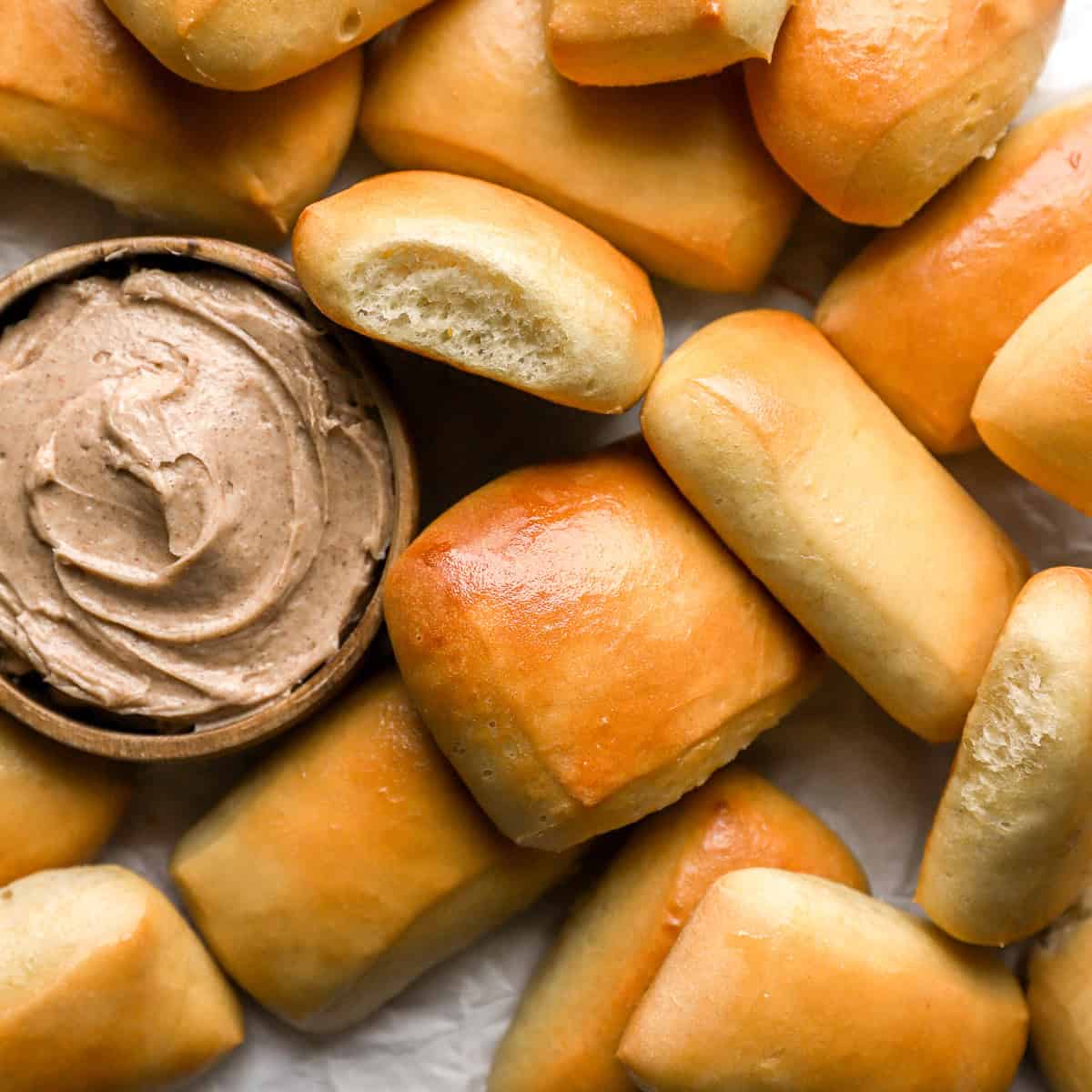
The preparation process involves careful mixing, kneading to develop gluten, a period of proofing (allowing the dough to rise), shaping, and finally, baking until golden brown. The magic, however, often lies in the final touch: the cinnamon honey butter. This creamy, sweet, and slightly spiced spread elevates the simple roll to an indulgence. The butter is typically softened and then whipped with powdered sugar and a generous amount of cinnamon, creating a spreadable confection that perfectly balances the sweetness of the roll.
The Sensory Experience: More Than Just Bread
The appeal of Texas Roadhouse rolls extends beyond their taste and texture. The experience is multi-sensory:
- Aroma: The warm, inviting scent of freshly baked bread mingled with cinnamon and honey is often the first hint of their arrival, building anticipation.
- Visual Appeal: Golden brown exteriors and the promise of a fluffy interior invite diners to indulge.
- Tactile Sensation: The slight crispness of the crust giving way to a soft, pillowy interior is deeply satisfying.
- Taste: The harmonious blend of sweet, yeasty dough and the rich, spiced cinnamon butter creates a unique and memorable flavor.
This combination of elements transforms a simple side dish into a central part of the dining occasion, making it a significant contributor to the overall Texas Roadhouse experience, which itself is a popular element of American casual dining culture.
The Cost of the Culinary Icon: Rolls as Part of the Meal
When it comes to the question, “How much is Texas Roadhouse rolls?”, the answer is intrinsically tied to the restaurant’s dining model. In the context of tourism and experiencing local flavors, understanding how iconic food items are priced and offered is crucial.
Complimentary Comforts: The Standard Offering
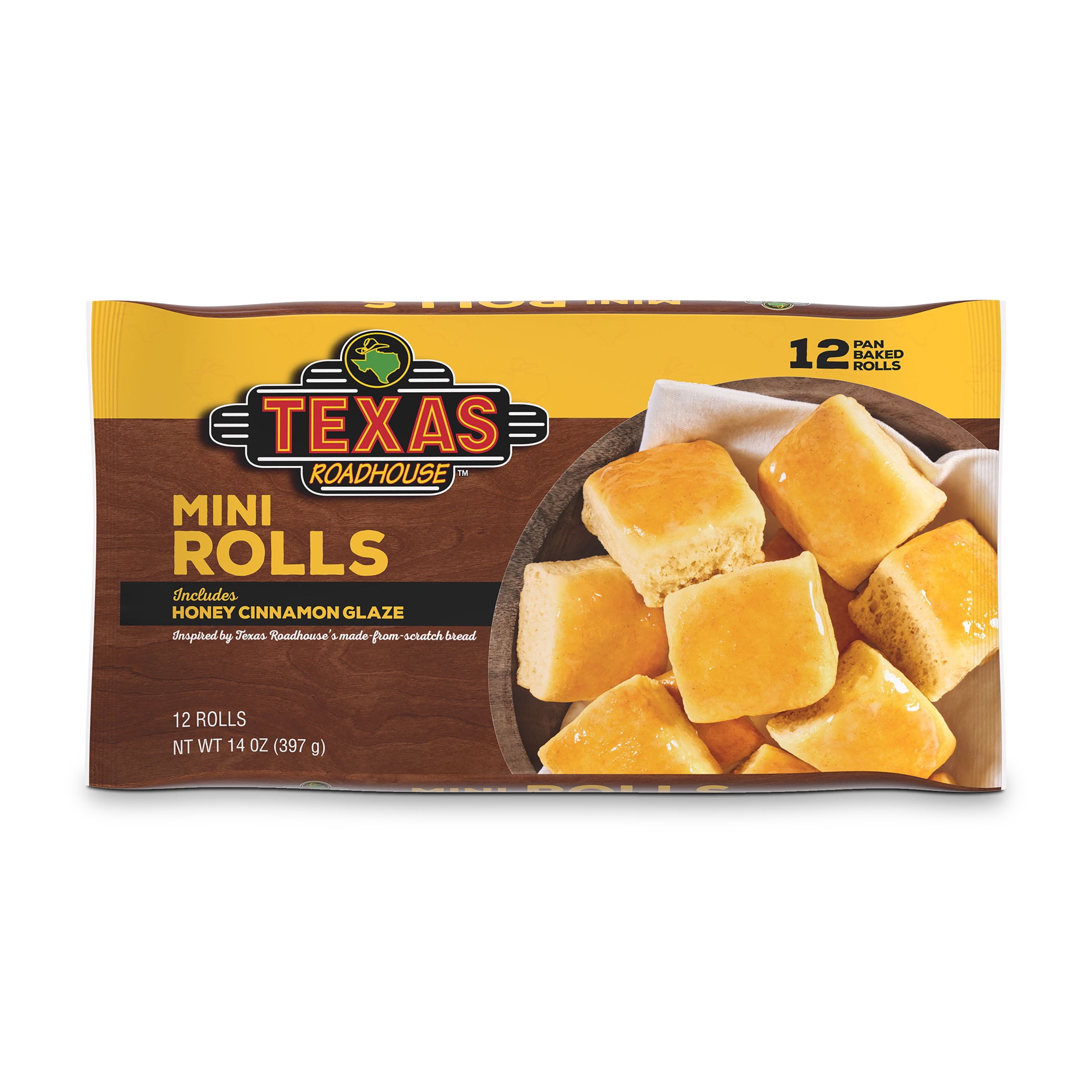
For guests dining in at any Texas Roadhouse location, the signature rolls and cinnamon butter are provided complimentary with every meal. This is a cornerstone of their service philosophy, designed to welcome guests and enhance their dining experience from the moment they are seated. There is no additional charge for the initial basket of rolls served to your table. This generous inclusion is a key factor in their widespread popularity and contributes significantly to the perceived value of dining at the restaurant. It’s a part of the generous spirit of American hospitality often found in casual dining establishments, making it a draw for both locals and tourists exploring the culinary landscape of cities like Dallas or Houston.
Beyond the Basket: The Potential for Purchase
While the rolls are free with an in-restaurant meal, there are occasional situations where a diner might wish to procure a larger quantity. For instance, a family planning a picnic in a Texas park or hosting a small gathering might inquire about purchasing them separately. Texas Roadhouse does not typically offer the raw dough or pre-baked rolls for sale as a standalone retail item in the traditional sense. Their business model is centered on the dine-in experience.
However, there have been instances, particularly during holidays or special promotions, where a restaurant might offer a baker’s dozen or a larger quantity of rolls for a nominal fee, often as a special catering or take-home option. These offerings are usually announced at the individual restaurant level and are not a standard menu item. If such an option were available, the pricing would vary by location and the quantity purchased, but it would likely be a modest sum, reflecting the cost of ingredients and preparation, rather than a significant profit driver. For example, a dozen rolls might be priced between $5 to $10, but this is purely speculative as it’s not a regular offering.
The “Cost” of an Experience: Value Proposition
From a tourism perspective, the “cost” of Texas Roadhouse rolls is not measured in dollars and cents when you dine in. Instead, their value lies in their contribution to the overall dining experience. They are an integral part of the brand’s identity and a key reason why many choose to visit. This complimentary offering represents a strategic decision by the restaurant chain to invest in customer satisfaction and build loyalty. For travelers seeking authentic, accessible, and enjoyable American cuisine, the complimentary rolls are a delightful bonus that enhances the perception of value. They embody the spirit of abundance and hospitality that many associate with American dining culture, making them a memorable part of a culinary journey through cities like Austin or even further afield.
Rolls in the Wider Culinary and Cultural Landscape
The phenomenon of Texas Roadhouse rolls can be viewed through the lens of food as a cultural touchstone. In many societies, specific dishes or food items become synonymous with a particular establishment or region, forming part of the local flavor and influencing broader culinary trends.
Fast Casual vs. Fine Dining: The Role of Bread
In the spectrum of dining, from fast food to fine dining, the humble bread basket plays a different role. At Texas Roadhouse, a casual dining steakhouse, the rolls are a highly visible and anticipated element. This contrasts with fine dining establishments where bread might be an artisanal offering, often priced separately or as part of a tasting menu, with a focus on unique flours, extensive fermentation, and sophisticated pairings. In the fast-casual segment, which focuses on quick service and value, complimentary bread is less common, with many focusing on items like chips, fries, or side salads. The success of Texas Roadhouse demonstrates the enduring appeal of a well-executed, complimentary bread service in a casual, family-friendly environment.
Imitation and Adaptation: The Mark of Popularity
The popularity of Texas Roadhouse rolls has inevitably led to attempts to replicate them at home. Online forums, food blogs, and recipe sites are replete with discussions and recipes aiming to capture the essence of these rolls. This widespread desire to recreate them is a testament to their iconic status. While the exact recipe remains a closely guarded secret, these home-baked versions offer a glimpse into the ingredients and techniques that contribute to their signature taste and texture. This desire to recreate beloved culinary experiences is a common thread in food tourism and home cooking, whether one is in New York City or San Antonio.
A Social Media Sensation
In the age of social media, the Texas Roadhouse roll has transcended the dining table to become a recognizable symbol online. Food influencers, casual diners, and even national news outlets have featured discussions about these rolls, often highlighting their delightful taste and the restaurant’s generous policy of providing them for free. This digital presence further cements their status as a cultural phenomenon, driving curiosity and encouraging visits from those who might not have experienced them before. The visual appeal and universally positive sentiment associated with these rolls make them a natural fit for platforms like Instagram and TikTok.
In conclusion, the question of “How much is Texas Roadhouse rolls?” is best answered by understanding their role as a complimentary, integral part of the dining experience. While they are not sold separately as a standard menu item, their value to the customer is immeasurable, contributing significantly to the chain’s reputation for generous hospitality and delicious, comforting food. For travelers and locals alike, they represent a small, sweet, and satisfying indulgence that is a hallmark of the Texas Roadhouse brand.
LifeOutOfTheBox is a participant in the Amazon Services LLC Associates Program, an affiliate advertising program designed to provide a means for sites to earn advertising fees by advertising and linking to Amazon.com. Amazon, the Amazon logo, AmazonSupply, and the AmazonSupply logo are trademarks of Amazon.com, Inc. or its affiliates. As an Amazon Associate we earn affiliate commissions from qualifying purchases.