
Navigating the intricacies of healthcare access can be a significant undertaking, particularly for those seeking to understand and secure vital public health insurance programs. For residents of the Lone Star State, Texas Medicaid represents a crucial pathway to affordable medical coverage. This guide aims to demystify the application process, offering a comprehensive overview for individuals and families in Texas looking to access these essential services.
The Texas Medicaid program, administered by the Texas Health and Human Services Commission (HHSC), provides a range of health benefits to eligible low-income individuals, including children, pregnant women, families, elderly adults, and individuals with disabilities. Understanding the eligibility requirements and the step-by-step application procedure is the first and most critical phase in securing this benefit.
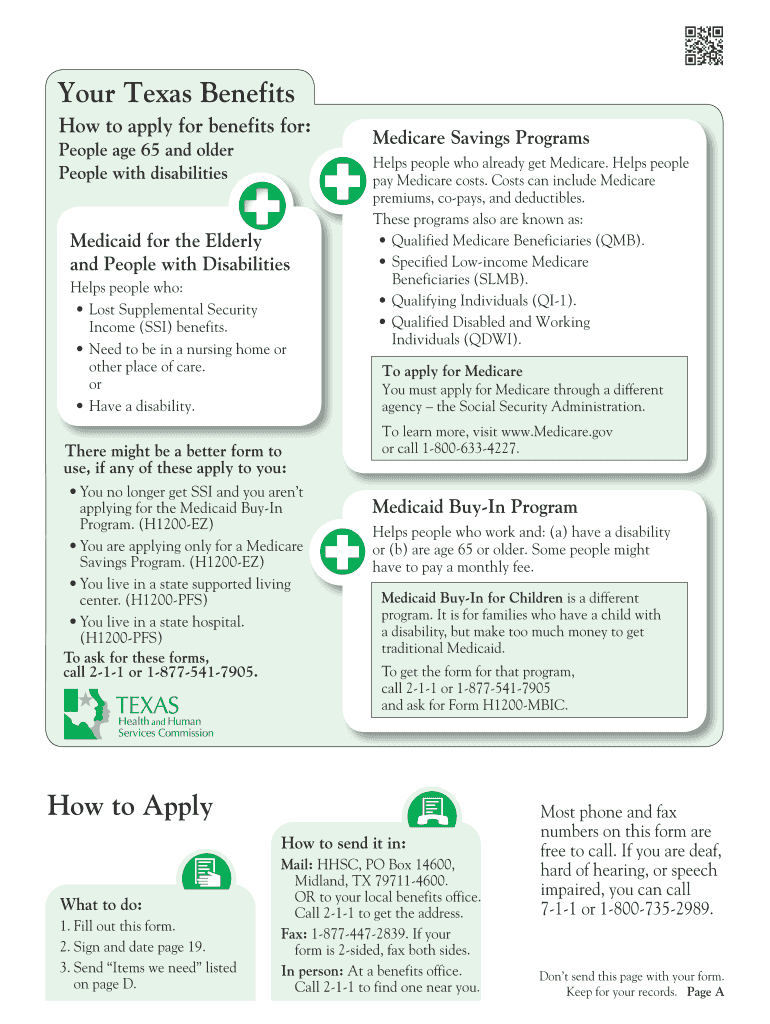
Understanding Eligibility for Texas Medicaid
Before embarking on the application journey, it’s imperative to grasp the fundamental eligibility criteria for Texas Medicaid. While the program aims to serve a broad spectrum of the population, specific categories and requirements must be met. These generally revolve around income, household size, age, disability status, and household composition.
Key Eligibility Categories
The HHSC outlines several primary categories of individuals who may qualify for Texas Medicaid. Each category has its own set of specific rules regarding income limits and other criteria.
- Children: Texas Medicaid provides coverage for children up to age 18. Eligibility is primarily based on household income relative to the federal poverty level. For lower-income families, programs like the Children’s Health Insurance Program (CHIP) may also be a consideration, offering a similar suite of benefits.
- Pregnant Women: Pregnant women in Texas are eligible for Medicaid coverage, which includes prenatal care, delivery, and postpartum services. Income guidelines are typically more generous for pregnant individuals to ensure access to necessary care during this critical period.
- Families with Dependent Children: Parents or caretakers responsible for dependent children can also be eligible for Medicaid. The eligibility often depends on the income of the entire household and the presence of at least one dependent child.
- Elderly Individuals (Age 65 and Older): Seniors who meet specific income and asset limitations are eligible for Medicaid. This coverage can be crucial for managing healthcare costs associated with aging, including long-term care services.
- Individuals with Disabilities: Individuals who have a qualifying disability, as determined by the Social Security Administration or through HHSC’s medical review process, and who meet income and asset tests, may be eligible for Texas Medicaid. This can include coverage for necessary medical equipment and therapies.
Income and Asset Limitations
A central component of Medicaid eligibility is the determination of household income and, in some cases, assets. The HHSC uses Modified Adjusted Gross Income (MAGI) for most eligibility groups, which is a standardized income calculation. For elderly individuals and those with disabilities, additional asset tests may apply, evaluating the value of resources like savings accounts, stocks, and real estate (excluding the primary residence in most cases).
It is vital to consult the official HHSC website or contact their representatives for the most current income and asset limits, as these figures are subject to change. These limits are often tied to the Federal Poverty Level (FPL), and specific percentages of the FPL determine eligibility for different categories.
The Application Process: A Step-by-Step Guide
Applying for Texas Medicaid involves several distinct steps, designed to gather the necessary information for eligibility determination. While the process can seem daunting, breaking it down into manageable stages can make it more approachable.
Step 1: Gather Necessary Documentation
Before initiating the application, it is crucial to collect all required documents. Having these readily available will expedite the process and reduce the likelihood of delays. Common documents include:
- Proof of Identity: Social Security cards for all household members applying, valid government-issued photo identification (e.g., driver’s license, state ID).
- Proof of Citizenship or Lawful Presence: Birth certificates, passports, or other documents proving U.S. citizenship or lawful immigration status.
- Proof of Income: Pay stubs, W-2 forms, tax returns, statements from unemployment benefits, pension statements, or any other documentation that verifies your household’s income for the past 30 days or current year.
- Proof of Household Size: Birth certificates of children, marriage certificates, or court documents establishing legal guardianship.
- Proof of Residency in Texas: Utility bills, lease agreements, or other official mail showing your Texas address.
- Medical Information (if applicable): For individuals applying based on disability, documentation from a doctor or the Social Security Administration confirming the disability may be required.
- Asset Information (for certain categories): Bank statements, investment account statements, property deeds, or any other documentation related to assets.
Step 2: Choose Your Application Method
Texas Medicaid offers several convenient ways to apply, catering to different preferences and accessibility needs.
- Online Application (Your Texas Benefits): The most common and often the quickest method is to apply online through the “Your Texas Benefits” website. This platform is designed to be user-friendly and allows you to create an account, complete the application, upload documents, and track your case status.
- By Phone: You can also initiate an application by calling the HHSC benefits eligibility hotline. A representative can guide you through the process over the phone and help you submit your application.
- In Person: For those who prefer face-to-face assistance or lack internet access, applications can be submitted at a local HHSC benefits office. You can locate the nearest office through the HHSC website.
- By Mail or Fax: Paper applications can be downloaded from the HHSC website or obtained from an HHSC office. These can then be mailed or faxed to the appropriate HHSC processing center.
Step 3: Complete and Submit the Application
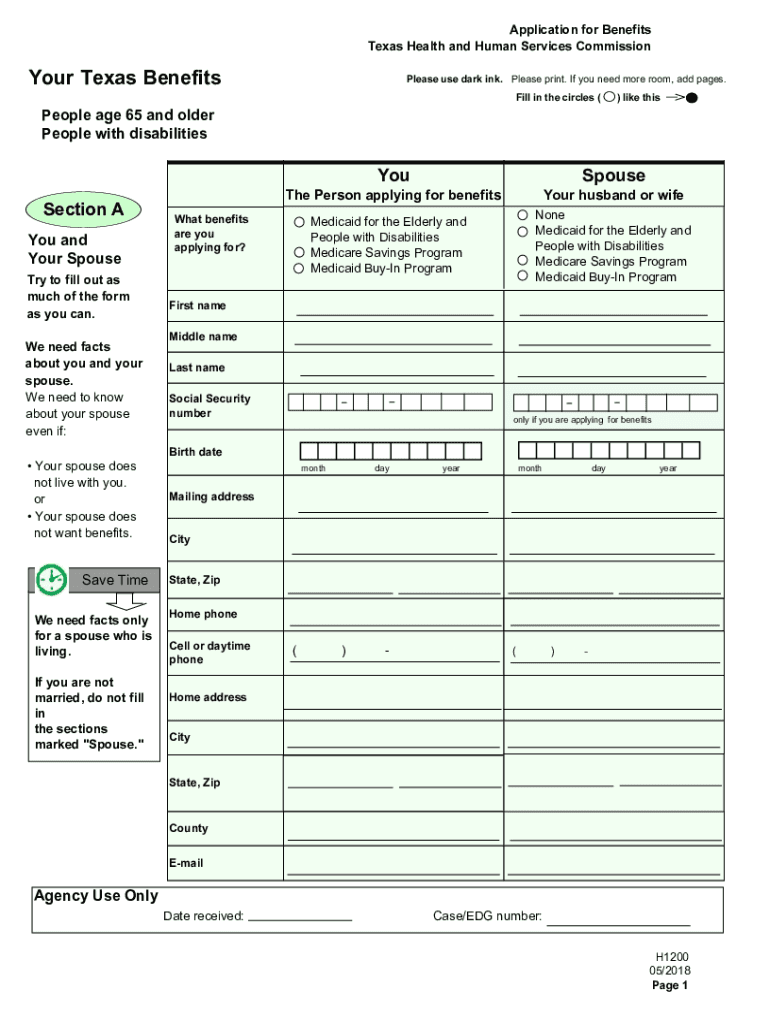
Whether you choose the online portal, phone, in-person, or mail/fax option, you will need to provide accurate and complete information about yourself and all household members applying for benefits. Be diligent in filling out all sections of the application form. Inaccurate or incomplete information can lead to delays or denial of your application.
Once you have completed the application, submit it through your chosen method. If applying online, ensure you receive a confirmation of submission. If submitting by mail or fax, keep a copy for your records.
Step 4: Follow Up and Provide Additional Information
After submitting your application, the HHSC will review it to determine your eligibility. This process may involve verifying the information you have provided. It is common for HHSC to request additional documentation or clarification on certain details.
- Respond Promptly: It is crucial to respond promptly to any requests for additional information from HHSC. Delays in providing requested documents can lead to your application being closed.
- Check Your Mail and Online Account: Regularly check your mail and your “Your Texas Benefits” online account for any communications from HHSC.
- Case Status: You can typically check the status of your application online through your “Your Texas Benefits” account or by contacting HHSC directly.
Post-Application and Maintaining Coverage
Once your application is approved, you will receive notification from the HHSC. This approval signifies that you have been deemed eligible for Texas Medicaid. However, the process doesn’t entirely end here. Maintaining your coverage requires ongoing attention.
Selecting a Managed Care Plan
For most Texas Medicaid recipients, healthcare services are provided through managed care organizations (MCOs). These are private health plans contracted with the state to deliver services. Upon approval, you will typically be given a period to choose a managed care plan.
- Understanding Your Options: HHSC provides information on the different MCOs available in your area, their networks of doctors and hospitals, and the specific benefits they offer. It’s advisable to research these options to find a plan that best suits your healthcare needs and preferences.
- Choosing a Primary Care Physician (PCP): Within your chosen MCO, you will usually need to select a Primary Care Physician (PCP). Your PCP serves as your main point of contact for healthcare and will coordinate your care, referring you to specialists when necessary.
Renewing Your Coverage
Texas Medicaid eligibility is not permanent. It is subject to periodic review, typically on an annual basis. This renewal process is essential to ensure you continue to meet the eligibility criteria.
- Renewal Notices: HHSC will send you a renewal packet before your coverage expires. This packet will outline the information you need to provide to renew your eligibility.
- Timely Submission: Complete and submit the renewal forms and any required documentation by the deadline to avoid a lapse in coverage. Failure to renew on time can result in the termination of your benefits.
- Reporting Changes: It is your responsibility to report any significant changes in your household, such as changes in income, household size, or address, to HHSC as soon as they occur. These changes can impact your eligibility.
Seeking Assistance and Additional Resources
Navigating the Texas Medicaid application process can be complex, and assistance is available for those who need it.
Texas Health and Human Services Commission (HHSC)
The primary source of information and assistance for Texas Medicaid is the HHSC itself. Their website offers a wealth of resources, including:
- Eligibility Guidelines: Detailed explanations of who qualifies for Medicaid and CHIP.
- Application Portal: The “Your Texas Benefits” website for online applications and case management.
- Contact Information: Phone numbers and office locations for further assistance.
- Forms and Publications: Downloadable forms and informational materials.
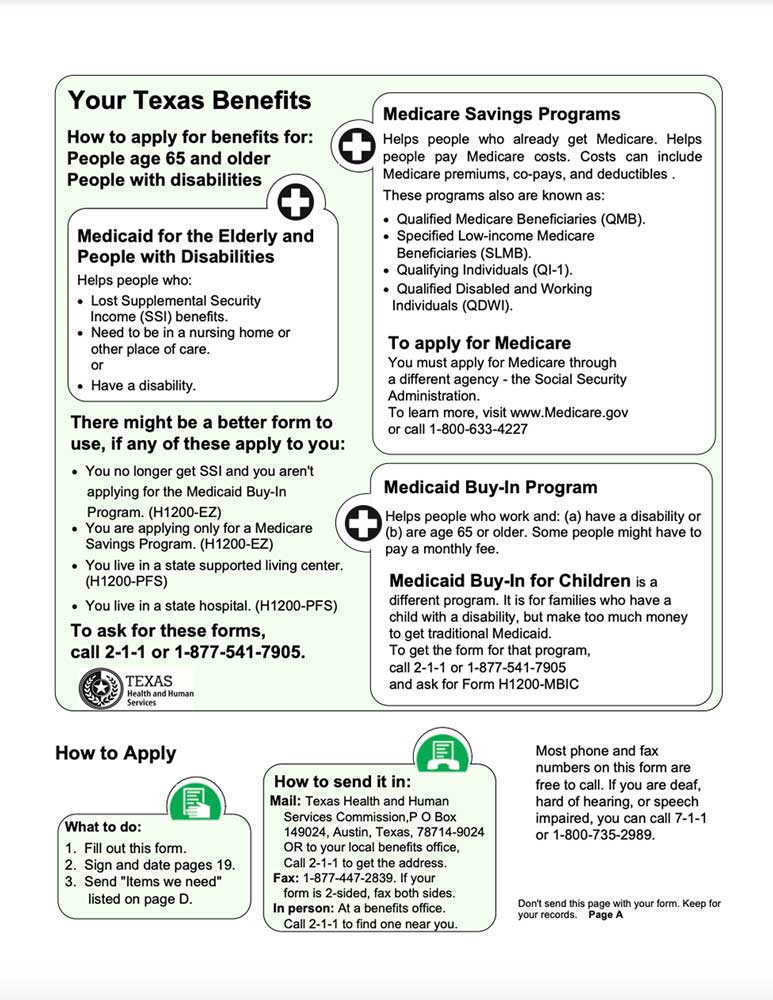
Community Resources and Navigators
Beyond the official HHSC channels, numerous community organizations and trained navigators can provide invaluable support throughout the application process. These individuals are often knowledgeable about Texas Medicaid and can help individuals understand eligibility, complete applications, and resolve issues. Searching for local health access programs or community health centers in your area can lead you to these valuable resources.
By understanding the eligibility requirements, meticulously preparing your documentation, and utilizing the available application methods and support systems, you can successfully navigate the process of applying for Texas Medicaid and secure essential healthcare coverage.
LifeOutOfTheBox is a participant in the Amazon Services LLC Associates Program, an affiliate advertising program designed to provide a means for sites to earn advertising fees by advertising and linking to Amazon.com. Amazon, the Amazon logo, AmazonSupply, and the AmazonSupply logo are trademarks of Amazon.com, Inc. or its affiliates. As an Amazon Associate we earn affiliate commissions from qualifying purchases.