
Navigating the intricacies of state taxes is a crucial aspect of managing personal finances and understanding the financial landscape of a destination. For those planning a visit, a move, or even just curious about the economic framework of the Pelican State, understanding Louisiana state tax is paramount. This guide delves into the core components of Louisiana‘s tax system, focusing on how it impacts individuals and businesses, and offering insights relevant to travelers and new residents alike.
Understanding the Core Components of Louisiana State Tax
The tax structure in Louisiana is multifaceted, encompassing several key areas that contribute to the state’s revenue. These include income tax, sales and use tax, and property tax, each with its own set of rules and implications. For tourists and potential residents, the most immediately relevant taxes are sales and use tax, which affect everyday purchases. For those considering residency or business ventures, income tax and property tax become more significant considerations.
Individual Income Tax
Louisiana levies a progressive income tax on its residents. This means that the tax rate increases as an individual’s income rises. The state’s income tax system has undergone various changes over the years, and it’s important to stay updated on the current brackets and rates.
Tax Brackets and Rates
The income tax is divided into several brackets, with each bracket subject to a specific tax rate. For example, lower income levels are taxed at a lower percentage, while higher income levels are taxed at a higher percentage. The exact thresholds for these brackets are adjusted periodically to account for inflation and economic changes. It’s advisable to consult the official Louisiana Department of Revenue website for the most up-to-date tax tables.
Deductions and Credits
Louisiana offers various deductions and credits that can help reduce an individual’s tax liability. These can include deductions for dependents, certain medical expenses, charitable contributions, and credits for things like child and dependent care expenses or education. Understanding these can significantly impact the net tax owed. For those new to the state, researching these deductions and credits can be a valuable part of financial planning.
Sales and Use Tax
Sales and use tax is a significant revenue source for Louisiana and directly impacts consumers. This tax is applied to the sale of tangible personal property and certain services.
State and Local Sales Tax Rates
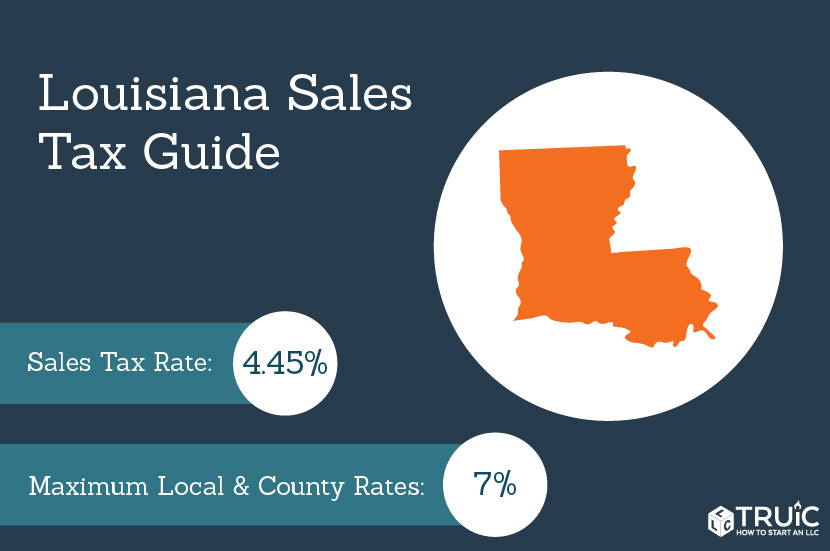
The total sales tax rate in Louisiana is a combination of the state sales tax rate and local sales tax rates, which vary by parish and municipality. This means that the same item purchased in different locations within Louisiana could have a different total sales tax applied. For instance, a purchase in New Orleans might have a higher combined rate than a purchase in a more rural parish. This is a critical piece of information for travelers planning their budgets, especially for significant purchases or when dining out frequently.
Exemptions and Exclusions
Certain items and services are exempt from sales tax in Louisiana. These often include groceries, prescription drugs, and certain essential services. Understanding these exemptions can help consumers save money. For businesses, knowing the specific exemptions related to their industry is vital for compliance and accurate pricing.
Property Tax
Property tax is levied by local governments on real estate and sometimes on personal property. While administered at the local level, it’s a component of the overall tax burden within the state.
Assessment and Valuation
Property is assessed at a percentage of its fair market value. The assessment ratio can vary, and understanding how your property is valued is key to understanding your property tax bill. Local assessors are responsible for determining the value of properties within their jurisdiction.
Millage Rates
The tax rate for property is expressed in mills, where one mill is equal to one-tenth of a cent (0.001). The total millage rate is determined by the combined rates set by various local taxing authorities, such as school districts, municipal governments, and special districts. These rates can fluctuate annually based on the needs of these local entities.
Louisiana State Tax and the Traveler

For visitors to Louisiana, understanding sales and use tax is the most pertinent aspect of the state’s tax system. Whether exploring the historic streets of New Orleans, enjoying the unique cuisine, or attending one of the state’s many festivals, purchases will be subject to sales tax.
Budgeting for Purchases
Knowing the sales tax rates in popular tourist destinations like New Orleans, Baton Rouge, or Shreveport can help travelers create a more accurate budget. For example, when booking accommodations at a hotel such as the Roosevelt New Orleans or considering a stay at a resort, the final price will include not only the room rate but also applicable state and local taxes. Similarly, dining at renowned restaurants or purchasing souvenirs will incur sales tax.
Understanding Use Tax
Use tax is essentially a complementary tax to sales tax. It is imposed on tangible personal property and services that are purchased outside of Louisiana but then brought into and used within the state, on which no sales tax was paid. This typically applies to items purchased online or brought from another state. While most travelers may not encounter this frequently, it’s a principle of the tax system.
Louisiana State Tax Implications for New Residents and Businesses
For individuals considering relocating to Louisiana or businesses looking to establish operations, a deeper dive into income and property taxes becomes essential.
Relocating to Louisiana
New residents will need to understand how Louisiana income tax will affect their earnings. This involves understanding the state’s tax brackets, available deductions, and any potential tax credits. It’s also important to consider how the state’s tax policies might interact with taxes from their previous state of residence. For instance, if moving from a state with no income tax, the shift to a progressive income tax system will be a notable financial change.
Filing Requirements
New residents must establish residency for tax purposes and adhere to the filing requirements set by the Louisiana Department of Revenue. This includes filing an annual state income tax return and paying any taxes owed by the due date.
Business Taxation in Louisiana
Louisiana offers various incentives for businesses, but also imposes taxes that can impact profitability. Beyond sales and use tax on goods and services, businesses are subject to corporate income tax, franchise tax, and unemployment taxes.
Corporate Income Tax and Franchise Tax
Corporations operating in Louisiana are subject to a corporate income tax. Additionally, a franchise tax is imposed on certain corporations based on their capital stock and surplus. Understanding the specifics of these taxes is crucial for business planning and compliance.
Economic Development Incentives
The state often provides tax credits and exemptions to encourage economic development and job creation. Businesses considering Louisiana as a base of operations should research these incentives, which can significantly reduce the overall tax burden. These might include tax abatements for new construction or job creation tax credits.
Navigating Louisiana State Tax Resources
Understanding Louisiana state tax can be complex. Fortunately, several resources are available to provide clarity and assistance.
Official Government Websites
The primary source for accurate tax information is the official website of the Louisiana Department of Revenue. This site provides access to tax forms, publications, tax rates, and important announcements. For property tax information, local parish assessor and tax collector offices are the go-to resources.
Tax Professionals
For personalized advice, especially concerning complex tax situations, individuals and businesses should consider consulting with a qualified tax professional. Accountants and tax advisors specializing in Louisiana tax law can offer invaluable guidance on compliance, tax planning, and maximizing eligible deductions and credits.
By understanding the fundamental elements of Louisiana state tax, whether as a visitor planning a trip to enjoy the vibrant culture of Acadiana or as a potential new resident, one can better navigate the financial aspects of this unique Southern state.
LifeOutOfTheBox is a participant in the Amazon Services LLC Associates Program, an affiliate advertising program designed to provide a means for sites to earn advertising fees by advertising and linking to Amazon.com. Amazon, the Amazon logo, AmazonSupply, and the AmazonSupply logo are trademarks of Amazon.com, Inc. or its affiliates. As an Amazon Associate we earn affiliate commissions from qualifying purchases.