
Navigating the landscape of firearm ownership in Texas offers a unique blend of constitutional rights and specific legal protocols. As the Lone Star State upholds strong traditions of gun ownership, understanding the nuances of acquiring a firearm is crucial for responsible citizens. This guide aims to demystify the process, covering eligibility requirements, purchasing procedures, and important considerations for prospective gun owners, all within the framework of Texas law and regulations. Whether you are a seasoned enthusiast or a first-time buyer, this comprehensive overview will equip you with the knowledge necessary to make informed decisions.
Understanding Eligibility and Requirements
Before embarking on the journey to purchase a firearm in Texas, it is imperative to understand the fundamental eligibility criteria established by both federal and state laws. These regulations are designed to ensure that firearms are accessible to law-abiding citizens while preventing them from falling into the wrong hands.
Federal Eligibility Standards
The Gun Control Act of 1968, as amended by subsequent legislation, sets the baseline for firearm eligibility across the United States, including Texas. To legally purchase a firearm from a federally licensed dealer (an FFL holder), an individual must meet the following federal requirements:
- Age: For handguns, the buyer must be at least 21 years old. For rifles and shotguns, the minimum age is 18.
- Residency: While Texas law is permissive, federal law generally requires purchasers to be residents of the state in which they are buying the firearm. Specific exceptions may apply for certain long gun purchases by non-residents.
- Criminal Record: Individuals who have been convicted of a felony or certain misdemeanor crimes of domestic violence are prohibited from owning firearms. This also extends to those who have been adjudicated as a “mental defective” or committed to a mental institution.
- Immigration Status: Non-U.S. citizens must meet specific criteria for legal residency and lawful presence in the United States to be eligible to purchase firearms.
- Court Orders: Those subject to certain court orders, such as restraining orders or protection orders related to domestic violence, are also prohibited.
- Dishonorable Discharge: Individuals who have received a dishonorable discharge from the armed forces are prohibited from owning firearms.
- Renunciation of U.S. Citizenship: Fugitives from justice and those who have renounced their U.S. citizenship are also prohibited.
Texas State-Specific Regulations
In addition to federal mandates, Texas has its own set of laws that govern firearm ownership and purchase. While Texas is known for its gun-friendly stance, these state laws are critical to adhere to:
- Permitless Carry: As of September 1, 2021, Texas permits eligible individuals to carry handguns openly or concealed without a License to Carry ( LTC). However, this does not alter the eligibility requirements for purchasing a firearm. You must still meet the federal and state criteria to buy a gun.
- Prohibited Places: Even with the right to carry, Texas law designates numerous locations where carrying a handgun is prohibited, regardless of whether you have an LTC or are carrying under permitless carry. These include schools, polling places on election day, correctional facilities, courthouses, and within 1,000 feet of a place of execution on the day of an execution.
- Antique Firearms: Certain antique firearms, defined as those manufactured before 1899 or their replicas, are generally exempt from federal and state regulations.
- Responsibility: Texas law places a strong emphasis on responsible gun ownership. This includes storing firearms safely to prevent access by prohibited individuals, especially children.
The Role of the Licensed Dealer (FFL)
When purchasing a firearm from a licensed dealer in Texas, the FFL holder acts as the gatekeeper, ensuring all federal and state laws are followed. This involves a thorough background check process.
The National Instant Criminal Background Check System (NICS)
The National Instant Criminal Background Check System ( NICS) is a program managed by the FBI that FFLs use to determine if a potential buyer is prohibited from purchasing or possessing firearms. When you decide to purchase a firearm from a licensed dealer, you will be required to complete Bureau of Alcohol, Tobacco, Firearms and Explosives (ATF) Form 4473, a firearms transaction record. This form collects personal information, including your name, address, date of birth, and answers to questions designed to ascertain your eligibility. The FFL then uses this information to initiate a NICS check.
- Proceed: If the NICS check returns a “proceed” response, meaning no prohibiting factors were found, the transaction can generally be completed.
- Deny: If the check reveals a prohibiting factor, the transaction will be denied.
- Delayed: In some cases, the NICS check may result in a delay, typically lasting up to three business days. If the FBI does not resolve the delay within this timeframe, the FFL may, at their discretion, complete the sale. However, if the FBI subsequently determines the buyer is prohibited, the firearm may be repossessed.
Texas law requires all firearm sales by FFLs to go through the NICS check. It is crucial to provide accurate information on Form 4473, as providing false information is a federal offense.
The Purchasing Process: From Selection to Acquisition
Once you have confirmed your eligibility and understand the legal framework, the next step involves the actual acquisition of a firearm. This process is generally straightforward when dealing with licensed dealers, but there are key stages to be aware of.

Choosing Your Firearm
The market offers a vast array of firearms, each designed for different purposes. Your choice will depend on your intended use, such as self-defense, sport shooting, hunting, or collecting.
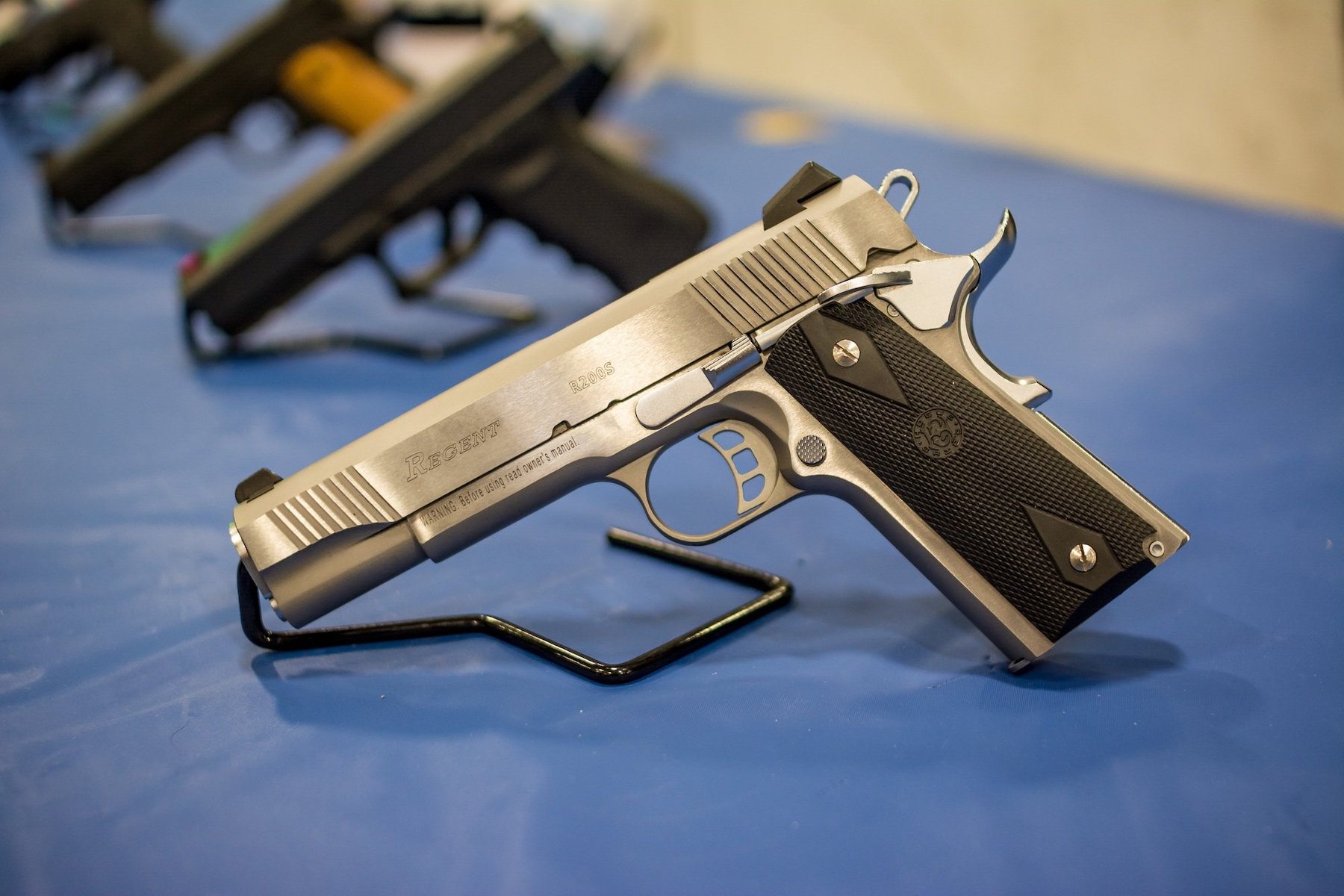
- Handguns: Typically categorized as pistols (semi-automatic) or revolvers. They are popular for concealed carry and home defense due to their compact size. Popular models include the Glock 19, Smith & Wesson M&P Shield, and the Colt 1911.
- Rifles: Long guns designed for greater accuracy and range, often used for hunting and sport shooting. They include bolt-action, semi-automatic, and lever-action types. Common examples for hunting might be a Remington 700 or a Ruger 10/22 for plinking. Modern sporting rifles, often referred to as AR-15 style platforms, are also widely available.
- Shotguns: Also long guns, typically firing shells that disperse shot. They are versatile and used for hunting, sport shooting, and home defense. Pump-action and semi-automatic shotguns are prevalent.
When selecting a firearm, consider factors like caliber, ergonomics, capacity, and intended use. Visiting reputable gun stores and speaking with knowledgeable staff can be invaluable. Some facilities also offer rental services, allowing you to test-fire different models before making a purchase.
The Transaction at a Licensed Dealer (FFL)
The most common and legally compliant way to purchase a firearm in Texas is through a federally licensed dealer. The process generally involves these steps:
- Firearm Selection: Choose the firearm you wish to purchase.
- Background Check Form: Complete ATF Form 4473 accurately and truthfully.
- NICS Check: The FFL will submit your information for a NICS background check.
- Waiting Period (if applicable): While Texas does not have a state-mandated waiting period for firearm purchases, the NICS system can impose a delay of up to three business days if further review is required.
- Payment and Transfer: Once the background check is cleared or the waiting period expires without a denial, you will complete the payment for the firearm. The FFL will then transfer the firearm to you.
Texas also allows for private firearm sales between individuals who are not licensed dealers. However, federal law still applies. In a private sale, both the buyer and seller must be legally permitted to own and possess a firearm. While Texas law does not explicitly require a background check for private sales between two Texas residents, it is highly recommended for the seller to ensure the buyer is not a prohibited person. Selling a firearm to someone you know or have reasonable cause to believe is prohibited from owning one is a federal offense.
Responsible Gun Ownership in Texas
Acquiring a firearm is only one part of the equation; responsible ownership is paramount. Texas law and community expectations place a significant emphasis on ensuring firearms are handled and stored safely.
Safe Storage Practices
Preventing unauthorized access to firearms, especially by children and individuals who are legally prohibited from possessing them, is a critical responsibility. Texas law requires that a firearm be stored in such a manner that it cannot be accessed by a child younger than 17 years of age. This can be achieved through various means:
- Gun Safes: Secure, lockable containers designed specifically for firearms offer the highest level of protection. Many models are equipped with biometric or digital locks for quick access by authorized users.
- Lock Boxes: Smaller, portable lockable containers suitable for handguns or for securing a firearm within a larger safe.
- Trigger Locks and Cable Locks: These devices attach to the firearm’s trigger or action, preventing it from being fired. While less secure than a safe, they add an important layer of safety.
- Disassembly: For some firearms, complete disassembly can render them inoperable, although this is generally less practical for immediate access in a self-defense situation.
The choice of storage method should align with the level of risk and the need for accessibility. For home defense, a balance between security and rapid, safe access is often sought.

Training and Education
Proficiency and safety knowledge are vital components of responsible gun ownership. Texas offers various avenues for individuals to enhance their understanding and skills.
- Firearm Safety Courses: Many FFLs, local law enforcement agencies, and private instructors offer certified firearm safety courses. These courses cover the fundamentals of safe gun handling, firearm mechanics, ammunition types, and the legal aspects of firearm ownership and use.
- License to Carry (LTC) Training: Even with the advent of permitless carry, many Texans opt to obtain an LTC. The state-mandated training for an LTC provides comprehensive instruction on firearm safety, the legal use of deadly force, non-violent dispute resolution, and situational awareness. This training is highly beneficial for all firearm owners, regardless of whether they intend to carry a handgun.
- Marksmanship Training: Beyond basic safety, participating in marksmanship courses can improve accuracy, confidence, and tactical proficiency.
Investing time and resources in education and training is not merely a recommendation; it is an integral part of being a responsible firearm owner in Texas. It ensures that you can handle your firearm safely, understand the legal ramifications of its use, and contribute to the overall safety of your community. By adhering to these principles, you can confidently and legally exercise your Second Amendment rights in the Lone Star State.
LifeOutOfTheBox is a participant in the Amazon Services LLC Associates Program, an affiliate advertising program designed to provide a means for sites to earn advertising fees by advertising and linking to Amazon.com. Amazon, the Amazon logo, AmazonSupply, and the AmazonSupply logo are trademarks of Amazon.com, Inc. or its affiliates. As an Amazon Associate we earn affiliate commissions from qualifying purchases.