
Florida‘s Unmistakable Residents: A Count for Tourists
For many visitors, the mention of Florida immediately conjures images of sun-drenched beaches, theme parks, and, inevitably, alligators. These ancient reptiles are an iconic, integral part of the Sunshine State’s identity and ecosystem. The question “How many alligators are in Florida?” isn’t just a matter of biological curiosity; it’s a crucial insight for tourists seeking to understand the natural landscape and enjoy safe wildlife encounters.
Estimates from the Florida Fish and Wildlife Conservation Commission (FWC) suggest a staggering population of approximately 1.3 million alligators across the state. This figure makes Florida one of the densest alligator habitats in the United States, showcasing a remarkable conservation success story. Once on the brink of extinction, American alligators have rebounded dramatically since being listed as an endangered species in 1967. Their removal from the endangered list in 1987 marked a significant achievement, largely due to robust conservation efforts and habitat protection.
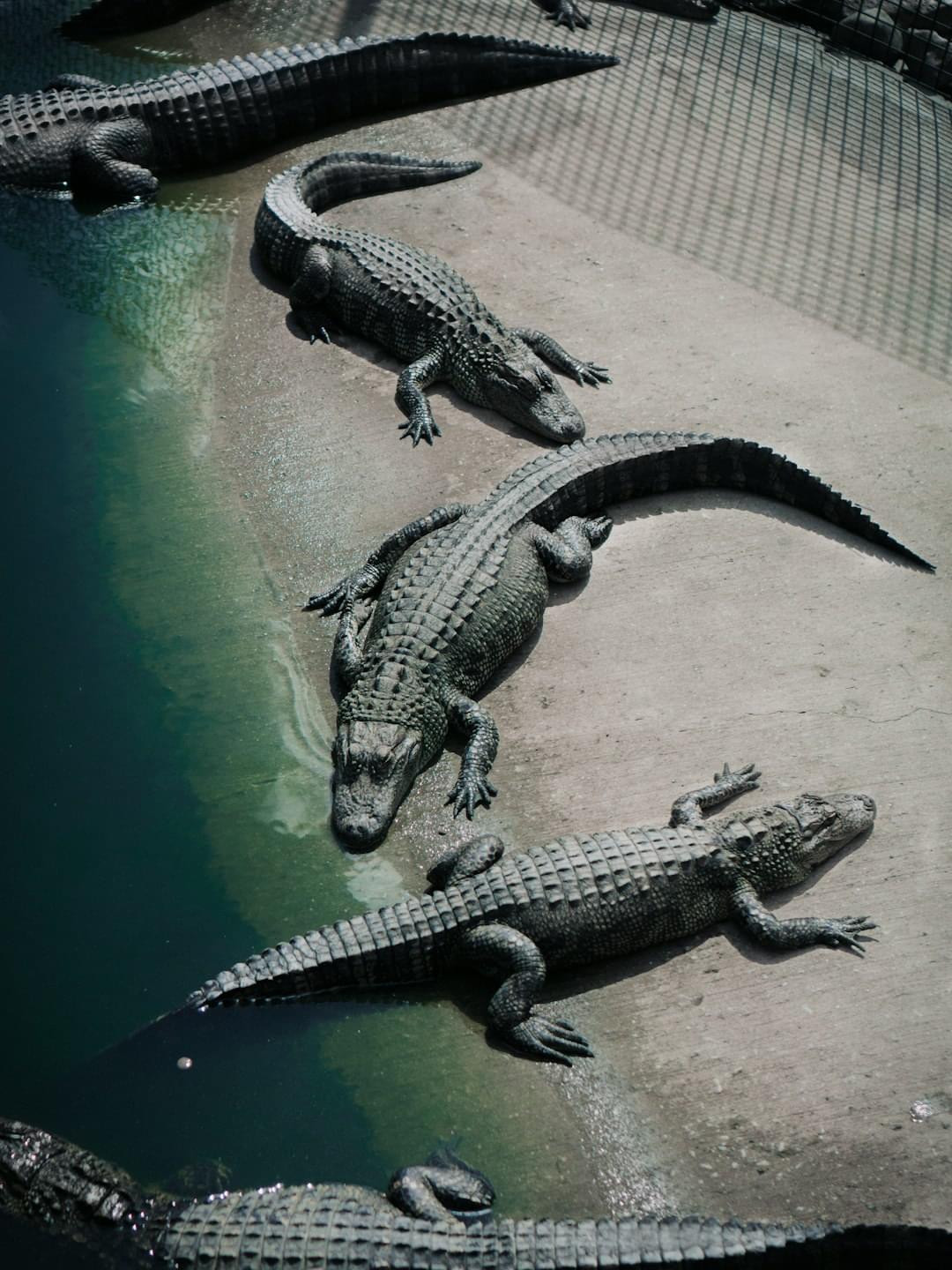
This impressive number underscores their prevalence in virtually all of Florida’s 67 counties, inhabiting fresh and brackish water bodies, from vast marshes and slow-moving rivers to smaller ponds, canals, and even suburban golf course water hazards. For tourists, understanding this widespread presence is key to appreciating Florida’s wild side and navigating its natural attractions responsibly. The sheer volume of these reptiles means that encountering one, while often a highlight, also necessitates an informed approach to wildlife viewing.
Alligators as a Prime Florida Tourist Attraction
Beyond the sheer numbers, alligators represent a unique and thrilling facet of Florida tourism. They offer an unparalleled opportunity for visitors to experience genuine wildlife in its natural habitat, far removed from the manufactured thrills of theme parks. Spotting an alligator in the wild is often described as a quintessential Florida experience, providing lasting memories and incredible photo opportunities.
Immersive Wildlife Tours
The abundance of alligators has naturally given rise to a thriving industry centered around responsible wildlife viewing. Airboat tours are perhaps the most popular way to encounter these creatures up close in their natural environment. Gliding through the shallow waters and sawgrass of the Everglades or other vast wetlands, visitors can witness alligators basking in the sun, swimming stealthily, or even displaying their powerful jaws. Tour operators, often seasoned locals, provide insightful commentary on alligator behavior, habitat, and conservation, enriching the experience. Key destinations for these tours include areas around Kissimmee, Miami, and the expansive regions bordering Everglades National Park.
Dedicated Wildlife Parks
For those who prefer a more structured and guaranteed viewing experience, Florida boasts several world-class wildlife parks and sanctuaries dedicated to alligators and other native species. Gatorland, located near Orlando, proudly proclaims itself the “Alligator Capital of the World.” This park offers an immersive experience, complete with alligator wrestling shows, feeding demonstrations, and even zip-lining over alligator-filled lagoons. Similarly, the St. Augustine Alligator Farm Zoological Park provides a unique opportunity to see every species of crocodilian in the world, alongside its famous native alligators. These attractions not only educate visitors about these fascinating reptiles but also contribute significantly to their conservation through research and rehabilitation efforts.
Casual Sightings and Photography
Even beyond dedicated tours and parks, opportunistic alligator sightings are a common occurrence for tourists throughout Florida. A leisurely stroll along a boardwalk in a state park, a scenic drive along a canal, or even a round of golf can present a chance to spot an alligator. These encounters, when viewed from a safe distance, offer fantastic photographic opportunities, capturing the raw beauty and power of these ancient predators in their natural surroundings. The thrill of spotting a truly wild alligator, whether it’s a massive bull or a camouflaged juvenile, adds an authentic layer to any Florida itinerary.
Understanding Alligator Habitats and Behavior for Tourists
To maximize the chances of a memorable and safe alligator encounter, tourists should understand their preferred habitats and typical behaviors. Alligators are primarily freshwater inhabitants, thriving in lakes, ponds, rivers, canals, marshes, and swamps. However, they can also tolerate brackish water for short periods and may be found in coastal areas, estuaries, and even venturing into slow-moving saltwater rivers connecting to freshwater sources.
Where to Look
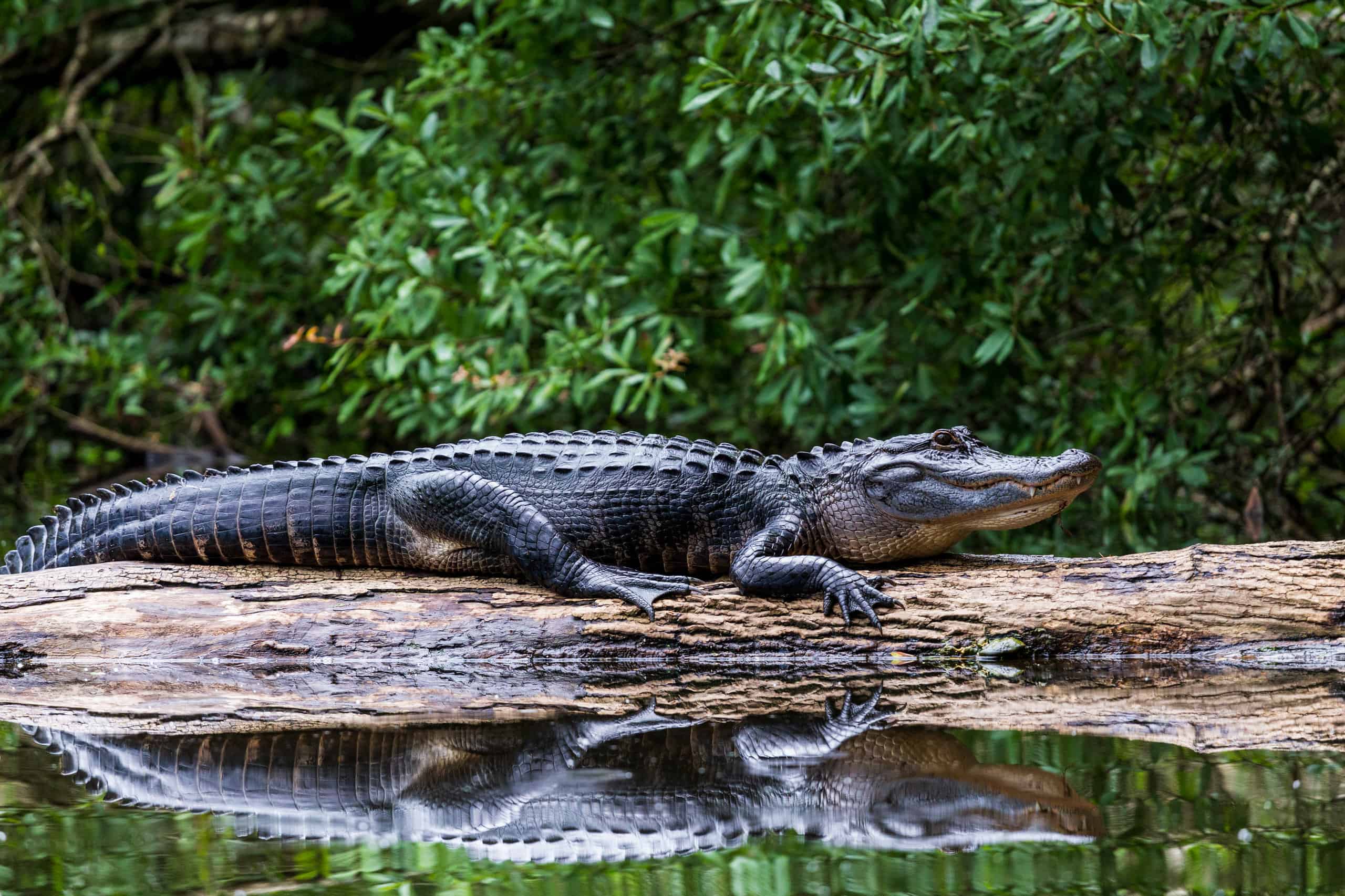
The key to spotting alligators lies in observing water bodies, especially during cooler parts of the day or early mornings and late afternoons. They are often seen basking on sunny banks, floating just below the surface with only their eyes and nostrils visible, or slowly patrolling the water’s edge.
- Everglades National Park: This vast wetland ecosystem is the undisputed capital for wild alligator viewing. Boardwalks like the Anhinga Trail offer elevated, safe perspectives.
- State Parks and Wildlife Management Areas: Numerous state parks, such as Myakka River State Park near Sarasota or Lake Kissimmee State Park, feature observation decks, airboat tours, and designated viewing areas.
- Local Canals and Ponds: In many suburban and rural areas, canals and retention ponds are home to resident alligators. Always observe from a very safe distance on solid ground.
Behavioral Insights
Alligators are generally shy creatures, preferring to avoid human interaction. Their activity levels fluctuate with temperature. They are most active when temperatures are between 82 and 92 degrees Fahrenheit (28-33 degrees Celsius). During colder months, they become lethargic and less visible, sometimes entering a state of brumation (a reptilian hibernation). Conversely, in extremely hot weather, they may seek cooler water or shade.
Their diet consists primarily of fish, turtles, snakes, small mammals, and birds. While they are apex predators, they are not typically aggressive towards humans unless provoked, cornered, or if they associate humans with food. This distinction is critical for tourist safety, reinforcing the importance of never feeding these wild animals. Understanding these natural tendencies helps tourists appreciate alligators from a respectful and secure vantage point.
Essential Safety Tips for Florida Visitors
Given the significant alligator population, visitor safety is paramount. The Florida Fish and Wildlife Conservation Commission (FWC) provides clear guidelines to ensure that encounters with alligators remain positive and risk-free. Adhering to these rules is not just about personal safety; it’s about respecting wildlife and preserving the natural balance.
Never Feed Alligators
This is the golden rule of alligator safety. Feeding alligators habituates them to humans and teaches them to associate people with food. This makes them lose their natural fear and become more aggressive or assertive when seeking handouts, increasing the risk of dangerous encounters. It is illegal and carries significant penalties. Always dispose of fish scraps and bait responsibly away from the water.
Maintain a Safe Distance
When observing alligators, always keep a considerable distance – at least 30 to 50 feet (9 to 15 meters) is recommended. If an alligator hisses or lunges, you are too close. Use binoculars or telephoto lenses for close-up views. Never approach a basking alligator, as it may dart into the water unexpectedly, or feel threatened and act defensively.
Swim Only in Designated Areas
Many of Florida’s waterways are home to alligators. Only swim in designated swimming areas that are typically monitored and considered safe from alligator activity. Avoid swimming, wading, or allowing pets in waters where alligators are known to live, especially during dawn, dusk, and nighttime when they are most active. Always supervise children closely near any body of water.
Pet Safety
Pets are particularly vulnerable to alligator attacks. Alligators view dogs, especially small ones, as potential prey. Keep dogs on a leash and away from the edges of lakes, rivers, and canals. Never let pets swim in unmonitored waters or drink directly from natural water bodies.
Be Aware of Your Surroundings
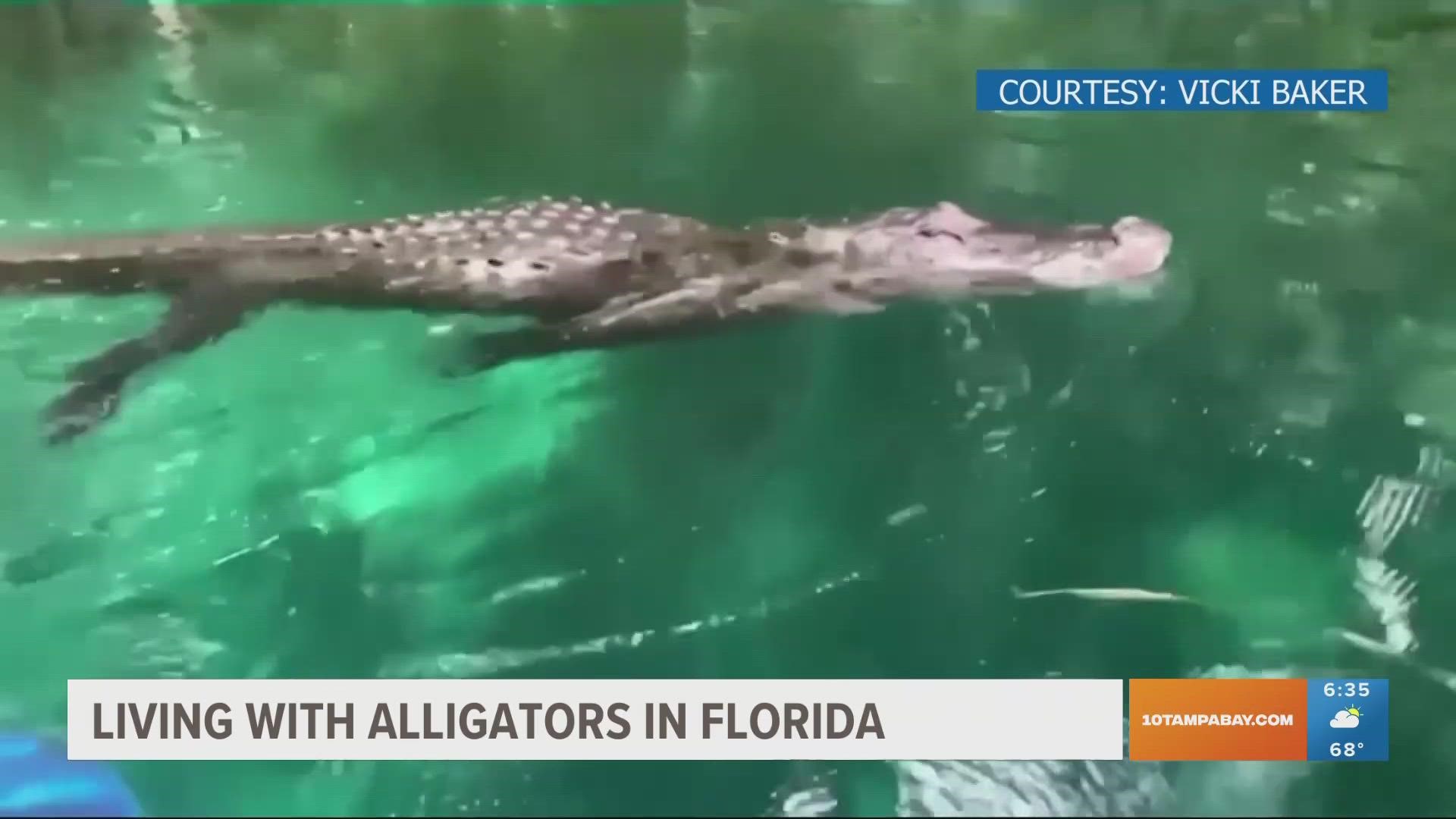
Alligators are masters of camouflage. Stay alert when walking near water. Obey all warning signs posted in parks and public areas, as these signs indicate known alligator habitats or recent activity. Never corner an alligator or block its escape route to the water.
Report Nuisance Alligators
If an alligator poses a threat to people, pets, or property, it is classified as a “nuisance alligator.” Tourists who encounter such an alligator (one that is aggressive, unusually bold, or approaching people) should contact the FWC’s Nuisance Alligator Hotline. Only trained professionals should handle or remove nuisance alligators.
By following these straightforward guidelines, tourists can safely enjoy the unique experience of encountering Florida ‘s magnificent alligators, leaving with unforgettable memories and a deeper appreciation for the state’s incredible natural heritage. These ancient reptiles are a testament to Florida’s wild beauty, a critical component of its ecosystem, and an undeniable draw for tourism.
LifeOutOfTheBox is a participant in the Amazon Services LLC Associates Program, an affiliate advertising program designed to provide a means for sites to earn advertising fees by advertising and linking to Amazon.com. Amazon, the Amazon logo, AmazonSupply, and the AmazonSupply logo are trademarks of Amazon.com, Inc. or its affiliates. As an Amazon Associate we earn affiliate commissions from qualifying purchases.