
Nestled within the vibrant Houston metropolitan area, Sugar Land, Texas stands as a testament to planned community development and a thriving hub of culture, commerce, and recreation. More than just a dot on the map, it’s a destination that offers a compelling blend of suburban comfort and urban amenities, making it an attractive locale for both residents and visitors alike. Located in Fort Bend County, a region known for its dynamic growth and diverse population, Sugar Land has carved out its own distinct identity, offering a unique experience that sets it apart from its larger neighbor.
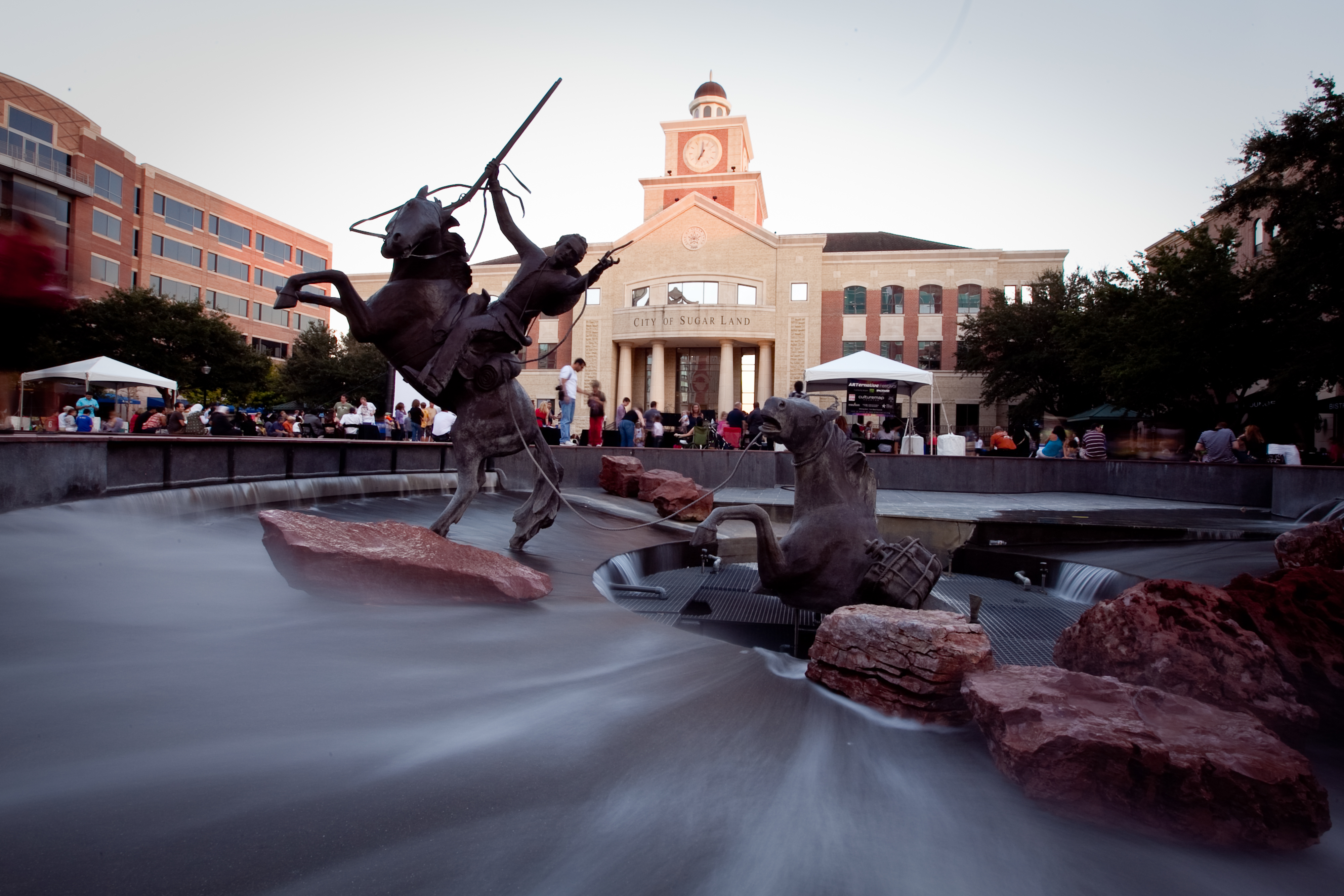
The city’s strategic positioning approximately 20 miles southwest of downtown Houston provides its inhabitants with easy access to the vast economic and cultural opportunities of one of America’s largest cities, while maintaining a quality of life characterized by master-planned neighborhoods, excellent educational institutions, and a strong sense of community. This proximity allows for a seamless integration of experiences, where one can enjoy the bustling energy of Houston one day and the more tranquil, family-friendly atmosphere of Sugar Land the next. Understanding where Sugar Land is located is the first step to appreciating its multifaceted appeal as a premier destination within the Texas landscape.
Navigating Sugar Land’s Geography and Accessibility
Sugar Land, Texas is situated in the southeastern part of the Lone Star State, within the broader Gulf Coast region. Its exact coordinates place it in Fort Bend County, a county that has seen significant population growth and economic development over the past few decades. The city is bisected by major transportation arteries, most notably U.S. Highway 59 (now Interstate 69), which runs north-south and provides a direct link to downtown Houston and the surrounding areas. This highway is crucial for commuters and travelers, offering efficient access to Houston’s George Bush Intercontinental Airport and William P. Hobby Airport, as well as to recreational destinations further south.
Key Roadways and Transportation Networks
Beyond I-69, Sugar Land is well-connected by a network of state highways and local roads. State Highway 6 provides an east-west corridor, linking Sugar Land to other communities in Fort Bend County and beyond. Additionally, Grand Parkway (TX-99), a major beltway encircling the greater Houston area, is accessible from Sugar Land, offering alternative routes and improved connectivity to northern and western parts of the region. This robust infrastructure ensures that getting to and from Sugar Land, whether by car or for those flying in, is a relatively straightforward affair. Public transportation options within Sugar Land are primarily served by the Fort Bend Transit system, which offers fixed-route bus services connecting various parts of the city and linking to Houston METRO services for broader regional access.
Proximity to Major Urban Centers
The most significant geographical feature influencing Sugar Land’s identity is its adjacency to Houston. This close relationship means that residents and visitors can easily tap into the vast resources of a major metropolis. This includes access to world-class dining, extensive shopping districts, professional sports teams like the Houston Astros and Houston Texans, and a rich tapestry of cultural institutions, such as the Museum District and the Theater District. This proximity allows Sugar Land to benefit from the economic dynamism and entertainment offerings of Houston without sacrificing its own unique character and community feel.
The Evolution of Sugar Land: From Plantation to Planned City
The story of Sugar Land is deeply rooted in its agricultural past, particularly its origins as a major center for sugarcane production. The land that now comprises the modern city was once dominated by vast sugarcane plantations. The Imperial Sugar Company, a name synonymous with the region’s history, established its operations here, giving the city its distinctive name and shaping its early economic trajectory. This historical legacy is not forgotten, and elements of this past are preserved and celebrated within the city.
Historical Roots and Key Developments
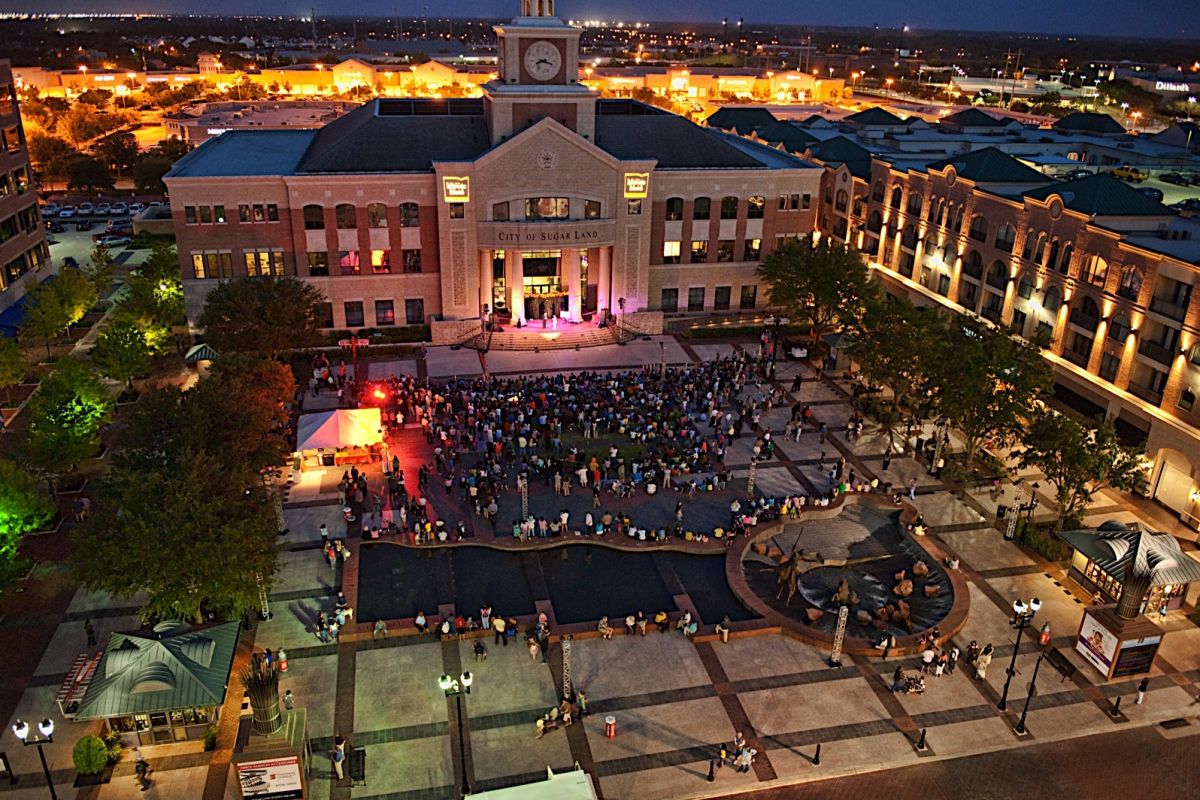
The transformation from agricultural land to a thriving urban center has been a deliberate and well-managed process. The development of Sugar Land as a master-planned community began in earnest in the latter half of the 20th century. Developers envisioned a city that would offer a high quality of life, with well-designed neighborhoods, abundant green spaces, and a strong emphasis on community amenities. This vision has been meticulously executed, resulting in a city that is consistently ranked among the best places to live in Texas and the nation. The careful planning has ensured that growth has been sustainable and that the city retains its charm and appeal.
The Influence of Imperial Sugar
The Imperial Sugar Company played a pivotal role in the development of Sugar Land. For decades, the company’s refinery and operations were the economic engine of the area, attracting workers and fostering the growth of the community around it. While the operational landscape has changed over the years, the legacy of Imperial Sugar is still palpable. The company’s historic buildings, including the iconic refinery complex, have been re-imagined and are now part of Sugar Land’s vibrant heritage and entertainment scene. The Imperial Sugar Company headquarters, for instance, has been transformed into a mixed-use development, preserving its historical significance while serving modern needs.
Experiencing Sugar Land: Attractions and Activities
While its location and history provide context, it’s the present-day offerings that truly define Sugar Land as a destination. The city boasts a wealth of attractions catering to a diverse range of interests, from family-friendly entertainment to cultural experiences and outdoor adventures. Its well-maintained parks, bustling commercial centers, and community events contribute to a lively and engaging atmosphere.
Cultural and Entertainment Venues
Sugar Land offers a sophisticated cultural landscape. The Smart Financial Centre at Sugar Land is a premier venue that hosts a wide array of performances, including concerts by world-renowned artists, Broadway shows, and comedy acts. Its state-of-the-art facilities and diverse programming make it a significant cultural anchor for the region. For those interested in the arts and local history, the Sugar Land Heritage Museum and Visitor Center offers insights into the city’s past, from its agricultural roots to its modern development. The presence of diverse retail centers, such as the First Colony Mall, provides ample shopping and dining opportunities, further enhancing the city’s appeal.
Parks, Recreation, and Outdoor Pursuits
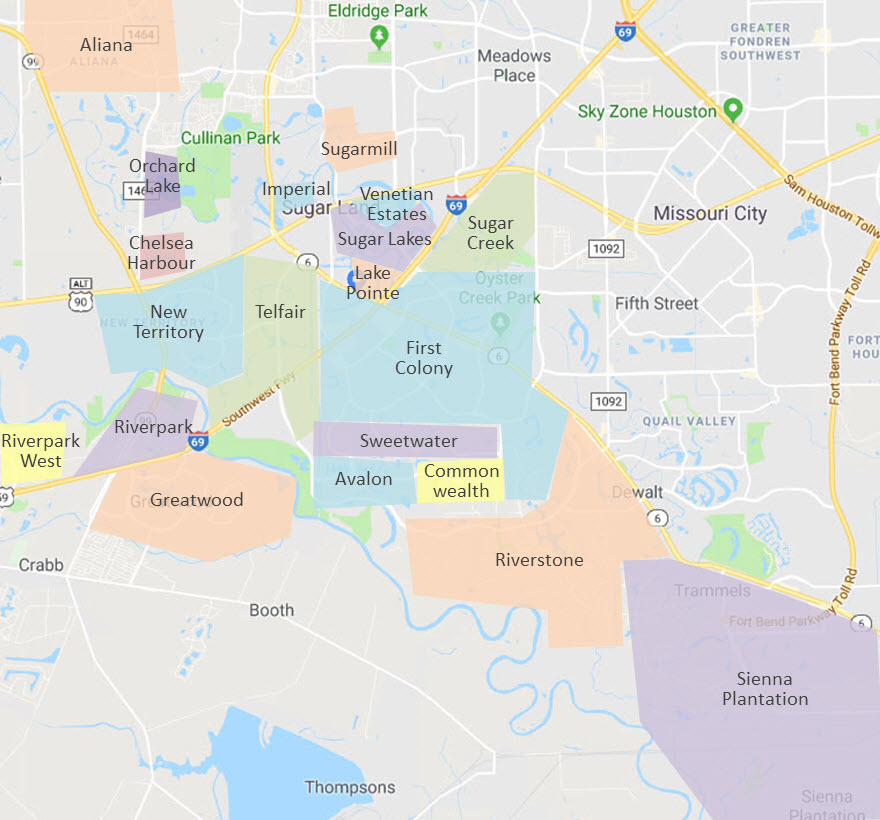
Sugar Land places a strong emphasis on green spaces and outdoor recreation. The city features an extensive network of parks and trails, offering residents and visitors ample opportunities for exercise, relaxation, and family fun. O.P. Jindal Municipal Park is a popular choice, featuring walking trails, playgrounds, and picnic areas. Riverstone and First Colony are just two examples of master-planned communities that incorporate extensive parks and recreational facilities within their designs. The Sugar Land Skeeters, a professional baseball team, provides exciting sporting entertainment at their home stadium, contributing to the city’s active lifestyle. The nearby Brazos River Corridor also offers opportunities for outdoor enthusiasts, though access points and specific recreational activities may vary.
Educational Institutions and Community Engagement
Sugar Land is renowned for its excellent educational system. The city is served by several highly-rated school districts, including the Fort Bend Independent School District, which consistently ranks among the best in the state. This focus on education attracts families seeking quality schooling for their children. Beyond K-12 education, Sugar Land is also home to higher education institutions, such as the University of Houston–Sugar Land campus, which offers a range of academic programs and contributes to the city’s intellectual and cultural vibrancy. The strong community ethos is fostered through numerous local events, farmers’ markets, and volunteer opportunities, making Sugar Land a place where people actively engage and contribute to the collective well-being.
LifeOutOfTheBox is a participant in the Amazon Services LLC Associates Program, an affiliate advertising program designed to provide a means for sites to earn advertising fees by advertising and linking to Amazon.com. Amazon, the Amazon logo, AmazonSupply, and the AmazonSupply logo are trademarks of Amazon.com, Inc. or its affiliates. As an Amazon Associate we earn affiliate commissions from qualifying purchases.