
Understanding and accessing your driving record in Texas is a crucial aspect of responsible vehicle ownership and can impact various facets of your life, from insurance rates to employment opportunities. Whether you need your record for personal review, to dispute an error, or to satisfy a requirement, knowing the official channels and procedures in the Lone Star State is essential. The Texas Department of Public Safety (TxDPS) is the primary entity responsible for maintaining these records, and several avenues exist to obtain them.
Understanding Your Texas Driving Record
Your Texas driving record, often referred to as a ‘motor vehicle report’ (MVR), is a comprehensive history of your driving activities. It serves as a detailed account of your licensing status, any violations, suspensions, revocations, accidents, and other relevant information. This document is not merely a collection of past infractions; it’s a dynamic profile that influences critical decisions made by insurance providers, potential employers, and even law enforcement. For individuals planning a trip or a longer stay in Texas, understanding the basics of the state’s driving record system can be surprisingly relevant. For instance, if you are considering renting a car in Dallas or Houston, rental agencies may, in some cases, verify your driving history.
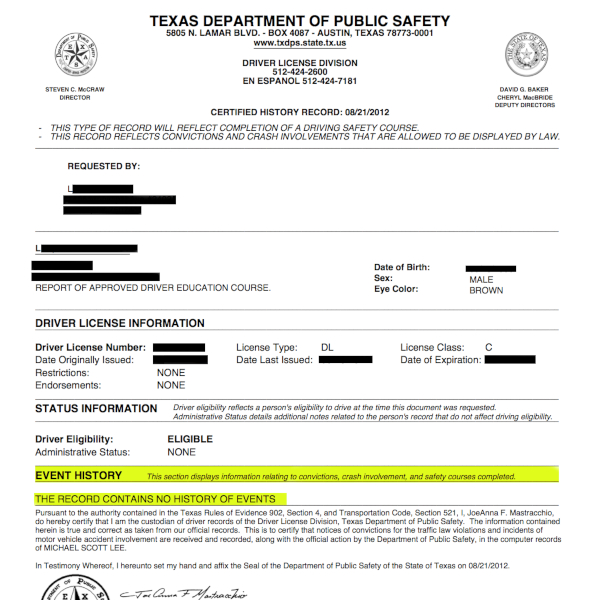
What Information is Included?
A standard Texas driving record typically includes:
- Personal Information: Your name, date of birth, driver’s license number, and address.
- License Status: Whether your license is valid, suspended, or revoked.
- Violations: Details of traffic tickets, including the offense, date of conviction, and any associated points.
- Accidents: Information about reported motor vehicle accidents you were involved in.
- Court Actions: Any convictions or judgments related to traffic offenses.
- Other Actions: Details of any administrative actions taken by the TxDPS, such as suspensions or revocations.
It’s important to note that the level of detail can vary depending on the type of record requested. For example, an employer requesting your record for commercial driving purposes might receive a more extensive report than a personal request.
Why You Might Need Your Driving Record
There are numerous reasons why you might need to access your driving record in Texas:
- Insurance Premiums: A clean driving record generally leads to lower car insurance rates. Conversely, a history of violations can significantly increase your premiums. Reviewing your record can help you understand why your rates might be high and identify any inaccuracies.
- Employment: Many employers, especially those in transportation or requiring employees to drive for work, will request a copy of your driving record as part of the hiring process. This is particularly true for positions involving commercial vehicles, delivery services, or company cars.
- Disputing Errors: If you believe there are inaccuracies on your driving record, such as a ticket you did not receive or a conviction that was overturned, you will need your record to identify these errors and begin the correction process.
- Personal Review: Simply having peace of mind and understanding your driving history is a good reason to check your record periodically. It allows you to monitor your standing and identify potential issues before they escalate.
- Legal Requirements: In certain legal situations, such as divorce proceedings or child custody cases, a driving record might be requested as part of assessing an individual’s responsibility.
Methods to Obtain Your Driving Record in Texas
The Texas Department of Public Safety offers several convenient ways to obtain your driving record. Each method has its own process, fees, and processing times, so it’s important to choose the one that best suits your needs.
Online Request
The most straightforward and often fastest method is to request your driving record online. The TxDPS partners with approved third-party vendors to provide this service.
How to Request Online
- Visit the TxDPS Website: Navigate to the official Texas Department of Public Safety website. Look for the section related to driver records or online services.
- Access Approved Vendors: You will typically be directed to a list of authorized third-party providers. These vendors are certified by the TxDPS to process your request securely.
- Create an Account or Log In: You may need to create an account with the chosen vendor.
- Provide Necessary Information: You will be asked to enter your driver’s license number, date of birth, and other identifying information to verify your identity.
- Payment: A fee is required for the record. The cost can vary slightly between vendors but is generally consistent with the state’s fee structure. Payment is usually made via credit or debit card.
- Receive Your Record: Once processed, your driving record will typically be available for download immediately or sent to you electronically within a short timeframe.
Key Considerations for Online Requests:
- Speed: This is usually the quickest method, with records often available within minutes of successful processing.
- Convenience: Accessible 24/7 from anywhere with internet access.
- Fees: While convenient, there might be a slight convenience fee added by the third-party vendor on top of the state fee.
Mail Request
If you prefer a traditional approach or do not wish to use online services, you can request your driving record by mail.
How to Request by Mail
- Download the Application: Obtain the official “Request for Driving Record” form from the Texas Department of Public Safety website.
- Complete the Form: Fill out the form accurately and completely. Ensure all required fields, including your driver’s license number, full name, date of birth, and mailing address, are provided.
- Include Payment: The required fee must be included with your request. The TxDPS website will specify the current fee amount and acceptable payment methods (e.g., check or money order). Make checks payable to the Texas Department of Public Safety. Do not send cash.
- Mail the Application: Send the completed form and payment to the address specified on the application form, which is typically the TxDPS Driver Records Division.
Key Considerations for Mail Requests:
- Processing Time: This method can take significantly longer than online requests, often several weeks, due to mail delivery and internal processing times.
- Less Convenient: Requires printing, mailing, and waiting for the record to arrive.

In-Person Request
While not as common for obtaining just a driving record, it is possible to request one in person at a TxDPS driver license office. However, it’s crucial to confirm with the specific office beforehand if this service is available for driving record requests, as many offices primarily focus on licensing services.
How to Request In-Person
- Locate a Driver License Office: Find a Texas Department of Public Safety driver license office in your area.
- Check Availability: Call the office in advance to confirm if they can process driving record requests in person.
- Bring Identification and Payment: You will need to present valid identification and be prepared to pay the required fee at the office.
Key Considerations for In-Person Requests:
- Immediate Access (Potentially): If available, you might receive your record on the spot.
- Limited Availability: Not all driver license offices may offer this service for driving records.
- Office Hours: Subject to the operating hours of the specific driver license office.
Types of Driving Records Available
The TxDPS offers different types of driving records, each serving a specific purpose. Understanding the distinctions will help you request the correct document.
Certified vs. Uncertified Records
- Uncertified Driving Record: This is the standard driving record provided for personal review or for purposes that do not require official notarization. It contains all the relevant driving history information. This is typically what you’ll get from the online vendors or a standard mail request.
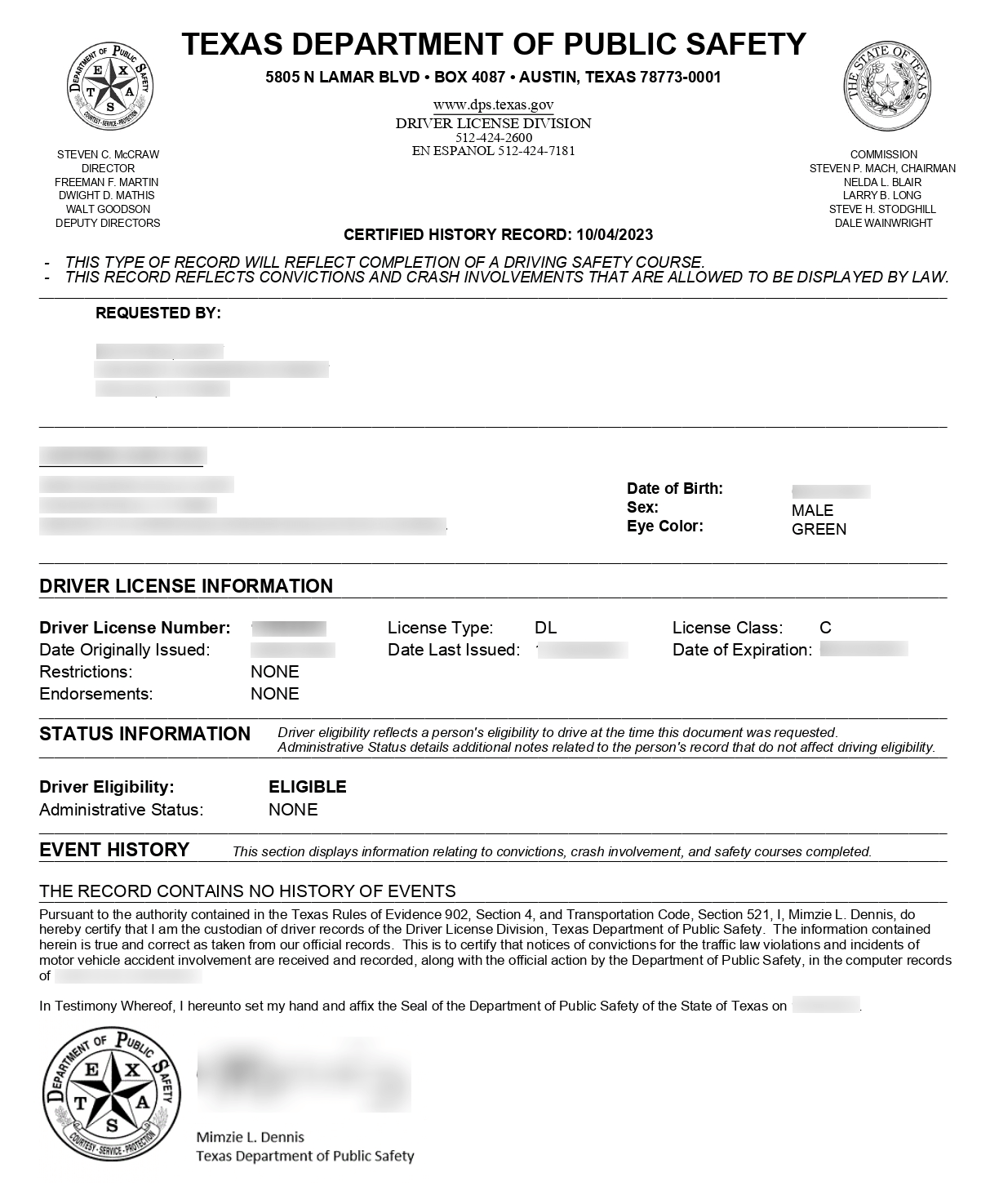
- Certified Driving Record: A certified driving record includes an official seal or stamp from the Texas Department of Public Safety verifying its authenticity. This type of record is often required for legal proceedings, court appearances, or when submitting the record to official agencies that require a verifiable document. To obtain a certified record, you will typically need to make a specific request, and it may involve a slightly higher fee and a different processing procedure, often through a mail-in request or a designated TxDPS office.
Driving Record Abstracts
- 3-Year Abstract: This record shows a summary of your driving activity for the past three years.
- 6-Year Abstract: This record provides a more comprehensive view, covering your driving history for the last six years. This is often the most commonly requested type of record for employment and insurance purposes.
- Complete Driving Record: This is the most extensive record and can cover a longer period, potentially your entire driving history in Texas. The availability and extent of this record can depend on retention policies.
For most common needs, such as employment verification or insurance rate assessments, the 6-year abstract is usually sufficient and most commonly requested.
Important Considerations and Tips
Navigating the process of obtaining your driving record can be made smoother with a few key considerations and proactive tips.
Accuracy and Verification
- Double-Check Information: Before submitting any request, ensure all personal information you provide is accurate. Any discrepancies can lead to delays or the inability to retrieve your record.
- Review for Errors: Once you receive your driving record, carefully review it for any inaccuracies. If you find any errors, contact the TxDPS immediately to initiate the correction process. This typically involves providing supporting documentation to prove your case.
Fees and Payment
- Current Fees: The fees for obtaining a driving record are set by the Texas Department of Public Safety and can change periodically. Always check the official TxDPS website or the vendor’s site for the most up-to-date fee schedule.
- Payment Methods: Be aware of the accepted payment methods for each request method. Online requests usually accept credit/debit cards, while mail requests typically require checks or money orders.
Privacy and Security
- Legitimate Sources: Always use official TxDPS channels or their authorized third-party vendors to request your driving record. Avoid unofficial websites that claim to provide driving records, as they may be scams or compromise your personal information.
- Data Protection: Ensure that any online vendor you use has robust security measures in place to protect your sensitive personal data.
Record Retention
- How Long Records are Kept: While the TxDPS retains records, the specific duration can vary. For most practical purposes, the 3-year and 6-year abstracts cover the most relevant recent history. If you need older information, you may need to inquire directly with the TxDPS about their record retention policies.
International Visitors and Texas Driving Records
For visitors or individuals planning to drive in Texas who are not residents, understanding driving record requirements is still relevant, especially if they are from out of state and looking to establish residency or need to rent a vehicle. Many rental car companies in major cities like Austin or San Antonio will check driving records, regardless of the applicant’s state of origin. For international visitors, their home country’s driving record or an International Driving Permit may be sufficient for short-term visits, but for extended stays or establishing Texas residency, understanding the Texas system becomes important.
By familiarizing yourself with these methods and considerations, you can efficiently and accurately obtain your Texas driving record, ensuring you have the information you need for personal, professional, or legal matters.
LifeOutOfTheBox is a participant in the Amazon Services LLC Associates Program, an affiliate advertising program designed to provide a means for sites to earn advertising fees by advertising and linking to Amazon.com. Amazon, the Amazon logo, AmazonSupply, and the AmazonSupply logo are trademarks of Amazon.com, Inc. or its affiliates. As an Amazon Associate we earn affiliate commissions from qualifying purchases.