
For anyone embracing the vibrant lifestyle Colorado offers, from its bustling urban centers to its serene mountain retreats, understanding the intricacies of tax season is a fundamental aspect of sound financial planning. Whether you’re a long-term resident, a seasonal worker drawn to the ski slopes of Aspen or Vail, a digital nomad enjoying the Rockies, or a business owner contributing to the state’s dynamic economy, knowing when Colorado begins accepting tax returns for 2025 is crucial for maintaining financial equilibrium and optimizing your chosen lifestyle. While specific dates are often announced towards the end of the preceding year or early in the new tax season, Colorado’s tax filing calendar typically aligns closely with the federal Internal Revenue Service (IRS) schedule. This generally means that the Colorado Department of Revenue begins processing state individual income tax returns in late January, shortly after the IRS opens its e-filing window.
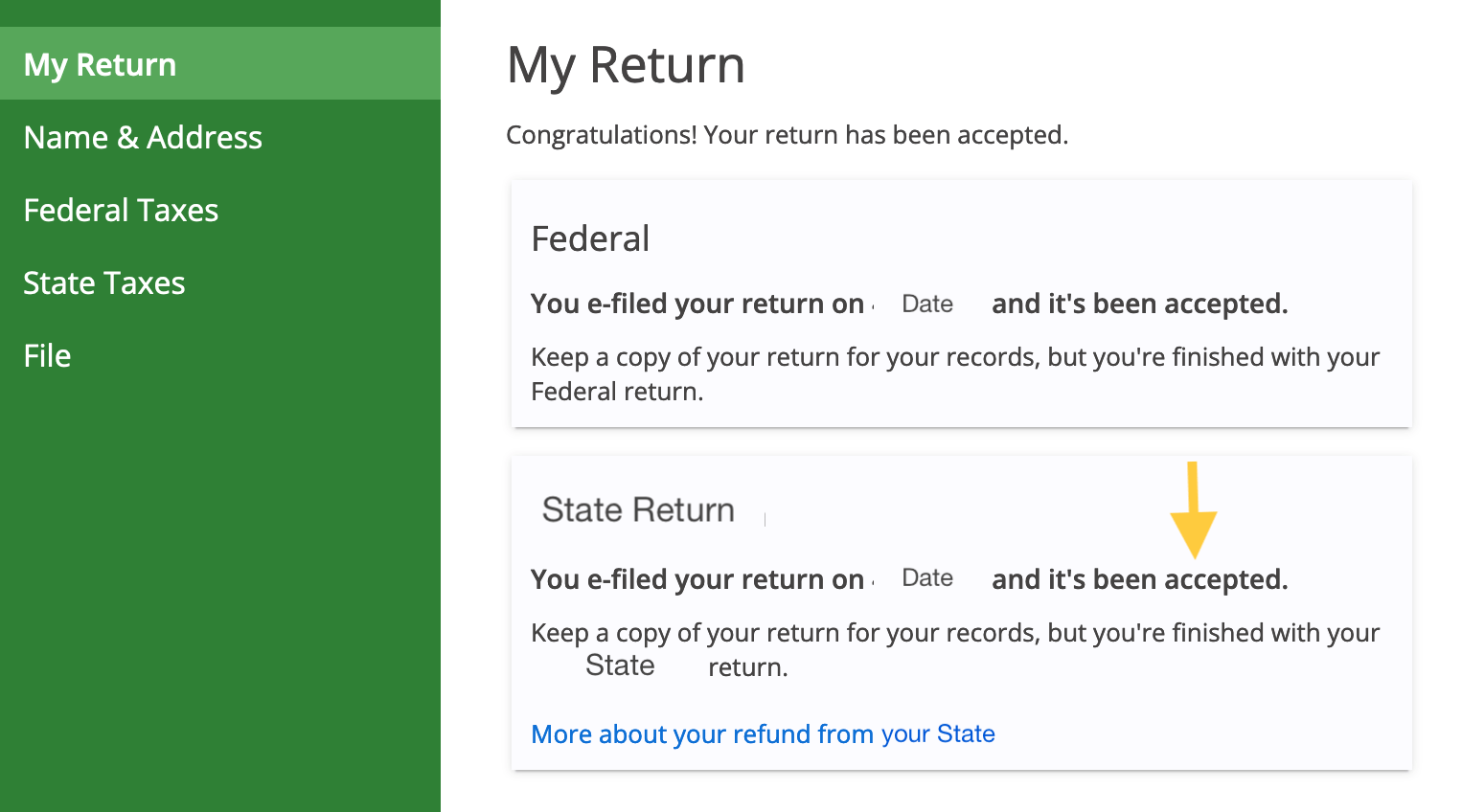
Understanding the Colorado Tax Calendar for a Balanced Lifestyle
The rhythm of tax season can significantly impact your personal and professional lifestyle in Colorado. Planning ahead allows you to allocate resources effectively, reduce stress, and ensure compliance, freeing you up to enjoy all that the Centennial State has to offer. For 2025, anticipating an opening date in late January is a prudent approach, giving you a preliminary benchmark for organizing your financial documents and consulting with tax professionals if needed.
Key Dates for Residents and Seasonal Visitors
The primary tax deadline for most individual taxpayers, both federal and state, usually falls on April 15th. This date marks the cut-off for filing your income tax return and paying any taxes owed without incurring penalties. However, the exact start date for accepting returns is equally important for those who prefer to file early or who are expecting a refund. Early filers can often see their refunds processed sooner, which can be a boon for budgeting future travel plans, investing in lifestyle upgrades, or simply bolstering savings.
For Colorado residents, including those who may spend part of the year out of state but maintain residency, understanding these dates is non-negotiable. Seasonal workers, particularly those in tourism hotspots like Breckenridge, Telluride, or Steamboat Springs, often have unique income streams and residency situations that necessitate careful tax planning. Filing early, once the state systems are open, can help these individuals manage their often fluctuating incomes and avoid last-minute rush and potential errors. Staying informed about the Colorado Department of Revenue’s official announcements is key, typically accessible through their website or local news outlets as the new year approaches.
Implications for Budgeting and Financial Planning
A well-managed tax season is integral to a stable and enjoyable lifestyle. For many, a tax refund can provide a significant financial boost, whether it’s earmarked for a dream vacation to the Rocky Mountains, a down payment on a new home in Denver, or simply reinforcing an emergency fund. Knowing when you can submit your return allows you to project the arrival of any refund and incorporate it into your financial planning. Conversely, for those who anticipate owing taxes, early filing provides ample time to arrange payments without stress, ensuring that your lifestyle isn’t unduly impacted by unexpected financial strains. This proactive approach supports a more carefree existence, allowing you to focus on experiences rather than financial anxieties.
Navigating Tax Season While Embracing the Colorado Lifestyle
The Colorado lifestyle often involves a dynamic mix of work and leisure, sometimes blurring the lines between traditional employment and independent pursuits. This diversity means that tax preparation can vary significantly from person to person, underscoring the importance of early engagement with the tax filing process.
For Digital Nomads and Remote Workers in Colorado
Colorado has become a magnet for digital nomads and remote workers, drawn by its outdoor opportunities, vibrant cities like Boulder and Fort Collins, and strong community spirit. For these individuals, tax residency can be a complex issue, especially if they split their time between multiple states or countries. Understanding the exact start date for Colorado tax returns in 2025 is vital for them to properly establish their tax obligations. Filing early allows more time to untangle multi-state tax issues, claim relevant deductions for home office expenses or business travel, and ensure compliance without disrupting their flexible work-life balance. Proactive tax management is a cornerstone of the digital nomad lifestyle, enabling freedom and mobility.
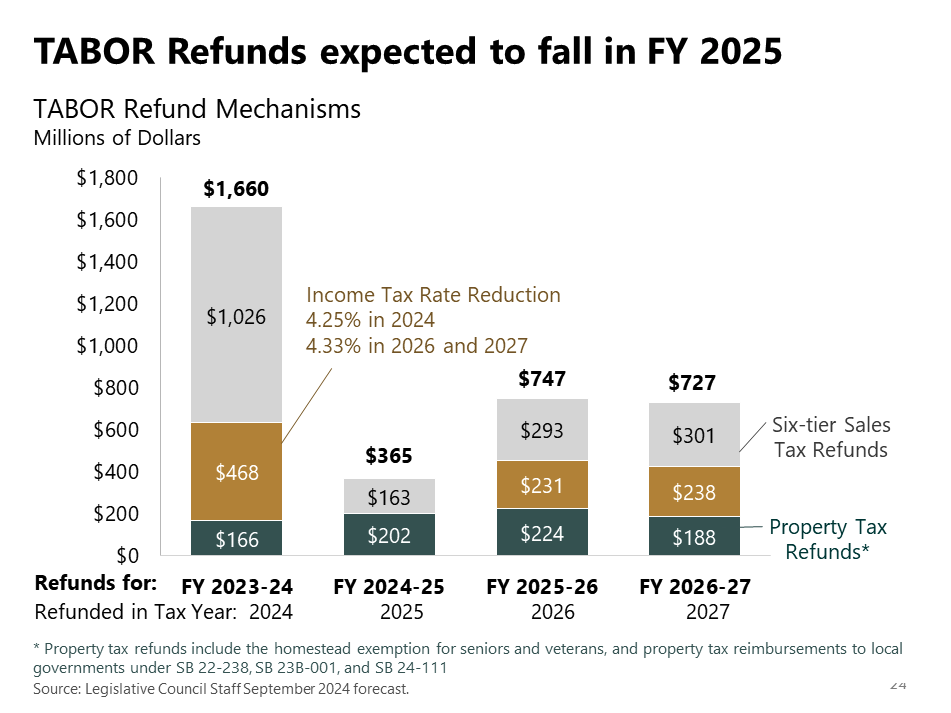
Business Owners and Entrepreneurs
Colorado’s entrepreneurial spirit is palpable, with new businesses emerging in sectors ranging from tech to craft brewing. For small business owners and independent contractors, the tax landscape can be particularly intricate, involving estimated taxes, self-employment taxes, and specific business deductions. The opening of the state tax filing window in late January 2025 provides an important milestone. It signals the official start for businesses to finalize their annual tax reports and reconcile their estimated payments. For entrepreneurs, timely and accurate tax filing is not just about compliance; it’s about maintaining the health and stability of their enterprise, which directly underpins their lifestyle and ability to thrive within the Colorado economy. Efficient tax preparation can free up valuable time and resources, allowing them to reinvest in their business, explore new ventures, or simply take a well-deserved break to enjoy the state’s natural beauty.
Leveraging Tax Planning for Enhanced Colorado Experiences
Strategic tax planning isn’t just about meeting obligations; it’s about optimizing your financial situation to better enjoy and invest in your desired Colorado lifestyle. By understanding key dates and deductions, you can make informed decisions that enhance your quality of life.
Funding Future Adventures: Travel and Recreation
For many, the Colorado lifestyle is synonymous with outdoor adventure—skiing, hiking, mountain biking, and exploring national parks. A well-managed tax season, especially one where you anticipate and receive a timely refund, can directly fund these experiences. Imagine using a tax refund to purchase new ski equipment, book a luxurious stay at a mountain resort, or finance a cross-state road trip. Early filing, once the state starts accepting returns, can expedite this process, putting money back in your pocket sooner and allowing you to plan your adventures without delay. This proactive approach turns tax season from a chore into an enabler of your recreational pursuits.
Investing in Your Colorado Lifestyle
Beyond immediate recreational activities, smart tax planning can contribute to long-term investments in your Colorado lifestyle. This could mean saving for a down payment on a dream home in a desirable neighborhood, funding a child’s education, or making eco-friendly home improvements that align with Colorado’s sustainability values. Understanding tax credits and deductions relevant to your situation—such as those for energy-efficient upgrades or contributions to college savings plans—can significantly impact your financial outlook. By organizing your documents early and being ready to file as soon as Colorado opens its gates for 2025 returns, you position yourself to maximize these benefits, fostering a more secure and enriched lifestyle within the state.
Resources and Support for a Stress-Free Tax Season
Navigating tax season efficiently is key to maintaining a stress-free and enjoyable Colorado lifestyle. Fortunately, numerous resources are available to help individuals and businesses meet their tax obligations with confidence.
State Resources and Professional Advice
The Colorado Department of Revenue (Colorado Department of Revenue) is the primary official source for information regarding state tax filing dates, forms, and regulations. Their website typically provides updates on when they will begin accepting returns for the upcoming tax year, along with guidance for various taxpayer situations. Additionally, consulting with a qualified tax professional—such as a Certified Public Accountant (CPA) or an enrolled agent—can be invaluable, especially for those with complex financial situations, such as multiple income streams, investments, or unique residency statuses. These experts can help ensure accuracy, identify all eligible deductions, and navigate any changes in tax law, offering peace of mind and optimizing your financial outcomes.

Staying Organized Year-Round
The most effective strategy for a smooth tax season is year-round organization. Maintaining meticulous records of income, expenses, charitable contributions, and any significant life changes (like marriage, birth of a child, or property purchase) throughout 2024 will make preparing for the 2025 filing season significantly easier. Utilizing digital tools, cloud storage, and financial management software can streamline this process, ensuring that when Colorado officially opens its doors for 2025 tax returns, you are fully prepared to file accurately and on time. This level of organization not only simplifies tax season but also provides a clearer financial picture throughout the year, empowering you to make informed decisions that support your desired Colorado lifestyle. By planning ahead and staying informed, you can ensure that tax season remains a manageable part of your life, allowing you more time to savor the unique experiences and opportunities that Colorado proudly presents.
LifeOutOfTheBox is a participant in the Amazon Services LLC Associates Program, an affiliate advertising program designed to provide a means for sites to earn advertising fees by advertising and linking to Amazon.com. Amazon, the Amazon logo, AmazonSupply, and the AmazonSupply logo are trademarks of Amazon.com, Inc. or its affiliates. As an Amazon Associate we earn affiliate commissions from qualifying purchases.