
Obtaining a valid identification card in Texas is a crucial step for many residents, whether for daily life, securing employment, or accessing essential services. The primary authority responsible for issuing these identification documents is the Texas Department of Public Safety (DPS). This guide will navigate you through the process of acquiring your official Texas identification card, ensuring you have all the necessary information for a smooth and efficient application.
Understanding Texas Identification Options
Texas offers several types of identification cards, each serving distinct purposes and catering to different needs. The most common is the Texas Driver License, which allows individuals to operate a motor vehicle and serves as primary identification. For those who do not drive, the Texas Identification Card (ID Card) is the ideal alternative. This card is issued by the DPS and is functionally equivalent to a driver’s license in its role as a government-issued photo ID.
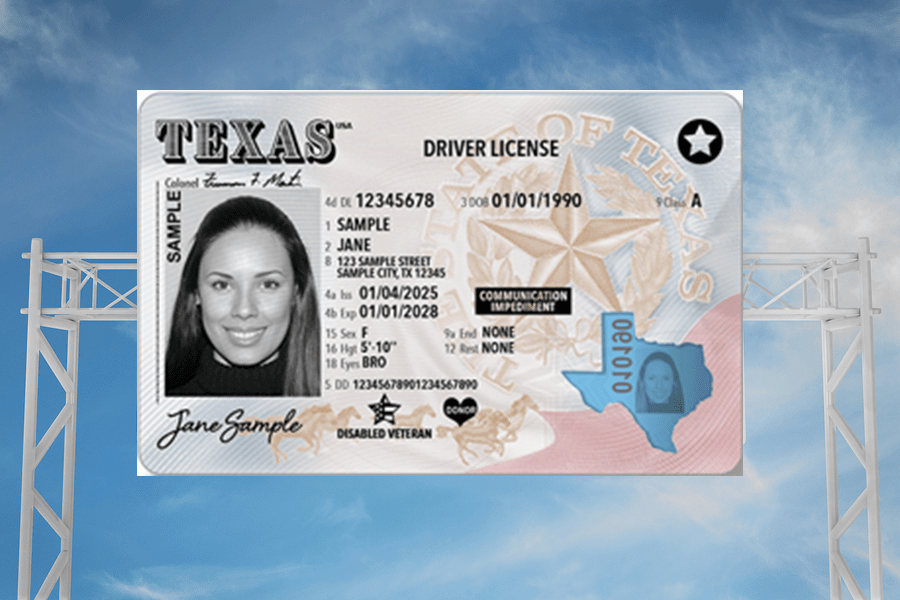
Beyond these, Texas also offers specialized identification for specific groups:
Texas Driver Licenses
The Texas Driver License is the most widely recognized form of identification in the state. It is mandatory for anyone operating a motor vehicle. The application process involves meeting age requirements, passing vision, knowledge, and driving tests, and providing proof of identity and residency.
Texas Identification Cards (ID Card)
The Texas ID Card is designed for individuals who do not need or want a driver’s license but require a state-issued photo identification. This is particularly useful for:
- Younger individuals: Those under the legal driving age who need official identification for various purposes, such as school-related activities or opening a bank account.
- Seniors: For accessing services, proving age for discounts, or general identification needs.
- Non-drivers: Any resident who needs a secure and official form of identification.
The requirements for a Texas ID Card are similar to those for a driver’s license, focusing on proving identity, lawful presence, and Texas residency.
Other Specialized Identification
While the Driver License and ID Card are the most common, Texas DPS also issues:
- Commercial Driver Licenses (CDL): For operating commercial vehicles.
- Provisional Driver Licenses: For young drivers who meet specific criteria.
- Instruction Permits: For learners to practice driving under supervision.
This guide will primarily focus on obtaining a standard Texas ID Card for non-drivers, though many principles apply to driver license applicants as well.
Eligibility Requirements for a Texas ID Card
To be eligible for a Texas ID Card, you must meet specific criteria set forth by the Texas Department of Public Safety. These requirements are designed to ensure the integrity of the identification system and confirm the applicant’s identity and connection to the state.
Residency in Texas
The most fundamental requirement is that you must be a resident of Texas. The DPS will require proof of your residential address within the state. This can be demonstrated through various documents, such as utility bills, lease agreements, or bank statements.
Age
While there isn’t a minimum age to obtain a Texas ID Card, individuals under 18 will require a parent or legal guardian to be present during the application process and to co-sign the application.
Lawful Presence in the United States
You must be able to prove that you are lawfully present in the United States. This typically involves presenting original or certified copies of documents such as:
- A valid U.S. birth certificate.
- A U.S. passport.
- A Certificate of Citizenship or Naturalization.
- A Permanent Resident Card.
- A valid foreign passport with an unexpired U.S. visa and I-94 form.
The specific documents accepted may vary, so it is advisable to consult the official Texas DPS website for the most current list.
Required Documentation for Application
Gathering the correct documents is the most critical part of the application process. The Texas Department of Public Safety employs a document screening system, often referred to as the “Three-Step Verification Process,” to verify your identity, lawful presence, and social security number. You will typically need to present at least one document from each of the following categories:
Proof of Identity
This document confirms your identity and must include your full legal name and date of birth. Examples include:
- U.S. Birth Certificate: An original or certified copy issued by a U.S. state or territory.
- U.S. Passport: A valid and unexpired U.S. passport.
- Foreign Passport: A valid foreign passport with an unexpired U.S. visa and I-94 form.
- Certificate of Citizenship or Naturalization: Form N-560, N-561, N-570, or N-571.
- Permanent Resident Card: Form I-551.
Proof of Lawful Presence
This document verifies your legal status in the United States. Many documents that prove identity also serve as proof of lawful presence. If your identity document does not clearly establish lawful presence, you will need to provide an additional document.
Proof of Social Security Number (SSN)
You must provide evidence of your Social Security Number. This can be:
- Social Security Card: An original or updated Social Security card.
- W-2 Form: A tax form issued by an employer.
- 1099 Form: A tax form issued by a payer.
- Pay Stub: A recent pay stub showing your SSN.

If you do not have a Social Security number, you may be required to provide a letter of ineligibility from the Social Security Administration.
Proof of Texas Residency
You will need to provide at least two documents that prove you reside in Texas. These documents must show your current residential address and be recent (typically within the last 60-90 days, depending on the document). Accepted documents include:
- Utility Bills: Electricity, gas, water, or internet bills.
- Lease Agreements or Mortgage Statements: Current and active.
- Bank Statements: From a Texas-based financial institution.
- Texas Vehicle Registration or Title: Current.
- Insurance Policies: Homeowners or renters insurance policy.
- School Transcripts or Report Cards: For individuals under 18, from a Texas school.
Important Note: All documents must be original or certified copies. Photocopies or faxed documents are generally not accepted. It is highly recommended to visit the Texas DPS website to review the most up-to-date list of acceptable documents before your appointment.
The Application Process Step-by-Step
Once you have gathered all your necessary documentation, you are ready to begin the application process. This process is managed by the Texas Department of Public Safety.
Step 1: Schedule an Appointment
While walk-in appointments may be available at some Texas DPS Driver License offices, it is strongly recommended to schedule an appointment in advance. This will significantly reduce your waiting time and ensure that you are seen promptly. Appointments can typically be scheduled online through the Texas DPS website.
Step 2: Visit a Texas DPS Driver License Office
On the day of your appointment, arrive at your chosen Texas DPS Driver License office with all your original or certified documents. Be prepared for security screening upon entry.
Step 3: Complete the Application Form
You will be provided with an application form (DPS/ID-44) to complete. This form will ask for your personal information, including your name, address, date of birth, and other relevant details. Ensure you fill it out accurately and legibly.
Step 4: Document Verification
The DPS representative will carefully review all the documents you have provided to verify your identity, lawful presence, and Social Security Number. They will ensure that the documents meet all the requirements.
Step 5: Vision Test
A basic vision test will be administered to ensure you meet the state’s vision standards for identification. This is a simple screening process.
Step 6: Photo and Signature
Your photograph will be taken for the ID card. You will also be asked to provide your signature, which will appear on the card.
Step 7: Pay the Fee
There is a fee associated with obtaining a Texas ID Card. The exact amount can vary slightly, so it’s best to check the current fee schedule on the Texas DPS website. Payment is usually accepted in the form of cash, check, money order, or credit/debit card.
Step 8: Receive Your Temporary Identification
Upon successful completion of the application and payment, you will be issued a temporary identification card. This temporary card is valid for a specified period, typically 60 to 90 days, and serves as your official identification while you await your permanent card.
Step 9: Receive Your Permanent Identification Card
Your permanent Texas ID Card will be mailed to your registered address within a few weeks. The timeframe can vary, so be patient. Once received, carefully check that all the information on the card is accurate.
Maintaining and Renewing Your Texas ID Card
Your Texas Identification Card is a valuable document, and it’s important to keep it current. The validity period for a Texas ID Card is typically four years, or eight years for certain eligible individuals.
Renewal Process
The Texas Department of Public Safety will typically send a renewal notice by mail or email before your card expires. Renewal can often be completed:
- Online: For eligible individuals, online renewal is a convenient option. You will need to access your account on the Texas DPS website.
- By Mail: In some cases, renewal by mail may be possible.
- In Person: You can also renew your ID card by visiting a Texas DPS Driver License office. It is advisable to schedule an appointment for in-person renewals.
The requirements for renewal are generally less extensive than for the initial application, but you may still need to provide proof of residency if your address has changed.
Lost or Stolen Identification
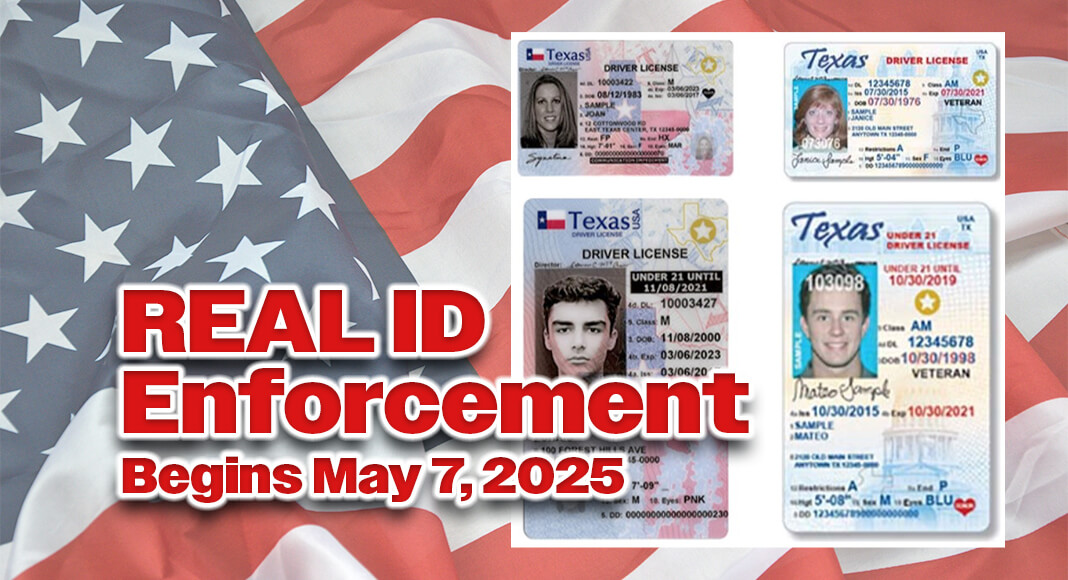
If your Texas ID Card is lost or stolen, you should report it to the Texas DPS immediately. You can apply for a replacement card, which will involve a similar process to the initial application, including providing documentation and paying a fee. It is also a good practice to file a police report for lost or stolen identification.
Updating Information
If you move or change your legal name, you are required to update your identification information with the Texas DPS within a specific timeframe. Failure to do so can result in penalties. Updates can typically be done online or in person at a Driver License office.
Obtaining an official identification card in Texas is a straightforward process when you are well-prepared. By understanding the requirements, gathering the necessary documents, and following the outlined steps, you can successfully acquire your Texas ID Card, ensuring you have a recognized and reliable form of identification for all your needs.
LifeOutOfTheBox is a participant in the Amazon Services LLC Associates Program, an affiliate advertising program designed to provide a means for sites to earn advertising fees by advertising and linking to Amazon.com. Amazon, the Amazon logo, AmazonSupply, and the AmazonSupply logo are trademarks of Amazon.com, Inc. or its affiliates. As an Amazon Associate we earn affiliate commissions from qualifying purchases.