
The acquisition of Puerto Rico by the United States is a pivotal moment in the island’s history, profoundly shaping its political status, cultural identity, and economic trajectory. While often perceived as a simple territorial transfer, the events leading up to and following this acquisition are complex, involving geopolitical ambitions, military conflict, and significant diplomatic maneuvers. Understanding this historical context is essential for anyone seeking to appreciate the unique position Puerto Rico occupies today, from its stunning landscapes to its vibrant local culture.
The Spanish-American War and its Aftermath
The definitive period when the United States acquired Puerto Rico is directly tied to the conclusion of the Spanish-American War in 1898. This conflict, a relatively short but impactful war, pitted the burgeoning global power of the United States against the waning colonial empire of Spain. The war’s origins were multifaceted, fueled by American expansionist sentiment, humanitarian concerns over Spanish actions in Cuba, and sensationalist press coverage.

The Invasion of Puerto Rico
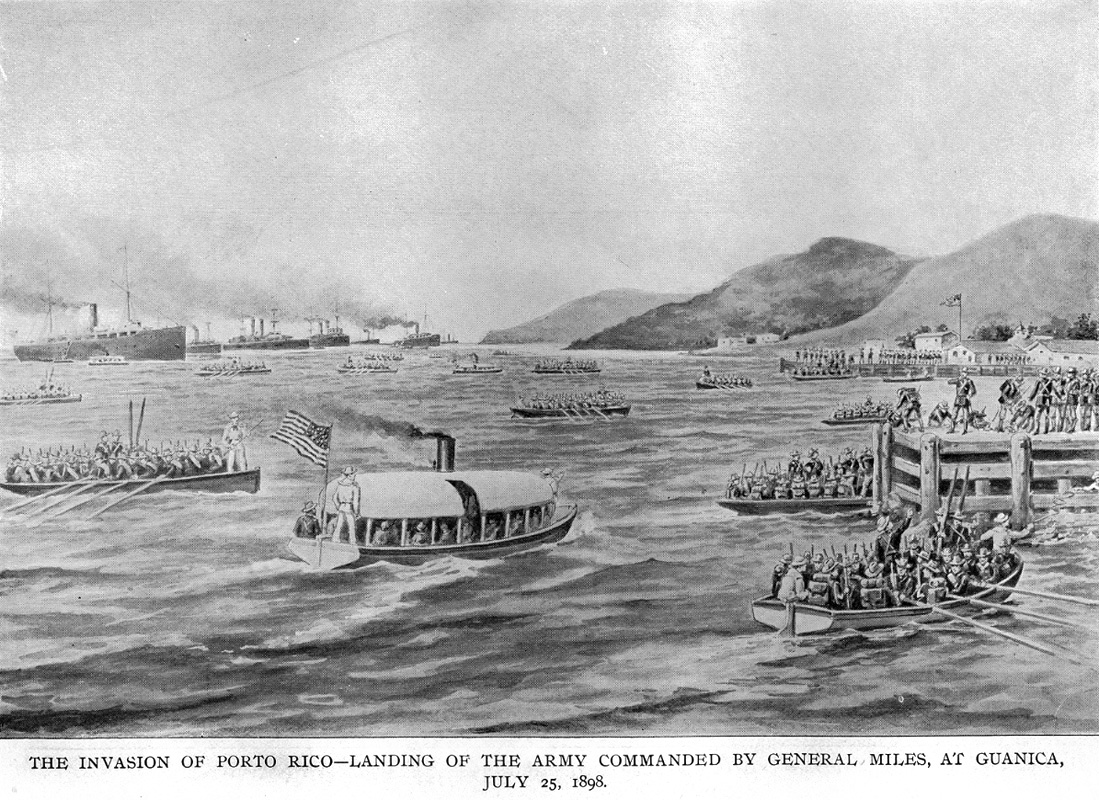
As the Spanish-American War escalated, the U.S. military saw Puerto Rico as a strategic prize. The island’s location in the Caribbean offered a valuable foothold for American naval power and commercial interests in the region. On July 25, 1898, U.S. forces under the command of General Nelson A. Miles landed at Guánica. The invasion was met with limited resistance, as Spanish forces were already depleted and demoralized by the war’s progression. U.S. troops swiftly advanced across the island, encountering largely welcoming sentiments from segments of the Puerto Rican population, many of whom were eager for a change in governance after centuries of Spanish rule and disillusioned with Spain’s colonial policies. The swift military occupation underscored the island’s vulnerability and its strategic importance to the United States. The campaign lasted only a few weeks, and by August, U.S. control was effectively established over most of the island.
The Treaty of Paris (1898)
The formal transfer of sovereignty occurred with the signing of the Treaty of Paris on December 10, 1898. This treaty officially ended the Spanish-American War. Under its terms, Spain ceded not only Puerto Rico but also Cuba and Guam to the United States. In exchange for the Philippines, the U.S. paid Spain $20 million. For Puerto Rico, this marked the end of over 400 years of Spanish colonial administration. The treaty established Puerto Rico as a territory of the United States, setting the stage for a new and complex relationship. The initial U.S. military government was replaced by a civilian administration in 1900, under the provisions of the Foraker Act.
The Foraker Act and the Path to Commonwealth Status
The U.S. Congress’s legislative actions in the years following the acquisition further defined Puerto Rico’s status and its relationship with the mainland. The Foraker Act, also known as the Organic Act of 1900, was a landmark piece of legislation that established a framework for civil government in Puerto Rico.
Establishing Civil Government
The Foraker Act created a non-incorporated territory, meaning that the U.S. Constitution did not fully apply to Puerto Rico, and its residents were not U.S. citizens at that time. A governor and executive council were appointed by the President of the United States, and a locally elected House of Delegates was established. This act laid the groundwork for U.S. governance and economic integration, facilitating trade and investment but also cementing a subordinate political status. The economic policies enacted under this framework aimed to align Puerto Rico’s economy with that of the United States, leading to significant changes in agriculture and industry.
The Jones-Shafroth Act and Citizenship
A significant evolution in the relationship between the U.S. and Puerto Rico occurred with the passage of the Jones-Shafroth Act in 1917. This act granted statutory U.S. citizenship to all residents of Puerto Rico. It also established a locally elected Senate, further increasing self-governance, while still maintaining the U.S. President’s power to appoint the governor and other key officials. The introduction of U.S. citizenship had profound implications for the island’s inhabitants, offering certain rights and protections but also entangling them more deeply in U.S. national affairs, including conscription into the U.S. military during World War I. The debate over political status and the desire for greater autonomy continued to be a dominant theme in Puerto Rican politics.

Towards Commonwealth Status
The journey towards the current political status of Puerto Rico as an unincorporated U.S. territory with commonwealth status, or Estado Libre Asociado (Free Associated State), was a lengthy and ongoing process. This status was established in 1952 with the adoption of Puerto Rico’s constitution, following a plebiscite. While this granted the island greater autonomy in internal affairs, it did not alter its fundamental status as a U.S. territory, and key decisions regarding foreign policy, defense, and currency remained under federal jurisdiction. The designation of Puerto Rico as a commonwealth has been a subject of continuous debate and political aspiration for statehood, independence, or enhanced autonomy.
Geopolitical Context and American Ambitions
The acquisition of Puerto Rico was not an isolated event but part of a broader U.S. foreign policy shift towards becoming a global power. The late 19th century witnessed a significant expansion of American influence, driven by a combination of economic imperatives, strategic considerations, and a burgeoning sense of manifest destiny.
The Rise of American Imperialism
Following the Civil War, the United States began to look outward, seeking new markets for its industrial output and raw materials. This era, often termed the age of American imperialism, saw the U.S. engage in territorial acquisitions and exert influence in regions previously dominated by European powers. The annexation of territories like Hawaii and the victory in the Spanish-American War were crucial steps in this trajectory. Puerto Rico, with its strategic location controlling access to the Caribbean and the potential for naval bases, fit perfectly into this expansionist vision. The control of key maritime routes and the establishment of military outposts were paramount for projecting American power.
Strategic Importance in the Caribbean
The Caribbean basin held immense strategic value for the United States in the late 19th and early 20th centuries. The opening of the Panama Canal in 1914, a project heavily influenced and eventually completed by the U.S., further amplified the importance of controlling surrounding territories. Puerto Rico provided a crucial staging ground for naval operations, a coaling station, and a defensive outpost that could safeguard American shipping lanes and protect interests in Central and South America. Its acquisition was a key component of the U.S. strategy to establish dominance in its “backyard” and ensure its security and economic interests in the hemisphere. The island’s acquisition was thus a calculated move to bolster America’s emerging status as a major naval and economic power on the world stage.
Legacy and Contemporary Significance
The acquisition of Puerto Rico by the United States in 1898 continues to resonate today, influencing its political status, economy, and cultural landscape. The island remains a territory of the United States, a status that has generated ongoing debate and aspirations for self-determination.
Political Status Debates
The question of Puerto Rico’s political future is a persistent and complex issue. The current commonwealth status, while offering a degree of self-governance, is viewed by many as a form of colonial dependency. Plebiscites have been held periodically to gauge public opinion on options such as statehood, independence, or enhanced commonwealth status. The results of these votes have often been contested or have not led to definitive action from the U.S. Congress, leaving the island in a state of political uncertainty. This enduring debate is a direct legacy of the 1898 acquisition and the subsequent legislative framework.
Economic and Social Impact
The economic relationship between the United States and Puerto Rico has been shaped significantly by the 1898 acquisition. While U.S. investment and federal programs have brought infrastructure development and opportunities, concerns persist regarding economic disparities, reliance on federal aid, and the impact of U.S. trade policies. The island has experienced periods of economic boom and bust, and challenges such as high unemployment and emigration have been significant. Socially, the integration into the American system has led to a unique cultural synthesis, blending Spanish and American influences. The U.S. acquisition also brought changes to the island’s education system, healthcare, and legal framework. Understanding when Puerto Rico became a U.S. territory is crucial for grasping the historical underpinnings of these ongoing economic and social dynamics.
LifeOutOfTheBox is a participant in the Amazon Services LLC Associates Program, an affiliate advertising program designed to provide a means for sites to earn advertising fees by advertising and linking to Amazon.com. Amazon, the Amazon logo, AmazonSupply, and the AmazonSupply logo are trademarks of Amazon.com, Inc. or its affiliates. As an Amazon Associate we earn affiliate commissions from qualifying purchases.