
Texas, a state renowned for its expansive landscapes and vibrant culture, often experiences dramatic shifts in weather. While its summers are famously hot, the Texan winter can bring unexpected, and at times severe, cold snaps and freezes. For residents and visitors alike, understanding how to prepare for these events is crucial for comfort, safety, and the preservation of property. This guide offers comprehensive advice tailored to navigating a Texan freeze, focusing on practical preparations that minimize disruption and maximize resilience, aligning with the ethos of robust Lifestyle choices for Texans and those exploring its unique charm.
Understanding the Texan Freeze Phenomenon
Texas’s geographical position makes it susceptible to polar air masses pushing south, particularly during winter months. These cold fronts can descend rapidly, leading to significant drops in temperature, often accompanied by freezing rain, sleet, or snow. Unlike regions with more predictable, prolonged winters, Texan freezes can be fleeting but intensely impactful.
The Impact on Daily Life
The consequences of a sudden freeze in Texas can be widespread. Power outages are a significant concern, as demonstrated by past events, due to strain on the energy grid. Water pipes can freeze and burst, leading to costly damage and service disruptions. Transportation can become hazardous, with icy roads posing risks to drivers. For those planning Travel to or within the state, or considering a stay at a Hotel or Resort, understanding these potential impacts is the first step in effective preparation. Even outdoor activities and exploring local Landmarks can be affected, requiring adjustments to itineraries.
Differentiating Freeze Types
Not all freezes are created equal. Understanding the nuances can help tailor preparation efforts.
- Hard Freeze: Temperatures are expected to remain at or below 28°F (-2.2°C) for an extended period. This is when the risk of significant damage to plants, outdoor plumbing, and infrastructure is highest.
- Freeze Watch/Warning: These advisories are issued by meteorological services to alert the public about potential or imminent freezing conditions. A watch indicates conditions are favorable for a freeze, while a warning signifies that a freeze is expected or occurring.
Preparing Your Home and Property
A proactive approach to home preparation is paramount to weathering a Texan freeze successfully. This involves securing essential utilities, protecting vulnerable infrastructure, and ensuring a comfortable indoor environment.
Protecting Your Plumbing
Frozen pipes are a common and costly problem during Texan freezes. Taking preventive measures can save significant expense and inconvenience.
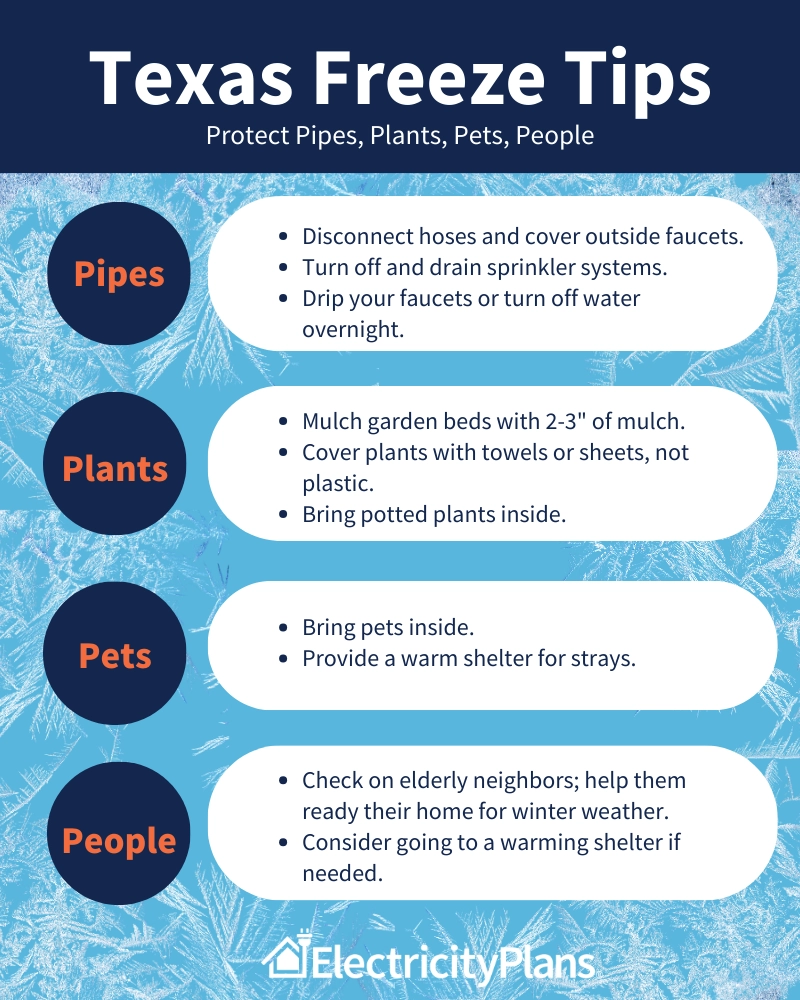
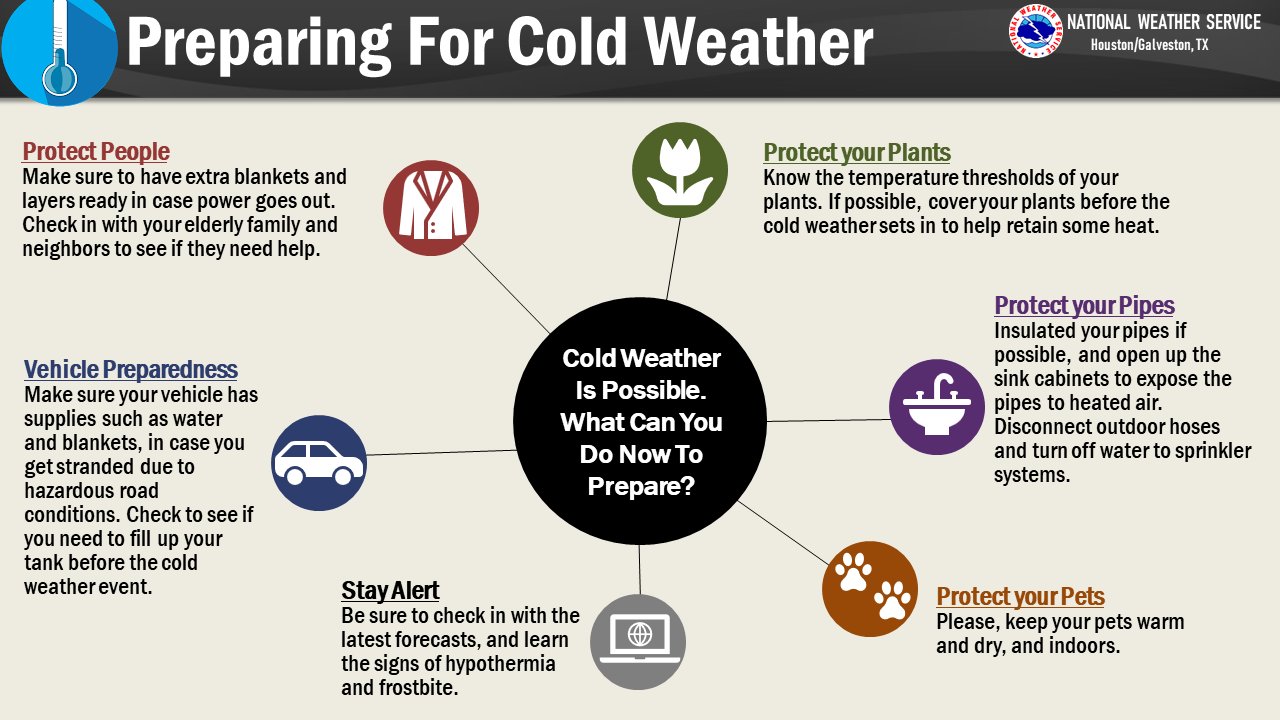
- Insulate Exposed Pipes: Any water pipes located in unheated areas, such as garages, crawl spaces, or basements, should be insulated. This can be done with foam pipe insulation sleeves or fiberglass.
- Seal Air Leaks: Identify and seal any leaks or openings in walls or foundations that allow cold air to reach water lines. Weatherstripping and caulk are effective for this purpose.
- Allow Faucets to Drip: During a hard freeze, allowing a slow drip from faucets connected to exposed pipes can prevent them from freezing by keeping water moving. Even a small trickle can make a difference.
- Disconnect and Drain Outdoor Hoses: Remove all garden hoses from outdoor faucets. These can trap water and freeze, potentially damaging the faucet and the hose itself. Store them in a dry place.
- Consider Interior Shut-Offs: If you have specific outdoor water lines, such as for sprinkler systems, locate the interior shut-off valve and drain the lines completely.
Securing Your Energy Supply
Power outages can exacerbate the discomfort and danger of a freeze. While you cannot control the grid, you can take steps to prepare for potential interruptions.
- Stock Emergency Supplies: Ensure you have a well-stocked emergency kit. This should include non-perishable food items, bottled water, flashlights with extra batteries, a first-aid kit, and any necessary medications.
- Alternative Heating Sources: If you have a fireplace or a safe, indoor-approved portable heater, ensure you have adequate fuel (e.g., firewood, propane) and know how to operate them safely. Never use outdoor grills or generators indoors.
- Charge Electronic Devices: Fully charge all mobile phones, power banks, and other essential electronic devices before the freeze hits.
- Generator Preparedness: If you own a generator, ensure it is in good working order, you have enough fuel, and you are familiar with its safe operation. Always run generators outdoors, away from windows and doors.
- Protect Home Exterior: Consider covering windows with heavy drapes or thermal curtains to help retain heat.
Protecting Outdoor Flora and Fauna
Texas’s diverse plant life and numerous outdoor pets require specific attention during freezing temperatures.
- Cover Sensitive Plants: For ornamental plants and vegetable gardens, cover them with frost cloths, blankets, or tarps. Ensure the covering extends to the ground to trap heat from the soil. For larger shrubs or trees, burlap wraps can provide protection.
- Bring Potted Plants Indoors: Any potted plants on patios or balconies should be moved indoors to a protected area.
- Pet Safety: Ensure outdoor pets have access to a well-insulated shelter that is protected from wind and moisture. Provide fresh water, as it can freeze quickly. Consider bringing pets indoors during the coldest parts of the freeze, especially small or elderly animals.
- Protect Agricultural Interests: For those with larger agricultural operations, specific measures such as using wind machines, sprinklers (in certain conditions), or covering crops may be necessary, often requiring advanced planning and knowledge of local agricultural best practices.
Preparing for Travel and Temporary Stays
For those who travel frequently or are planning a visit to Texas during the winter months, understanding freeze preparedness is essential for a safe and enjoyable experience. This section offers advice for navigating Travel and temporary Accommodation.
When Traveling Within Texas
If your travel plans involve traversing Texas during a freeze advisory, exercising caution is paramount.
- Monitor Weather and Road Conditions: Continuously check local weather forecasts and traffic reports from authorities like Texas Department of Transportation (TxDOT). Many areas provide real-time road condition maps.
- Adjust Travel Plans: If severe weather is predicted, consider delaying your trip. Non-essential travel should be avoided during a hard freeze, especially on rural roads that may be less maintained.
- Vehicle Preparedness: Ensure your vehicle is in good condition. Check tire pressure, antifreeze levels, and windshield wiper fluid. Keep your gas tank at least half full to prevent fuel lines from freezing.
- Emergency Car Kit: Pack an emergency kit for your vehicle, including blankets, non-perishable food, water, a flashlight, jumper cables, and a basic tool kit.
Staying in Hotels and Resorts
Texan Hotels and Resorts are generally well-equipped to handle cold weather. However, guests can take additional steps to ensure comfort and safety.
- Inquire About Preparedness: If you are concerned, contact your chosen Hotel or Resort in advance to inquire about their specific freeze preparedness plans, particularly regarding potential power or water outages. Many establishments, especially larger ones like the Four Seasons Hotel Houston or Marriott properties, have backup generators and robust building insulation.
- Room Selection: If possible, request a room on an interior or lower floor, as these may be less exposed to extreme cold.
- Familiarize Yourself with Amenities: Understand the hotel’s heating system and any available amenities that can help you stay warm and comfortable.
- Pack Accordingly: Bring warm clothing, even if you are traveling from a colder climate, as Texans may not always be accustomed to preparing for prolonged deep freezes. Layers are key.
Short-Term Rental and Apartment Considerations
For those opting for short-term rentals, such as those found on platforms like Airbnb or VRBO, or staying in apartments, the responsibility for preparation often falls more directly on the individual.
- Communicate with Hosts: Discuss any concerns about freeze preparedness with your host. Ask about the heating system, insulation, and if they have taken specific measures to protect the property.
- Inspect Plumbing: Before the freeze, check for any exposed pipes in the rental unit and report any concerns to the host immediately.
- Emergency Supplies: Be prepared to provide your own emergency supplies, as hosts may not always stock them for transient guests.
- Understand Building Policies: If staying in an apartment complex, be aware of any building-wide emergency procedures or recommendations.
Post-Freeze Recovery and Safety
Once the worst of the freeze has passed, a period of recovery and vigilance is necessary.
Checking for Damage
Carefully inspect your property for any signs of damage.
- Water Leaks: Look for water stains on ceilings or walls, listen for dripping sounds, and check around pipes and fixtures for any signs of leaks or bursts.
- Exterior Damage: Inspect your roof, gutters, and any outdoor structures for damage from ice accumulation or falling debris.
- Plant Health: Assess the condition of your plants. Many may appear damaged but can recover with proper care. Prune away dead or damaged sections only after the risk of further freezing has passed.
Restoring Utilities and Services
If utilities were affected, follow official guidance for their restoration.
- Water System: If you suspect a frozen pipe, do not turn on the water forcefully. If you can locate the frozen area, you can try to gently warm it with a hairdryer or warm towels. If a pipe has burst, shut off the main water supply immediately and contact a plumber.
- Electricity: If power was out, check your circuit breaker box to ensure all breakers are in the proper position once power is restored.
- Natural Gas: If you smell natural gas, evacuate the building immediately and call your gas provider from a safe location.

Maintaining Well-being
During and after a freeze, prioritizing personal well-being is essential.
- Stay Informed: Continue to monitor weather updates and advisories from local authorities.
- Conserve Energy: Even after the immediate threat has passed, conserve energy to help the grid recover and manage demand.
- Community Support: Check on neighbors, especially elderly or vulnerable individuals, and offer assistance if needed. Many Texan communities have established traditions of mutual aid during emergencies.
Preparing for a freeze in Texas is an exercise in foresight and preparedness. By taking these steps, residents and visitors can significantly mitigate the risks associated with cold weather events, ensuring a safer and more comfortable experience across the diverse and resilient state of Texas. Whether you are a lifelong resident or a first-time visitor planning to explore Austin‘s live music scene or San Antonio‘s historic missions, being ready for winter’s chill is part of embracing the full Lifestyle of the Lone Star State.
LifeOutOfTheBox is a participant in the Amazon Services LLC Associates Program, an affiliate advertising program designed to provide a means for sites to earn advertising fees by advertising and linking to Amazon.com. Amazon, the Amazon logo, AmazonSupply, and the AmazonSupply logo are trademarks of Amazon.com, Inc. or its affiliates. As an Amazon Associate we earn affiliate commissions from qualifying purchases.