
Navigating the process of transferring a vehicle title in Nevada can seem daunting, but with a clear understanding of the requirements and steps involved, it becomes a manageable task. Whether you’ve purchased a vehicle, gifted it, or inherited it, a proper title transfer ensures you have legal ownership. This guide will walk you through the essential information needed to successfully complete a title transfer in the Silver State.
Understanding Nevada Title Transfer Basics
A vehicle title is a crucial legal document that serves as proof of ownership. In Nevada, the Department of Motor Vehicles (DMV) oversees all title transfers. The process primarily involves accurately completing specific forms, providing necessary documentation, and paying applicable fees and taxes. It’s essential to initiate the title transfer promptly after acquiring a vehicle to avoid any legal complications or penalties.
Key Documents and Information Required
Before you begin filling out any paperwork, gather the following essential items. Having everything prepared will expedite the process and prevent multiple trips to the Nevada DMV.
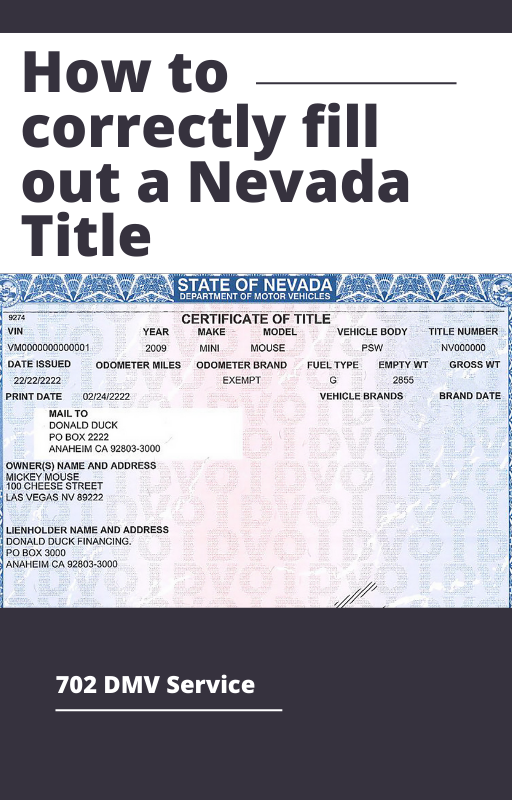
- The Existing Vehicle Title: This is the most critical document. It must be the original title, signed over by the previous owner (the seller). Ensure all fields on the title are filled out completely and accurately, including the seller’s and buyer’s names, addresses, vehicle information (VIN, make, model, year), odometer reading, and sale price.
- Bill of Sale: While not always mandatory if the title is properly completed, a bill of sale is highly recommended. It serves as a receipt and a record of the transaction, detailing the buyer, seller, vehicle, date of sale, and sale price. Some situations, like gifting a vehicle, may require a specific affidavit instead of a standard bill of sale.
- Proof of Identity: Both the buyer and seller will need to provide valid identification. This typically includes a Nevada driver’s license, state-issued ID card, or other acceptable forms of photo identification.
- Proof of Insurance: Nevada law requires all registered vehicles to have continuous liability insurance. You’ll need to present proof of insurance for the vehicle you are transferring into your name. This usually includes an insurance card or policy declaration page.
- Odometer Disclosure Statement: Federal and state laws require an accurate disclosure of the vehicle’s mileage at the time of sale. This is typically part of the title document itself or a separate form provided by the Nevada DMV.
- Emissions Inspection Certificate (if applicable): Depending on the vehicle’s age and the county in which it will be registered, an emissions inspection may be required. Check with the Nevada DMV for specific county requirements.
- Lien Release (if applicable): If the previous owner had a loan on the vehicle, you will need a lien release from the lender, confirming the loan has been paid off. This document is crucial for a clear title transfer.
The Seller’s Responsibilities
The seller plays a vital role in ensuring a smooth title transfer. Their primary responsibilities include:
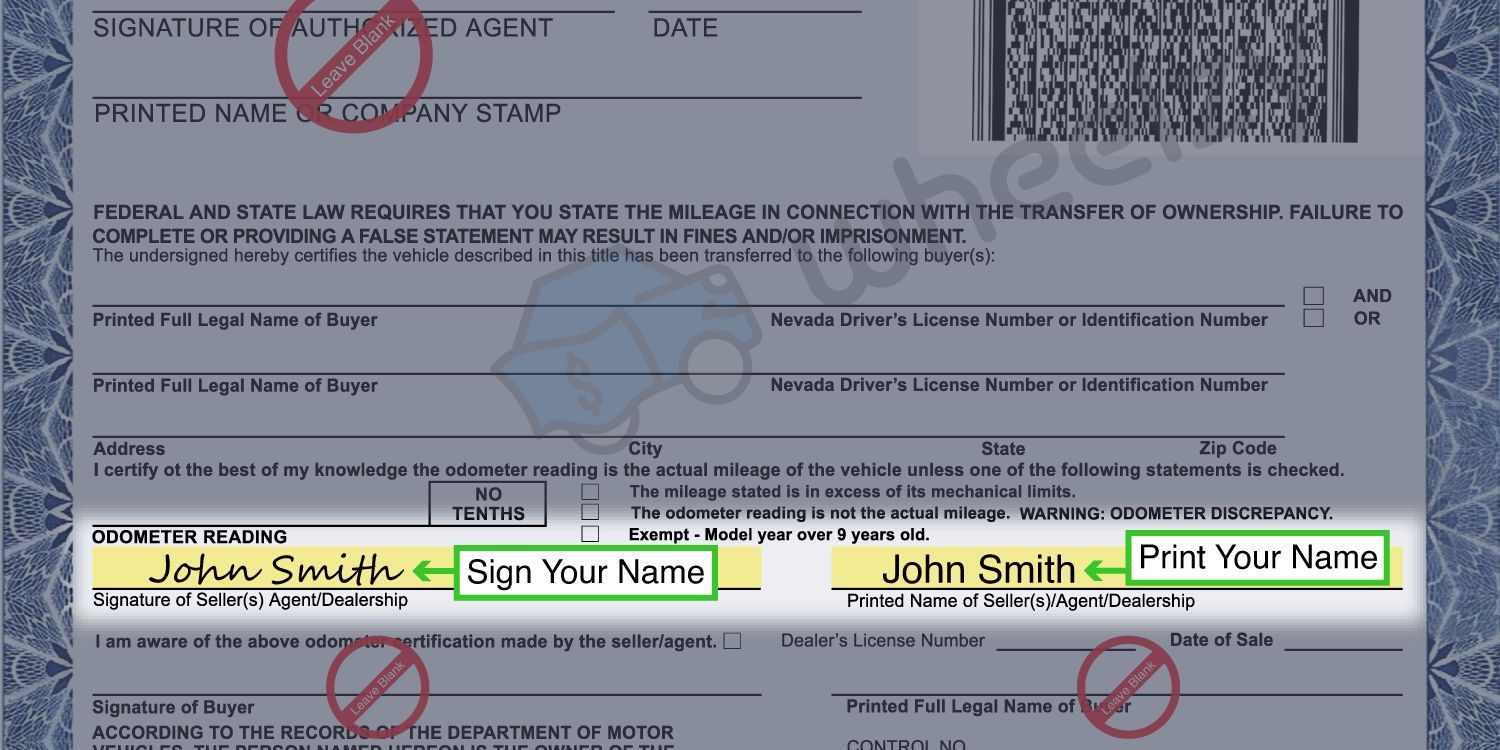
- Signing the Title: The seller must accurately sign the title over to the buyer. This includes their printed name, signature, and often the date.
- Providing an Accurate Odometer Reading: The seller is legally obligated to provide the correct odometer reading at the time of sale.
- Completing the Sale Section: The seller should fill out the section on the title that details the sale price, date of sale, and their address.
- Providing a Bill of Sale (Recommended): As mentioned, a bill of sale offers an extra layer of protection for both parties.
The Buyer’s Responsibilities
As the buyer, you are responsible for completing the title transfer process with the Nevada DMV. Your tasks include:
- Obtaining a Signed Title: Ensure the seller has properly signed over the title to you.
- Completing Buyer Information: Fill in your personal details, including your name, address, and signature on the title and any other required forms.
- Providing Odometer Reading: Accurately record the odometer reading on the necessary documents.
- Submitting Required Documentation: Present all the gathered documents to the Nevada DMV for processing.
- Paying Fees and Taxes: Be prepared to pay the title transfer fee, registration fees, and any applicable sales tax.
Step-by-Step Guide to Filling Out the Nevada Title Transfer Form
The core of the title transfer process in Nevada lies in accurately completing the Application for a Certificate of Title (NRS 482.410). While the exact layout may vary slightly, the essential information remains consistent.
Section 1: Vehicle Information
This section requires precise details about the vehicle being transferred.
- Vehicle Identification Number (VIN): This unique 17-digit number is the most critical identifier for your vehicle. It’s usually found on the dashboard on the driver’s side, on the driver’s side doorjamb, or on the vehicle’s registration. Ensure it is copied exactly as it appears on the title and the vehicle itself.
- Make, Model, and Year: Provide the manufacturer’s name (e.g., Ford, Toyota), the specific model (e.g., F-150, Camry), and the year the vehicle was manufactured.
- Body Style: Indicate the vehicle’s body type (e.g., Sedan, SUV, Truck, Coupe).
- Color: State the exterior color of the vehicle.
Section 2: Owner Information
This is where the buyer’s details are entered.
- Your Full Legal Name: Enter your first, middle (if applicable), and last name.
- Your Address: Provide your current residential street address, city, state, and ZIP code.
- Your Driver’s License Number/ID Card Number: This is required for identification purposes.
- Date of Birth: Your date of birth will be needed.
- Phone Number: A contact phone number is essential.
Section 3: Seller Information and Odometer Disclosure
This section is typically filled out by the seller, but the buyer must ensure it is completed correctly.
- Seller’s Full Legal Name: The seller’s complete name as it appears on their identification.
- Seller’s Address: The seller’s current residential address.
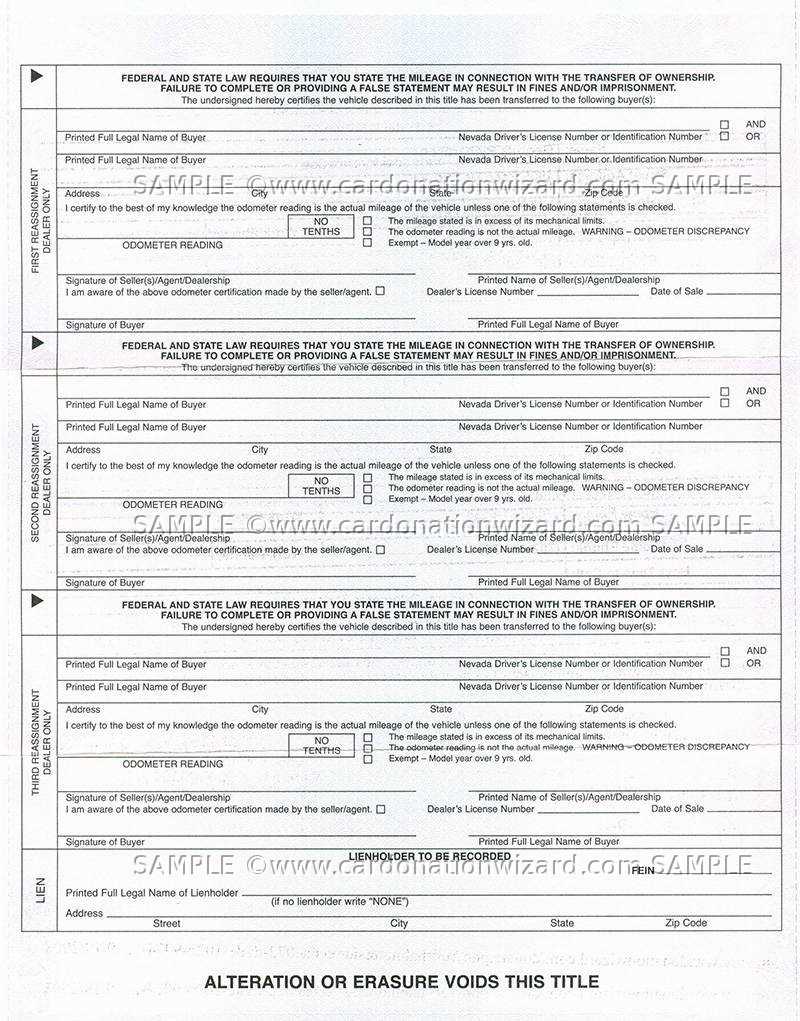
- Odometer Reading: The seller must accurately record the mileage at the time of sale. It’s crucial to check the box indicating whether the reading is actual, not actual mileage, or exceeds mechanical limits, as per federal regulations.
- Sale Price: The amount the vehicle was sold for. This is important for calculating sales tax.
- Date of Sale: The date the transaction officially took place.
Section 4: Signatures
This is the legal confirmation of the transfer.
- Seller’s Signature: The seller must sign here.
- Buyer’s Signature: The buyer must sign here, indicating their agreement to the terms of the sale and their intent to register the vehicle.
- Date: Both parties should date their signatures.
Section 5: Lienholder Information (if applicable)
If there was an outstanding loan on the vehicle, this section will be relevant.
- Lienholder Name and Address: Details of the financial institution that held the lien.
- Lien Release: A signed and dated lien release from the lender is typically required to clear the title.
Submitting Your Application to the Nevada DMV
Once all sections of the title transfer application are meticulously filled out and signed, and you have gathered all supporting documents, it’s time to visit a Nevada DMV office.
Scheduling an Appointment
While Nevada DMV offices accept walk-ins, scheduling an appointment online or by phone is highly recommended. This can significantly reduce your waiting time. Check the official Nevada DMV website for the most up-to-date information on appointment availability and procedures.
What to Expect at the DMV
Upon arrival at the Nevada DMV, present your completed title transfer application and all supporting documents to a DMV representative. They will review your paperwork for accuracy and completeness.
- Fee Payment: You will be required to pay the title transfer fee, registration fees, and any applicable Nevada sales tax. The sales tax is typically calculated based on the purchase price of the vehicle or its book value, whichever is greater.
- New Registration: After the title transfer is processed, you will also need to register the vehicle in your name, which involves obtaining new license plates and registration stickers.
- New Title Issuance: The Nevada DMV will then process your application and mail you a new vehicle title in your name. This process can take several weeks.
Common Pitfalls and How to Avoid Them
Even with careful preparation, certain common mistakes can delay or complicate your title transfer. Being aware of these pitfalls can help you navigate the process smoothly.
Incomplete or Inaccurate Information
- Problem: Missing signatures, incorrect VIN, misspelled names, or illegible handwriting can lead to rejection of your application.
- Solution: Double-check every field for accuracy and legibility. Ensure all required parties have signed and dated the necessary documents. Use a pen with black or blue ink.
Unsigned or Improperly Signed Titles
- Problem: A seller forgetting to sign the title, or signing it incorrectly, is a frequent issue.
- Solution: Before leaving the seller, verify that the title is fully and correctly signed over to you. If there’s an issue, address it with the seller immediately.
Missing Lien Release
- Problem: If the previous owner had a loan, and you don’t have proof the lien has been satisfied, the title transfer will be blocked.
- Solution: Ensure the seller provides a properly executed lien release from the lender.
Incorrect Odometer Disclosure
- Problem: Failing to accurately disclose the odometer reading or neglecting to check the appropriate box (actual, not actual, or exceeding limits) can lead to penalties.
- Solution: Pay close attention to the odometer disclosure section and ensure it is filled out truthfully and correctly.
Unpaid Taxes or Fees
- Problem: Arriving at the DMV without the necessary funds for fees and taxes will halt the process.
- Solution: Research the estimated costs beforehand and be prepared to pay all required amounts at the time of your visit.
Using Incorrect Forms
- Problem: Using outdated or incorrect application forms can lead to immediate rejection.
- Solution: Always obtain the most current forms directly from the official Nevada DMV website or a physical office.
By meticulously following these guidelines and ensuring all documentation is complete and accurate, you can successfully complete your vehicle title transfer in Nevada, securing your legal ownership of the vehicle.
LifeOutOfTheBox is a participant in the Amazon Services LLC Associates Program, an affiliate advertising program designed to provide a means for sites to earn advertising fees by advertising and linking to Amazon.com. Amazon, the Amazon logo, AmazonSupply, and the AmazonSupply logo are trademarks of Amazon.com, Inc. or its affiliates. As an Amazon Associate we earn affiliate commissions from qualifying purchases.