
Navigating the vibrant waterways of Texas offers a unique and exhilarating way to experience the Lone Star State’s diverse aquatic landscapes. From the sprawling shores of the Gulf of Mexico to the serene depths of Lake Texoma and the winding courses of the Brazos River, owning a boat opens up a world of adventure. However, before you set sail, understanding and completing the boat registration process in Texas is a crucial first step. This guide provides a comprehensive walkthrough of how to register your vessel, ensuring you’re fully compliant and ready to enjoy all that Texas waters have to offer.
Understanding Texas Boat Registration Requirements
In Texas, any vessel operated on public waters that is propelled by machinery of more than 12 horsepower, or any sailboat 14 feet or longer, must be registered with the Texas Parks and Wildlife Department (TPWD). This registration process is essential for tracking ownership, ensuring safety, and contributing to the conservation efforts managed by the TPWD. Failure to properly register your boat can result in citations and fines, disrupting your plans for enjoying the many lakes, rivers, and coastal areas of the state.
Who Needs to Register?
The TPWD mandates registration for most motorized vessels and larger sailboats. Specifically, this includes:
- Motorized Vessels: Any boat equipped with a motor of 12 horsepower or greater. This covers a wide range of watercraft, from small fishing boats to larger pleasure crafts.
- Sailboats: Sailboats that measure 14 feet or longer in length, regardless of whether they have an auxiliary motor.
- Jet Skis and Personal Watercraft (PWC): These are considered motorboats and must be registered.
- Homemade Boats: Vessels constructed by individuals also require registration.
There are a few exceptions. For instance, non-motorized canoes, kayaks, paddleboards, and rowboats that are less than 14 feet in length do not require registration. Also, vessels documented by the U.S. Coast Guard are exempt from state registration but still need to adhere to other state boating laws.
Key Terms and Definitions
Familiarizing yourself with some common terms will make the registration process smoother:
- Vessel: Refers to any watercraft, including but not limited to boats, airboats, and personal watercraft, used or capable of being used as a means of transportation on water.
- Hull Identification Number (HIN): A unique 12-digit serial number permanently affixed to the hull of a boat by the manufacturer. This is akin to a vehicle identification number (VIN) for cars.
- Certificate of Title: A legal document that proves ownership of a vessel. While not all vessels require titling, most do if they are motorized or 14 feet or longer.
- Registration Certificate: The official document issued by the TPWD that proves your vessel is legally registered for operation on Texas waters.
- Decals: Stickers issued by the TPWD that must be displayed on your vessel to indicate current registration.
The Registration Process: Step-by-Step
Registering your boat in Texas involves several steps, primarily handled through the Texas Parks and Wildlife Department (TPWD). The process can generally be completed online, by mail, or in person at one of the TPWD’s regional offices or authorized county tax assessor-collector offices.
Step 1: Determine if Your Vessel Needs Titling
Before registering, you must determine if your vessel requires a title. Vessels that are 14 feet or longer, or any vessel propelled by machinery of 12 horsepower or greater (including personal watercraft), must be titled in Texas. If your vessel falls into these categories, you will need to obtain a title before you can register it. Vessels that do not require titling can proceed directly to registration.
Step 2: Gather Necessary Documentation
The documents required will vary slightly depending on whether you are registering a new purchase, a used vessel, or a homemade boat, and whether it requires titling. However, common documents include:
- Proof of Ownership: This is typically a Manufacturer’s Statement of Origin (MSO) for new boats, a previous out-of-state title and registration for used boats, or a Texas title for previously owned vessels. For homemade boats, affidavits and proof of materials may be required.
- Bill of Sale: A document detailing the transaction between the buyer and seller, including the vessel’s description, purchase price, and signatures.
- Hull Identification Number (HIN) Verification: For used boats or homemade vessels, a verification of the HIN may be required. This is often completed by a law enforcement officer or an authorized TPWD employee.
- Proof of Identity and Residency: A valid Texas driver’s license or identification card.
- Application for Texas Boat Title and/or Registration (Form 103-1): This is the primary application form provided by the TPWD.
- Proof of Sales Tax Payment: You will need to provide proof that sales tax has been paid on the purchase of your vessel. This can be a receipt from the seller or proof of tax payment to the Texas Comptroller of Public Accounts.

Step 3: Complete the Application for Texas Boat Title and/or Registration
The Application for Texas Boat Title and/or Registration (Form 103-1) is the central document for the entire process. You can download this form from the TPWD website or obtain it from an authorized office. Carefully fill out all required sections, ensuring accuracy to avoid delays. Key information includes:
- Vessel details: Make, model, year, length, type of propulsion, HIN, and estimated value.
- Owner information: Full name, address, and contact details.
- Hull identification number (HIN): Ensure this is correctly entered.
- Sales tax information.
Step 4: Submit Your Application and Documents
You have several options for submitting your completed application and supporting documents:
- Online: The TPWD offers an online portal for boat registration and titling. This is often the quickest and most convenient method. You will need to create an account and upload scanned copies of your documents.
- By Mail: You can mail your completed application and supporting documents to the TPWD’s Vessel Registration and Titling section. The mailing address can be found on the TPWD website.
- In Person: You can visit a TPWD Law Enforcement Regional Office or an authorized county tax assessor-collector office. Bringing your documents in person can sometimes expedite the process and allow for immediate clarification of any issues.
Step 5: Pay Fees and Taxes
The cost of registration and titling varies based on the type and length of your vessel, as well as any applicable taxes. You will typically pay a registration fee and a title fee. If you purchased your boat from a dealership, sales tax is usually collected at the point of sale. If you purchased from a private party or out of state, you will need to remit the sales tax directly to the Texas Comptroller of Public Accounts or the county tax assessor-collector’s office. Keep meticulous records of all payments.
Step 6: Receive Your Registration Certificate and Decals
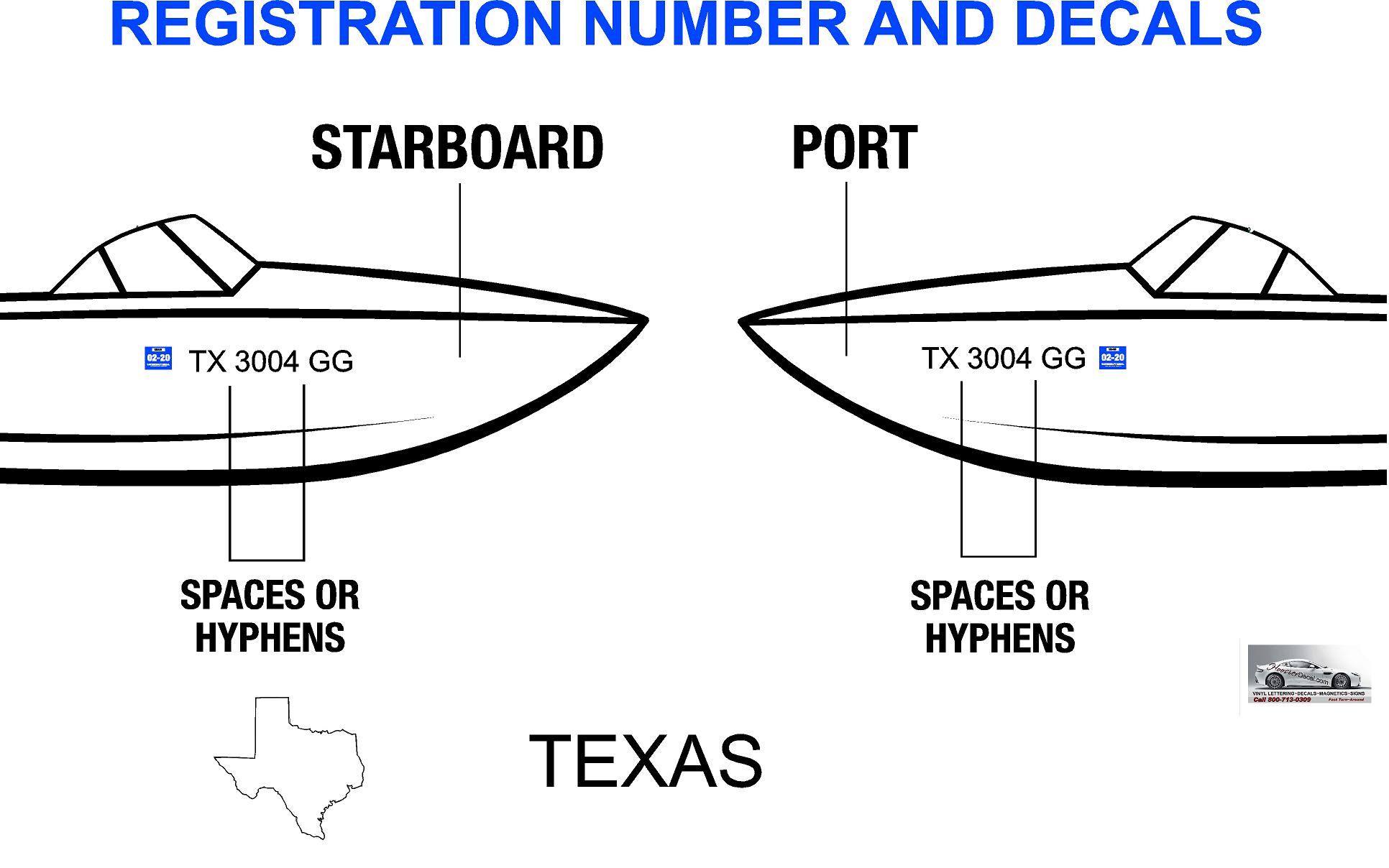
Once your application is processed and approved, you will receive your official Texas Registration Certificate and a set of registration decals. The registration certificate is proof of your legal right to operate your vessel. The decals must be clearly displayed on your boat in accordance with TPWD regulations. Typically, one decal is affixed to each side of the forward half of the vessel. Ensure these are prominently displayed, as they are often checked by marine enforcement officers.
Renewing Your Boat Registration
Boat registration in Texas is typically valid for two years. It is essential to renew your registration before it expires to avoid penalties.
Renewal Process
- Renewal Notices: The TPWD usually sends out renewal notices by mail or email prior to the expiration date.
- Online Renewal: You can renew your registration online through the TPWD portal. This is often the most efficient method, allowing you to complete the renewal process quickly.
- Mail or In Person: Renewal can also be done by mail or in person at an authorized county tax assessor-collector office.
Required Information for Renewal
You will generally need your previous registration number or your HIN to complete the renewal process. Ensure your contact information is up-to-date with the TPWD so you receive your renewal notices.

Special Considerations and Tips
- New Residents: If you are new to Texas and have a boat registered in another state, you will need to transfer your registration and title to Texas within a specified timeframe, usually 30 days of establishing residency. The process is similar to registering a used vessel.
- Out-of-State Purchases: When purchasing a boat outside of Texas, ensure you obtain all necessary documentation from the seller, including the title, bill of sale, and proof of any taxes paid in the originating state.
- Homemade Vessels: Registering a homemade boat involves a unique set of requirements, often including an affidavit of build and potentially an inspection to verify the HIN.
- Lost Decals or Certificates: If your registration decals or certificate are lost or damaged, you can obtain duplicates from the TPWD for a small fee.
- Marine Enforcement: Be aware of boating safety laws and regulations in Texas. This includes requirements for life jackets, fire extinguishers, and operating under the influence. The TPWD provides extensive resources on these regulations.
- Conservation Fund Contributions: A portion of your registration fees directly supports the TPWD’s conservation efforts, helping to maintain and improve the very waterways you enjoy.
By diligently following these steps, you can ensure your boat is legally registered and you are prepared to embark on countless memorable journeys across the beautiful aquatic landscapes of Texas. Enjoy the freedom and adventure that boating provides!
LifeOutOfTheBox is a participant in the Amazon Services LLC Associates Program, an affiliate advertising program designed to provide a means for sites to earn advertising fees by advertising and linking to Amazon.com. Amazon, the Amazon logo, AmazonSupply, and the AmazonSupply logo are trademarks of Amazon.com, Inc. or its affiliates. As an Amazon Associate we earn affiliate commissions from qualifying purchases.