
Travelers often envision Florida as a perpetual sun-drenched paradise, a haven where winter coats are replaced by swimsuits and snowfall is an alien concept. This perception holds largely true, especially for the northern reaches of the Sunshine State. For those planning a trip to Jacksonville, Florida, a common query arises: does it snow here? The short, definitive answer is: almost never. While the prospect of a Jacksonville “snow day” might spark curiosity or even a whimsical hope, the reality is that such an event is an extraordinarily rare meteorological phenomenon. Understanding Jacksonville’s unique subtropical climate is key to setting accurate expectations for any visit, particularly during the cooler months.
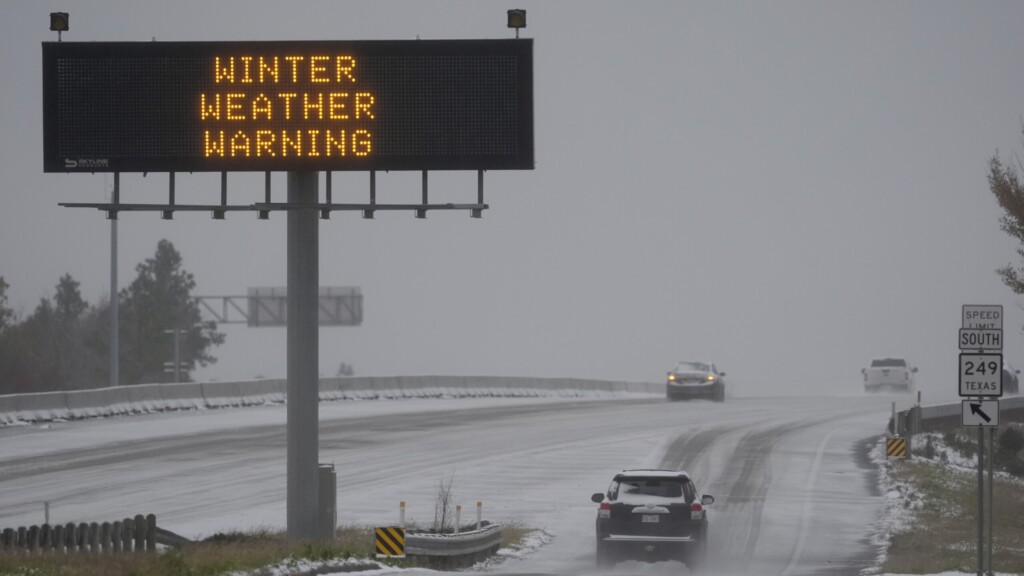
The Unlikely Winter Wonderland of Northeast Florida
Jacksonville’s geographical position in Northeast Florida, close to the Georgia border, places it within a subtropical climate zone. This classification means mild winters are the norm, characterized by pleasant, often sunny days and cool evenings, rather than the frigid temperatures required for consistent snowfall. While other regions might brace for blizzards, Jacksonville residents and visitors are typically enjoying outdoor activities year-round.
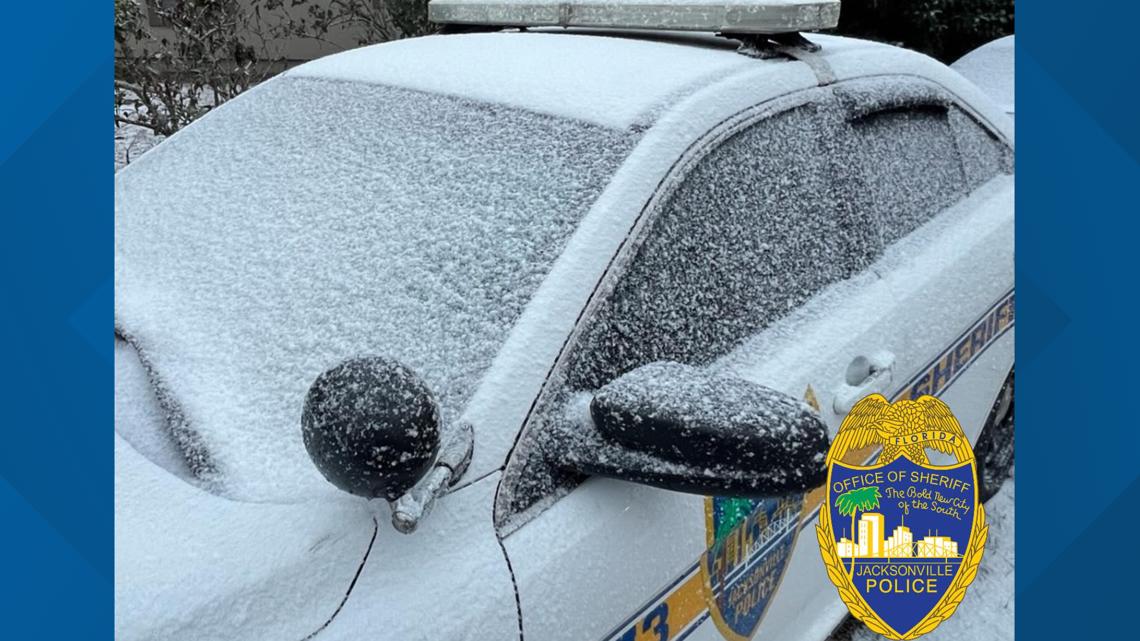
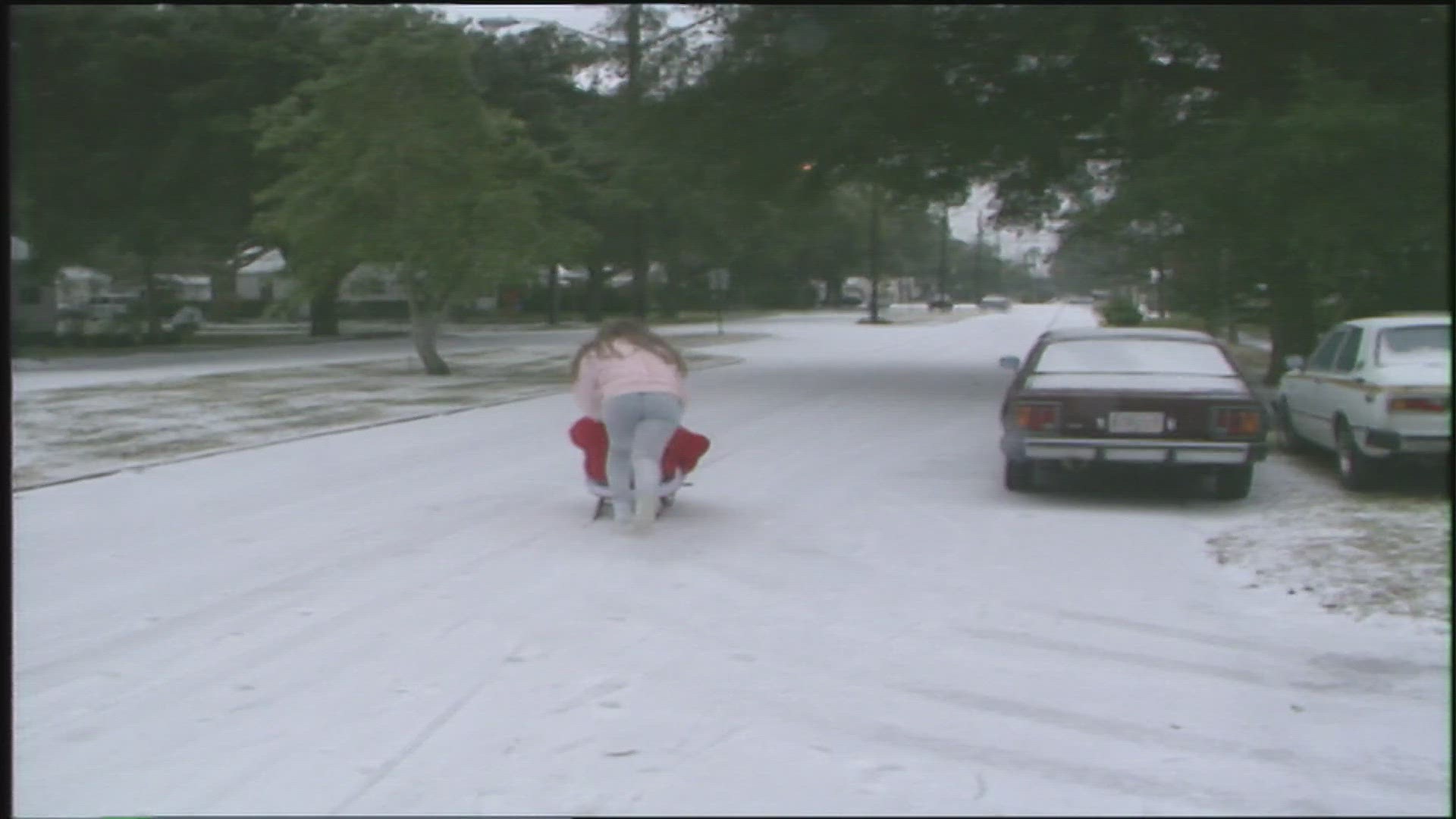
Historically, recorded snowfall in Jacksonville is incredibly infrequent. Significant accumulations are virtually unheard of, with most events manifesting as brief flurries that melt upon contact with the relatively warm ground. The last notable snowfall occurred in January 2018, when light snow accumulated briefly, creating a rare and fleeting spectacle that quickly became a local sensation. Prior to that, a more substantial event was recorded in 1989. These rare occurrences are treated as remarkable exceptions, proof of the unusual confluence of atmospheric conditions required to overcome the region’s inherent warmth. For all practical travel purposes, expecting snow in Jacksonville would be a severe miscalculation of its typical winter weather patterns.
Understanding Jacksonville’s Subtropical Climate
To fully appreciate why snow is such a rarity, it’s essential to delve into the climatic factors that define Jacksonville’s weather. Its proximity to the Atlantic Ocean and its relatively low latitude are the primary determinants.
Average Winter Conditions
Winter in Jacksonville, typically from December to February, is a refreshing contrast to the sweltering heat of summer. Average daytime temperatures during these months typically range from the low 60s Fahrenheit (15-18°C), with nighttime lows dipping into the 40s (4-9°C). While occasional cold fronts can bring temperatures down further, even brushing freezing point, these dips are usually short-lived. The sun often shines brightly, making midday temperatures feel comfortable, ideal for exploring the city or enjoying outdoor recreation without the intense humidity of summer. Rainfall is still present, but generally less frequent and intense than during the summer hurricane season.
Why Snow is a Rarity
Snow formation requires a very specific set of conditions: temperatures at or below freezing both at the ground level and throughout the entire atmospheric column where precipitation is falling. In Jacksonville, while ground temperatures can occasionally drop to freezing or just below, the upper atmosphere often retains enough warmth to prevent snowflakes from forming or persisting. Any precipitation that does occur during colder spells typically falls as rain, or perhaps sleet or freezing rain during very brief, extreme cold snaps. The vast expanse of the warm Atlantic Ocean also plays a crucial role, moderating coastal temperatures and preventing prolonged, deep freezes that would be conducive to widespread snowfall. Unlike parts of the continental United States, Jacksonville simply does not experience the sustained cold air masses necessary for regular snow events. This contrasts sharply with regions further north, or even the mountainous areas of other southern states. Even within Florida, while the Florida Panhandle might experience freezing rain or sleet more frequently, genuine snowfall remains almost exclusive to the most unusual meteorological circumstances, and is even rarer in Jacksonville than in the Panhandle.
What to Expect When Traveling to Jacksonville in Winter
For travelers, understanding Jacksonville’s winter climate means focusing on enjoying mild weather and outdoor activities, rather than preparing for blustery, snowy conditions.
Packing for a Jacksonville Winter Trip
Forget the heavy parkas and snow boots. Your Jacksonville winter packing list should prioritize layers. Think light to medium jackets, sweaters, long-sleeved shirts, and comfortable pants. A scarf and perhaps a light hat might be useful for cooler evenings or early mornings. During the day, you might find yourself comfortable in a t-shirt or light top if the sun is out. Don’t forget swimwear if your accommodation has a heated pool, as many do, or if you plan to visit a spa or take advantage of sunny days for beach walks on the Jacksonville Beaches. Comfortable walking shoes are a must for exploring the city’s vibrant neighborhoods and natural preserves.
Winter Activities Beyond Snow
The absence of snow doesn’t mean a lack of winter activities; quite the opposite. Jacksonville’s mild winters are perfect for exploring its diverse offerings without the intense summer heat or humidity.
- Outdoor Exploration: Enjoy hiking and birdwatching at the Timucuan Ecological and Historic Preserve, kayaking along the St. Johns River, or strolling through the Jacksonville Zoo and Gardens. The cooler temperatures make these activities far more comfortable.
- Beach Days: While swimming might be chilly for some, the Jacksonville Beaches are fantastic for long walks, shelling, or simply soaking up the sun. The crowds are also significantly thinner than in peak season. Nearby destinations like Amelia Island and Ponte Vedra Beach offer similar serene coastal experiences.
- Golf and Sports: Jacksonville is a golfer’s paradise, and winter provides ideal conditions for a round. The city also hosts various sporting events, from college football to professional soccer, offering a lively atmosphere.
- Cultural Immersion: Explore the vibrant arts scene in Downtown Jacksonville, visit museums, or catch a live performance. The winter months are often a prime time for cultural events and festivals.
- Day Trips: Take advantage of the pleasant weather for a day trip to nearby attractions like St. Augustine, the nation’s oldest city, or even the wild horses of Cumberland Island National Seashore (a short ferry ride away).
Best Times to Visit Jacksonville for Optimal Weather
While Jacksonville’s mild winters are highly appealing for many, the truly “optimal” weather for general travel and outdoor activities typically falls within the spring and fall seasons.
- Spring (March to May): This period brings pleasantly warm temperatures, often in the 70s Fahrenheit (21-26°C), lower humidity, and abundant sunshine. It’s ideal for beach activities, outdoor dining, and exploring all that the city and its surrounding nature offer. Flowers are in bloom, adding to the scenic beauty.
- Fall (September to November): Following the summer heat, fall ushers in cooler, drier air, with temperatures similar to spring. Humidity drops, making outdoor pursuits much more comfortable. This is also outside the peak hurricane season, though occasional tropical systems can still occur earlier in the fall.
- Winter (December to February): As discussed, winter offers mild conditions, perfect for those escaping colder climates. While some days can be genuinely warm, others might require light layering. It’s an excellent time for those who prefer cooler temperatures for active exploration and cultural events.
- Summer (June to August): While popular for family vacations, summer in Jacksonville is hot, humid, and prone to afternoon thunderstorms. It’s also the peak of hurricane season. While still enjoyable for beachgoers and water sports enthusiasts, visitors should be prepared for intense heat and plan activities accordingly, often favoring mornings and evenings.
Dispelling Common Misconceptions for Travelers
One of the biggest misconceptions about Florida is that it’s uniformly hot year-round. While South Florida comes close to this ideal, Jacksonville, being in the northern part of the state, experiences distinct seasons, albeit milder than much of the rest of the country. Travelers seeking a tropical escape during winter might find the evenings cooler than expected, necessitating a light jacket.
The idea of snow, however, remains a consistent source of surprise. While rare flurries can make headlines, they are not a reliable or expected part of the Jacksonville winter experience. Visitors should plan for a delightful blend of cool breezes, sunny skies, and temperate weather that allows for a wide array of activities without the disruption or discomfort associated with freezing temperatures and snow-covered landscapes. Jacksonville’s winter charm lies in its escape from the truly harsh elements, offering a welcoming environment for exploration and relaxation, rather than a fleeting glimpse of a winter wonderland.
LifeOutOfTheBox is a participant in the Amazon Services LLC Associates Program, an affiliate advertising program designed to provide a means for sites to earn advertising fees by advertising and linking to Amazon.com. Amazon, the Amazon logo, AmazonSupply, and the AmazonSupply logo are trademarks of Amazon.com, Inc. or its affiliates. As an Amazon Associate we earn affiliate commissions from qualifying purchases.