
The name Alaska immediately evokes images of immense, untamed wilderness, where towering mountains pierce the sky, glaciers carve the landscape, and a staggering array of wildlife roams free. It is, without question, the largest state in the United States, a land of unparalleled scale that shapes every aspect of its geography, ecology, and the unique lifestyle of its inhabitants. But how truly vast is this “Last Frontier”? To comprehend the sheer magnitude of Alaska is to grasp the essence of what makes it such an extraordinary travel destination.
Alaska spans an astonishing 365,000,000 acres, which translates to approximately 586,412 square miles (1,518,800 square kilometers). This figure is more than just a number; it is a fundamental truth that defines the state. To put this into perspective, Alaska is more than twice the size of Texas, and it surpasses the combined area of the next three largest states: Texas, California, and Montana. If overlaid upon the contiguous United States, Alaska would stretch from Florida to California and from Canada to Mexico. This immense scale dictates the possibilities and challenges for travel, tourism, and finding accommodation, making every Alaskan journey an adventure of discovery.
The Geography of Grandeur: A Tapestry of Landscapes
The 365 million acres of Alaska are far from homogenous. This vast expanse is a rich tapestry of incredibly diverse landscapes, each region offering distinct attractions and experiences for travelers. Understanding these geographical divisions is key to appreciating the state’s true breadth and planning an unforgettable trip.
The Southeast Panhandle: Fjords, Rainforests, and Coastal Gems
Clinging to Canada’s western flank, the Southeast Panhandle is a realm of intricate islands, deep fjords, and lush temperate rainforests. This region, famously explored via cruises along the Inside Passage, is celebrated for its verdant landscapes, abundant marine wildlife, and charming coastal towns. Juneau, the state capital, is uniquely situated between mountains and ocean, accessible only by air or sea. Towns like Sitka and Ketchikan showcase rich Alaska Native culture, historic totem poles, and exceptional fishing. The Tongass National Forest, the largest national forest in the United States, dominates much of this acreage, preserving an ancient ecosystem brimming with biodiversity.
Southcentral Alaska: Glaciers, Mountains, and Major Hubs
Moving northwest from the panhandle, Southcentral Alaska emerges as the state’s most populous region, home to its largest city, Anchorage. Here, the dramatic Chugach Mountains plunge into the Gulf of Alaska, creating an adventurer’s paradise. From Anchorage, visitors can readily access stunning natural wonders like Prince William Sound, renowned for its tidewater glaciers, and the Kenai Peninsula, offering world-class fishing, hiking, and wildlife viewing, particularly within Kenai Fjords National Park near Seward. The scale of the glaciers and peaks here is truly awe-inspiring, a testament to the vast, untouched land within Alaska’s borders. This region also serves as a gateway to Wrangell-St. Elias National Park and Preserve, the largest national park in the United States, encompassing over 13 million acres—an area larger than the entire country of Switzerland.
Interior Alaska: Wilderness, Rivers, and the Northern Lights
Venturing further inland, Interior Alaska unfolds as an expansive, sparsely populated wilderness, defined by immense boreal forests, vast rivers like the Yukon River, and extreme seasonal temperature swings. Fairbanks, the second-largest city, acts as the primary hub, affectionately known as the “Golden Heart City.” It’s a prime location for experiencing the midnight sun during summer and the spectacular Aurora Borealis (Northern Lights) in winter. The undisputed jewel of Interior Alaska is Denali National Park and Preserve, home to Denali (formerly Mount McKinley), North America’s tallest peak at 20,310 feet (6,190 meters). The park itself protects 6 million acres of pristine wilderness, where grizzly bears, caribou, moose, and wolves roam freely, offering an unparalleled sense of solitude and natural connection.
The Arctic and Southwest: Remote Frontiers and Unique Cultures
North of the Arctic Circle, Arctic Alaska presents a truly remote frontier. This region, characterized by tundra, permafrost, and the formidable Brooks Range, hosts communities like Utqiaġvik (formerly Barrow), the northernmost settlement in the United States. The landscapes are vast and treeless, offering unique opportunities to observe polar bears and migratory birds, alongside deep insights into Inupiat culture. To the southwest, the Aleutian Islands form an arc of volcanic islands stretching into the Pacific Ocean towards Russia, a realm of rugged beauty and harsh climates. Though less visited due to their isolation, these regions significantly contribute to Alaska’s astounding acreage, representing truly wild and untamed frontiers.
Navigating the Vastness: Travel, Tourism, and Exploration
The monumental size of Alaska profoundly shapes how one plans and undertakes travel within the state. Unlike smaller destinations where a single mode of transport might suffice, Alaska often necessitates a multi-modal approach to truly capture its essence.
Planning Your Alaskan Journey: Transportation and Logistics
Exploring 365 million acres demands strategic planning for getting around. While major cities like Anchorage and Fairbanks are connected by roads, vast swathes of Alaska remain inaccessible by car. This is where diverse transportation methods become crucial:
- Cruises: Ideal for experiencing the Inside Passage and Southeast Alaska, offering stunning fjord vistas, glacier views, and wildlife from the comfort of your ship.
- Small Aircraft & Bush Planes: Essential for reaching remote lodges, national parks, and communities off the road network. A flightseeing tour over Denali or a glacier landing is a quintessential Alaskan experience.
- The Alaska Railroad: A scenic journey connecting Seward, Anchorage, Denali National Park and Preserve, and Fairbanks, providing unparalleled views from its dome cars.
- Car Rentals: Excellent for exploring specific regions like the Kenai Peninsula or driving the scenic Parks Highway between Anchorage and Fairbanks. The historic Alaska Highway offers an epic overland adventure from Canada or the contiguous United States.
Iconic Landmarks and Attractions of the Last Frontier
Alaska’s immense size means it cradles an incredible array of natural landmarks, many protected within its eight national parks and numerous state parks. Each offers a distinct lens through which to view Alaska’s natural grandeur:
- Denali National Park and Preserve: Beyond the majestic mountain, the park offers unparalleled wildlife viewing, hiking, and profound immersion in raw wilderness.
- Kenai Fjords National Park: Celebrated for its dramatic coastal scenery, tidewater glaciers, and abundant marine wildlife, including whales and sea lions.
- Glacier Bay National Park and Preserve: A UNESCO World Heritage Site, accessible primarily by cruise or small plane, presenting a breathtaking tableau of calving glaciers and diverse ecosystems.
- Wrangell-St. Elias National Park and Preserve: The largest national park in the United States, encompassing the Chugach Mountains, Wrangell Mountains, and St. Elias Mountains, offering everything from mountaineering to historic mining towns like Kennecott.
- Gates of the Arctic National Park and Preserve: One of the most remote and least visited national parks, completely without roads or trails, providing an untouched arctic wilderness experience for the most intrepid adventurers.
Accommodation and Lifestyle: Experiencing the Alaskan Dream
Alaska’s vast acreage not only defines its geography and travel logistics but also shapes the distinct lifestyle of its residents and the diverse accommodation options available to visitors. From bustling urban centers to remote wilderness lodges, Alaska caters to a broad spectrum of preferences.
Where to Stay: From Urban Comforts to Wilderness Immersion
Given the state’s immense size and varied terrains, accommodation choices in Alaska are incredibly diverse, allowing travelers to select options that align with their itinerary and desired level of immersion:
- Hotels in Cities: Major hubs like Anchorage, Fairbanks, and Juneau offer a range of hotels, from international chains with modern amenities to charming boutique hotels showcasing local character. These often serve as excellent launching points for day trips and organized tours.
- Wilderness Lodges and Resorts: For a truly immersive experience, many remote lodges are tucked deep within the wilderness, accessible via small plane or boat. These typically provide all-inclusive packages that cover meals, guided activities like bear viewing (e.g., near Katmai National Park), fishing on rivers like the Kenai River, and hiking, offering a unique opportunity to disconnect.
- Cabins and Vacation Rentals: For those seeking greater independence or extended stays, vacation rentals and private cabins offer a home-away-from-home, especially in scenic or smaller towns.
- Cruise Ship Cabins: When exploring the Inside Passage, your accommodation travels with you, offering unparalleled convenience and ever-changing scenic views directly from your window.
Due to Alaska’s unique logistics, booking accommodations well in advance, especially during the peak summer season, is highly recommended as popular options fill quickly.
The Alaskan Lifestyle: Embracing the Wild Frontier
Life in Alaska is deeply intertwined with the great outdoors and a strong sense of community forged by shared experiences with nature. The sheer acreage means residents enjoy unparalleled access to hunting, fishing, hiking, and winter sports like skiing and snowmobiling. Cities like Anchorage skillfully blend urban conveniences with immediate access to wilderness trails, fostering a unique work-life balance. The Alaskan lifestyle often emphasizes self-reliance, a profound respect for nature, and a connection to Alaska Native traditions and cultures that have thrived on this land for millennia. Whether it’s the excitement of the Iditarod Trail Sled Dog Race, the quiet serenity of a remote fishing trip, or the communal wonder of watching the Aurora Borealis dance across the winter sky, Alaska’s vastness provides an extraordinary backdrop for life and adventure.
The Enduring Significance of Alaska’s Acres
The enormous 365 million acres of Alaska represent more than just land; they embody a critical global ecosystem, a vast reservoir of natural resources, and a living testament to the raw power and unspoiled beauty of wilderness. These acres play an essential role in global environmental health, containing vast carbon sinks, crucial habitats for diverse species, and some of the world’s most pristine marine environments in the Pacific Ocean and Arctic Ocean.
Conservation efforts are paramount, with a significant portion of Alaska’s land designated as national parks, wildlife refuges, and state parks, ensuring its grandeur is preserved for future generations. The state’s incredible size allows for both responsible resource development and the preservation of vast swaths of wilderness, a balance constantly managed.
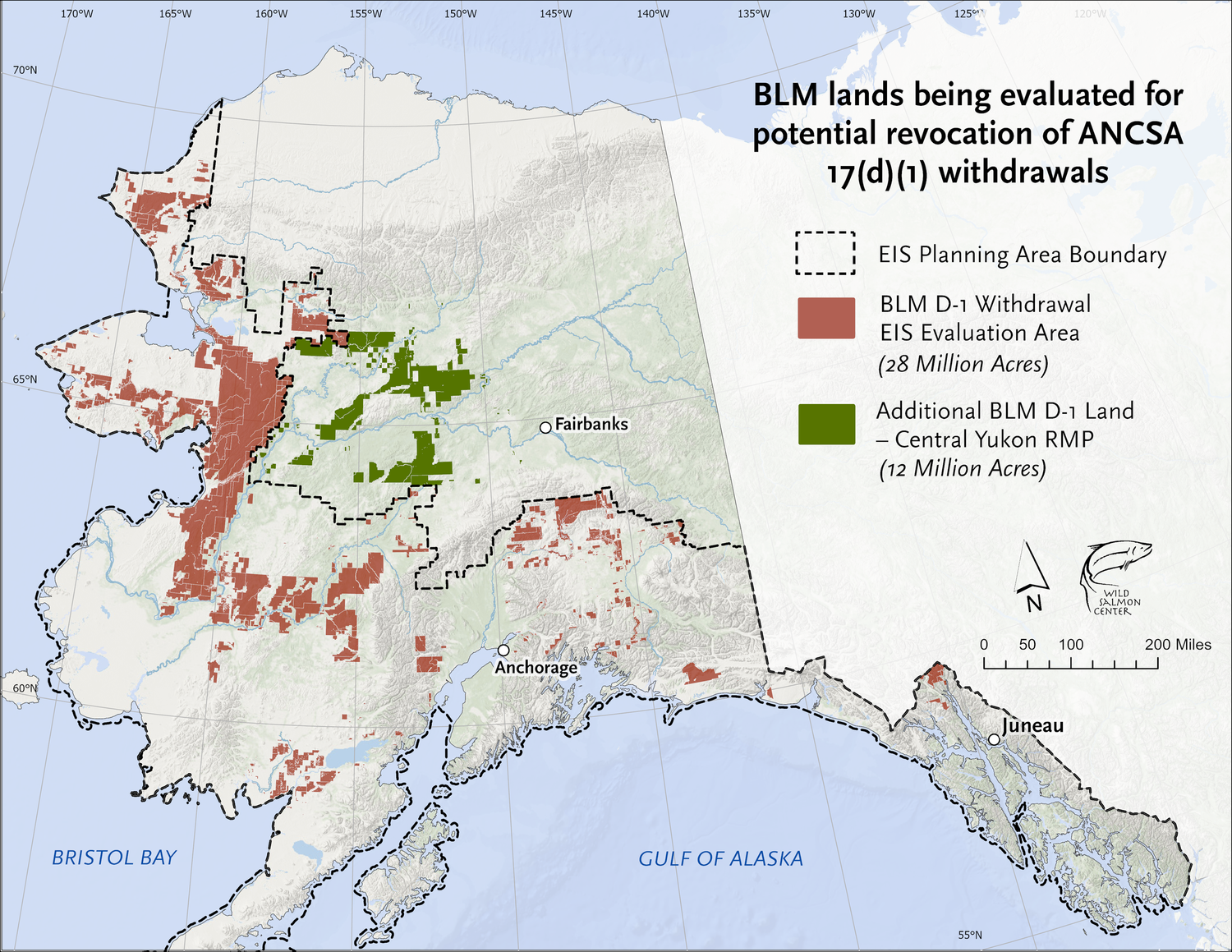
For travelers, the sheer scale of Alaska is an unending invitation to explore, discover, and reconnect with nature on an epic level. It promises adventures that range from cruising icy fjords and hiking through ancient forests to flying over formidable mountain ranges and witnessing iconic wildlife in their natural habitat. Every acre tells a story, every vista inspires awe, and every journey into its heart leaves an indelible mark. From the temperate rainforests of the Southeast Panhandle to the frozen tundra of Arctic Alaska, Alaska’s 365 million acres offer a lifetime of exploration and wonder, cementing its reputation as one of the planet’s most extraordinary destinations. An Alaskan adventure is not merely a trip; it is an immersion into a landscape that defies imagination and redefines the very concept of vastness.
LifeOutOfTheBox is a participant in the Amazon Services LLC Associates Program, an affiliate advertising program designed to provide a means for sites to earn advertising fees by advertising and linking to Amazon.com. Amazon, the Amazon logo, AmazonSupply, and the AmazonSupply logo are trademarks of Amazon.com, Inc. or its affiliates. As an Amazon Associate we earn affiliate commissions from qualifying purchases.