
The question “How many people died in the Las Vegas shooting?” evokes a chilling reminder of one of the most tragic events in modern American history. On the night of October 1, 2017, the vibrant city of Las Vegas, a global beacon for entertainment, tourism, and unforgettable experiences, became the scene of an unimaginable act of violence. This horrific event, which unfolded during the Route 91 Harvest Festival, left an indelible mark not only on the hearts of those directly affected but also on the collective consciousness of travelers worldwide, prompting renewed conversations about safety in public spaces and at large-scale events.
While the immediate shock and sorrow were profound, the long-term impact on Las Vegas and the broader travel industry has also been significant. This article aims to provide a clear answer to the number of fatalities, detail the circumstances of the tragedy, and explore how the incident reshaped security protocols in popular tourist destinations. It also delves into the remarkable resilience of the Entertainment Capital of the World and the ongoing commitment to ensuring the safety and peace of mind for every visitor who comes to experience its unique allure.
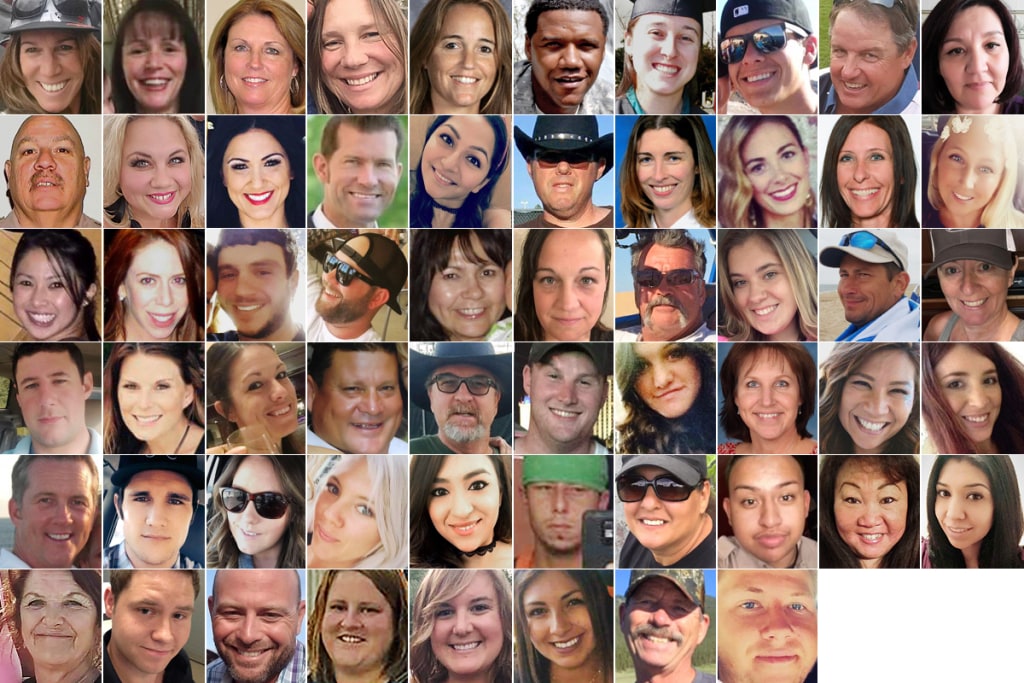
A Night of Unimaginable Tragedy: The Facts
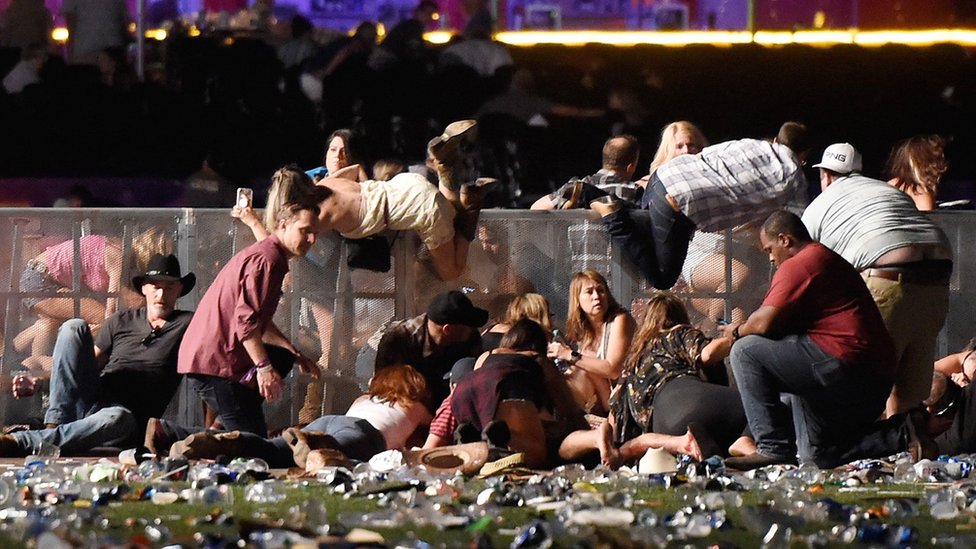
The evening of October 1, 2017, was set to be another night of joy and music for thousands gathered for the Route 91 Harvest Festival, an outdoor country music concert held on a 15-acre lot across from the Mandalay Bay Resort and Casino. Las Vegas was bustling, as it always is, with tourists from around the globe enjoying its diverse offerings, from world-class resorts and dazzling shows to gourmet dining and iconic landmarks. However, at approximately 10:05 PM PDT, the festive atmosphere was shattered by the sound of rapid gunfire emanating from the 32nd floor of the Mandalay Bay Resort and Casino, overlooking the concert grounds.
A lone gunman, Stephen Paddock, had meticulously planned his attack, bringing an arsenal of modified firearms into his suite. From this elevated vantage point, he unleashed a barrage of bullets upon the unsuspecting crowd below, transforming a celebration into a scene of chaos and horror. The attack lasted for approximately 10 to 15 minutes, a terrifying eternity for those caught in the open field, desperately seeking cover and attempting to help the wounded. Emergency services, including the Las Vegas Metropolitan Police Department, swiftly responded, but the sheer volume of fire and the confusion of the situation presented an unprecedented challenge.
The Route 91 Harvest Festival and the Mandalay Bay Resort
The Route 91 Harvest Festival was a popular annual event that attracted country music fans from across the United States and beyond. For many attendees, it was a cherished tradition, a chance to gather with friends and family in the vibrant setting of Las Vegas. The venue, a large open-air space, was typical for such festivals, designed to accommodate thousands of concertgoers with clear sightlines to the stage.
The Mandalay Bay Resort and Casino itself is one of Las Vegas’s most prominent hotels, known for its luxurious accommodations, expansive convention facilities, and the famed Mandalay Bay Beach wave pool. Located at the southern end of the iconic Las Vegas Strip in Paradise, Nevada, it is a destination in itself, drawing millions of visitors annually. The selection of this particular hotel by the perpetrator highlighted a new and terrifying vulnerability in the security landscape of large public gatherings, as it demonstrated the potential for attacks from unexpected angles and distances. The strategic positioning of the gunman exploited the very openness that makes outdoor festivals so appealing, turning a hotel room, typically a sanctuary for travelers, into a perch for devastation.
The Devastating Toll: Fatalities and Injuries
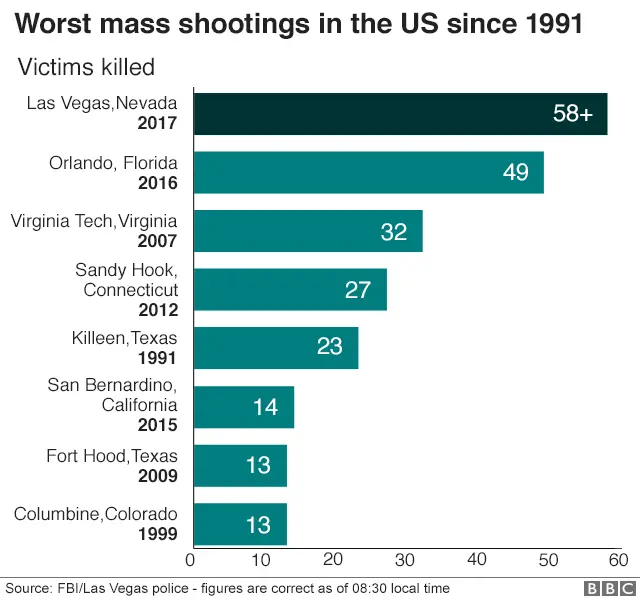
The immediate question following such a catastrophic event is always about the human cost. The Las Vegas shooting tragically resulted in 58 fatalities on the night of the attack and in the immediate aftermath, making it the deadliest mass shooting by a single gunman in modern U.S. history. In the years that followed, two more victims succumbed to their injuries directly related to the attack, bringing the total number of deaths to 60.
Beyond the heartbreaking loss of life, over 850 people were injured. Of these, more than 400 sustained gunshot wounds, while hundreds more suffered injuries during the ensuing panic, stampedes, and attempts to flee the scene. The sheer scale of casualties overwhelmed local hospitals and emergency services, prompting an extraordinary outpouring of support from medical professionals, volunteers, and the community. The victims represented a diverse cross-section of America, united only by their love for music and their presence at a festival in a city known for its hospitality. Their stories became a poignant reminder of the fragility of life and the profound impact of such violence on individuals, families, and communities. The number of injured also underscores the critical role of immediate medical response and the long-term physical and psychological recovery many survivors face.
The Immediate Aftermath and Las Vegas’s Response
In the hours and days following the shooting, Las Vegas demonstrated an incredible spirit of resilience and unity. The immediate aftermath was characterized by chaos, but quickly transitioned into an organized and compassionate response. Law enforcement agencies, medical personnel, and everyday citizens worked tirelessly to assist the wounded, locate missing persons, and bring order back to a shaken city. The world watched as Las Vegas, a city often associated with glamour and excess, revealed its deep sense of community and humanity.
The incident also served as a critical turning point for security discussions within the travel and tourism industry, especially concerning large public venues, resorts, and events. Hotels and entertainment complexes, which are central to the Las Vegas experience, immediately began reviewing and enhancing their safety protocols, recognizing the need to adapt to new and evolving threats.
A Community United: Rescue and Support Efforts
The response from the Las Vegas community was nothing short of heroic. First responders, including the Las Vegas Metropolitan Police Department, Clark County Fire Department, and paramedics, risked their lives to enter the active scene and render aid. Civilians, many of whom were festival attendees or local residents, also stepped up, using their own vehicles to transport the injured to hospitals, donating blood, and offering shelter and comfort to strangers. Taxis, ride-share drivers, and even off-duty medical staff converged on the area to help.
The city swiftly established family reunification centers and victim support services. Blood donation centers saw unprecedented lines, with people waiting for hours to contribute. Funds were raised through various initiatives, most notably the “Vegas Strong” campaign, which quickly garnered millions of dollars to support victims and their families. This overwhelming display of solidarity showcased the strong bonds within the Las Vegas community and served as a powerful testament to the human spirit in the face of adversity. It underscored that beneath the glitz and glamour, Las Vegas is a city with a heart, home to people who care deeply for one another and for their visitors.
Enhancing Security: A New Era for Tourist Safety
The Las Vegas shooting forced a re-evaluation of security measures across the entire tourism sector. Resorts, casinos, and event venues in Las Vegas and globally invested heavily in advanced security technologies and protocols. For hotels like the Mandalay Bay Resort and Casino and others along the Strip, this meant a significant overhaul of surveillance systems, including enhanced CCTV coverage and facial recognition technology.
Crucially, new attention was paid to preventing similar elevated attacks. Hotels implemented stricter baggage checks, particularly for guests checking in with numerous large bags, and revised policies regarding “Do Not Disturb” signs to ensure regular wellness checks for rooms. Staff training was intensified, focusing on identifying suspicious behavior and responding effectively to active threat scenarios. Perimeter security for outdoor venues was also upgraded, incorporating improved access control, drone detection systems, and sniper detection technology. These changes represent a permanent shift in how major tourist destinations approach safety, balancing the need for security with the desire to maintain an open and welcoming atmosphere for travelers.
Rebuilding Trust: The Impact on Las Vegas Tourism
In the immediate aftermath of the shooting, there was understandable concern about the potential long-term impact on Las Vegas’s tourism industry. Travel and tourism are the lifeblood of the city’s economy, supporting hundreds of thousands of jobs and generating billions in revenue. The very identity of Las Vegas as a place of escape, celebration, and carefree enjoyment seemed to be challenged by the gravity of the tragedy. However, what emerged was not a decline, but a profound demonstration of resilience, adaptation, and an unwavering commitment to its visitors.
The city, its businesses, and its residents rallied together to convey a message of strength and continuity. While there was an initial dip in visitor numbers and convention bookings, the recovery was remarkably swift, testament to both the inherent appeal of Las Vegas and the proactive measures taken to reassure the public.
Resilience of the Entertainment Capital
Las Vegas quickly reaffirmed its status as the Entertainment Capital of the World. The city’s extensive array of attractions, from the magnificent Bellagio Fountains and the thrilling rides atop the Stratosphere Tower to the world-class shows and diverse dining experiences, continued to draw visitors. Major conventions and events, which are crucial for the local economy, resumed their schedules. The messaging from the city and its tourism board, “Vegas Strong,” became a mantra, emphasizing unity, healing, and an unwavering spirit.
This resilience was not just about returning to normal; it was about evolving. The focus shifted to reassuring travelers that while the city mourned, it was also safer than ever. The commitment to maintaining Las Vegas as a premier global destination meant investing in safety as a core component of the visitor experience, integrating it seamlessly into the city’s hospitality. The unique blend of luxury travel, budget-friendly options, family trips, and business stays continued to thrive, showcasing the city’s ability to cater to every kind of traveler, even in challenging times.
Traveler Confidence and Evolving Safety Protocols
Building and maintaining traveler confidence post-tragedy was paramount. Hotels, resorts, and event organizers worked diligently to communicate their enhanced security measures to the public. Transparency about new safety protocols, visible security presence, and readily available information helped to mitigate anxieties. For travelers planning their next trip, especially to major urban or event destinations, understanding these evolving safety standards has become an important consideration.
The travel industry at large learned valuable lessons from Las Vegas’s experience. It highlighted the importance of a coordinated response, robust emergency plans, and constant vigilance. Hotels now regularly update their security training, conduct drills, and collaborate with local law enforcement to stay ahead of potential threats. The aim is to create environments where guests feel secure without feeling stifled by overly intrusive measures. This delicate balance is key to ensuring that destinations like Las Vegas remain welcoming and vibrant, continuing to offer the world-class experiences that define them.
Lessons Learned and Future of Travel Safety
The Las Vegas shooting was a stark and painful reminder that even the most secure environments can face unforeseen threats. For the global travel and tourism industry, it necessitated a profound introspection into how safety is perceived, planned for, and implemented. The lessons learned extend beyond physical security to encompass community preparedness, psychological support, and the continuous adaptation of strategies in a complex world. The event underscored that safety is a shared responsibility, involving authorities, businesses, and travelers themselves.
Looking forward, the focus remains on leveraging technology, fostering collaboration, and empowering travelers with knowledge. The goal is not to instill fear, but to build a more resilient and prepared travel ecosystem, ensuring that experiences in destinations like Las Vegas remain joyful and secure for generations to come.
The Role of Technology in Securing Large Events
Technology plays an increasingly critical role in enhancing security at large events and tourist hubs. Post-Las Vegas, there has been an accelerated adoption of advanced surveillance systems, including AI-powered analytics that can detect suspicious behavior or objects in real-time. Drone technology, once a novelty, is now being deployed for perimeter monitoring and threat assessment. Gunshot detection systems are becoming more sophisticated, allowing for faster and more precise responses.
Furthermore, communication technologies are vital. Enhanced radio systems, encrypted networks, and mass notification platforms ensure that first responders can coordinate effectively and that event organizers can quickly disseminate information to attendees in an emergency. Integrating these technologies with human intelligence and well-trained security personnel forms a multi-layered defense strategy, creating a more robust shield for visitors enjoying festivals, concerts, and other major attractions.
Empowering Travelers: Practical Safety Tips
While destinations are continually bolstering their security, travelers also have a role to play in their own safety. Being aware and prepared can significantly enhance the travel experience. Practical tips include:
- Situational Awareness: Always be aware of your surroundings, especially in crowded places. Identify emergency exits and escape routes when entering a venue.
- Emergency Plans: Know the emergency procedures for your hotel or event. For instance, familiarize yourself with assembly points or shelter-in-place instructions.
- Stay Informed: Pay attention to local news and advisories. Sign up for embassy alerts if traveling internationally.
- Trust Your Instincts: If a situation feels off, remove yourself from it.
- Communication: Ensure family and friends know your itinerary and how to contact you. Consider using a travel safety app.
- Minimal Valuables: Travel light and avoid displaying expensive items that could attract unwanted attention.
- Local Culture and Customs: Respect local norms, which can sometimes influence safety dynamics.
These tips are not meant to deter travel but to empower individuals to navigate their journeys with greater confidence and preparedness, allowing them to fully enjoy the rich experiences that places like Las Vegas offer.
Remembering the Victims and Honoring Resilience
The memory of the 60 innocent lives lost in the Las Vegas shooting remains a solemn and enduring part of the city’s history. The victims are remembered through various memorials, including the “58 Angels” memorial garden (now encompassing 60 victims) and the permanent memorial planned for the site of the Route 91 Harvest Festival. These sites serve as places of reflection, healing, and a testament to the community’s unwavering commitment to never forget those who were taken too soon.
The continued vibrancy and success of Las Vegas stand as a powerful symbol of resilience, proving that even in the face of immense tragedy, the human spirit endures. The city’s determination to adapt, enhance security, and continue providing world-class travel experiences underscores a deeper message: that fear will not triumph over connection, joy, and the shared human desire to explore, discover, and celebrate life. Las Vegas is not just a collection of hotels and attractions; it is a living, breathing community that has confronted profound sorrow with extraordinary strength, embodying the true meaning of “Vegas Strong.”
LifeOutOfTheBox is a participant in the Amazon Services LLC Associates Program, an affiliate advertising program designed to provide a means for sites to earn advertising fees by advertising and linking to Amazon.com. Amazon, the Amazon logo, AmazonSupply, and the AmazonSupply logo are trademarks of Amazon.com, Inc. or its affiliates. As an Amazon Associate we earn affiliate commissions from qualifying purchases.