
Texas Hold’em. The king of poker. It’s a game of skill, strategy, and a healthy dose of psychology, played out on felt tables across the globe, from the high-stakes rooms of the Bellagio in Las Vegas to online platforms accessible from anywhere. While luck plays a role in the cards you’re dealt, consistent winning is a testament to mastering the nuances of the game. This guide delves into the core principles and advanced strategies that can elevate your Texas Hold’em play from casual participation to strategic dominance.
Understanding the Fundamentals: More Than Just Cards
Before diving into advanced tactics, a solid grasp of the basics is paramount. This isn’t just about knowing the hand rankings; it’s about understanding position, pot odds, and player tendencies.
Hand Rankings and Starting Hands
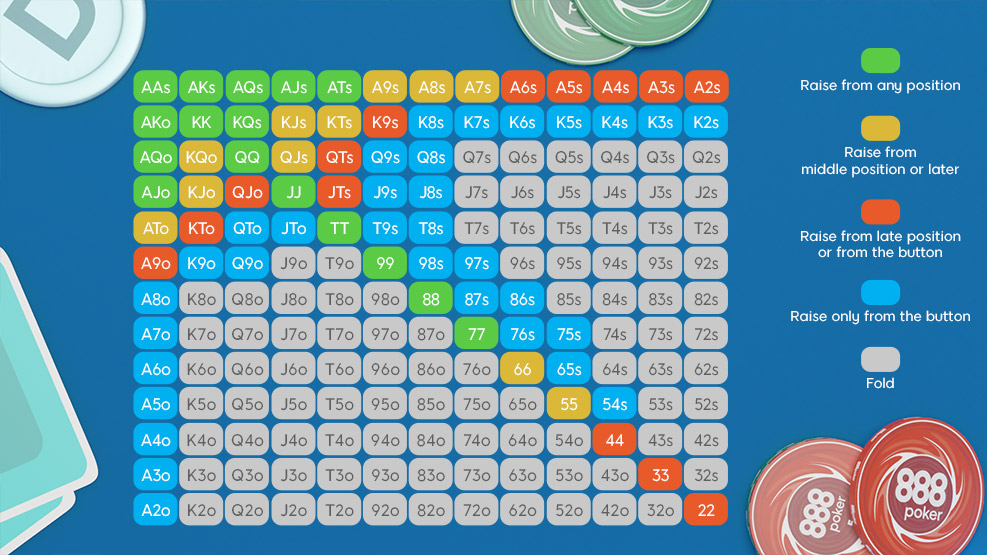
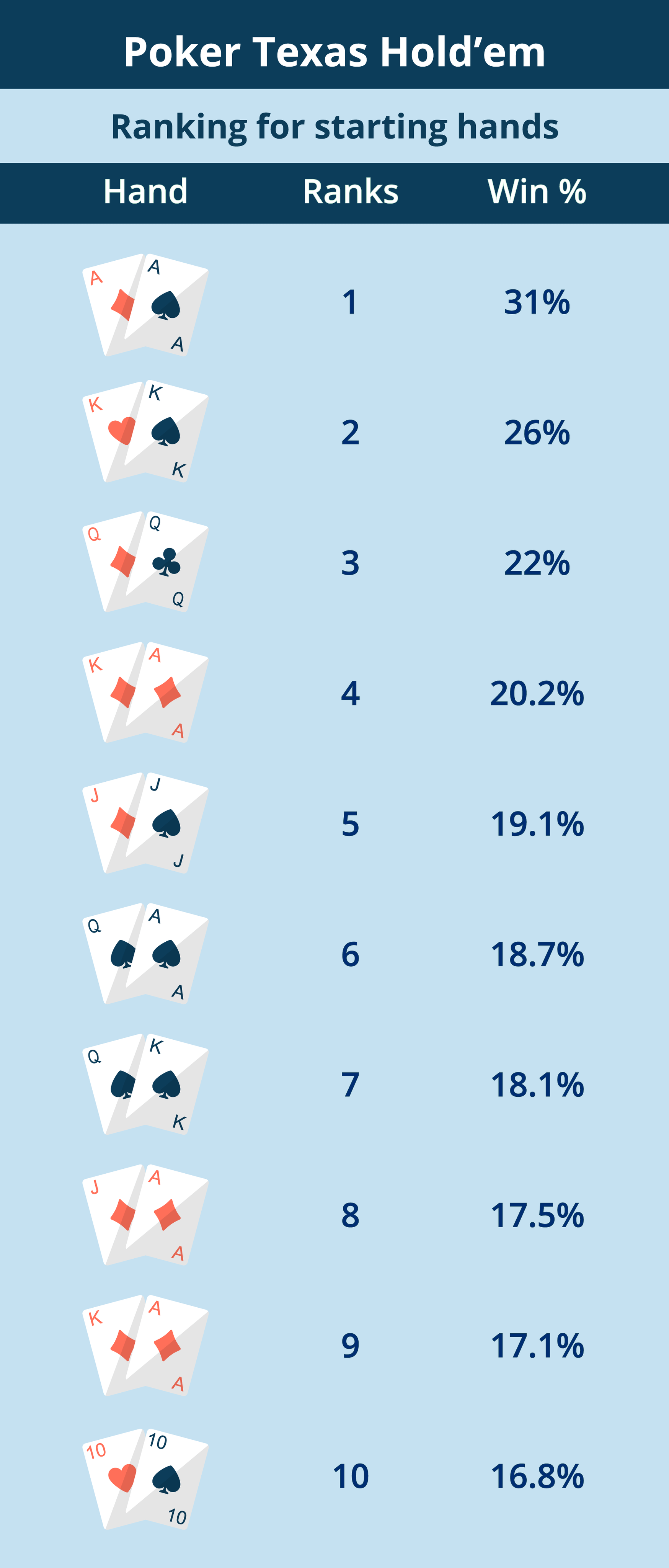
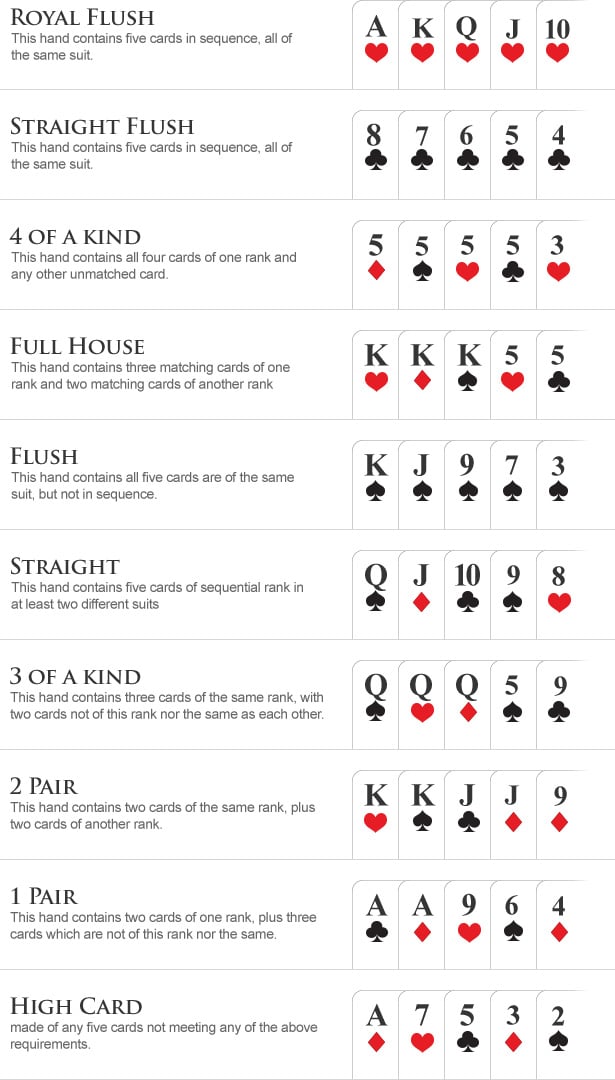
The foundation of any poker game is knowing which hands beat which. In Texas Hold’em, the hierarchy is standard: Royal Flush, Straight Flush, Four of a Kind, Full House, Flush, Straight, Three of a Kind, Two Pair, One Pair, and High Card. However, knowing these is only the first step. The truly successful players understand the value of starting hands. Not all hands are created equal. Hands like pocket Aces (AA) or pocket Kings (KK) are strong favorites pre-flop, while hands like 7-2 offsuit are statistical long shots. Categorizing your starting hands into tiers – premium, strong, playable, and trash – allows for more disciplined decision-making from the outset. Playing fewer, stronger hands will generally lead to more profitable situations.
Position: The Unsung Hero
Few concepts are as critical to winning Texas Hold’em as understanding position. Position refers to your order relative to the dealer button. Acting last (being “in position”) is a significant advantage. You get to see how your opponents act before you make your decision, giving you more information about the strength of their hands. This allows you to:
- Bluff more effectively: You can apply pressure when you suspect your opponents are weak.
- Value bet more profitably: You can extract more chips when you have a strong hand by seeing how others bet.
- Control the pot size: You can decide whether to build a big pot or keep it small.
Conversely, being out of position (acting early) is a disadvantage. You have less information, and your decisions are more speculative. Therefore, a fundamental winning strategy is to play more hands from late positions and fewer hands from early positions.
Pot Odds and Implied Odds: The Math of the Game
Poker is a game of incomplete information, but mathematics provides crucial insights. Pot odds are the ratio of the size of the pot to the cost of a contemplated call. If the pot contains $100 and you need to call $10 to stay in the hand, your pot odds are 10:1. You then compare this to the odds of making your hand. If your hand has a greater than 10% chance of improving to the winning hand, calling is mathematically profitable in the long run.
Implied odds take this a step further. They consider the potential future bets you might win if you successfully make your hand. If you have a drawing hand (e.g., a flush draw or a straight draw) and the pot odds are not immediately favorable, but you believe your opponents will pay you off handsomely if you hit your draw, the implied odds can make the call profitable. Mastering these calculations, even if done intuitively for many players, is vital for long-term success.
Strategic Play: Beyond the Basics
Once the fundamentals are ingrained, it’s time to explore strategic layers that separate winning players from the rest. This involves understanding betting patterns, bluffing, and adapting to your opponents.
Betting Strategy: Aggression and Value
Aggression is often the key to winning in Texas Hold’em. Betting and raising allow you to:
- Take control of the hand: You dictate the pace and can potentially win the pot uncontested.
- Build the pot when you have a strong hand: Maximizing your winnings with your best hands is crucial.
- Bluff effectively: Aggression is the engine of bluffing.
However, aggression must be calculated. You can’t just bet wildly. Value betting is about betting when you believe you have the best hand and want to get paid off by worse hands. Distinguishing between bluffing and value betting, and understanding when to employ each, is a hallmark of a winning player. This often involves reading opponents and assessing their perceived hand strength.
Bluffing: The Art of Deception
Bluffing is an integral part of Texas Hold’em. It’s about representing a hand strength that you don’t possess to make opponents fold better hands. Effective bluffing requires:
- Appropriate spot selection: Bluffing into a single opponent who has shown strength is usually a losing proposition. Look for spots where opponents have shown weakness or uncertainty.
- Credibility: Your betting patterns and previous actions should support the story you are telling with your bets. If you’ve been tight, a sudden aggressive bet might be believed.
- Position: Bluffing is far more effective when you are in position.
- Table image: Your general reputation at the table can influence whether your bluffs are successful.
Semi-bluffing, where you bet with a drawing hand, is a powerful strategy. It gives you two ways to win: your opponent folds immediately, or you hit your draw.
Reading Opponents: The Psychological Edge
While cards are random, human behavior is often predictable. Developing the ability to read your opponents is one of the most potent tools in your arsenal. This involves observing:
- Betting patterns: Do they bet big with strong hands and small with weak ones? Are they consistent or erratic?
- Bet sizing: Large bets often indicate strength, but seasoned players can use small bets to trap or as part of a bluff.
- Timing tells: A quick call might indicate a medium-strength hand, while a long pause before betting could signal a strong hand or a decision to bluff.
- Physical tells (in live games): While less reliable and easily faked, subtle physical cues like fidgeting, eye contact, or breathing patterns can offer clues. Online, this translates to observing betting speed and bet sizing patterns.
Understanding whether an opponent is a tight-passive player, a loose-aggressive player, or a thinking player allows you to adjust your strategy accordingly.
Advanced Concepts and Adaptability
Winning consistently requires moving beyond established strategies and developing an adaptable mindset. This includes understanding advanced concepts like ranges and adapting to different game dynamics.
Understanding Ranges: Thinking in Probabilities
Instead of thinking about what specific hand an opponent might have, advanced players think in terms of hand ranges. A range is the spectrum of possible hands a player could hold given their actions in a particular situation. For example, if a player raises pre-flop from early position, their range might be limited to strong pocket pairs and high-card Broadway hands. If they call a bet on the flop, their range widens considerably.
Thinking in ranges allows for more accurate calculations of your opponents’ equity (their chance of winning the pot) and helps you make more informed decisions about betting, calling, or folding.
Exploiting Weaknesses and Adapting Your Game
Every player has weaknesses. A winning Texas Hold’em player constantly seeks to identify and exploit these. Are opponents too passive? Then you can steal more pots with continuation bets. Are they overly aggressive? You can trap them with strong hands or recognize their bluffs more often.
Adaptability is crucial. The game you play against a table of beginners will be different from the game you play against seasoned professionals. You must be willing to adjust your strategy based on the players, the stakes, and the overall table dynamic. If a strategy isn’t working, don’t stubbornly stick to it; reassess and adapt.
Bankroll Management: The Foundation of Longevity
Even the most skilled player can go broke without proper bankroll management. This involves playing at stakes that are appropriate for the amount of money you have set aside for poker. A common guideline is to have at least 20-50 buy-ins for cash games and 100+ buy-ins for tournaments. This buffer allows you to withstand the inevitable downswings that are a natural part of poker. Playing within your means ensures you can continue to play and improve without undue financial pressure.
Mastering Texas Hold’em is a journey, not a destination. By diligently applying these principles – understanding fundamentals, employing sound strategies, reading opponents, and continuously adapting – you can significantly increase your win rate and achieve success at the poker table, whether it’s in the plush poker rooms of the MGM Grand or the digital felt of your favorite online poker site.
LifeOutOfTheBox is a participant in the Amazon Services LLC Associates Program, an affiliate advertising program designed to provide a means for sites to earn advertising fees by advertising and linking to Amazon.com. Amazon, the Amazon logo, AmazonSupply, and the AmazonSupply logo are trademarks of Amazon.com, Inc. or its affiliates. As an Amazon Associate we earn affiliate commissions from qualifying purchases.