
The allure of a homegrown tomato, bursting with sun-ripened flavor, is a powerful motivator for many gardeners, especially those residing in the diverse climate zones of Texas. For individuals in USDA Plant Hardiness Zone 9A, a region characterized by mild winters and hot summers, the question of optimal planting times is paramount. Specifically, the query “Is It Too Late To Seed Tomatoes In 9A Texas?” delves into the intricacies of local climate, tomato varieties, and successful gardening practices within this unique horticultural environment. Understanding the critical window for sowing tomato seeds is key to maximizing yield and enjoying a bountiful harvest.
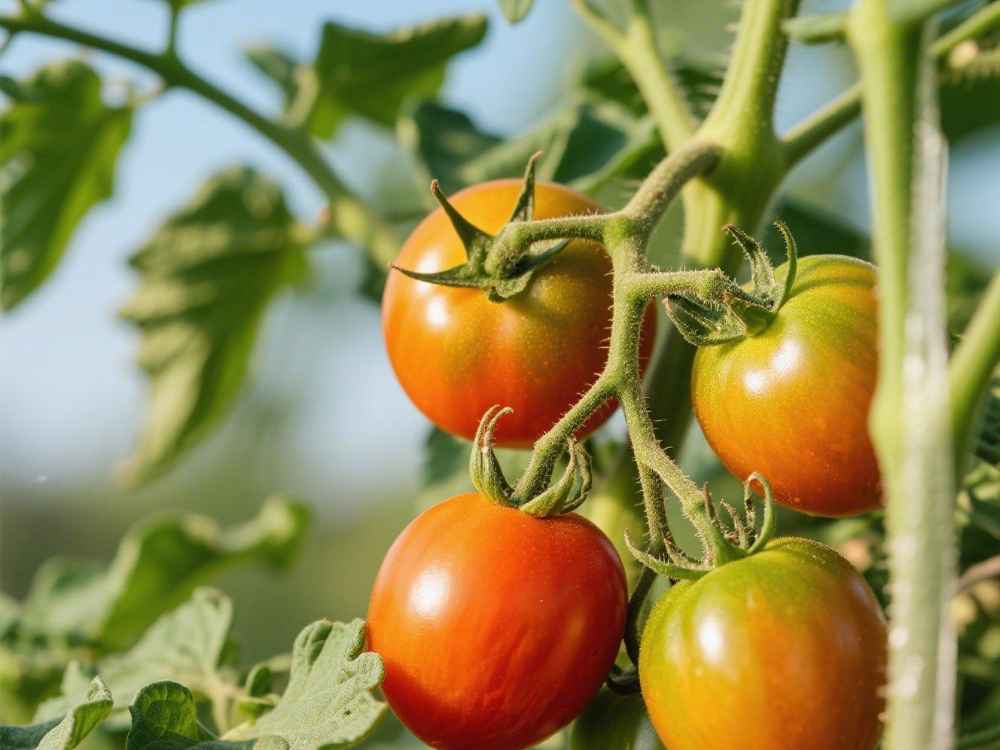
Understanding Zone 9A’s Tomato Growing Seasons
Texas, with its vast geographical expanse, encompasses a range of climate zones, and Zone 9A represents a significant portion of the state, particularly along the Gulf Coast and extending inland. This zone typically experiences its last spring frost around early March and its first fall frost around late November or early December. This extended growing season is a boon for tomato cultivation, offering two primary planting windows: a spring crop and a fall crop.
The Spring Planting Window
For the spring tomato harvest, the critical factor is to get plants established after the danger of the last frost has passed but early enough to mature before the intense heat of summer. In Zone 9A, this generally translates to starting seeds indoors in late January or February. Transplanting seedlings into the garden typically occurs from late February through March. This timing allows the plants to establish a strong root system during the cooler spring months and produce fruit before temperatures become excessively high, which can hinder fruit set and increase disease pressure.
The question “Is It Too Late To Seed Tomatoes In 9A Texas?” becomes most relevant as spring progresses. If one is considering starting seeds directly outdoors in Zone 9A, late March or early April is often the latest practical time for a spring crop. However, starting seeds indoors and transplanting is a more common and often more successful approach for a robust spring harvest. By mid-April, while technically still possible to start some fast-maturing varieties from seed, the window for optimal growth and fruit production begins to narrow considerably. The longer days and warmer soil in April do offer some advantage for direct seeding, but the risk of missing the peak harvest window before the summer scorch increases.
The Fall Planting Window
The converse of the spring planting season is the fall harvest. In Zone 9A, the intense summer heat can be a significant challenge for tomatoes. However, a well-timed fall crop can be highly successful. For a fall harvest, seeds are typically sown indoors in June or July. Transplanting seedlings into the garden would then occur from mid-July through August. This allows the plants to establish and begin producing fruit as the weather begins to cool in the autumn, avoiding the harshest summer conditions.
Considering the original question, if “too late” refers to the fall planting season, then early spring would be irrelevant. However, if the context is the entire growing year, then it’s important to acknowledge both possibilities. For instance, if someone missed the spring planting window entirely, they might consider a fall crop. However, the phrasing of the question, “Is It Too Late To Seed Tomatoes In 9A Texas?”, most commonly refers to the immediate or upcoming planting period, which, given the timing of most gardening inquiries, leans towards the spring season.
Factors Influencing Tomato Seeding Decisions
Beyond the general timeline for Zone 9A, several granular factors influence the decision to seed tomatoes, particularly when considering if the moment has passed. These include the specific tomato variety chosen, the method of planting (seedlings versus direct seeding), and the microclimate of the individual garden.
Tomato Variety Selection
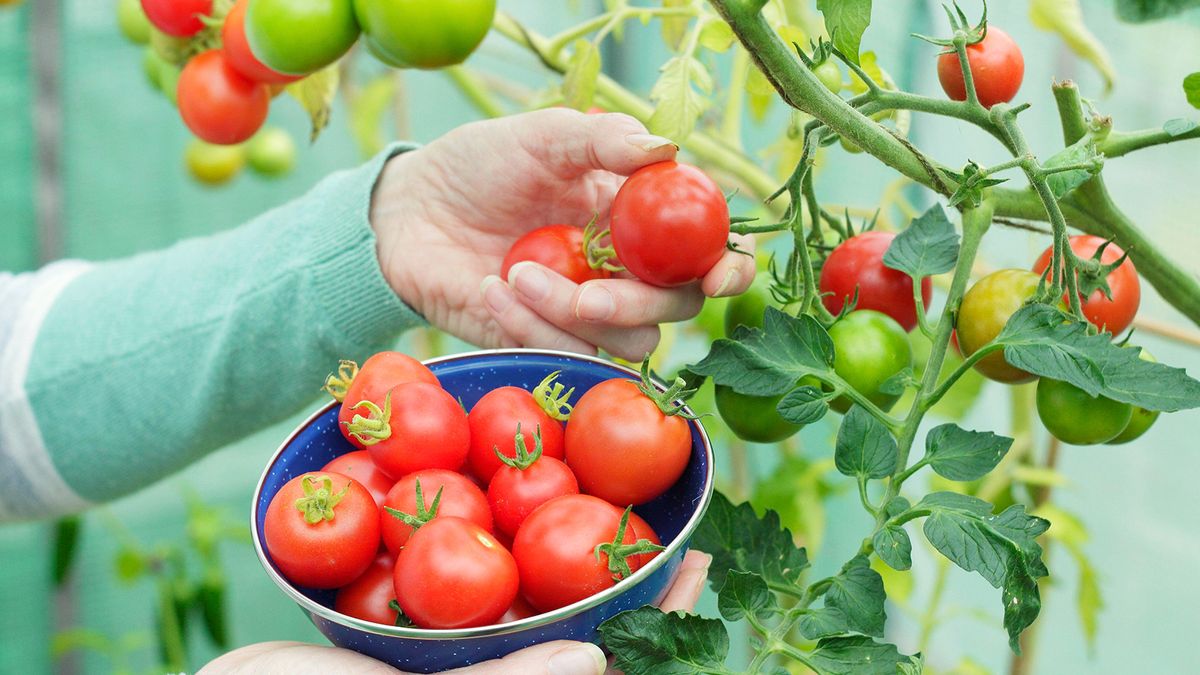
The diversity of tomato varieties offers a range of maturity times, from early-season types to late-season producers.
- Early-Season Varieties: These varieties are bred for quicker maturity, often ripening within 60-70 days from transplanting. For Zone 9A, if one is considering seeding now (e.g., mid-April), opting for an early-season variety becomes a more strategic choice. Examples might include ‘Early Girl’ or certain cherry tomato cultivars. These have a better chance of producing a harvest before the peak summer heat sets in or before the fall planting window becomes necessary.
- Mid-Season Varieties: These typically mature in 70-80 days. While still viable for a spring planting in Zone 9A if seeded in late March or early April, their success might be more dependent on favorable weather conditions.
- Late-Season Varieties: These varieties require 80+ days to maturity. By mid-April, seeding these for a spring harvest in Zone 9A becomes highly questionable. Their maturity date would likely fall into the height of summer, where fruit set is difficult and disease is prevalent. These are generally better suited for the fall planting season when they can mature into the cooler autumn months.
Seed Starting Methods: Indoors vs. Direct Sowing
The method by which tomato seeds are planted significantly impacts the viability of a late seeding.
- Starting Seeds Indoors: This is the preferred method for most gardeners in Zone 9A, allowing for earlier establishment and a head start on the growing season. If a gardener is asking about seeding in mid-April, they might still be able to procure established seedlings from a local nursery or garden center. These seedlings have already undergone the initial germination and growth phases. However, if they are referring to starting seeds from scratch indoors at this point, it is indeed late for a substantial spring harvest of most varieties. The optimal window for indoor seeding has passed by late March.
- Direct Sowing Outdoors: Direct sowing tomato seeds into the garden soil is less common due to the longer germination time and the need for consistently warm soil temperatures. While soil in Zone 9A warms considerably by April, starting seeds directly outdoors in mid-April for a spring crop is generally not recommended. The plants will take longer to germinate and establish, leaving less time for fruit development before the summer heat. It’s far more effective to direct sow for the fall crop in July.
Microclimate Considerations
Even within Zone 9A, microclimates can vary. Factors such as proximity to the coast, urban heat island effects, or variations in elevation can influence the last spring frost date and the intensity of summer heat. A garden that is slightly more sheltered or experiences a later frost might offer a slightly extended window for spring planting. Conversely, a more exposed location could mean the optimal planting time has already passed. Observing local weather patterns and consulting with experienced gardeners in a specific neighborhood can provide valuable insights. For instance, areas closer to the coast in Texas might experience milder conditions, potentially extending the viable planting window slightly later than inland areas within the same zone.
Maximizing Success Even When Seeding “Late”
If a gardener finds themselves asking this question in mid-April or later, and is determined to grow tomatoes, there are strategies to improve their chances of success. It’s crucial to manage expectations and focus on adaptability.
Choosing Fast-Maturing Varieties
As mentioned, selecting early-season or even “super-early” varieties is paramount. These are specifically bred to produce fruit quickly, giving them a fighting chance to beat the extreme summer weather. Look for descriptions that highlight short days to maturity or suitability for shorter growing seasons.
Optimizing Planting Conditions
- Soil Preparation: Ensure the soil is well-draining and amended with compost or other organic matter. This provides essential nutrients and improves soil structure, which is crucial for rapid root development.
- Sunlight: Tomatoes require at least 6-8 hours of direct sunlight daily. Ensure the chosen planting location receives adequate sun, especially during the critical early growth stages.
- Watering: Consistent and adequate watering is vital, especially for young plants. Irregular watering can lead to stress, reduced fruit production, and increased susceptibility to diseases like blossom end rot.
- Mulching: Applying a layer of organic mulch around the base of the plants helps retain soil moisture, suppress weeds, and regulate soil temperature. This can be particularly beneficial in the warmer months of Zone 9A.
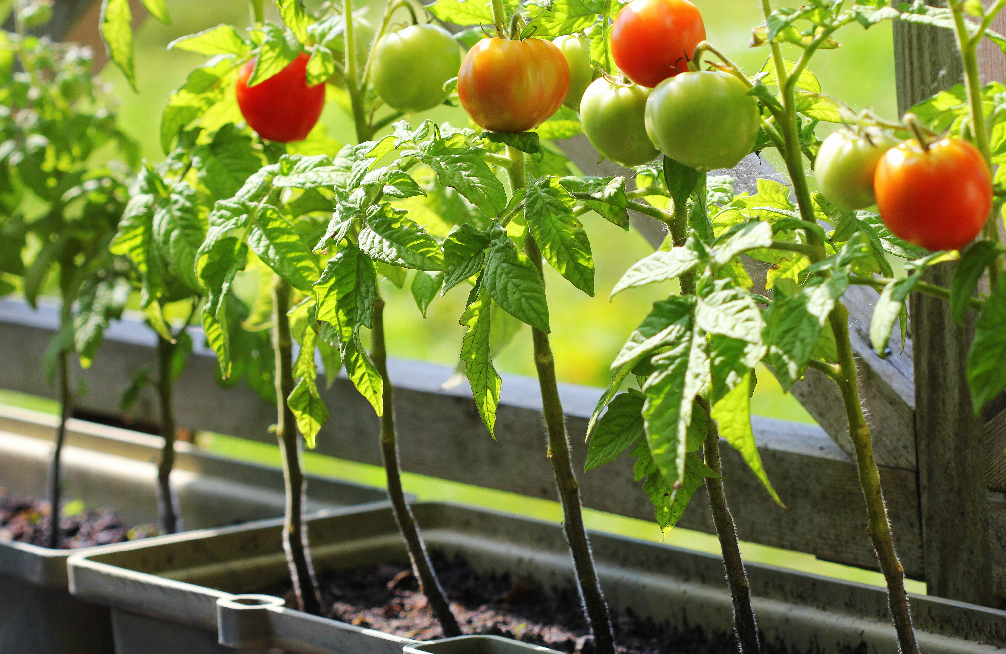
Embracing the Fall Crop
For many in Zone 9A, the most practical answer to “Is it too late to seed tomatoes?” if the spring window has indeed passed is to pivot to planning for a fall harvest. The conditions for a fall crop are often more favorable for overall plant health and fruit production than trying to push the limits of the spring season. Starting seeds indoors in July and transplanting in August allows plants to grow and mature during the more manageable temperatures of late summer and early autumn. This approach often yields a more reliable and abundant harvest than attempting a late spring planting. Many gardeners in Texas find success with this dual-season approach, enjoying tomatoes from late spring through early fall.
In conclusion, while the ideal window for seeding tomatoes in Zone 9A Texas for a spring harvest typically closes by late March or early April, the precise definition of “too late” depends on the variety, planting method, and individual garden conditions. For those past the optimal spring seeding period, focusing on fast-maturing varieties or shifting focus to a well-planned fall crop offers the most promising path to enjoying homegrown tomatoes. The key lies in understanding the nuances of the local climate and adapting gardening strategies accordingly.
LifeOutOfTheBox is a participant in the Amazon Services LLC Associates Program, an affiliate advertising program designed to provide a means for sites to earn advertising fees by advertising and linking to Amazon.com. Amazon, the Amazon logo, AmazonSupply, and the AmazonSupply logo are trademarks of Amazon.com, Inc. or its affiliates. As an Amazon Associate we earn affiliate commissions from qualifying purchases.