
Texas, a state renowned for its vast landscapes, rich history, and vibrant culture, often conjures images of sprawling ranches, dusty deserts, and bustling metropolises. Yet, beneath its iconic arid facade lies a surprisingly extensive network of water bodies. The question of “how many lakes in Texas?” is more complex than a simple numerical answer, as it involves understanding the distinction between natural and man-made reservoirs, and acknowledging the dynamic nature of these aquatic environments. While precise, universally agreed-upon figures are elusive, a comprehensive look reveals a significant presence of lakes, each contributing to the state’s ecological, recreational, and economic tapestry.
Defining “Lake” in the Texan Context
Before delving into numbers, it’s crucial to define what constitutes a “lake” within the geographical and administrative context of Texas. The vast majority of water bodies considered lakes in Texas are, in fact, reservoirs – artificial lakes created by damming rivers to control floodwaters, generate hydroelectric power, and provide water for municipal, agricultural, and industrial uses. These reservoirs are often the most prominent and utilized “lakes” in the state.
Natural lakes, while less common, do exist. These are typically ephemeral bodies of water, formed in depressions in the landscape that fill with rainwater. Their size and permanence are highly dependent on rainfall patterns, making them a less consistent feature than their engineered counterparts. For the purposes of quantifying “lakes,” both natural and artificial reservoirs are generally included in broader discussions, though the sheer number and impact of man-made lakes dominate the landscape.
Natural vs. Artificial: A Crucial Distinction
The distinction between natural and artificial lakes is fundamental to understanding the water resources of Texas. Natural lakes, like those found in glaciated regions or volcanic calderas, are rare in Texas due to its geological history. The most significant natural lake, though often shallow and prone to drying, is Caddo Lake, a unique bayou system on the border with Louisiana, characterized by ancient cypress trees draped in Spanish moss. Other natural lakes are often small playa lakes in West Texas, ephemeral depressions that fill with rain.
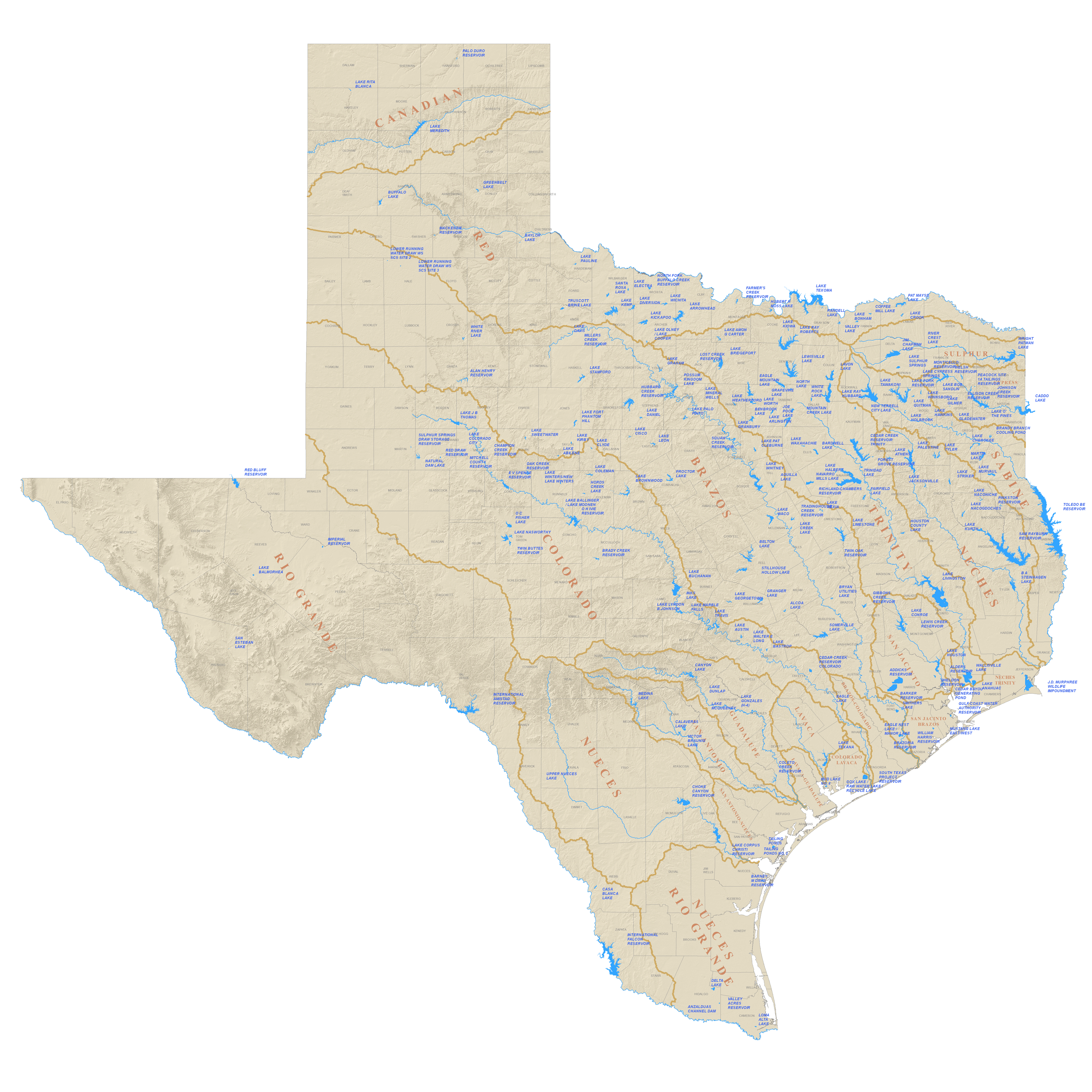
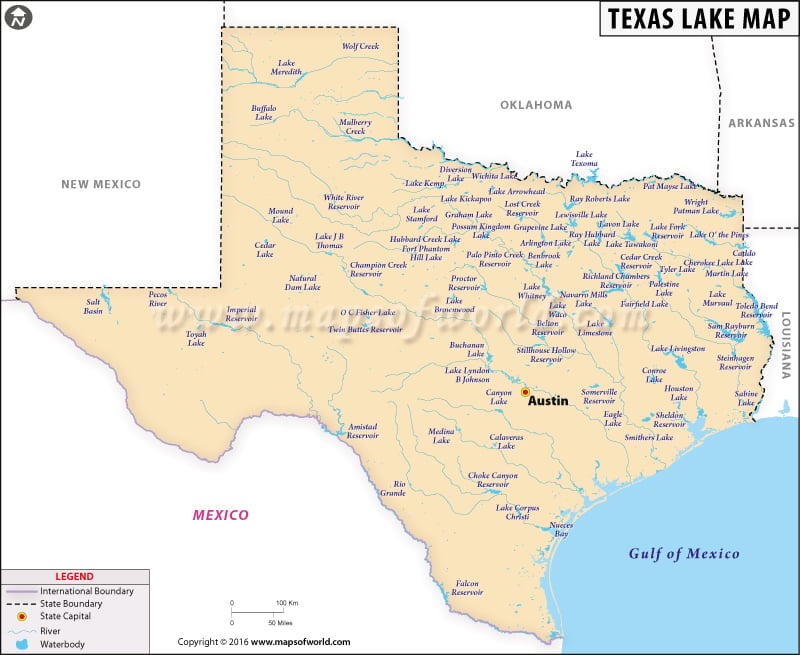
Artificial lakes, or reservoirs, are the true water workhorses of Texas. Constructed primarily in the 20th century, these reservoirs are the backbone of the state’s water supply. Major river systems like the Brazos River, Colorado River, and Trinity River have been extensively dammed to create these vital water sources. Iconic examples include Lake Travis near Austin, Lake Lewisville north of Dallas, and the expansive Sam Rayburn Reservoir in East Texas. These reservoirs are often managed by entities like the U.S. Army Corps of Engineers or local water authorities.
The Numbers Game: Estimating Texas’s Lake Count
Pinpointing an exact number of lakes in Texas is a challenge due to varying definitions and the dynamic nature of water bodies. However, estimates provide a substantial picture. The Texas Water Development Board (TWDB), the primary state agency responsible for water resource planning, tracks numerous water impoundments.
Official and Unofficial Estimates
According to the TWDB, Texas has over 200 major reservoirs that are actively used for water supply, flood control, and recreation. These “major” reservoirs are typically those with a significant surface area and storage capacity. Beyond these, numerous smaller impoundments, farm ponds, and local water holes exist. If one were to include every body of water larger than a certain arbitrary size, the number could easily climb into the thousands.
Some sources suggest that Texas is home to over 7,000 reservoirs. This figure likely includes smaller impoundments that may not be classified as “major” by the TWDB but still contribute to the state’s aquatic landscape. The definition of what constitutes a “lake” versus a “pond” or “reservoir” often leads to these differing numbers. For instance, a farm pond, while technically a man-made lake, might not be counted in state-level statistics focused on significant water resources.
Factors Influencing Lake Numbers
Several factors influence the perceived number of lakes in Texas:
- Rainfall Patterns: During wet years, smaller water bodies and ephemeral lakes are more prominent, potentially increasing the count of observable lakes. Conversely, droughts can cause many of these to disappear, reducing the visible number.
- Development and Infrastructure: As Texas continues to grow, more infrastructure, including dams for water supply and flood control, is built, leading to the creation of new reservoirs.
- Data Collection Methods: Different organizations and studies may employ varying criteria for classifying and counting water bodies, leading to discrepancies in reported numbers. The U.S. Geological Survey (USGS), for instance, maintains extensive hydrological data but may categorize water bodies differently than state agencies focused on water management.
Beyond the Count: The Significance of Texas Lakes
The number of lakes in Texas, while impressive, is secondary to their profound significance. These bodies of water are not merely statistics; they are vital components of the state’s ecosystem, economy, and recreational life.
Water Supply and Agriculture
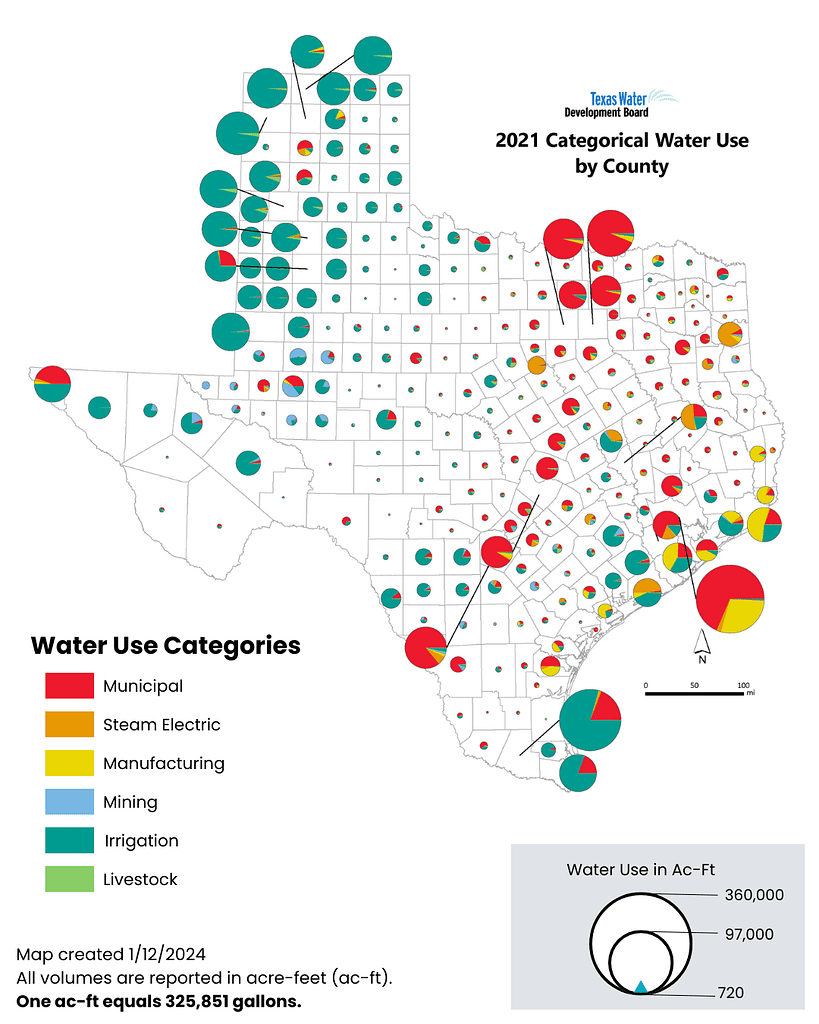
The primary purpose behind the creation of most Texas lakes has been water supply. These reservoirs are critical for providing potable water to the state’s rapidly growing urban centers, including Houston, San Antonio, and Fort Worth. Furthermore, agricultural irrigation is heavily reliant on reservoir water, supporting the state’s robust farming industry. Without these man-made lakes, Texas’s capacity to sustain its population and economy would be severely limited.
Recreation and Tourism
Texas lakes are a major draw for outdoor enthusiasts and tourists. From fishing and boating to swimming and camping, these aquatic playgrounds offer a wide array of recreational opportunities.
- Fishing: Lakes like Lake Fork are renowned for their bass fishing, attracting anglers from across the country. Other popular species found in Texas lakes include catfish, crappie, and sunfish, providing diverse fishing experiences.
- Boating and Water Sports: Vast reservoirs such as Lake Conroe and Lake Amistad are ideal for sailing, jet skiing, and wakeboarding. Many lakeside communities and resorts cater specifically to these activities.
- Wildlife Viewing and Nature Exploration: The shorelines and surrounding habitats of Texas lakes are home to diverse flora and fauna. Birdwatching is a popular activity, particularly at reservoirs that have been designated as part of the Great Texas Coastal Birding Trail, such as Lake Texana.
Ecological Importance
While many Texas lakes are artificial, they have become integral to the state’s ecological systems. They provide habitats for fish, waterfowl, and other aquatic life. The vegetation along their shores supports terrestrial wildlife, and the reservoirs act as crucial corridors for migratory birds. Protecting and managing these water bodies is essential for maintaining biodiversity and ecological health across the state. Inks Lake State Park, for example, offers a glimpse into the unique ecosystems supported by the Highland Lakes chain.
Exploring Texas’s Aquatic Gems
Given the sheer number and variety of lakes, exploring Texas’s aquatic treasures is a lifelong endeavor. Whether one is seeking a bustling hub for watersports or a tranquil escape for nature observation, there is a Texas lake to suit every desire.
The Highland Lakes: A Chain of Wonders
The Highland Lakes, a series of seven reservoirs on the Colorado River in Central Texas, represent one of the state’s most significant water and recreational systems. This chain includes:
- Lake Buchanan
- Inks Lake
- Lake Lyndon B. Johnson (LBJ)
- Lake Marble Falls
- Lake Travis
- Lake Austin
- Lady Bird Lake (formerly Town Lake)
These lakes offer unparalleled opportunities for boating, fishing, and lakeside living, and are a major draw for tourism in the Texas Hill Country.
East Texas Lakes: Piney Woods Paradise
East Texas, known for its dense pine forests and humid climate, boasts some of the state’s largest and most popular reservoirs.
- Sam Rayburn Reservoir: A haven for bass fishing and a popular destination for recreational boating.
- Lake Toledo Bend: One of the largest man-made reservoirs in the United States, straddling the border with Louisiana, offering extensive fishing and camping opportunities.
- Lake Nacogdoches: A smaller but scenic lake providing local recreational benefits.
West Texas Water: Oases in the Desert
While West Texas is predominantly arid, it is not devoid of water. Several reservoirs serve as critical water sources and recreational spots in this challenging environment.
- Lake Amistad: A vast international reservoir on the Rio Grande, offering exceptional bass fishing and opportunities for exploration along its numerous coves and canyons.
- Lake J. B. Thomas: An important reservoir in West Texas for water supply and recreation.
- Playa Lakes: These shallow, ephemeral depressions are crucial for migratory waterfowl and have unique ecological significance, though they do not fit the conventional definition of a permanent lake.
In conclusion, the question of “how many lakes in Texas?” reveals a state with a profound connection to water, largely shaped by human ingenuity in creating reservoirs. While a definitive count remains elusive, the presence of hundreds of major reservoirs and thousands of smaller impoundments underscores their critical role in sustaining life, industry, and recreation across the Lone Star State. These bodies of water are not just features of the landscape; they are essential lifelines.
LifeOutOfTheBox is a participant in the Amazon Services LLC Associates Program, an affiliate advertising program designed to provide a means for sites to earn advertising fees by advertising and linking to Amazon.com. Amazon, the Amazon logo, AmazonSupply, and the AmazonSupply logo are trademarks of Amazon.com, Inc. or its affiliates. As an Amazon Associate we earn affiliate commissions from qualifying purchases.