
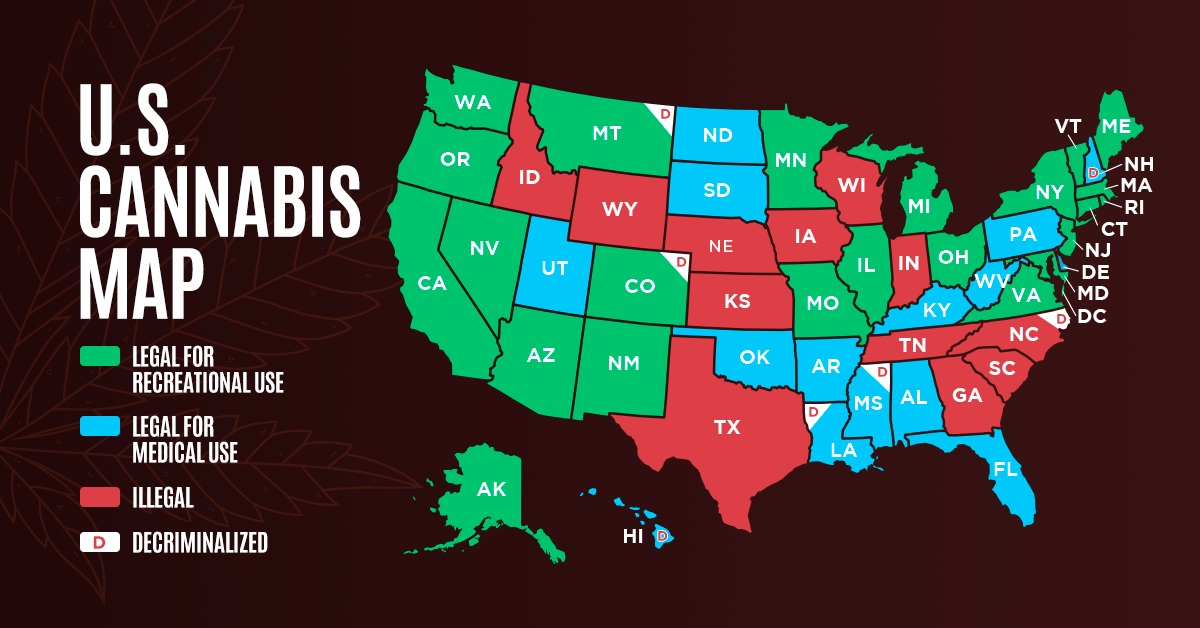
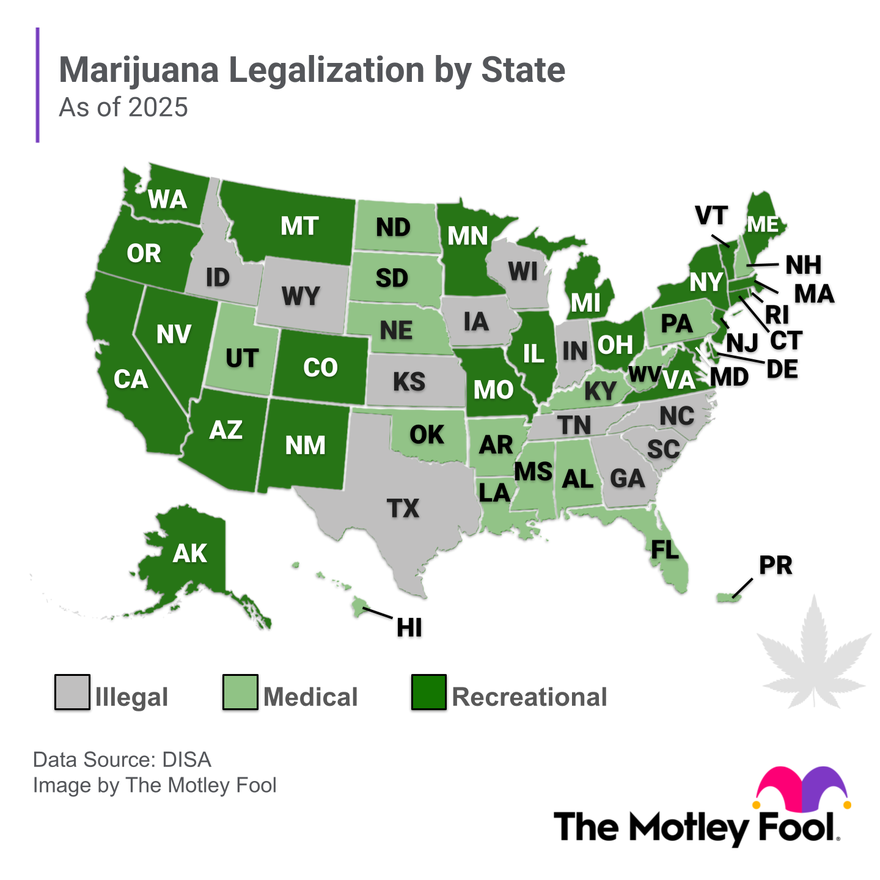
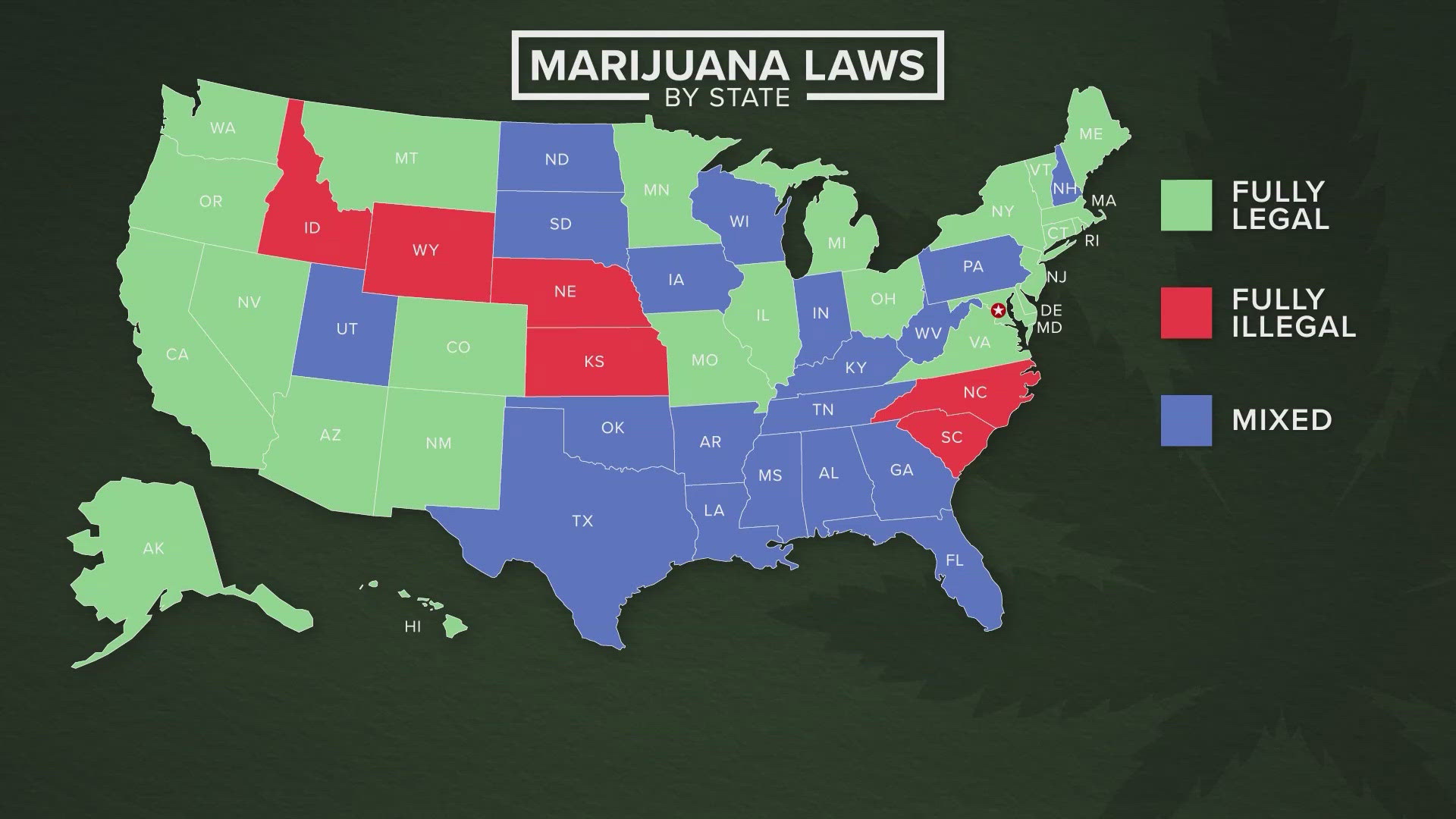
The Lone Star State, known for its deep-rooted traditions and a generally conservative political landscape, has been a focal point of discussion regarding marijuana legalization. As of late 2024, the question of “Is marijuana legal in Texas 2025?” remains a complex one, with a nuanced answer that requires understanding the current legislative framework and potential future developments. While full recreational legalization is not currently in effect, significant shifts have occurred, particularly concerning medical cannabis and low-THC products. This exploration delves into the current legal status, the journey towards reform, and what Texans and visitors might expect in the coming year.
The Evolving Landscape of Cannabis in Texas
Texas has historically maintained some of the strictest cannabis laws in the United States. However, public opinion and legislative efforts have gradually pushed the state towards reform. The journey has been incremental, with changes primarily focusing on medical applications rather than broad recreational access.
Medical Cannabis: A Growing Access
The most significant legislative step towards cannabis legalization in Texas was the Texas Compassionate Use Program (TCUP), enacted in 2015. Initially, TCUP was very restrictive, allowing access only to patients with specific, severe seizure disorders. The program has since been expanded through subsequent legislative sessions.
Expansion of Qualifying Conditions
Over the years, the list of qualifying conditions for medical cannabis under TCUP has broadened. This expansion reflects a growing acknowledgment of cannabis’s therapeutic potential for a wider range of ailments. In recent legislative sessions, conditions such as chronic pain, multiple sclerosis, spasticity, and terminal cancer have been added, significantly increasing the number of Texans eligible to receive low-THC cannabis.
What Constitutes “Medical Cannabis” in Texas?
It’s crucial to understand that “medical cannabis” in Texas, under TCUP, refers to products with a low concentration of tetrahydrocannabinol (THC), the psychoactive compound in marijuana. The legal limit for THC content in these products is currently set at 0.5% by weight. These products are typically administered in forms like oils, tinctures, and edibles, and are not the high-THC flower commonly associated with recreational marijuana. The goal of TCUP is to provide relief for debilitating medical conditions without the significant psychoactive effects associated with higher THC concentrations.
Licensed Dispensaries and Prescriptions
Access to medical cannabis in Texas is tightly regulated. Patients must be diagnosed by a physician registered with the Compassionate Use Registry of Texas (CURT). Once a physician has prescribed low-THC cannabis, patients can obtain their medication from one of the state’s licensed dispensaries. These dispensaries are carefully monitored, and the products undergo rigorous testing to ensure compliance with state regulations. As of late 2024, several licensed dispensaries operate across Texas, serving eligible patients.
Decriminalization and Low-THC Programs
Beyond the medical program, other aspects of cannabis law have seen shifts, though not necessarily mirroring full legalization.
Decriminalization Efforts
While Texas has not fully decriminalized marijuana statewide, several major cities have taken steps to reduce penalties for low-level possession. Cities like Austin, Houston, and Dallas have seen local ordinances passed or district attorney policies implemented that effectively deprioritize prosecution for small amounts of marijuana. This means that while possessing marijuana may still be illegal under state law, enforcement at the local level has become more lenient in these urban centers. This trend reflects a broader societal shift in attitudes towards cannabis, even if legislative changes at the state level have been more cautious.
The “Texas Dream” and Future Possibilities
The “Texas Dream” is a legislative proposal that has been gaining traction in recent years. While the specifics can vary from one session to the next, the general aim of these proposals has been to expand access to medical cannabis, potentially increasing THC limits or broadening the scope of qualifying conditions. However, as of the most recent legislative sessions, these broader reforms have not yet been enacted into law. The continued discussion around these proposals indicates a persistent interest in further liberalization of cannabis laws.
What This Means for Visitors and Residents in 2025
Navigating the legalities of cannabis in Texas requires a clear understanding of the current laws and the distinction between medical use and recreational use.
Recreational Marijuana: Still Illegal
As of the end of 2024 and looking towards 2025, recreational marijuana remains illegal in Texas. Possession of any amount of marijuana beyond what is permitted under the very strict low-THC medical program can lead to arrest, fines, and potential jail time, depending on the quantity. This is a critical distinction for travelers planning a visit to the Lone Star State. Ignorance of the law is not a defense, and visitors should be aware of these regulations to avoid legal entanglements.
Navigating Medical Access
For Texans who qualify for the Texas Compassionate Use Program, access to low-THC cannabis is available through licensed dispensaries. The process involves a physician’s prescription and adherence to the program’s guidelines. It is important for patients to consult with their healthcare providers to determine eligibility and understand the legal framework surrounding their medical cannabis treatment.
Travel Considerations
Travelers passing through or visiting Texas should exercise extreme caution. Bringing cannabis products, even those legally purchased in other states, into Texas is a violation of state and federal law. Law enforcement agencies at various checkpoints, including those on highways and near state borders, actively enforce these regulations. It is advisable to avoid carrying any marijuana-related products while traveling within or through Texas to prevent any legal complications.
The Road Ahead: Potential for Change
The conversation surrounding cannabis legalization in Texas is far from over. Several factors suggest that further reforms may be on the horizon, even if full recreational legalization remains a distant prospect for now.
Public Opinion and Shifting Attitudes
Public opinion polls in Texas have shown a growing acceptance of marijuana, particularly for medical use. While this sentiment has not yet translated into comprehensive legislative action for recreational purposes, it creates a fertile ground for continued debate and potential future changes. As more states in the United States move towards legalization, the pressure for Texas to reconsider its stance may increase.
Legislative Momentum and Future Sessions
Each legislative session in Texas brings renewed debate and proposed bills related to cannabis. While past efforts to significantly expand the medical program or move towards broader legalization have not succeeded, the persistence of these discussions indicates that the issue remains a priority for some lawmakers and constituents. The outcome of future elections and the composition of the Texas Legislature will play a significant role in shaping the future of cannabis policy in the state.
Impact on Tourism and Business
The legal status of cannabis can have a considerable impact on tourism and local economies. States that have legalized recreational marijuana have seen substantial revenue generated through sales taxes, which can then be reinvested in public services. While Texas has not yet embraced this model, the economic arguments for reform are being made. As neighboring states continue to evolve their cannabis laws, Texas may eventually face increased pressure to align with regional trends, particularly if it impacts tourism or economic development. However, for 2025, the existing legal framework is expected to largely remain in place, emphasizing strict regulation for medical use and continued prohibition for recreational purposes.
In conclusion, as of 2025, recreational marijuana remains illegal in Texas. The state’s cannabis laws are characterized by a tightly regulated Compassionate Use Program for low-THC medical cannabis. While there are ongoing discussions and some local decriminalization efforts, visitors and residents alike must adhere to the existing laws to avoid legal repercussions. The landscape of cannabis in Texas is one of gradual evolution, and while significant reforms have been made in the medical sector, a full shift towards broader legalization is not anticipated for the immediate future.
LifeOutOfTheBox is a participant in the Amazon Services LLC Associates Program, an affiliate advertising program designed to provide a means for sites to earn advertising fees by advertising and linking to Amazon.com. Amazon, the Amazon logo, AmazonSupply, and the AmazonSupply logo are trademarks of Amazon.com, Inc. or its affiliates. As an Amazon Associate we earn affiliate commissions from qualifying purchases.