
The chilling legacy of Leatherface and his cannibalistic family has left an indelible mark on horror cinema. The Texas Chainsaw Massacre franchise, a cornerstone of the slasher genre, evokes a primal fear rooted in its unsettling premise: a deranged family using a chainsaw to hunt unsuspecting victims. While the films are undeniably fictional, the question of their inspiration has long captivated audiences. The answer lies not in a single, direct event, but in a potent cocktail of real-life crimes, societal anxieties, and the fertile imagination of its creators.
The Shadow of Ed Gein: A Primary Influence
The most prominent real-life figure associated with the inspiration behind The Texas Chainsaw Massacre is Ed Gein. A solitary and disturbed individual from Plainfield, Wisconsin, Gein’s gruesome activities in the 1950s sent shockwaves through the nation. While Gein was not a chainsaw-wielding killer in the cinematic sense, his crimes involved grave robbing and the creation of disturbing objects from human remains, including household items, clothing, and even furniture fashioned from skin and bones.

Gein’s Gruesome Discoveries
When authorities raided Gein’s farmhouse in November 1957, they unearthed a horrifying tableau. The discovery included bowls made from skulls, lampshades and upholstery crafted from human skin, and a vest made from human skin. Gein confessed to exhuming corpses from local graveyards and then cannibalizing them. He also admitted to murdering two women, although his killings were often described as less sensationalized than the gore depicted in the film.
The Chainsaw Connection
The direct link between Gein and the chainsaw is where the narrative diverges from strict reality. Gein did not use a chainsaw in his crimes; his tool of choice for dismemberment was typically an axe or knife. However, the sheer barbarity and the unsettling appropriation of human remains for domestic use by Gein deeply resonated with the filmmakers, particularly writer and producer Kim Henkel and director Tobe Hooper. They were drawn to the idea of a rural, isolated family engaging in such horrific acts, and Gein’s crimes provided a grim, tangible foundation for this concept. The image of a powerful, terrifying tool like a chainsaw, capable of swift and brutal destruction, became a potent symbol for the visceral horror they intended to unleash. It amplified the sense of primal, uncontrolled violence that Gein’s actions, while different in method, also embodied.
Beyond Gein: Broader Societal Anxieties
While Ed Gein‘s crimes served as a significant touchstone, the creation of The Texas Chainsaw Massacre was also influenced by broader societal anxieties prevalent in the early 1970s. The Vietnam War, the growing counterculture movement, and a general distrust of authority contributed to a sense of unease and a questioning of traditional values.
Rural Gothic and the Fear of the “Other”
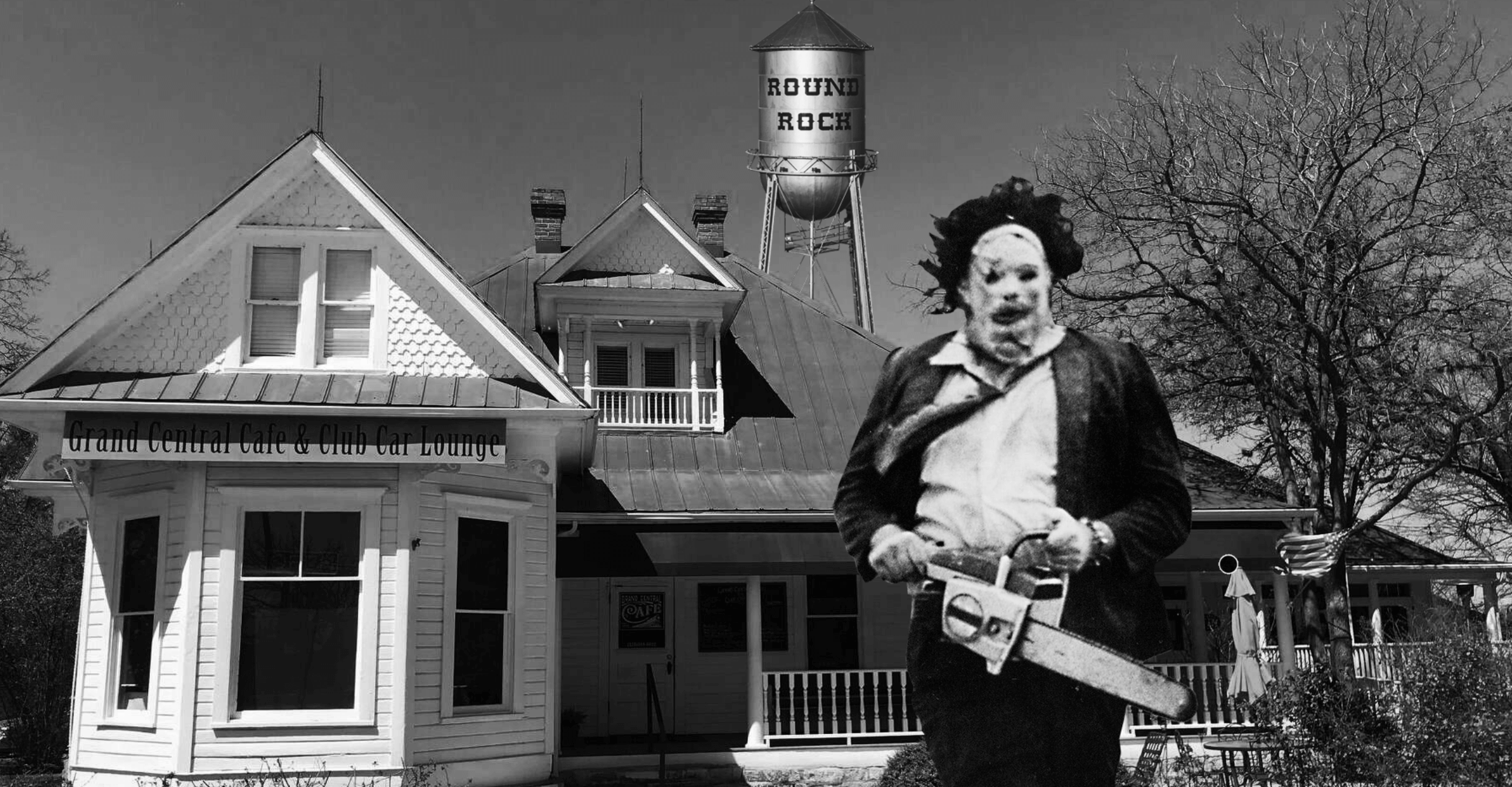
The film tapped into a deep-seated fear of rural isolation and the unknown inhabitants lurking within it. The image of a remote, decaying farmhouse inhabited by a degenerate family preys on the notion that hidden horrors can exist just beyond the veneer of civilization. This “rural gothic” aesthetic, combined with the theme of a family unit twisted into a monstrous entity, played on the anxieties of a society grappling with rapid change and the potential disintegration of traditional familial structures. The cannibals in the film represent a grotesque perversion of the family, a warped parody of domesticity that is deeply unsettling.
The Vietnam War and Desensitization to Violence
Some critics and scholars have also suggested a connection between the film and the pervasive violence of the Vietnam War. The seemingly senseless brutality, the desensitization to death, and the trauma experienced by soldiers returning from the conflict could have contributed to a cultural climate where extreme violence was increasingly normalized, or at least contemplated in new ways. The raw, almost documentary-style filming of The Texas Chainsaw Massacre, coupled with its unrelenting pace, mirrors a sense of chaotic, inescapable violence that resonated with the public consciousness of the era. The film’s protagonists, a group of young people on a road trip, are a stark contrast to the hardened soldiers, making their vulnerability and terrifying demise all the more impactful.
The Birth of a Cinematic Nightmare: Hooper and Henkel’s Vision
The creative process of bringing The Texas Chainsaw Massacre to the screen involved the unique vision of director Tobe Hooper and writer/producer Kim Henkel. They were not interested in replicating Ed Gein‘s story verbatim, but rather in using his crimes as a springboard for a more visceral and terrifying cinematic experience.
The “True Story” Deception
One of the most effective marketing strategies employed for the film was the assertion that it was based on a “true story.” This claim, though largely a fabrication designed to heighten the sense of realism and dread, was highly effective in drawing audiences and contributing to the film’s notorious reputation. While the underlying inspiration from Gein was real, the specific narrative of Leatherface and his family was an invention. This tactic played into existing fears and superstitions, making the film feel disturbingly plausible.

Crafting Leatherface and the Sawyer Family
Hooper and Henkel meticulously crafted the character of Leatherface and his deranged family, the Sawyers. Leatherface, with his iconic mask made of human skin and his reliance on a chainsaw, became a terrifying symbol of primal, unthinking brutality. The family dynamic, where cannibalism and murder are normalized within the household, amplified the horror. The film’s low-budget, gritty aesthetic, combined with its relentless pacing and disturbing imagery, created an atmosphere of raw, unfiltered terror that set it apart from other horror films of its time. The lack of explicit gore in many scenes, relying instead on suggestion and sound design, often proved more psychologically disturbing than explicit depictions of violence. This approach underscored the film’s focus on psychological terror rather than gratuitous bloodshed, making its impact all the more profound. The film’s setting in the desolate Texan landscape also served to heighten the sense of isolation and vulnerability for the unsuspecting protagonists, transforming a seemingly ordinary road trip into a descent into a living nightmare. The heat, the dust, and the oppressive atmosphere of the Texas countryside became an integral part of the horror, a silent antagonist that trapped the characters and amplified their terror.
LifeOutOfTheBox is a participant in the Amazon Services LLC Associates Program, an affiliate advertising program designed to provide a means for sites to earn advertising fees by advertising and linking to Amazon.com. Amazon, the Amazon logo, AmazonSupply, and the AmazonSupply logo are trademarks of Amazon.com, Inc. or its affiliates. As an Amazon Associate we earn affiliate commissions from qualifying purchases.