
The vast expanse of Texas is a land of diverse landscapes, vibrant cultures, and sprawling cities. When planning a trip or simply trying to coordinate with friends and family across the Lone Star State, understanding its time zone is a crucial, yet often overlooked, detail. The question of whether Texas observes Central or Eastern Time is a common one, and the answer is definitively Central Time, with a small, but significant, exception. This clarification is vital for travelers, business professionals, and anyone seeking to navigate the temporal geography of this immense state.
Understanding U.S. Time Zones: A Brief Overview
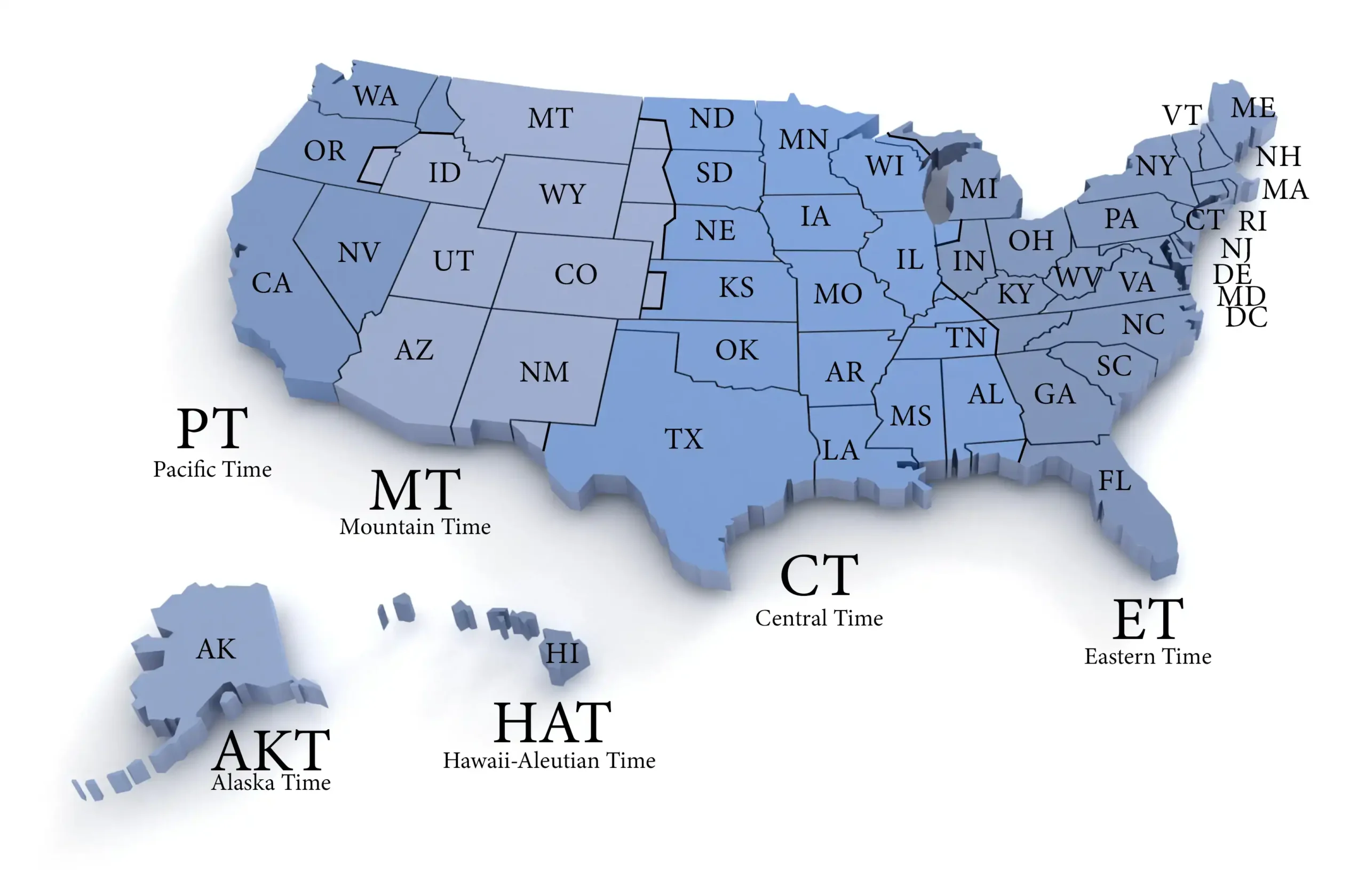
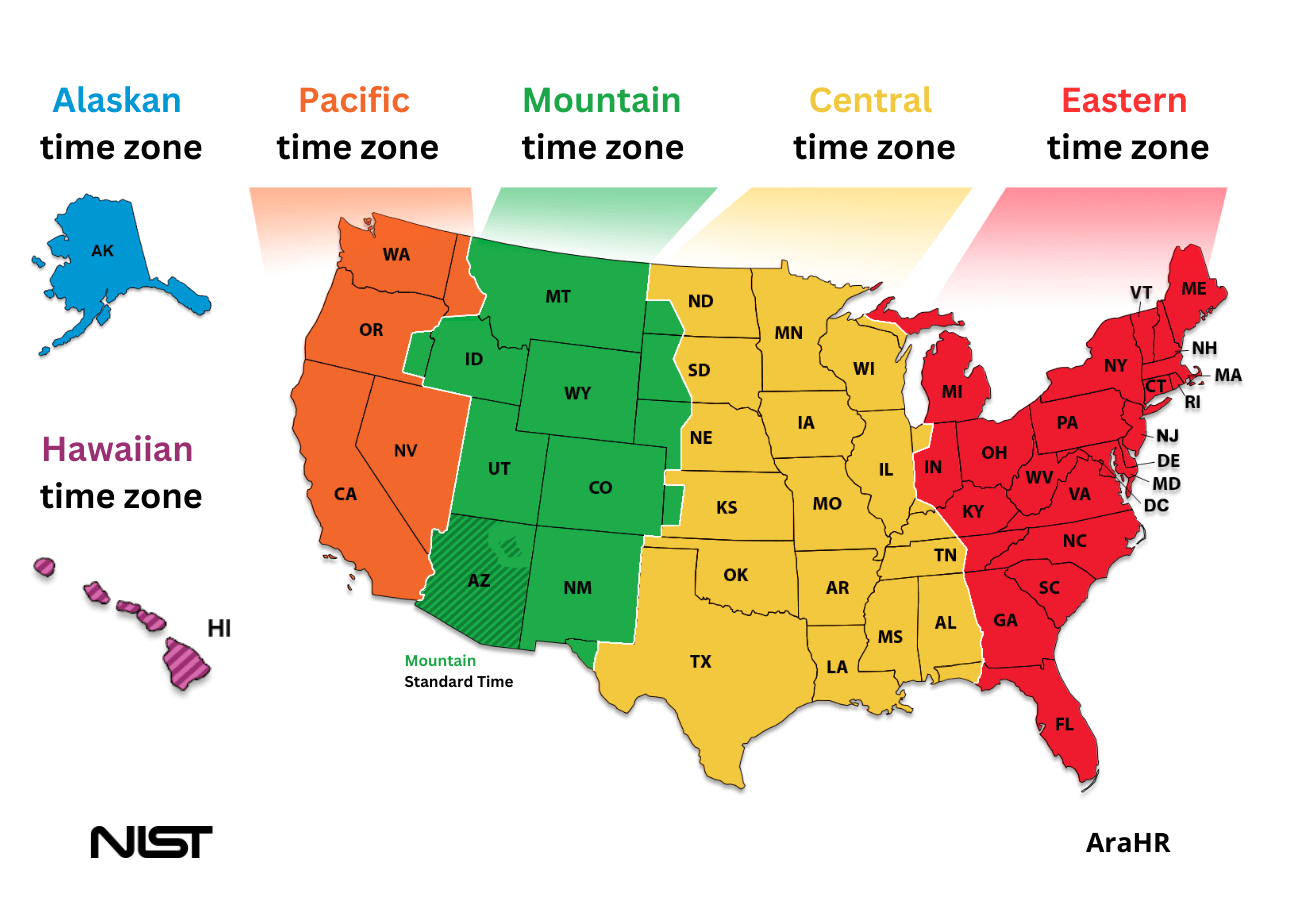
Before delving into Texas’s specific time zone situation, it’s helpful to have a general understanding of how time zones operate in the contiguous United States. The country is divided into several standard time zones, each generally spanning 15 degrees of longitude. These are, from west to east: Pacific, Mountain, Central, and Eastern Time. Daylight Saving Time (DST) is observed in most of the country, causing clocks to jump forward by an hour in the spring and fall back in the autumn. This system is designed to maximize daylight during waking hours.
The Dominant Time Zone: Central Standard Time
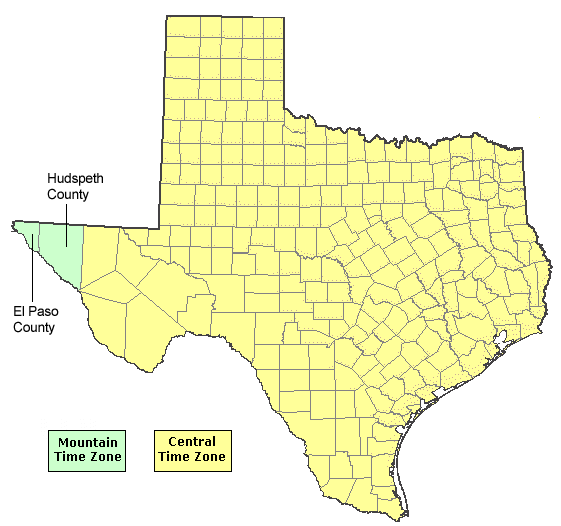
The overwhelming majority of Texas observes Central Standard Time (CST), which is UTC-6. During Daylight Saving Time, it becomes Central Daylight Time (CDT), UTC-5. This means that Texas is one hour behind Eastern Standard Time (EST) and one hour ahead of Mountain Standard Time (MST). For travelers, this means that when it’s noon in New York City, it’s 11 AM in Dallas, Houston, or Austin. This distinction is important for booking flights, making dinner reservations, or simply ensuring you don’t miss an important event.
The Exception: A Glimpse of Eastern Time
While Central Time is the rule for nearly all of Texas, there is a very small area in the extreme western part of the state that observes Mountain Time. This region, primarily centered around El Paso, is geographically closer to the Mountain Time Zone states of New Mexico and Colorado. Therefore, while the rest of Texas is on Central Time, El Paso and its surrounding communities are on Mountain Time (MST/MDT). This creates a curious temporal anomaly within the state.
Navigating the Border: El Paso’s Unique Position
The city of El Paso and its immediate surroundings represent the sole exception to Texas’s Central Time dominance. This means that when you are in El Paso, the time is the same as in Denver, Salt Lake City, or Phoenix. This can be a point of confusion for those unfamiliar with the state’s temporal divisions. For instance, a business meeting scheduled for 10 AM in Dallas would be at 9 AM in El Paso. This geographical quirk has historical roots, often tied to transportation and economic ties with neighboring states.
Practical Implications for Travelers and Visitors
The distinction between Central Time and Mountain Time in Texas might seem minor, but it can have practical implications for various aspects of travel and daily life.
Air Travel and Flight Schedules
When booking flights into or out of Texas, it is essential to pay close attention to the scheduled arrival and departure times. Airports like Dallas/Fort Worth International Airport (DFW) and George Bush Intercontinental Airport in Houston operate on Central Time. However, if you are flying into El Paso International Airport, you will need to adjust your expectations accordingly, as it operates on Mountain Time. Misinterpreting these times can lead to missed connections or arriving at an airport hours before your flight. Always verify the time zone of your destination airport, especially when traveling to the western edge of the state.
Business and Communication
For businesses operating across Texas, or those with clients and partners in different parts of the state, understanding the time zone difference is paramount. Scheduling conference calls, setting meeting times, and coordinating project deadlines all require careful consideration of whether participants are in Central Time or Mountain Time. A Houston-based company working with an El Paso supplier needs to account for the one-hour difference. This is particularly relevant for industries that operate on tight schedules or require real-time collaboration.
Local Activities and Dining
Even for leisure travelers exploring Texas, understanding the time zone can affect your plans. If you’re planning an evening out in San Antonio and want to catch a show or make a dinner reservation, you’ll be working with Central Time. Conversely, if your Texas adventure takes you to the scenic landscapes near El Paso, remember that your dining hours will align with Mountain Time. This ensures you don’t show up an hour too early or, worse, too late for your chosen activity.
Conclusion: A State Divided by Time (Slightly)
In conclusion, while the vast majority of Texas proudly operates on Central Time, the westernmost tip, notably the city of El Paso, adheres to Mountain Time. This temporal divide, though subtle, is an important detail for anyone planning a journey through the Lone Star State. Whether you’re a tourist eager to explore the vibrant culture of Austin, a business traveler attending meetings in Dallas, or an adventurer venturing towards the unique landscapes of West Texas, being aware of Texas’s time zone will ensure a smoother and more enjoyable experience. It’s a small but fascinating aspect of the diverse and expansive geography that defines Texas.
LifeOutOfTheBox is a participant in the Amazon Services LLC Associates Program, an affiliate advertising program designed to provide a means for sites to earn advertising fees by advertising and linking to Amazon.com. Amazon, the Amazon logo, AmazonSupply, and the AmazonSupply logo are trademarks of Amazon.com, Inc. or its affiliates. As an Amazon Associate we earn affiliate commissions from qualifying purchases.