
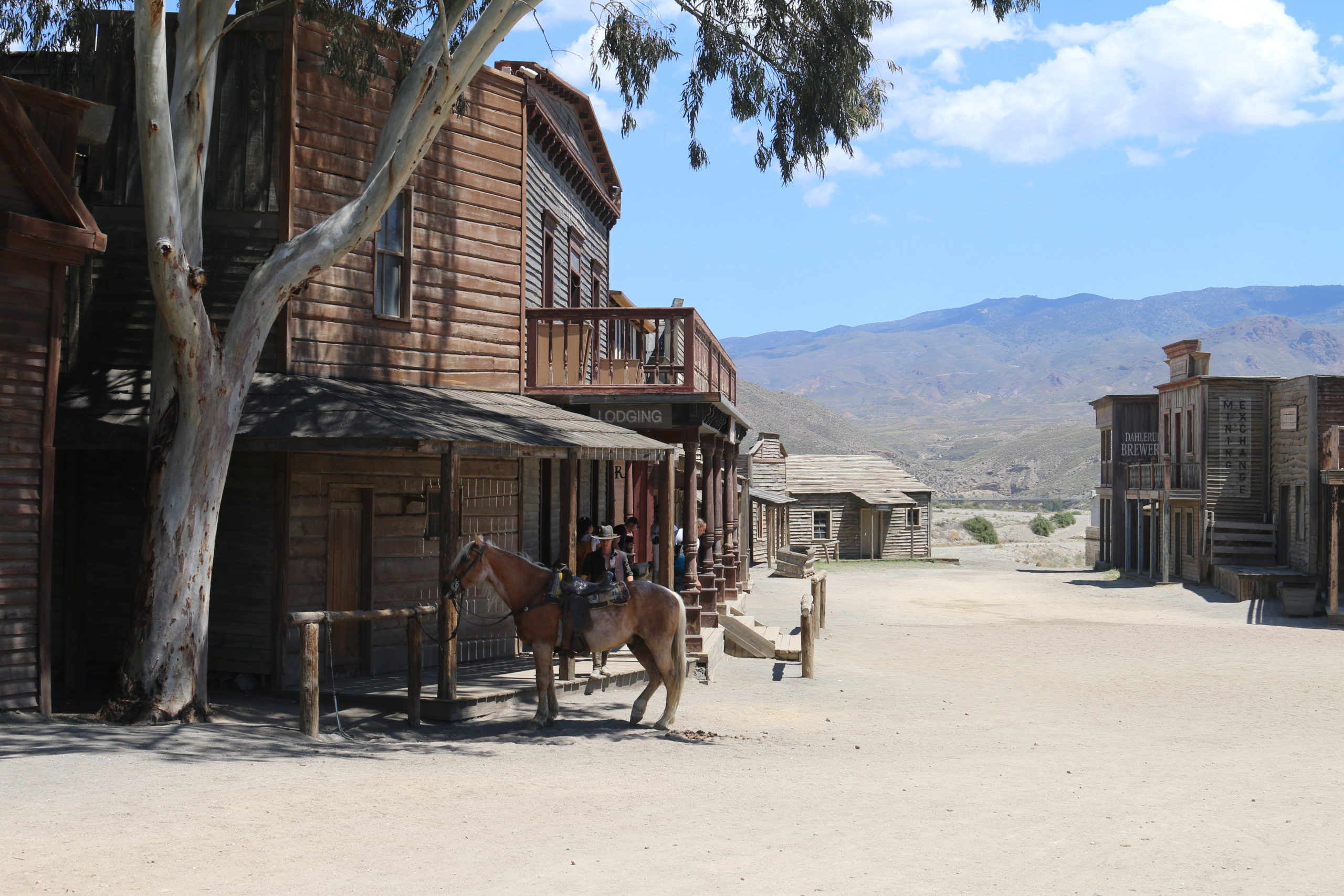
Texas. The very name conjures images of vast open spaces, sun-baked plains, and rugged individualism. But when the question “Is Texas desert?” arises, the answer is far more nuanced than a simple yes or no. While large swathes of western Texas share characteristics with arid and semi-arid desert regions, the state’s immense size and diverse geography mean that “desert” is a classification that only captures a part of its climatic and ecological story. Understanding the different regions within Texas reveals a complex tapestry of landscapes, from lush pine forests to sprawling grasslands, and yes, significant desert terrains.
Defining Desert: Beyond the Sand Dunes
To accurately assess whether Texas can be called a desert, it’s crucial to understand what constitutes a desert. Primarily, deserts are defined by their low levels of precipitation. The United States Geological Survey (USGS) broadly defines a desert as a region that receives less than 10 inches (254 millimeters) of precipitation annually. This definition, however, is often expanded to include other climatic and ecological factors. Arid regions are characterized by extreme temperatures, sparse vegetation adapted to drought conditions, and a lack of permanent surface water. Semi-arid regions are transitional zones, receiving slightly more precipitation than true deserts but still experiencing prolonged dry periods and possessing desert-like vegetation.
Precipitation Patterns Across Texas
Texas, stretching over 268,596 square miles, boasts a remarkable climatic variation. The eastern third of the state, particularly the Piney Woods region, receives abundant rainfall, often exceeding 50 inches annually. This area is characterized by dense forests, fertile soil, and a humid subtropical climate, bearing little resemblance to a desert. As one travels westward, the landscape gradually transforms. Precipitation decreases, temperatures rise, and vegetation shifts from deciduous trees and lush undergrowth to scrub brush, grasses, and cacti. This transition is not abrupt but a gradual shift, making the classification of specific areas as desert or semi-arid dependent on precise climatic data.
The Desert Regions of Texas
Despite the state’s considerable rainfall in its eastern and central areas, western Texas undeniably qualifies as desert or semi-arid territory. This vast expanse, often referred to as the Trans-Pecos region and the High Plains, exhibits all the hallmarks of desert environments.
The Trans-Pecos: High Desert Majesty
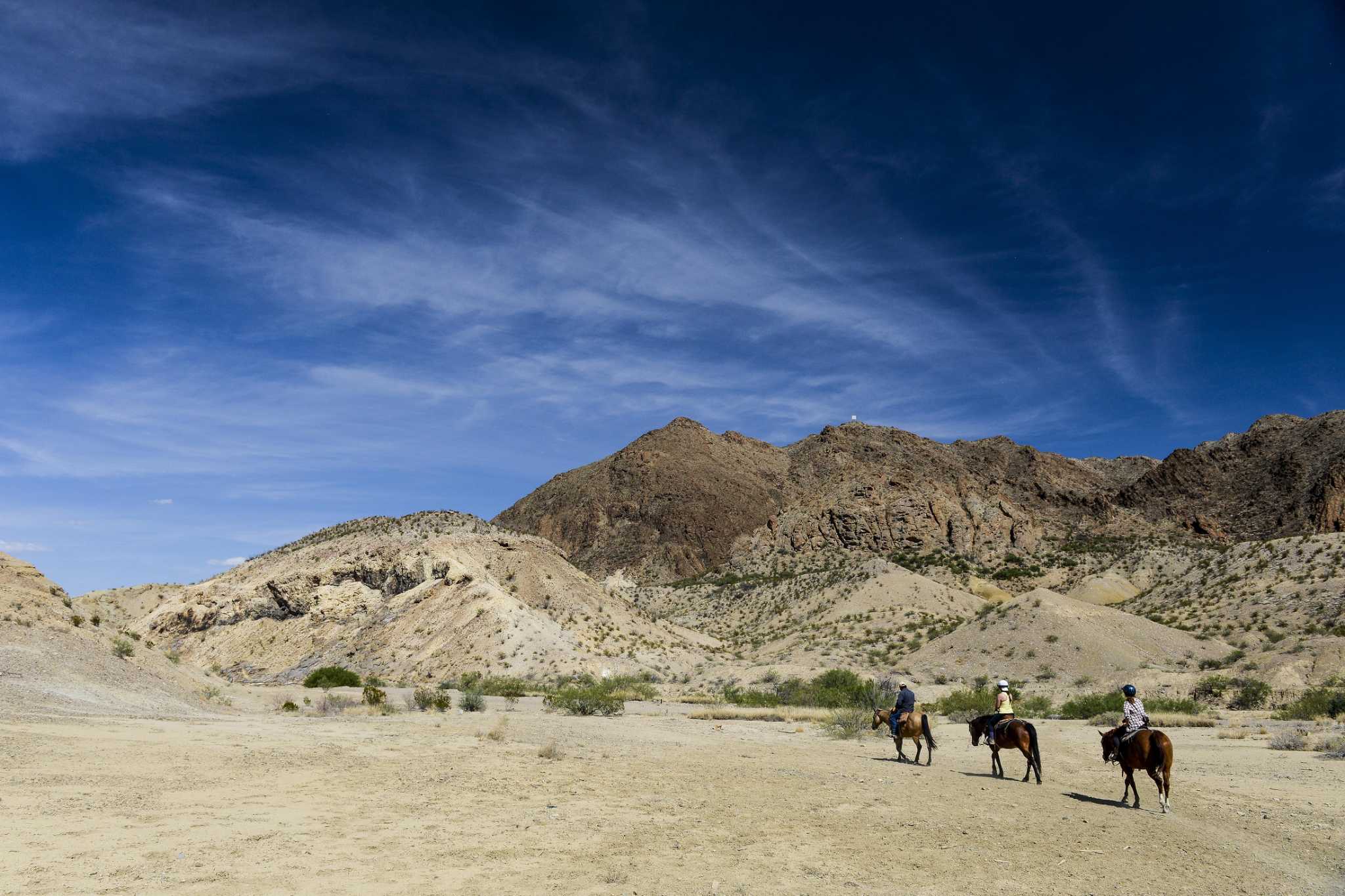
The Trans-Pecos region, located west of the Pecos River, is arguably the most desert-like part of Texas. This area is characterized by dramatic mountain ranges, broad basins, and sparse vegetation. The Chihuahuan Desert, a major North American desert, extends into this part of Texas. Here, annual precipitation can be as low as 8 to 12 inches, with much of it falling in sporadic, intense thunderstorms.
Key Features of the Trans-Pecos Desert:
- Aridity: Low rainfall is the defining characteristic, forcing flora and fauna to adapt to scarce water.
- Vegetation: Iconic desert plants dominate, including various species of cacti (like the prickly pear and barrel cactus), agave, yucca, mesquite, and creosote bush. These plants are adapted to store water and survive long periods of drought.
- Topography: The region features rugged mountains such as the Guadalupe Mountains and the Davis Mountains, interspersed with arid basins and desert plains.
- Wildlife: Despite the harsh conditions, the Trans-Pecos supports a diverse array of wildlife, including desert bighorn sheep, javelinas, coyotes, various reptiles like rattlesnakes and lizards, and numerous bird species adapted to arid environments.
- Attractions: This region is home to national parks and state parks that offer opportunities to experience the desert landscape firsthand. Big Bend National Park is a prime example, showcasing the grandeur of the Chihuahuan Desert, the Rio Grande, and the unique geology of the area. Big Bend Ranch State Park offers a more rugged and remote desert adventure.
The High Plains: A Semi-Arid Transition
North of the Trans-Pecos, the High Plains of Texas also exhibit semi-arid characteristics. This region, part of the larger Great Plains, is characterized by flat to gently rolling terrain and, historically, shortgrass prairie. While receiving more rainfall than the Trans-Pecos, typically between 15 to 20 inches annually, the High Plains are still susceptible to drought and feature vegetation adapted to drier conditions.
High Plains Characteristics:
- Semi-Arid Climate: The region experiences hot summers and cold winters, with significant evaporation rates contributing to its dry nature.
- Vegetation: The native shortgrass prairie, dominated by species like blue grama and buffalo grass, is well-suited to the lower precipitation. However, much of the land has been converted to agriculture, particularly wheat and cotton farming, reliant on irrigation.
- Geological Features: The most striking geological feature is the Palo Duro Canyon, the second-largest canyon in the United States, which carves through the otherwise flat landscape, revealing layers of colorful rock formations.
- Cities and Activities: Major cities in this region include Lubbock and Amarillo. While not typically thought of as desert destinations, visitors can experience the unique semi-arid environment, explore the canyons, and learn about the agricultural heritage. The Caprock Canyons State Park & Trailway offers another glimpse into this transitional landscape.
Beyond the Desert: Texas’s Diverse Climates and Landscapes
It is imperative to remember that the desert classification only applies to a significant portion of Texas, primarily its western expanses. The state’s overall climate and geography are far more varied.
Central Texas: The Hill Country and Beyond
Central Texas, including the renowned Texas Hill Country, enjoys a climate that is temperate to humid subtropical. While it can experience dry spells and is known for its rugged limestone hills, it is not a desert. Rainfall is generally sufficient for a rich diversity of plant life, including oak-juniper woodlands and flowing rivers. Cities like Austin and San Antonio are situated in this region, characterized by a blend of rolling hills, rivers, and a vibrant cultural scene, far removed from desert conditions.
East Texas: The Piney Woods and Coastal Plains
As mentioned, East Texas is characterized by dense forests, particularly the expansive Piney Woods ecoregion, which is a part of the larger Gulf Coastal Plains. This area receives substantial rainfall, supporting a lush, green landscape that stands in stark contrast to the arid west. The climate is humid subtropical, with hot, muggy summers and mild winters.
Conclusion: A Tapestry, Not a Monolith
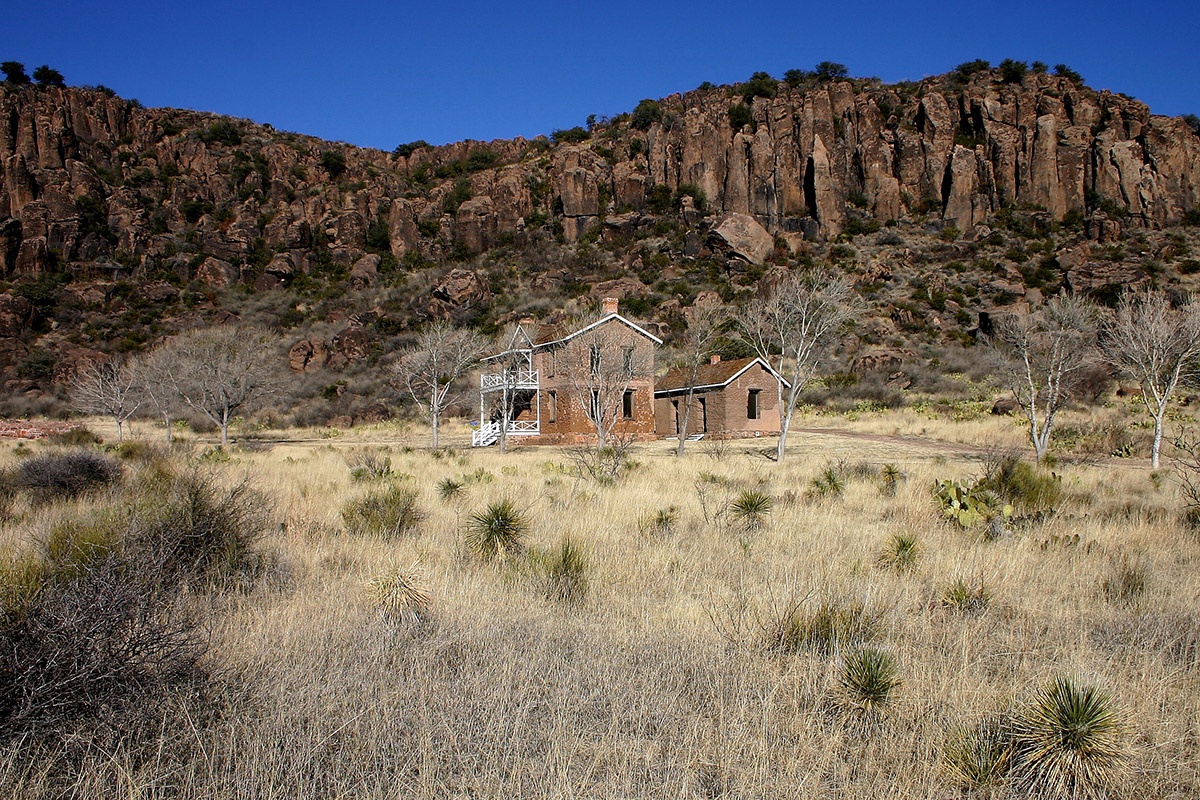
In conclusion, while Texas is not exclusively a desert, significant portions of its western and northwestern territories, particularly the Trans-Pecos and High Plains regions, are undeniably arid or semi-arid and can be classified as desert or desert-like environments. The state’s immense size and geographical diversity mean that it encompasses a broad spectrum of climates and landscapes, from the humid subtropical forests of the east to the rugged mountain deserts of the west. When planning a visit or discussing Texas’s environment, it’s essential to consider the specific region. If your destination is El Paso or the Davis Mountains, then yes, you are heading into a desert landscape. If your plans involve Houston or the Piney Woods, the desert will be a distant thought. Texas is a state of contrasts, a true tapestry woven with diverse climatic threads, where the arid beauty of the desert coexists with verdant forests and rolling plains.
LifeOutOfTheBox is a participant in the Amazon Services LLC Associates Program, an affiliate advertising program designed to provide a means for sites to earn advertising fees by advertising and linking to Amazon.com. Amazon, the Amazon logo, AmazonSupply, and the AmazonSupply logo are trademarks of Amazon.com, Inc. or its affiliates. As an Amazon Associate we earn affiliate commissions from qualifying purchases.