
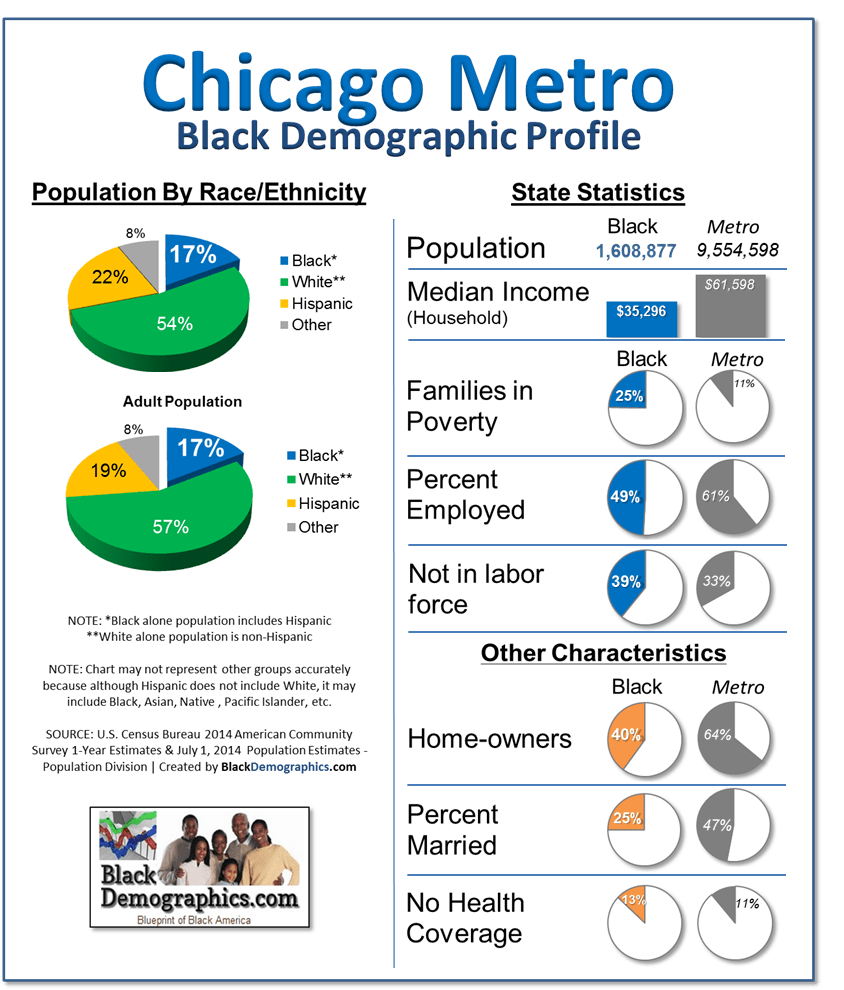
Understanding the demographic composition of any major city offers a richer, more nuanced perspective for visitors, moving beyond mere landmarks to grasp the cultural heartbeat of a destination. For Chicago, one of America’s most iconic metropolises, its Black population has played an indelible role in shaping its history, culture, and identity. According to recent demographic data, including the 2020 U.S. Census, the Black population constitutes approximately 28.7% of the city of Chicago‘s total residents. This significant percentage reflects a deep historical narrative and a vibrant contemporary influence that permeates every aspect of the city, offering a unique lens through which tourists can experience its diverse offerings.
Understanding Chicago’s Demographic Tapestry for Tourists
Chicago is often celebrated as a quintessential American melting pot, a city built on the successive waves of immigration and internal migration that have brought myriad cultures to its shores and streets. For a tourist, delving into these demographics is not an academic exercise but a practical way to unlock deeper cultural experiences. Knowing that nearly 30% of Chicago’s population is Black illuminates the origins of its famous blues and jazz scenes, the flavors of its distinct culinary traditions, and the historical significance of its neighborhoods.
This understanding allows visitors to move beyond the well-trodden paths of downtown attractions and discover the rich cultural enclaves that define the city’s soul. It informs choices about where to eat, what museums to visit, and which festivals to attend, transforming a superficial trip into an immersive journey through Chicago’s complex and compelling identity. The Black community’s contributions are not merely a segment of Chicago’s culture; they are foundational to its global reputation as a hub of innovation, resilience, and artistic expression.
A Journey Through History: The Great Migration and Black Chicago’s Influence
The story of Chicago’s Black population is inextricably linked to one of the most significant demographic shifts in American history: the Great Migration. Beginning in the early 20th century, millions of African Americans moved from the rural South to urban centers in the North, West, and Midwest, seeking economic opportunities and an escape from racial oppression. Chicago became a primary destination, attracting hundreds of thousands who fundamentally reshaped the city’s social, economic, and cultural landscape.
The South Side and Bronzeville’s Enduring Legacy
The influx of Black migrants led to the development of vibrant, self-sustaining communities, most notably on Chicago’s South Side. Within this area, Bronzeville emerged as the “Black Metropolis,” a thriving hub of Black entrepreneurship, arts, and intellectual life. During its heyday, Bronzeville boasted a bustling economy, significant literary figures like Richard Wright and Gwendolyn Brooks, and a world-renowned music scene that birthed and nurtured gospel, jazz, and the Chicago blues.
Today, Bronzeville continues to be a crucial historical and cultural destination for tourists. Visitors can explore the Bronzeville Walk of Fame, admire historic architecture, and visit significant institutions such as the DuSable Black History Museum and Education Center, the nation’s first independent museum dedicated to the preservation and exhibition of African American culture and history. These sites offer powerful insights into the struggles, triumphs, and profound contributions of Black Chicagoans.
Experiencing Black Culture in Modern Chicago
The historical foundations laid by generations of Black residents continue to manifest in Chicago’s contemporary cultural scene, offering tourists a rich tapestry of experiences that celebrate this enduring legacy.
Culinary Delights: Tastes of Black Chicago
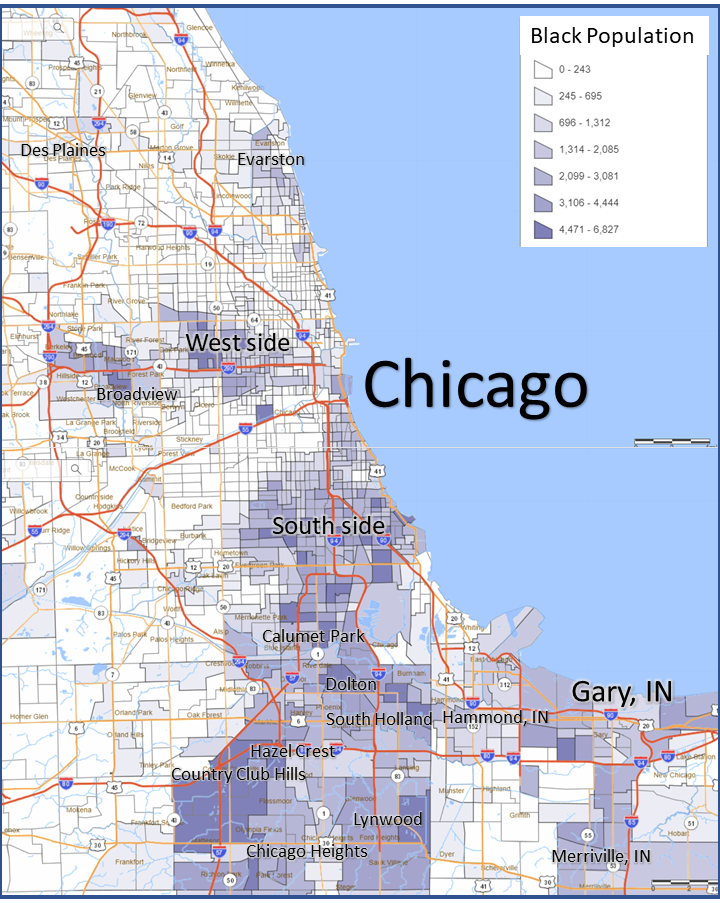
No visit to Chicago is complete without savoring its diverse culinary landscape, and the contributions of Black chefs and restaurateurs are central to this experience. From classic soul food joints serving fried chicken, collard greens, and macaroni and cheese to innovative contemporary restaurants, the flavors tell a story of tradition, adaptation, and culinary excellence. Neighborhoods across the South Side and West Side are home to beloved eateries that have become local institutions. Exploring these establishments offers not just a meal, but a taste of community and heritage.
Arts, Music, and Festivals
Chicago’s reputation as a global music city is inseparable from its Black musical heritage. The blues and jazz clubs, many of which are still thriving, offer an authentic glimpse into the city’s soul. Venues like Kingston Mines and Buddy Guy’s Legends host live performances nightly, keeping the tradition alive. Gospel music, another profoundly impactful Black art form, can be experienced in various churches across the city, particularly on Sundays, offering a powerful spiritual and musical experience.
Beyond music, the visual and performing arts thrive. Galleries in neighborhoods like Hyde Park and Bronzeville showcase the work of Black artists. The city also hosts numerous festivals that celebrate Black culture, such as the Bud Billiken Parade (the largest African American parade in the U.S.), the Chicago Blues Festival, and the African Festival of the Arts, offering vibrant communal experiences for visitors.
Shopping and Local Businesses
Supporting local Black-owned businesses is another way tourists can engage with Chicago’s Black culture. From unique boutiques and bookstores to art shops and specialty stores, these enterprises contribute to the economic vitality and distinct character of their neighborhoods. Exploring these shops provides an opportunity to find unique souvenirs, discover local talent, and directly contribute to the communities that give Chicago its depth.
Navigating Chicago’s Diverse Neighborhoods
To truly appreciate the richness of Chicago’s Black population and its contributions, tourists are encouraged to venture beyond the downtown loop and explore its diverse neighborhoods.
Key Neighborhoods for Cultural Exploration
- Bronzeville: As mentioned, this historic area is a must-visit for its historical significance, museums, and cultural sites.
- Hyde Park: Home to the University of Chicago and a historically significant, diverse community, Hyde Park offers a mix of intellectual vigor, beautiful architecture, and cultural institutions, including the Reva and David Logan Center for the Arts. Its proximity to the Museum of Science and Industry makes it easily accessible.
- South Shore: Located along Lake Michigan, South Shore is known for its beautiful architecture, vibrant community life, and cultural assets, including the South Shore Cultural Center.
- Pilsen and Little Village: While predominantly Latinx, these neighborhoods also demonstrate Chicago’s broader narrative of diverse communities flourishing side-by-side, influencing each other and contributing to the city’s overall cultural mosaic.
When exploring these areas, respectful engagement is key. Participate in walking tours led by local historians, patronize local businesses, and seek out community events to gain an authentic and immersive experience. Many organizations offer tours specifically focused on Chicago’s Black history and culture, providing expert insights and narratives.
The Broader Impact on Chicago’s Identity and Tourism
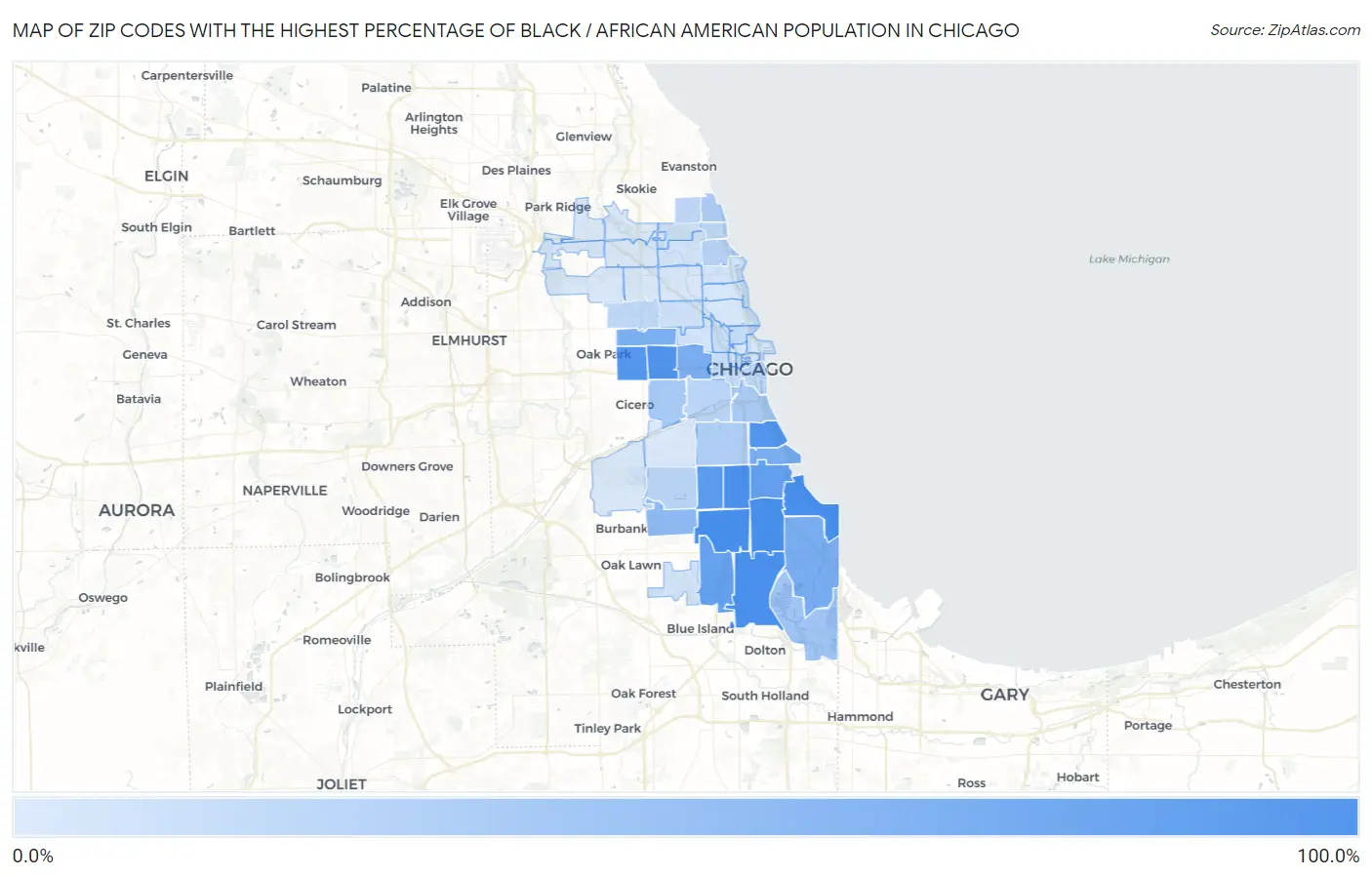
The significant percentage of Black residents in Chicago is more than just a demographic statistic; it is a living, breathing component of the city’s global identity. The profound historical journey from the Great Migration to the present day has infused Chicago with a unique resilience, creativity, and cultural depth. For tourists, this translates into an unparalleled opportunity to explore a city that is genuinely diverse, historically rich, and culturally vibrant.
Understanding the Black percentage of Chicago is not just about appreciating a part of its population, but recognizing how this segment has fundamentally shaped the entire urban experience. From the rhythms of its music to the flavors of its food, from its architectural heritage to its contemporary art scene, the influence is pervasive. By engaging with this aspect of Chicago, visitors gain a deeper appreciation for the city’s complex narrative and its ongoing evolution as a truly global cultural capital. This holistic approach to tourism enriches the travel experience, leaving visitors with a more profound connection to the spirit of Chicago.
LifeOutOfTheBox is a participant in the Amazon Services LLC Associates Program, an affiliate advertising program designed to provide a means for sites to earn advertising fees by advertising and linking to Amazon.com. Amazon, the Amazon logo, AmazonSupply, and the AmazonSupply logo are trademarks of Amazon.com, Inc. or its affiliates. As an Amazon Associate we earn affiliate commissions from qualifying purchases.