
Receiving a traffic citation can be an unwelcome surprise, particularly when you’re exploring the scenic beauty and vibrant cities of California. For travelers, whether from another state or an international destination, understanding the intricacies of a California traffic ticket is paramount to ensure a smooth trip and avoid future complications. At the heart of managing any citation is locating the “citation number” – your unique identifier for the specific infraction. This guide will walk you through precisely where to find this crucial piece of information and what steps to take next, ensuring your California adventure remains memorable for all the right reasons.
Navigating Traffic Citations While Traveling in California
The Golden State offers unparalleled experiences, from the bustling streets of Los Angeles and the iconic landmarks of San Francisco to the serene landscapes of Yosemite National Park and the sun-drenched beaches of San Diego. However, with millions of visitors annually, the roads can be busy, and traffic laws are strictly enforced. A minor oversight, such as an expired parking meter, a slightly over-the-limit speed, or a forgotten stop sign, can quickly lead to a traffic ticket. While inconvenient, receiving a citation doesn’t have to derail your travel plans, provided you know how to properly address it.
The Unwelcome Souvenir: Understanding Your California Ticket
A California traffic ticket, officially known as a “Notice to Appear,” is more than just a piece of paper; it’s a legal document requiring your attention. It details the alleged violation, the officer’s information, the court location, and most importantly, the deadline for your response. Ignoring a ticket, especially as an out-of-state or international visitor, can lead to escalated fines, a warrant for arrest, or even issues with renewing your driver’s license in your home state or country. Understanding the components of this document is the first step towards resolving the issue efficiently and minimizing its impact on your travels.
Why the Citation Number is Your Key
The citation number serves as the primary reference point for your traffic ticket. It is the unique identifier that connects your specific violation to the appropriate court system. Whether you plan to pay the fine, request a traffic school option, contest the ticket in court, or simply inquire about the details of your case, this number will be requested by court clerks, online portals, and automated phone systems. Without it, finding your case file becomes significantly more difficult, potentially delaying resolution and incurring further penalties. Think of it as your case’s social security number within the Californian judicial system.
Decoding Your California Traffic Ticket
California traffic tickets are designed to be relatively standardized, though minor variations can exist between different law enforcement agencies (e.g., California Highway Patrol, city police departments, county sheriffs). Familiarizing yourself with the common layout will help you quickly locate the information you need.
Anatomy of a California Citation
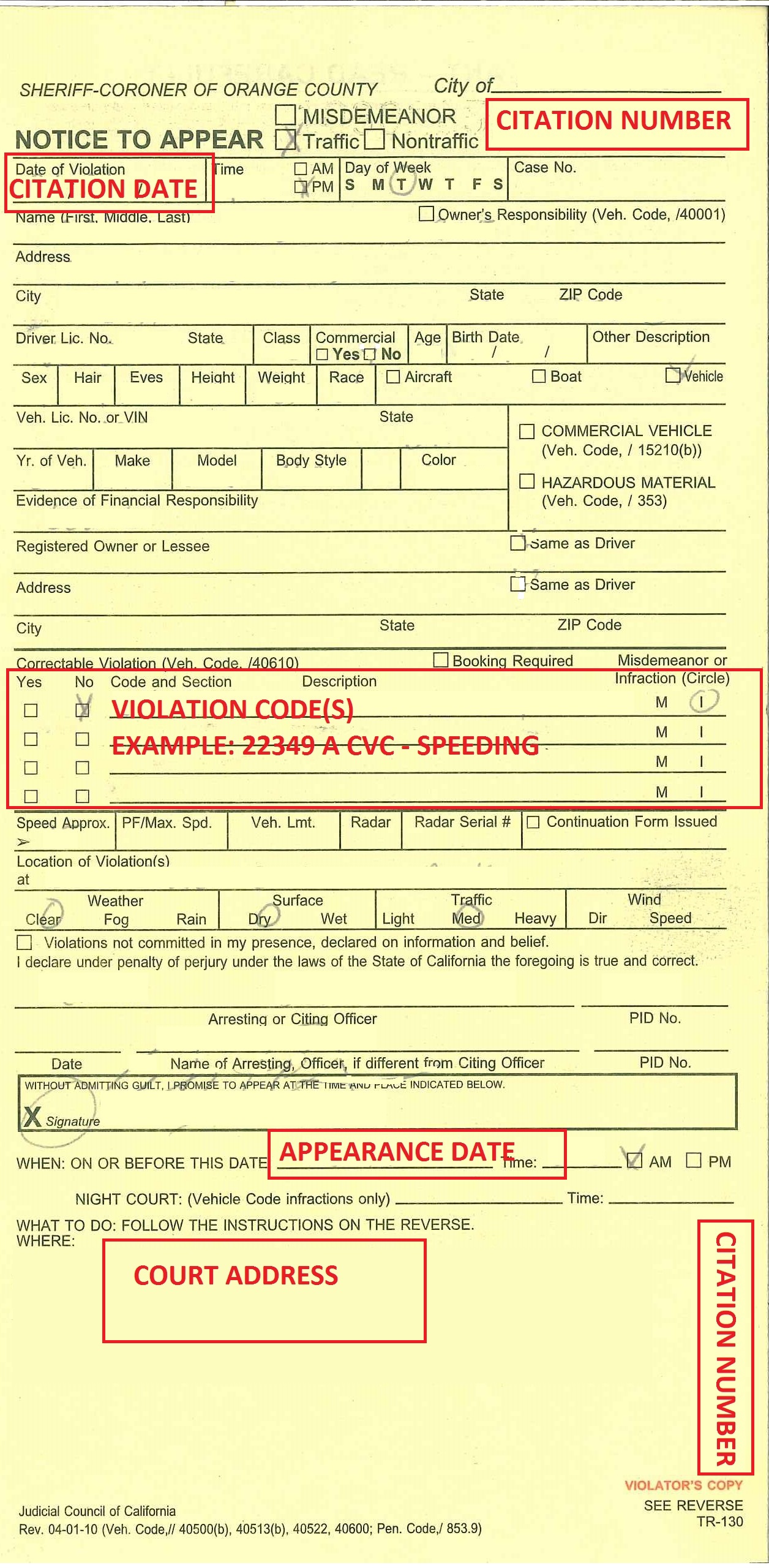
Upon receiving a ticket, you’ll typically find several key sections:
- Issuing Agency and Officer Information: Details about the police department or highway patrol and the officer who issued the ticket.
- Your Personal Information: Your name, address, driver’s license number, and vehicle information.
- Violation Details: The specific California Vehicle Code section you allegedly violated, a description of the offense, and the date, time, and location of the incident.
- Court Information: The name and address of the court where your case will be heard, along with contact details.
- Appearance Date/Due Date: The deadline by which you must respond to the ticket, whether by paying, appearing in court, or initiating a plea.
- Bail Amount: The initial fine amount associated with the violation.
Pinpointing the Citation Number
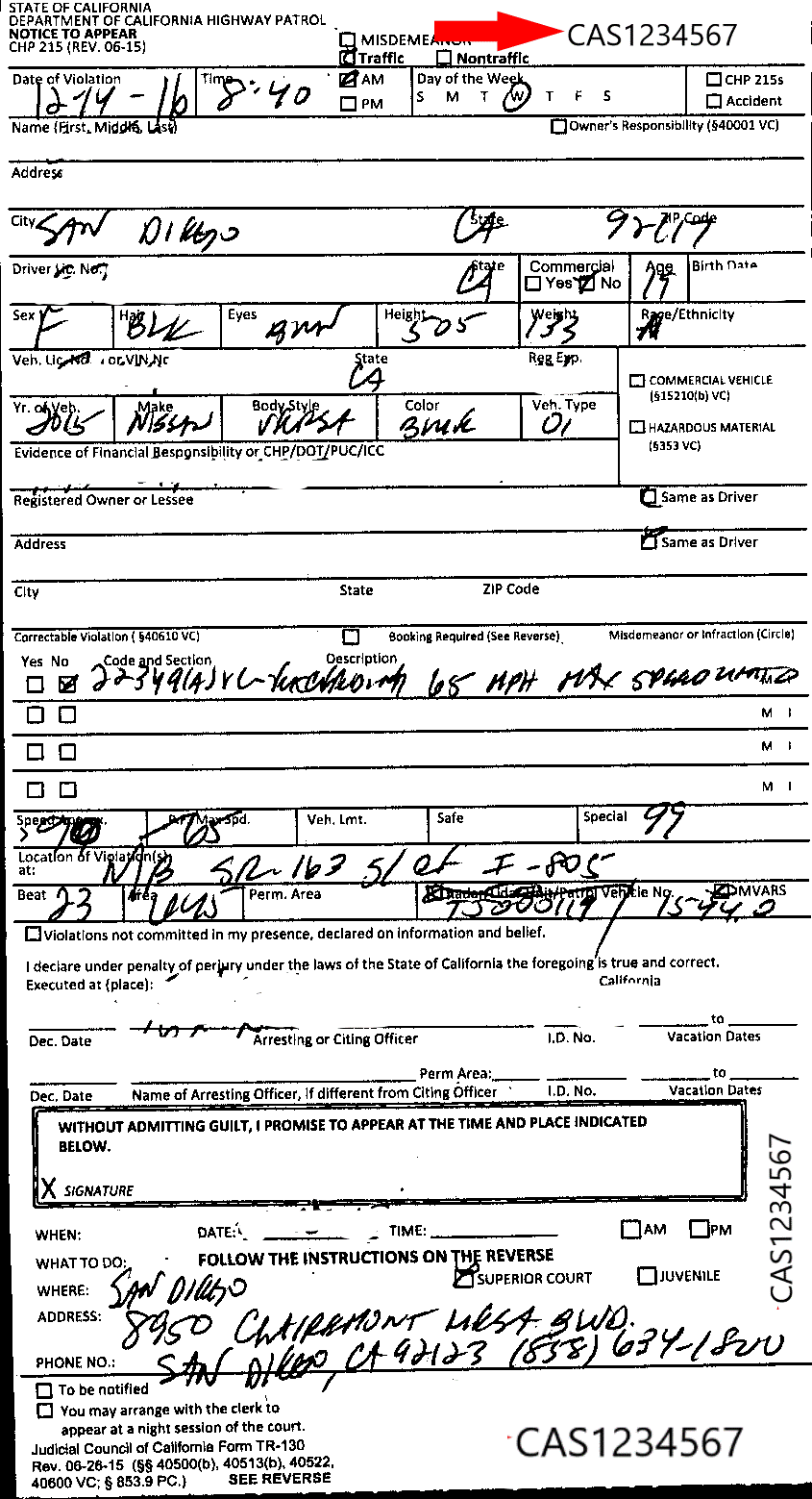
The citation number is perhaps the most critical piece of information on your ticket. While its exact placement can vary slightly depending on the issuing agency, it is almost always prominently displayed.
Look for it in these common locations:
- Top Right Corner: Many tickets feature the citation number (sometimes labeled “Citation No.,” “Case No.,” or “Ticket No.”) in the upper right-hand corner of the document. This is often the most common spot.
- Bottom Left or Right Corner: Some agencies place it near the bottom, usually in a distinct box or section.
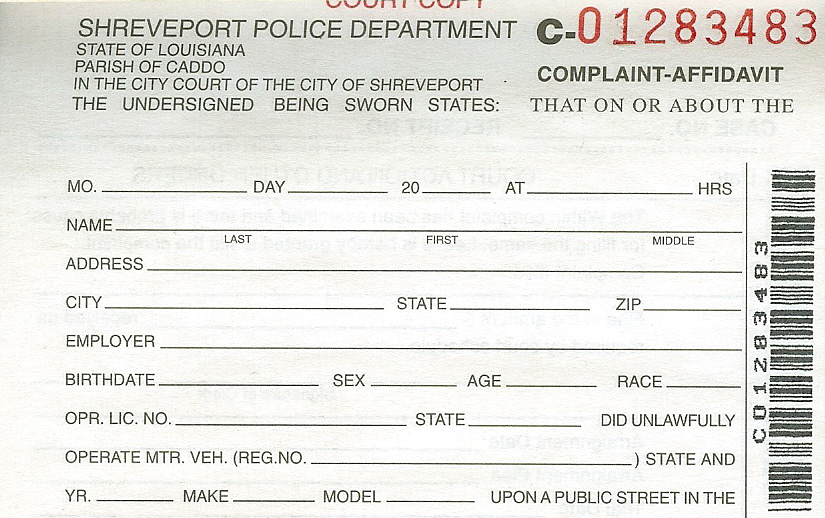
- Near the Barcode: If your ticket includes a barcode, the citation number is often printed directly above or below it.
- In a Designated Box: There might be a specific field labeled “Citation Number” or “Ticket Number” somewhere on the ticket, usually towards the top or middle.
The citation number is typically an alphanumeric sequence, often starting with one or two letters followed by a series of numbers (e.g., “A1234567” or “HPN-8765432”). It’s crucial to accurately transcribe this number when entering it into online systems or communicating with court personnel. Double-check the number to avoid errors that could lead to delays or applying payments to the wrong case.
Common Ticket Types for Travelers
While exploring California, travelers might encounter various types of citations. Common ones include:
- Speeding Tickets: Often issued on highways like the Pacific Coast Highway or freeways across major cities.
- Parking Violations: Especially prevalent in congested areas of San Francisco or Los Angeles where parking rules can be complex and strictly enforced.
- Red Light Camera Tickets: Often mailed to the registered owner of the vehicle, these photos capture violations at intersections.
- Failure to Stop: At stop signs or red lights, particularly in less familiar areas.
- HOV Lane Violations: Incorrect usage of High Occupancy Vehicle lanes.
Each type of ticket will have a citation number, and the process for addressing them remains largely similar.
Immediate Steps After Receiving a Ticket
Receiving a ticket can be unsettling, especially when you’re far from home. However, taking the right steps immediately can significantly ease the process.
Don’t Panic: Acknowledge and Understand
First and foremost, remain calm. While it’s natural to feel frustrated, getting angry or arguing with the issuing officer is rarely productive and can sometimes escalate the situation. Instead, accept the ticket politely, review it carefully, and make sure you understand the basics: the alleged violation, the due date, and where your case will be handled. If you have questions about where to find information on the ticket itself, politely ask the officer, but avoid debating the merits of the ticket at that moment.
Utilizing Your Citation Number for Information
Once you have your citation number, you can begin gathering more specific information about your case. Most California courts offer online portals where you can look up your citation using this number. These portals typically provide:
- Your court date (if applicable).
- The total bail amount, including any additional fees.
- Options for traffic school eligibility.
- Instructions on how to pay or contest the ticket.
Accessing this information promptly is crucial, especially for travelers who may not be in California for an extended period and need to make arrangements quickly. Many counties, including those covering major cities like Sacramento, Los Angeles, and San Diego, have user-friendly websites for this purpose.
Options for Addressing Your Citation
With the citation number in hand, you generally have a few options:
- Pay the Fine: This is the most straightforward option, especially for minor infractions or if you are unable to return to California to contest the ticket. Payment can often be made online, by mail, or in person at the court.
- Attend Traffic School: For eligible offenses, completing traffic school can prevent the point from appearing on your driving record. This is a popular choice for travelers concerned about their insurance premiums or driving record in their home state. There are many state-approved online traffic schools that can be completed remotely.
- Contest the Ticket: If you believe you were wrongly cited or have mitigating circumstances, you can plead not guilty and request a court trial. For out-of-state or international travelers, this option can be logistically challenging as it typically requires an in-person appearance in the California court where the ticket was issued. In some cases, legal representation might be necessary, which can be an additional expense.
It is imperative to address the ticket by the due date printed on the citation. Failure to do so can result in late fees, a “failure to appear” charge, suspension of driving privileges (even out-of-state), and potentially a warrant for your arrest.
Potential Consequences for Out-of-State and International Travelers
The implications of a California traffic ticket extend beyond the state’s borders, particularly due to interstate compacts and international agreements.
Impact on Driving Records and Insurance
Most U.S. states are part of the Driver License Compact or the Nonresident Violator Compact. These agreements mean that a traffic violation in California will likely be reported to your home state’s Department of Motor Vehicles (DMV). This could result in points being added to your driving record, potentially leading to increased insurance premiums. For international travelers, while direct point transfers are less common, the offense could still appear on driving records, and ignoring a serious citation could impact future travel to the U.S. or lead to complications if apprehended again within the U.S.
Addressing Citations from Abroad
International travelers often face unique challenges. If you received a ticket while driving a rental car, the rental company will typically receive notifications from the court and may charge your credit card for the fine plus an administrative fee. It’s crucial to proactively manage the citation using your citation number to avoid these extra charges and ensure proper resolution. Many California courts provide clear instructions for non-residents and foreign nationals on their websites, often facilitating online payments or remote inquiries.
Prevention and Best Practices for California Road Trips
The best way to deal with a traffic ticket is to avoid getting one in the first place. Travelers can significantly reduce their risk by being mindful of California’s specific traffic laws and practices.
Understanding California’s Traffic Laws
Before embarking on your road trip, familiarize yourself with key California driving regulations. These include speed limits, which can vary greatly, strict hands-free cell phone laws, and specific rules for lanes (like carpool lanes). Pay attention to signage, especially around construction zones or school areas. Utilizing navigation apps that warn of speed traps or traffic cameras can also be helpful. Observing the traffic flow and following the example of local drivers (within legal limits) can also provide cues.
Renting Cars and Ticket Liability
When renting a car in California, understand your liability regarding traffic tickets. As the driver, you are responsible for any moving violations. For parking tickets or red-light camera tickets that are mailed to the vehicle’s registered owner, the rental company will forward the ticket to you and often charge an administrative fee on top of the fine. Always check the rental agreement for clauses related to traffic violations and associated charges. Keep all rental documentation handy, as it may be needed if you need to provide proof of who was driving at the time of an infraction.
By understanding where to find your citation number and what steps to take, you can efficiently navigate any unexpected traffic citations, ensuring that your travel memories of California remain overwhelmingly positive and hassle-free.
LifeOutOfTheBox is a participant in the Amazon Services LLC Associates Program, an affiliate advertising program designed to provide a means for sites to earn advertising fees by advertising and linking to Amazon.com. Amazon, the Amazon logo, AmazonSupply, and the AmazonSupply logo are trademarks of Amazon.com, Inc. or its affiliates. As an Amazon Associate we earn affiliate commissions from qualifying purchases.