
For anyone planning a trip, connecting with loved ones, or conducting business in the 49th state, knowing the current time in Anchorage, Alaska, is paramount. While a quick search might provide an instant answer, understanding the unique time zone, its implications for travel, and how it shapes daily life and tourism in Alaska’s largest city offers a richer perspective. Anchorage operates on Alaska Standard Time (AST) for roughly half the year and Alaska Daylight Time (ADT) during the warmer months, creating distinct experiences for visitors and residents alike. This guide delves into the specifics of Anchorage’s time zone, its impact on everything from flight schedules to prime sightseeing hours, and what it means for your Alaskan adventure.

Understanding Alaska’s Unique Time Zone
Alaska maintains a time zone distinct from the contiguous United States, a factor often overlooked by first-time visitors. This unique positioning greatly influences planning for both leisure and business stays, from coordinating calls to catching optimal daylight for outdoor activities.
Alaska Standard Time (AST) and Alaska Daylight Time (ADT)
Anchorage, along with most of Alaska, observes the Alaska Time Zone. This means:
- Alaska Standard Time (AST): During the winter months, from early November to mid-March, Anchorage is 9 hours behind Coordinated Universal Time (UTC-9). This makes it four hours behind Eastern Standard Time (EST), three hours behind Central Standard Time (CST), two hours behind Mountain Standard Time (MST), and one hour behind Pacific Standard Time (PST).
- Alaska Daylight Time (ADT): From mid-March to early November, Anchorage switches to Daylight Saving Time, moving one hour forward to UTC-8. During this period, the time difference to the eastern United States remains the same at four hours (e.g., when it’s 1 PM in Anchorage, it’s 5 PM in New York). The key change is the shift in daylight hours, extending the evenings significantly.

The concept of “now” in Anchorage is thus dynamic, fluctuating with the seasons. Travelers accustomed to more consistent time zones might find this a significant adjustment, particularly when considering flight arrival times or coordinating virtual meetings across vast distances.
Time Zone Conversions: Planning Your Trip to Anchorage
Successfully navigating the time difference is crucial for a smooth journey. Here’s a quick reference for common time zone comparisons:
- If it’s 12:00 PM (noon) in Anchorage (ADT):
- It’s 1:00 PM in Los Angeles (PDT)
- It’s 2:00 PM in Denver (MDT)
- It’s 3:00 PM in Chicago (CDT)
- It’s 4:00 PM in New York City (EDT)
- If it’s 12:00 PM (noon) in Anchorage (AST):
- It’s 1:00 PM in Los Angeles (PST)
- It’s 2:00 PM in Denver (MST)
- It’s 3:00 PM in Chicago (CST)
- It’s 4:00 PM in New York City (EST)
These shifts are particularly relevant for international travelers from places like London or Tokyo, where the time difference can be substantial, leading to more pronounced jet lag. Ensuring all your bookings, from flight arrivals to tour departures and restaurant reservations, are confirmed in Anchorage local time will prevent any missed connections or inconveniences. Setting your watch and devices to Anchorage time upon arrival is one of the first and most practical tips for any visitor.
Anchorage: A Hub for Alaskan Adventures
Beyond simply knowing the time, understanding what makes Anchorage tick is essential for any visitor. As Alaska’s largest city, it serves as a primary gateway to the state’s wild beauty, vibrant local culture, and a diverse range of experiences. The local time dictates the rhythm of these adventures, from early morning wildlife tours to late-night summer hikes under the midnight sun.
Top Attractions and Experiences
Anchorage itself is a treasure trove of attractions and is strategically located for day trips to iconic landmarks.
- Anchorage Museum: This cultural institution offers a deep dive into Alaska’s art, history, and science. Timed entries are common, making it important to adhere to Anchorage time.
- Alaska Native Heritage Center: Discover the rich traditions and history of Alaska’s eleven major Native culture groups. Performances and demonstrations are scheduled throughout the day.
- Tony Knowles Coastal Trail: A stunning 11-mile paved trail offering breathtaking views of Cook Inlet, the Chugach Mountains, and often wildlife. Ideal for biking, walking, or running, its accessibility means you can enjoy it from early morning until late evening during summer’s extended daylight.
- Chugach State Park: Just a short drive from downtown, this massive park provides endless opportunities for hiking, wildlife viewing, and mountaineering. Popular trails like the one to Flattop Mountain are best tackled during daylight hours, which can stretch incredibly long in summer.
- Alaska Wildlife Conservation Center: Located about an hour south of Anchorage, this center rehabilitates injured and orphaned animals, offering visitors the chance to see moose, bears, caribou, and musk oxen up close. Opening hours naturally align with daylight.
- Day Trips to Portage Glacier or Girdwood: These nearby destinations offer stunning glacier views, scenic train rides, and skiing in winter. Coordinating departure and return times with local clocks is critical for maximizing your day.
Seasonal Travel and the Impact of Daylight Hours
The dramatic shift in daylight hours throughout the year in Anchorage profoundly impacts the travel experience.
- Summer (May-August): This is prime tourism season, characterized by the famous “midnight sun.” With up to 19-20 hours of daylight in June and July, visitors have an abundance of time for outdoor activities like hiking, fishing, and flightseeing. The extended daylight means that even late-evening excursions feel like midday, requiring travelers to be mindful of their internal clocks for proper rest.
- Winter (November-February): In stark contrast, winter brings very short days, with as little as 5-6 hours of daylight around the winter solstice. This period transforms Anchorage into a winter wonderland, perfect for activities like cross-country skiing at Kincaid Park, ice skating, and, most famously, chasing the Northern Lights. The best time for viewing the aurora is typically between 10 PM and 2 AM, requiring visitors to be out late into what feels like morning hours elsewhere. Knowledge of local time is crucial for tour schedules designed around these conditions.
Accommodation and Hospitality in Anchorage
When visiting Anchorage, finding the right accommodation is key to a comfortable and convenient stay. From luxury hotels to more budget-friendly options, the city offers a range of choices catering to every type of traveler. Your arrival time, naturally dictated by Anchorage’s current time, will be crucial for check-in procedures.
Choosing Your Stay: From Luxury Resorts to Cozy Stays
Anchorage boasts a variety of hotels and resorts, each offering distinct advantages.
- Hotel Captain Cook: A landmark in downtown Anchorage, this luxury hotel offers elegant rooms, fine dining, and excellent views of Cook Inlet and the Chugach Mountains. It’s a prime choice for those seeking premium amenities and central access to city attractions.
- Marriott Anchorage Downtown: Another excellent downtown option, offering modern rooms, business facilities, and proximity to the Anchorage Museum and Alaska Center for the Performing Arts.
- Hilton Anchorage: Known for its spacious rooms and convenient location, the Hilton Anchorage provides a comfortable base for exploring the city.
- The Lakefront Anchorage: Offering a unique setting on Lake Hood, the world’s busiest seaplane base, this hotel provides a distinctly Alaskan experience. It’s an excellent choice for those interested in flightseeing or wanting to experience the bustling air traffic of the north.
- Hyatt House Anchorage: For longer stays or family trips, Hyatt House Anchorage offers apartment-style suites with full kitchens, blending the comforts of home with hotel amenities.
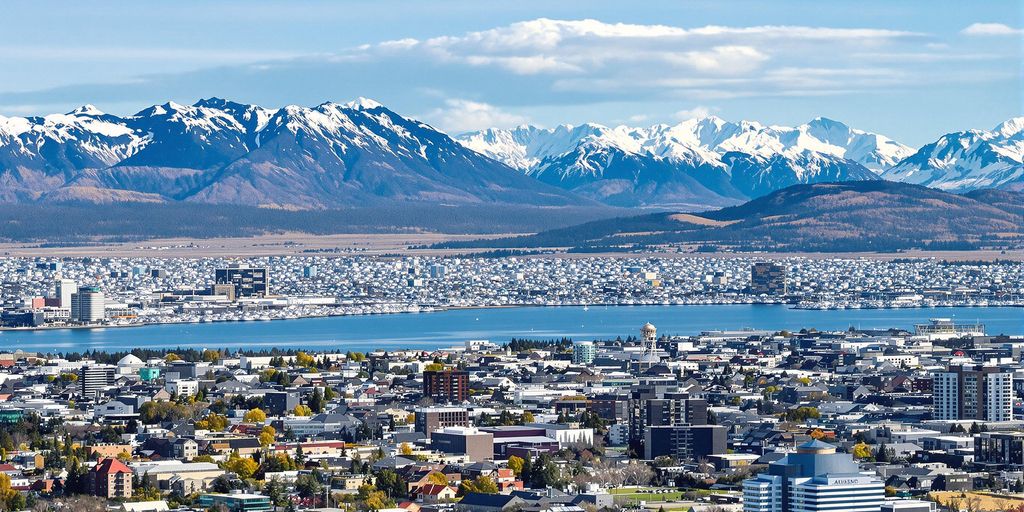
Booking in advance, especially during the peak summer season, is always recommended. When confirming reservations, ensure that all check-in and check-out times are understood in Anchorage local time to avoid any misunderstandings. Many hotels offer early check-in or late check-out options, which can be particularly useful for managing jet lag or aligning with flight schedules. This flexibility, often an amenity, contributes to the overall positive hospitality experience.
Embracing the Alaskan Lifestyle: Beyond the Clock
Life in Anchorage is intrinsically tied to its northern latitude and the resulting extremes of daylight and darkness. The unique time zone is more than just a number on a clock; it’s a fundamental aspect of the Alaskan lifestyle, influencing everything from mealtimes to social engagements and outdoor pursuits. Understanding this rhythm is key to truly immersing oneself in the city’s character.
Dining, Local Culture, and Nightlife (or Lack Thereof in Summer)
The local time dictates the pace of everyday life and cultural experiences in Anchorage:
- Dining: Restaurants typically adhere to standard meal times, but in summer, the seemingly endless daylight can make a late dinner reservation feel like an early evening meal. Many establishments capitalize on the summer rush, offering extended hours to cater to tourists enjoying the long days. In winter, with fewer daylight hours, dining might feel more compressed, becoming a cozy refuge from the cold and dark. Local delicacies, from fresh Alaskan seafood to reindeer sausage, are available year-round, best enjoyed when your body clock feels ready.
- Local Culture: Cultural events, festivals, and performances at the Alaska Center for the Performing Arts are scheduled according to local Anchorage time. During summer, outdoor markets and street performances thrive late into the evening. In winter, indoor events and holiday celebrations become focal points, providing warmth and community during the longer nights.
- Nightlife: This is where the time zone truly plays a trick on perception. In summer, the “nightlife” often extends into the early hours of what would elsewhere be morning, simply because the sun is still high in the sky. Bars and breweries are open, but the traditional concept of “night” for revelry is blurred. This unique phenomenon can lead to over-scheduling or underestimating the need for sleep, especially for those unaccustomed to the perpetual daylight. Blackout curtains in your accommodation become a cherished amenity. Conversely, winter nights are long and dark, making traditional evening entertainment feel more aligned with typical global expectations. Many residents and visitors embrace the darkness for stargazing or, as mentioned, aurora viewing, transforming the perceived lack of daylight into an advantage.
In conclusion, while a simple “What time is it in Anchorage, Alaska right now?” can be answered instantaneously, the depth of its meaning for a traveler extends far beyond the clock face. It speaks to the seasonal rhythms of the land, the planning required for an unforgettable Alaskan adventure, and the unique character of life at a high latitude. By understanding Anchorage’s time zone and its broader implications, visitors can optimize their itineraries, embrace the distinct natural phenomena, and truly immerse themselves in this remarkable northern city.
LifeOutOfTheBox is a participant in the Amazon Services LLC Associates Program, an affiliate advertising program designed to provide a means for sites to earn advertising fees by advertising and linking to Amazon.com. Amazon, the Amazon logo, AmazonSupply, and the AmazonSupply logo are trademarks of Amazon.com, Inc. or its affiliates. As an Amazon Associate we earn affiliate commissions from qualifying purchases.