
The question of whether Puerto Rico pays taxes to the United States is a complex one, deeply intertwined with the island’s unique political status as a U.S. territory. For travelers, prospective residents, and those curious about the financial landscape of this vibrant Caribbean destination, understanding the intricacies of its tax system is key to appreciating its appeal, not just as a stunning place to visit, but as a compelling lifestyle and investment hub. While the immediate answer might seem straightforward, the reality is nuanced, offering distinct advantages and considerations that shape the island’s economy, tourism, and real estate markets.
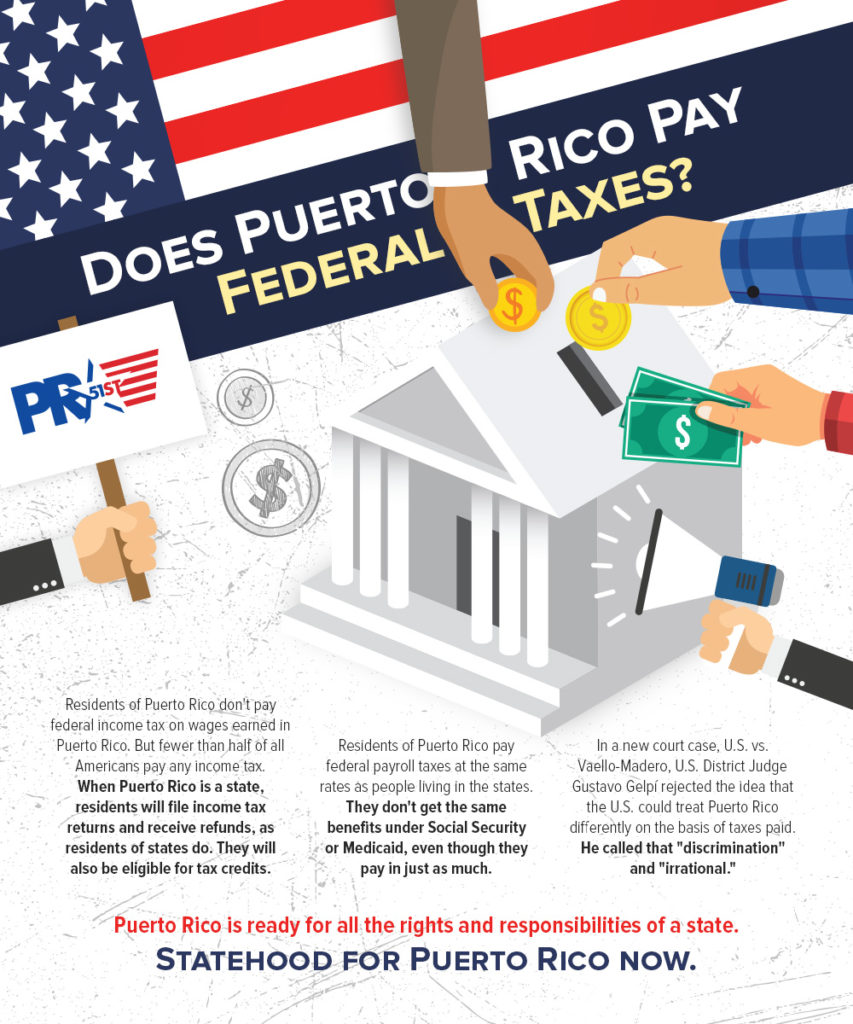
At its core, Puerto Rico operates under a separate tax system from the federal government of the United States. This means that most residents of the island do not pay federal income tax on income earned within Puerto Rico. However, this doesn’t mean they are entirely exempt from U.S. federal taxation, nor does it mean they pay no taxes at all. The specifics depend heavily on residency status, income source, and engagement with specific local tax incentive laws designed to stimulate economic growth. This unique arrangement makes Puerto Rico a fascinating case study and an attractive proposition for those seeking a blend of tropical lifestyle and potential financial benefits.
Understanding Puerto Rico’s Unique Status
To grasp the tax situation, one must first understand Puerto Rico’s political relationship with the United States. Since 1917, Puerto Ricans have been U.S. citizens, but the island itself is an unincorporated territory, operating as a commonwealth. This status grants it a significant degree of self-governance, including the power to enact its own tax laws, which differ significantly from those in the 50 states.
The Commonwealth Relationship
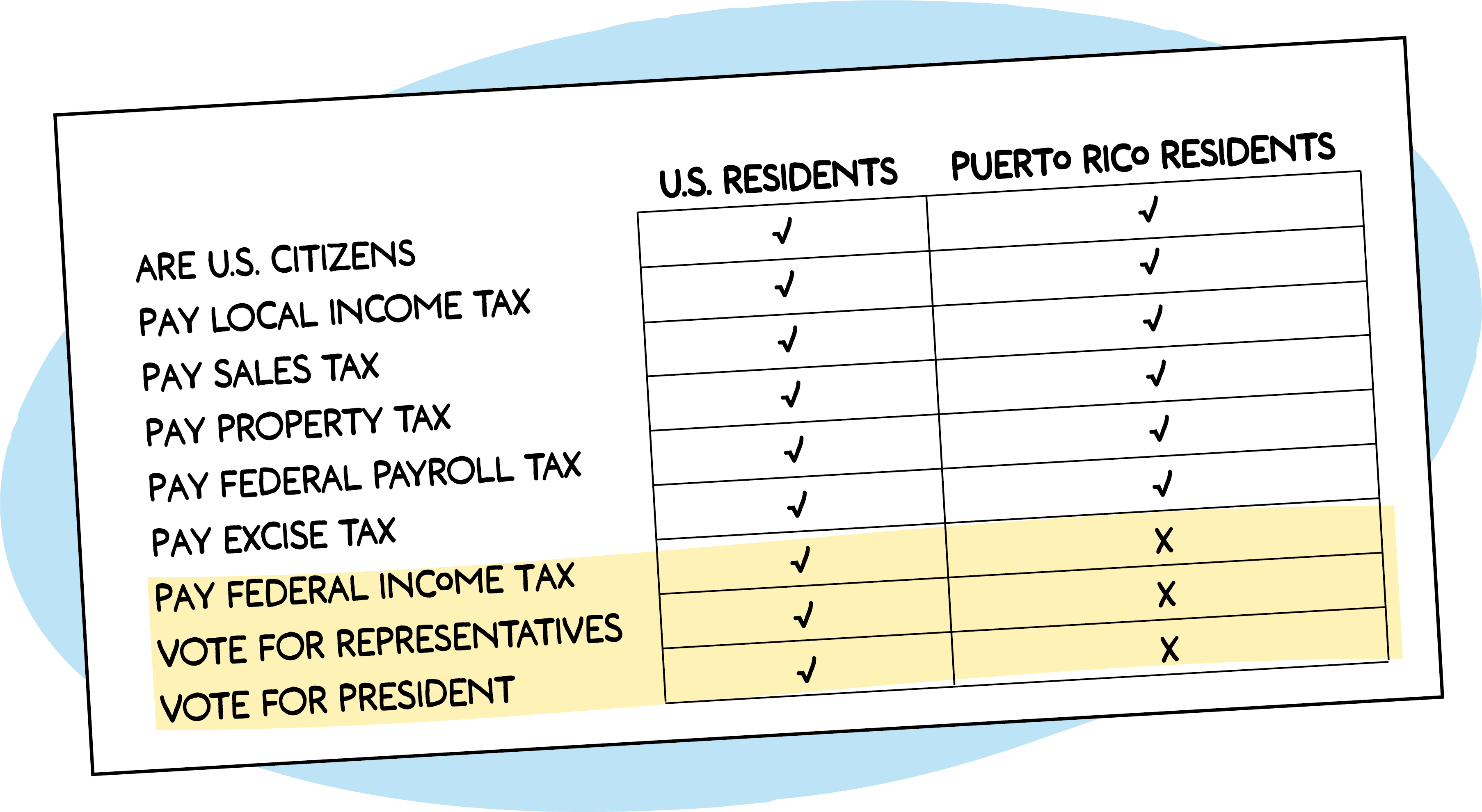
As a commonwealth, Puerto Rico is subject to U.S. federal laws, but with notable exceptions. For instance, residents of Puerto Rico cannot vote in U.S. presidential elections unless they reside in one of the 50 states. Critically, their representation in Congress is limited to a Resident Commissioner who can speak but not vote on legislation. This unique political framework is the bedrock of its distinct tax system. While U.S. citizens living in the states pay federal income tax, most residents of Puerto Rico are generally exempt from this federal income tax on income sourced within the territory. This exception is codified in Section 933 of the U.S. Internal Revenue Code.
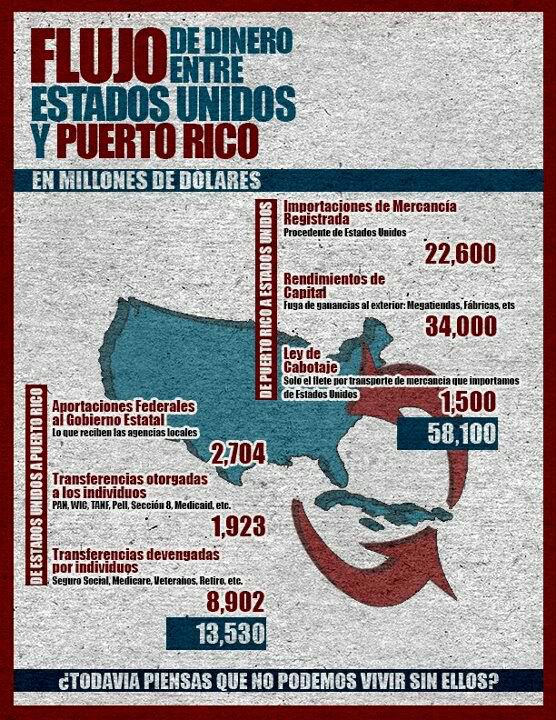
However, this exemption does not apply to all federal taxes. Residents of Puerto Rico are still required to pay other federal taxes, such as Social Security and Medicare taxes. They also contribute to U.S. federal excise taxes, customs duties, and federal unemployment taxes. The funds collected through these channels contribute to federal programs that benefit the island, including disaster relief, infrastructure projects, and various social services. Therefore, while not paying federal income tax in the traditional sense, Puerto Rico and its residents do contribute to the federal system in multiple ways. This dual system creates a fascinating dynamic, offering potential advantages for individuals and businesses considering a move to the island.
Federal vs. Local Taxation
The core distinction lies in federal versus local taxation. While the federal income tax is largely waived for bona fide residents of Puerto Rico, the island has its own comprehensive tax system, including local income taxes, property taxes, sales taxes (IVU), and excise taxes. The local income tax rates can be quite high, comparable to or even exceeding those in some U.S. states, particularly for higher earners. However, it’s the interplay of this local system with federal exemptions, and crucially, with specific incentive laws, that creates the significant financial opportunities often highlighted.
For travelers, understanding this distinction means appreciating the economic backdrop. Tourism to Puerto Rico contributes significantly to the local tax base, funding public services and infrastructure that enhance the visitor experience. When you stay in a luxury suite in San Juan, dine at a vibrant restaurant, or explore historical landmarks like Castillo San Felipe del Morro, your spending directly supports the local economy and its unique tax structure.
The Allure of Tax Incentives: Act 60 and Beyond
The real intrigue for many considering a move to Puerto Rico lies in its aggressive tax incentive programs. These laws, most notably consolidated under Act 60 (which encompasses and amends previous laws like Act 20 and Act 22), are designed to attract high-net-worth individuals, entrepreneurs, and businesses to the island, stimulating economic growth and job creation.
Attracting New Residents: The Individual Investor Act (Act 22/60)
The Individual Investor Act, originally known as Act 22 and now integrated into Act 60, offers an extraordinary incentive: a 0% tax rate on all passive income (e.g., capital gains, interest, dividends) accrued after becoming a bona fide resident of Puerto Rico. This is a game-changer for individuals with substantial investment portfolios, as it allows them to legally shield these earnings from federal and local taxes. To qualify, individuals must meet specific residency requirements, including being present on the island for at least 183 days a year, not having a tax home outside of Puerto Rico, and not having closer connections to the United States or any foreign country.
This particular provision has drawn considerable attention from cryptocurrency investors, tech entrepreneurs, and retired executives, all seeking to optimize their financial outlook while enjoying a tropical lifestyle. The opportunity to live in a beautiful, culturally rich environment like Puerto Rico while significantly reducing their tax burden is a powerful draw. Many who pursue this path find themselves establishing roots in vibrant areas like Dorado, home to luxury resorts such as the Dorado Beach, a Ritz-Carlton Reserve, or in the upscale neighborhoods of San Juan like Condado.
Boosting Business: The Export Services Act (Act 20/60)
Complementing the individual investor act is the Export Services Act, formerly Act 20 and also incorporated into Act 60. This law offers a highly competitive corporate tax rate of just 4% for businesses that export services from Puerto Rico to clients outside the island. Additionally, these businesses receive a 100% exemption on dividends and distributions from export services income. This incentive aims to transform Puerto Rico into a global services hub, attracting companies in fields such as marketing, consulting, technology, finance, and professional services.
For entrepreneurs and companies looking to expand or relocate, Act 60 presents an unparalleled opportunity. It allows businesses to operate with a significantly reduced tax liability, freeing up capital for growth, innovation, and hiring. This has fostered a burgeoning ecosystem of new businesses, bringing talent and investment to the island. Imagine running a global consulting firm from an office overlooking Condado Beach or developing cutting-edge software from a modern workspace in Old San Juan, all while benefiting from a 4% corporate tax rate. This combination of economic incentive and desirable lifestyle is what makes Puerto Rico so unique.
Lifestyle and Luxury Opportunities in a Tax-Advantaged Paradise
The tax incentives under Act 60 are not just about numbers; they are about enabling a particular lifestyle. For many, the move to Puerto Rico is driven by the desire for a higher quality of life, where financial freedom can be combined with natural beauty, vibrant culture, and year-round tropical weather. The island offers a diverse range of experiences, from the historic charm of Old San Juan with its cobblestone streets and colorful colonial architecture, to the tranquil beaches of Vieques and Culebra, home to the world-renowned Flamenco Beach.
Luxury accommodation options abound, from exclusive resorts like The St. Regis Bahia Beach Resort near El Yunque National Forest to private villas and upscale apartments available for long-term stays. For those seeking a blend of remote work capability and lavish living, Puerto Rico presents an attractive proposition. The influx of new residents due to these incentives has also spurred investment in luxury real estate, high-end dining, and exclusive clubs, further enhancing the island’s appeal for a luxury travel and living experience. Whether it’s sailing off the coast of Fajardo, golfing at championship courses, or exploring hidden waterfalls, the island provides an idyllic backdrop for a tax-optimized life.
Life in Puerto Rico: Beyond the Tax Advantages
While tax incentives are a significant draw, the true richness of Puerto Rico lies in its vibrant culture, stunning landscapes, and warm hospitality. The island offers a comprehensive and fulfilling experience that extends far beyond financial considerations, making it a compelling destination for both temporary visitors and permanent residents.
Exploring the Vibrant Culture and Cuisine
Puerto Rico’s culture is a captivating blend of Taíno, Spanish, and African influences, evident in its music, art, and most notably, its food. From the savory mofongo to the sweet tembleque, the local cuisine is a journey for the taste buds. Street festivals, live salsa music, and colorful carnivals are common, offering an immersive cultural experience. Old San Juan, a UNESCO World Heritage site, is the heart of this cultural tapestry, with its historic forts, colonial plazas, and bustling art galleries. The blend of history, music, and flavors creates an irresistible atmosphere that captivates every visitor.
For those considering residency, integrating into the local culture is a rewarding part of the journey. Spanish is the primary language, but English is widely spoken, especially in urban areas and tourism sectors, easing the transition for newcomers. The friendly nature of the Puerto Rican people, known as Boricuas, contributes to a welcoming environment, fostering a strong sense of community that enhances the living experience.
Top Destinations and Accommodations
Puerto Rico boasts an incredible array of natural wonders and man-made landmarks. Beyond San Juan’s urban charm, visitors can explore the only tropical rainforest in the U.S. National Forest System, El Yunque National Forest, where lush trails lead to breathtaking waterfalls. The enchanting Bioluminescent Bays, particularly Mosquito Bay in Vieques, offer a magical nocturnal kayaking experience unlike any other. For surf enthusiasts, the western town of Rincón is a renowned hotspot with consistent waves and a laid-back vibe.
Accommodation options cater to every preference, from opulent resorts that offer every amenity imaginable, such as Hyatt Regency Grand Reserve Puerto Rico, to boutique hotels nestled in historic buildings, and charming vacation rentals. Whether you seek a family-friendly resort, a secluded villa for a romantic getaway, or a vibrant urban apartment, Puerto Rico’s diverse offerings ensure a comfortable and memorable stay. The robust hotel and resort infrastructure supports both short-term tourism and long-term stays, making it easy to find suitable living arrangements while exploring residency options.
An Unforgettable Travel Experience
Puerto Rico’s proximity to the United States, combined with its distinct cultural identity, makes it an ideal travel destination for U.S. citizens who do not require a passport. Direct flights from numerous major U.S. cities make access easy and convenient. The island offers a wide range of activities, from exploring the colorful streets of Ponce with its unique architecture, to hiking in the central mountains, or indulging in water sports along its pristine coastline.
Beyond the leisure, Puerto Rico also provides excellent infrastructure for business stays, with modern convention centers, reliable internet, and a growing network of co-working spaces. This blend of professional convenience and leisure opportunities is especially appealing to digital nomads and entrepreneurs leveraging the island’s tax incentives. The ability to seamlessly transition from a productive workday to an evening exploring a bioluminescent bay or enjoying a gourmet meal makes Puerto Rico an unparalleled choice for a holistic lifestyle.
Navigating the Move: Considerations for Prospective Residents
While the allure of tax benefits and a beautiful lifestyle is strong, moving to Puerto Rico requires careful planning and a thorough understanding of the requirements and realities. It’s not simply a matter of packing bags and moving to paradise; there are legal, financial, and practical considerations to navigate.
Legal and Residency Requirements
To qualify for the tax benefits under Act 60, individuals must become “bona fide residents” of Puerto Rico. This involves meeting specific criteria, most notably the 183-day physical presence test, but also establishing a tax home and closer connections to the island. This means moving personal belongings, registering vehicles, changing mailing addresses, opening local bank accounts, and severing ties with previous residences. The process is not merely a formality but a genuine commitment to making Puerto Rico one’s primary home.
It is highly recommended that prospective residents seek expert legal and tax advice from professionals specializing in Puerto Rico tax law. These experts can guide applicants through the intricate application process for tax decrees and ensure full compliance with both U.S. federal and Puerto Rican local tax regulations. Neglecting these details can lead to significant penalties and negate the intended benefits. Understanding the nuances of property acquisition, local business registration in cities like Mayagüez or Ponce, and the local legal framework is crucial for a smooth transition.
The Balanced Perspective
While the tax advantages are significant, it’s important to approach a move to Puerto Rico with a balanced perspective. The cost of living in some areas, particularly in luxury enclaves, can be comparable to or even higher than in parts of the mainland United States. Infrastructure, while improving, can still present challenges in certain areas, particularly outside major urban centers. Furthermore, the island has faced economic challenges and natural disasters, which are important considerations for long-term residents.
However, for those who embrace the island’s unique rhythm, culture, and community, the rewards extend far beyond financial incentives. The opportunity to live in a breathtaking setting, contribute to a dynamic economy, and enjoy a rich lifestyle makes Puerto Rico a truly special place. From the vibrant energy of San Juan to the serene beauty of its beaches and mountains, Puerto Rico offers an unparalleled experience for those seeking both financial freedom and a vibrant tropical home. In essence, while Puerto Rico pays certain taxes to the United States, its distinct tax autonomy and robust incentive programs create a world of opportunity for those looking to redefine their lives and careers in a Caribbean paradise.
LifeOutOfTheBox is a participant in the Amazon Services LLC Associates Program, an affiliate advertising program designed to provide a means for sites to earn advertising fees by advertising and linking to Amazon.com. Amazon, the Amazon logo, AmazonSupply, and the AmazonSupply logo are trademarks of Amazon.com, Inc. or its affiliates. As an Amazon Associate we earn affiliate commissions from qualifying purchases.