
The vast and diverse landscape of Texas presents a unique environment for a myriad of creatures, and among the most notorious are termites. Understanding what termites look like in Texas is crucial for homeowners, travelers, and anyone interested in the local ecology. These industrious insects, though often unseen, play a significant role in the ecosystem and can pose a serious threat to wooden structures. From the humid coastal plains to the arid west, various termite species have adapted to thrive, each with distinct appearances and behaviors.
The Diverse World of Texas Termites
Texas is home to several common termite species, each with its own identifying characteristics. Distinguishing between them can be challenging for the untrained eye, as many share similarities in size and general form. However, subtle differences in color, body shape, and antennae can offer clues. The most prevalent types fall into two main groups: subterranean termites and drywood termites.
Subterranean Termites
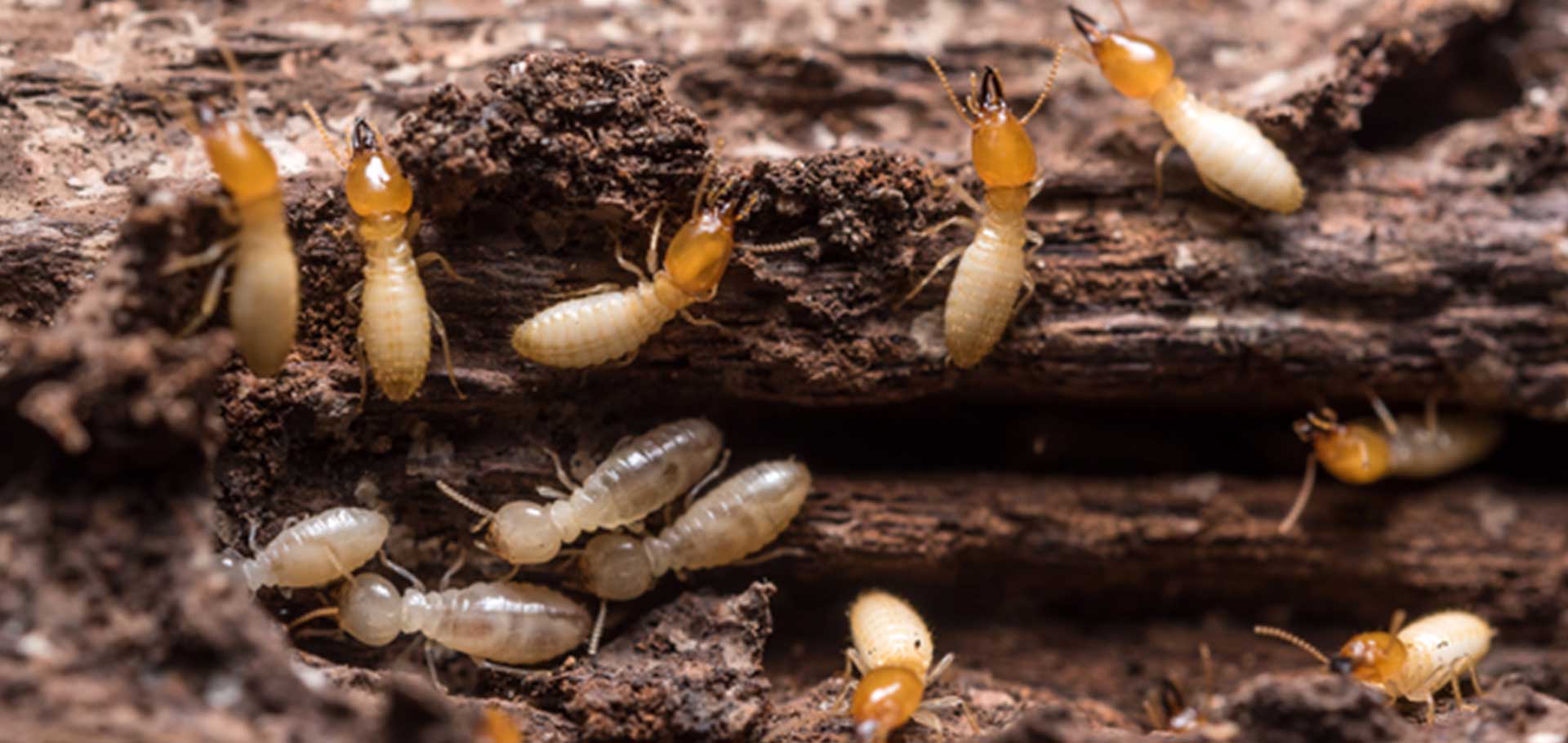
Subterranean termites are by far the most common and destructive termite species in Texas. They live in underground colonies and build mud tubes to travel between their food source (wood) and their moist, underground nests.
Eastern Subterranean Termite (Reticulitermes flavipes)
- Appearance: Workers, the most numerous caste, are typically about 1/4 to 3/8 inch long. They are soft-bodied, cream to light brown in color, and appear blind. Soldiers have larger, darker heads with powerful mandibles. Swarmers (reproductive termites) are darker, usually black or dark brown, and have two pairs of equal-sized, translucent wings that are shed after swarming.
- Habitat: These termites are found throughout Texas, especially in areas with ample moisture and soil. They construct elaborate underground nests that can contain hundreds of thousands, even millions, of individuals.
- Identification: Look for mud tubes on foundation walls, crawl spaces, or even extending up into the structure. The presence of shed wings after a swarm is another key indicator.
Western Subterranean Termite (Reticulitermes hesperus)
- Appearance: Similar in size and color to the Eastern Subterranean Termite, but often slightly lighter in coloration. Soldiers may have more rounded heads. Swarmers are typically dark brown.
- Habitat: Primarily found in the western and central parts of Texas, this species also nests underground and relies on moisture.
- Identification: Similar signs to the Eastern Subterranean Termite, including mud tubes and swarmers.
Formosan Subterranean Termite (Coptotermes formosanus)
- Appearance: This invasive species is particularly concerning. Workers are about 1/4 inch long and milky-white to cream-colored. Soldiers have distinct oval-shaped heads and can exude a milky white defensive spray. Swarmers are typically light brown and are known for their large swarms, often occurring at night and attracted to lights.
- Habitat: Formosan subterranean termites have established colonies in several Texas cities, including Houston, Galveston, and parts of the Dallas–Fort Worth metroplex. They build large, complex nests, often in the ground but sometimes within wall voids, and can create massive colonies that are incredibly destructive.
- Identification: Their swarms are exceptionally large. They construct robust mud tubes, and their damage can be extensive and rapid. Unlike other subterranean termites, Formosan termites can digest cellulose even without direct soil contact.
Drywood Termites
Drywood termites do not require contact with soil or constant moisture to survive. They infest dry wood, such as that found in attics, wall voids, and furniture.
Southeastern Drywood Termite (Incisitermes snyderi)
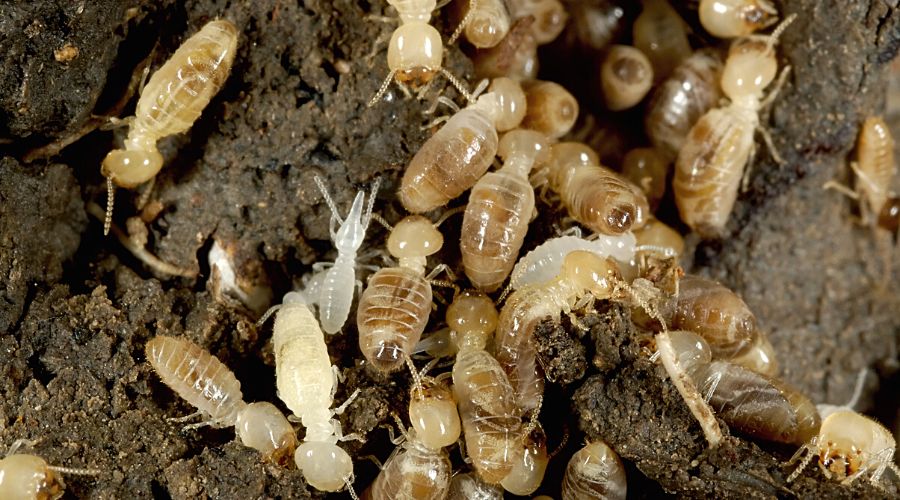
- Appearance: Swarmers are typically larger than subterranean termite swarmers, ranging from 1/2 to 3/4 inch in length. They are usually light brown to reddish-brown and have two pairs of wings of unequal size (the front wings are longer than the hind wings). Soldiers have distinctively large, spiny heads and dark mandibles.
- Habitat: Found in coastal areas and throughout eastern Texas, these termites infest dry wood structures, including houses, furniture, and even dead trees. They create “pellet” frass (droppings) that are hexagonal in shape and are often pushed out of small kick-out holes in the infested wood.
- Identification: The presence of fecal pellets is the most definitive sign of drywood termites. These pellets are often found in small piles near infested wood. Swarmers are also an indicator, especially if they are found inside a structure.
Western Drywood Termite (Incisitermes minor)
- Appearance: Similar to the Southeastern Drywood Termite, with swarmers being about 1/2 inch long, typically dark brown to black. Soldiers have large, dark heads and mandibles.
- Habitat: While more common in arid regions, they can be found in parts of Texas, particularly in drier inland areas. They infest dry, sound wood and produce hexagonal fecal pellets.
- Identification: The fecal pellets are the primary identifying feature. Unlike subterranean termites, they do not build mud tubes.
Beyond the Common Species: What Else to Look For
While the species mentioned above are the most prevalent, other less common termite types or variations can exist in Texas. It’s important to note that recognizing a termite often involves spotting one of its life stages or evidence of its presence.
Swarmers (Alates)
Swarmers are the reproductive caste of termites, responsible for establishing new colonies. They are often mistaken for flying ants, a common point of confusion for homeowners.
- Distinguishing Swarmers from Ants:
- Antennae: Termite antennae are straight or slightly curved, resembling a string of beads. Ant antennae are elbowed or bent.
- Waist: Termites have a broad waist, with a straight line from thorax to abdomen. Ants have a distinctly narrow, pinched waist.
- Wings: Termites have two pairs of wings of equal size and shape, which are shed after swarming. Ants have two pairs of wings, but the front pair is significantly larger than the hind pair.
- When to Look: Swarming activity typically occurs during warmer months in Texas, often after rain. Eastern subterranean termites swarm in the spring, while Formosan subterranean termites may swarm in late spring and early summer. Drywood termites tend to swarm in the fall.
Workers and Soldiers
These are the non-reproductive castes and are rarely seen outside of their colonies or galleries.
- Workers: The most numerous caste, responsible for foraging, feeding, and maintaining the nest. They are typically pale, soft-bodied, and blind. Their primary role is to consume wood.
- Soldiers: These termites have specialized heads and mandibles for defending the colony against predators, such as ants. Their appearance varies significantly by species, often featuring enlarged heads and formidable jaws.
Evidence of Termite Activity
Often, the first sign of a termite infestation is not the termite itself, but the evidence it leaves behind.
- Mud Tubes: These are pencil-sized tunnels constructed from soil, wood particles, and saliva, used by subterranean termites to travel and maintain moisture. They are often found on foundation walls, in crawl spaces, or even extending across ceilings.
- Fecal Pellets (Frass): Drywood termites leave behind characteristic fecal pellets, which are small, hexagonal, and dry. Their color can vary depending on the type of wood consumed.
- Damaged Wood: Termites consume wood from the inside out, often leaving a thin veneer of wood or just the outer paint layer intact. Tapping on infested wood may reveal a hollow sound.
- Shed Wings: After swarming, termites shed their wings. Finding piles of small, translucent wings indoors is a strong indicator of a past or present infestation.
- Bubbling Paint or Wallpaper: In some cases, termite activity can cause the surface of wood to bubble or sag, resembling water damage.

Protecting Your Texas Home from Termite Damage
Understanding the appearance of termites in Texas is the first step in protecting your property. Regular inspections by pest control professionals are highly recommended, especially in areas known for high termite activity. Early detection and treatment are critical to preventing costly structural damage. Travelers visiting Texas should be aware that even historic buildings or vacation rentals might be susceptible. While enjoying the diverse attractions, from the beaches of Galveston to the cultural hubs of Austin, a basic awareness of these wood-destroying insects can contribute to a more informed and secure experience.
LifeOutOfTheBox is a participant in the Amazon Services LLC Associates Program, an affiliate advertising program designed to provide a means for sites to earn advertising fees by advertising and linking to Amazon.com. Amazon, the Amazon logo, AmazonSupply, and the AmazonSupply logo are trademarks of Amazon.com, Inc. or its affiliates. As an Amazon Associate we earn affiliate commissions from qualifying purchases.