
For many aspiring adventurers, turning sixteen marks a pivotal moment: the chance to secure a driver’s license and unlock an unprecedented level of independence. In a state as vast and diverse as California, this milestone isn’t just about personal mobility; it’s about gaining the keys to a treasure trove of travel experiences, from coastal drives to mountain escapes. Obtaining your license at 16 in California is your passport to exploring iconic destinations, hidden gems, and everything in between, empowering you to craft your own travel narratives.
The Gateway to California Exploration
Imagine the freedom: cruising down the Pacific Coast Highway, windows down, salty air filling the car, en route to a spontaneous beach day in Malibu or a surfing lesson in Huntington Beach. Or perhaps charting a course inland, bound for the majestic granite cliffs of Yosemite National Park, the serene beauty of Lake Tahoe, or the vibrant desert landscapes near Palm Springs. A driver’s license at 16 transforms these dreams into tangible travel plans, allowing you to access California‘s myriad attractions without relying solely on parents, public transport, or ride-sharing services.
This privilege is more than just convenience; it’s an opportunity for deep, personal exploration. You can discover quaint towns off the beaten path, visit state parks less frequented by tourists, or simply take the scenic route to your favorite local spot, transforming mundane errands into mini-adventures. For young travelers with an insatiable appetite for discovery, the ability to drive means self-guided road trips, spontaneous detours, and the chance to truly immerse yourself in the diverse cultures and breathtaking natural wonders that define California. It fosters a sense of responsibility and planning, essential skills for any seasoned traveler, as you navigate routes, manage fuel stops, and account for travel times to reach your chosen destination. From the bustling streets of San Francisco to the sprawling vineyards of Napa Valley, your provisional license is the first step towards independent travel across the Golden State.
Navigating the DMV: Your First Step Towards the Open Road
Embarking on the journey to obtain your driver’s license in California requires careful navigation through the Department of Motor Vehicles (DMV) process, a series of steps designed to ensure you’re a safe and responsible traveler on the state’s diverse roadways. Each stage is crucial, not just for legal compliance but for building the foundational skills and knowledge necessary to confidently explore California’s vast and varied destinations.
The Provisional Permit: Your Training Wheels for Adventure
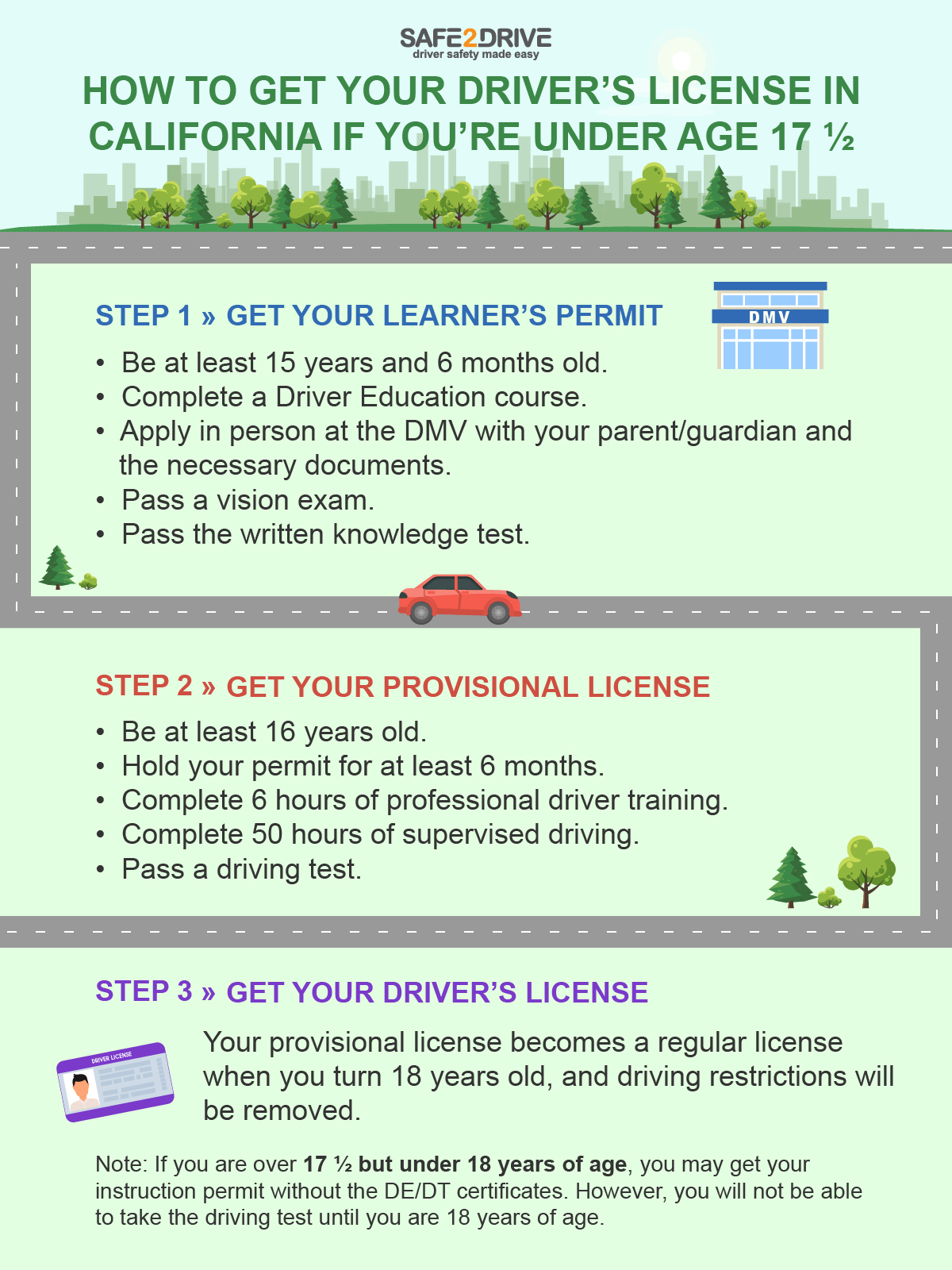
Your quest begins with securing a provisional instruction permit, an essential precursor to hitting the open road. To be eligible, you must be at least 15½ years old. This initial phase requires gathering several vital documents: proof of your birth date and legal presence (like a U.S. birth certificate or passport), proof of California residency, and your Social Security number. These are your foundational travel documents, verifying your identity for the journey ahead.
Once your paperwork is in order, you’ll complete a Driver License or Identification Card Application (DL 44 form), pay the application fee, and undergo a vision test to ensure your sight is sharp enough for safe navigation across scenic vistas and cityscapes alike. The next hurdle is the written knowledge test, a comprehensive assessment of your understanding of California traffic laws and road signs. This test is your fundamental “map reading” skill, critical for understanding speed limits on mountain passes, lane changes in urban centers, and right-of-way rules when encountering other travelers. Studying the California Driver Handbook is paramount, as mastering these rules ensures not only your safety but also a smooth, confident travel experience as you begin to explore.
Upon passing the knowledge test, you’ll receive your provisional permit. This isn’t a license for solo adventures yet; it’s your training pass. You must complete at least 50 hours of supervised driving practice, including 10 hours at night, with a licensed California driver who is at least 25 years old. This supervised practice is invaluable for familiarizing yourself with different driving conditions and diverse road types, preparing you for the varied terrains you’ll encounter on your future California travels, from crowded city streets to quiet suburban roads and even highways that lead to breathtaking national parks.
Behind-the-Wheel Training: Mastering California’s Routes
Alongside your supervised practice, California mandates enrollment in a professional driver education program. You must complete at least six hours of professional behind-the-wheel training with a certified driving instructor. These structured lessons are crucial for honing specific driving techniques, such as navigating complex intersections, mastering parallel parking (a vital skill for urban exploration), and practicing defensive driving strategies. An instructor provides personalized feedback, addressing any weaknesses and reinforcing good habits that are essential for safe travel. They can introduce you to various driving scenarios that mimic real-world travel challenges, giving you the confidence to eventually drive through the winding roads of Big Sur or the multi-lane freeways of Los Angeles. This professional guidance ensures you’re not just learning to operate a vehicle, but learning to drive intelligently and safely, a prerequisite for any rewarding travel experience.
The Driving Test: Earning Your License to Roam
After holding your provisional permit for a minimum of six months and completing both your 50 hours of supervised driving practice and six hours of professional training, you’re ready for the ultimate test: the behind-the-wheel driving test. This is the moment you prove your readiness to independently navigate the diverse landscapes and bustling cities of California. Passing this test means officially earning your license to roam.
Scheduling your driving test well in advance is highly recommended, especially if you have a specific travel timeline in mind. California DMV offices, particularly in popular areas like San Diego or Orange County, can have lengthy wait times. When the day arrives, you must bring your provisional permit, proof of insurance, and the registration for the vehicle you’ll be using for the test. The vehicle itself must be in safe working order, complete with working headlights, turn signals, brake lights, and a horn – ensuring it’s a reliable travel companion for future adventures.
The driving test is a practical examination of your ability to safely and competently operate a vehicle in real-world traffic conditions. An examiner will ride with you, evaluating your driving skills on a predetermined route that typically includes various scenarios: turns, lane changes, intersections, parking maneuvers, and demonstrating proper use of mirrors and signals. They’ll observe your awareness of your surroundings, your adherence to speed limits (critical for safety on unfamiliar roads), your ability to respond to hazards, and your overall control of the vehicle. For instance, successfully merging onto a busy street demonstrates your readiness for freeway travel to destinations like Santa Barbara, while parallel parking skills are invaluable for urban exploration in places like Palo Alto. This test isn’t just about passing; it’s about demonstrating the confidence and competence needed for independent travel. A single critical error, such as failing to stop at a red light or making an unsafe lane change, can result in an immediate failure, so focus and precision are paramount. Successfully navigating this final challenge signifies that you have mastered the essential skills to safely explore California on your own terms.
Provisional License Privileges and Planning Your First Trips
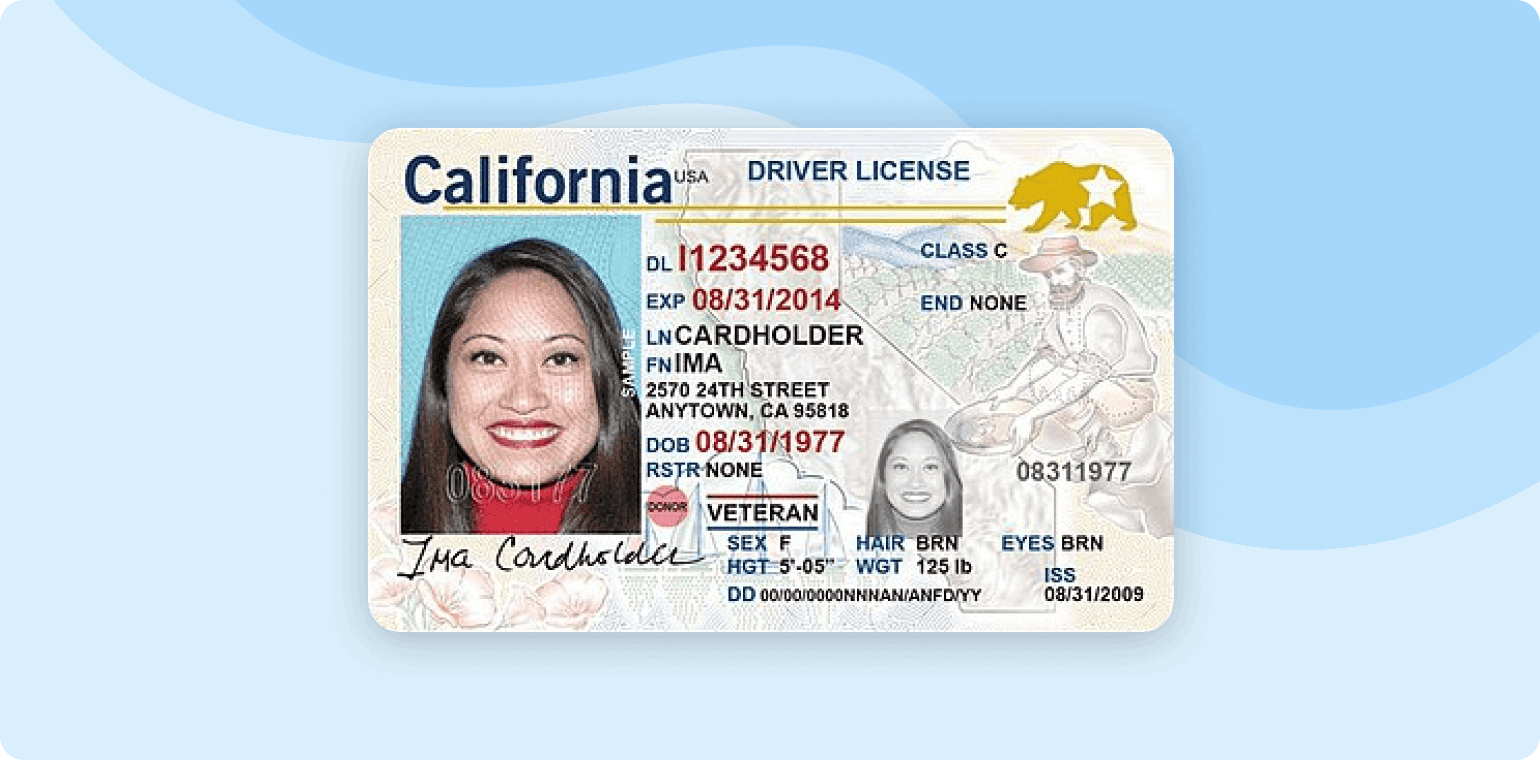
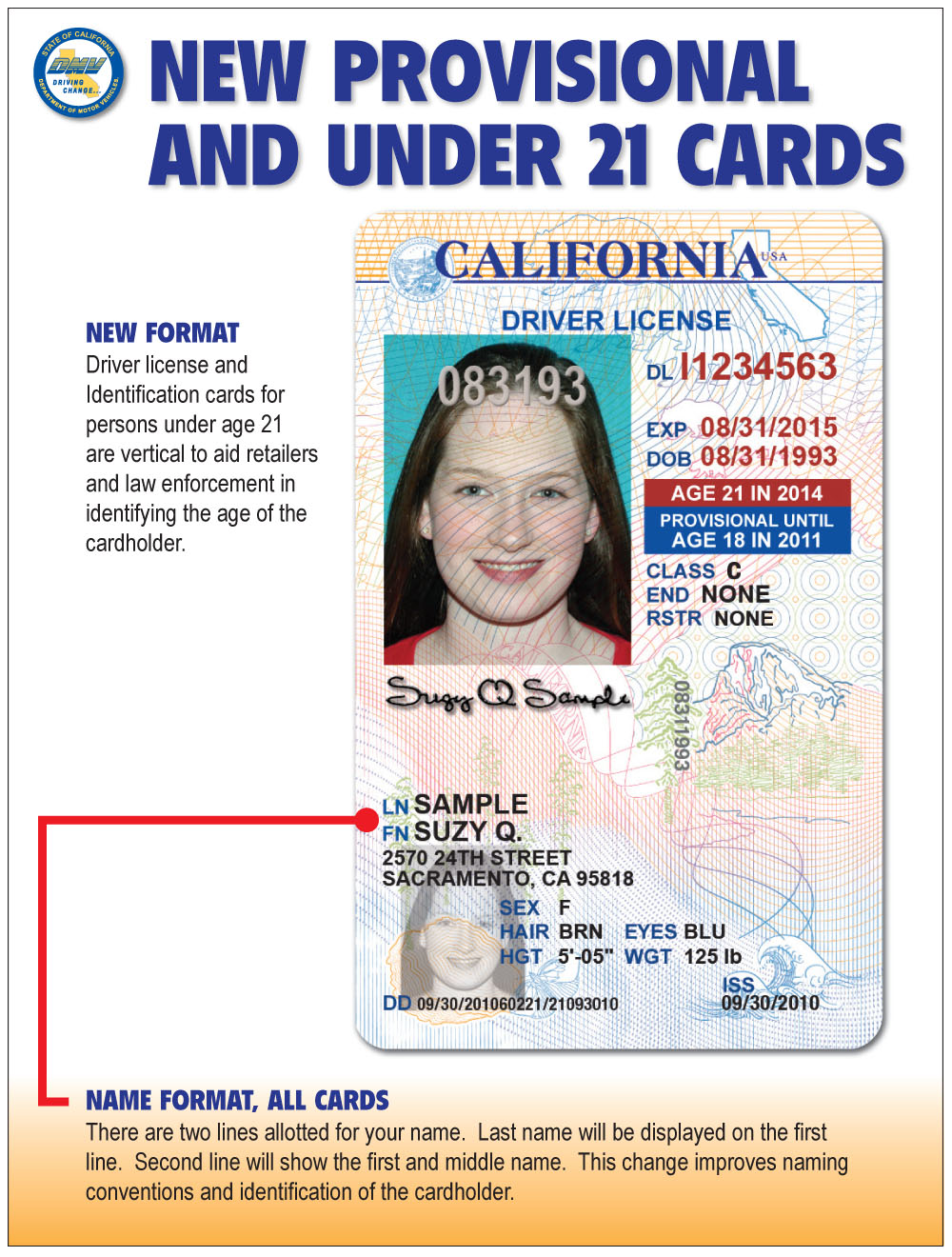
Congratulations, you’ve earned your provisional license! This significant achievement grants you incredible freedom to begin exploring California independently, but it comes with specific restrictions designed to ensure your safety and the safety of others as you gain experience. Understanding these limitations is key to planning your initial, rewarding travel experiences. For the first 12 months, or until you turn 18 (whichever comes first), you cannot drive between 11:00 p.m. and 5:00 a.m. This nighttime restriction encourages you to travel during daylight hours, often the most scenic and safest times for exploring California’s diverse attractions. Additionally, you cannot transport passengers under 20 years old unless a licensed driver, 25 years or older, is present in the vehicle. This passenger restriction limits distractions, allowing you to focus purely on the road and developing your travel instincts without added complexities.
These provisional rules are not hindrances; rather, they are protective guidelines that encourage thoughtful travel planning. Use this period to explore local destinations: a day trip to a nearby beach in Laguna Beach, a hike in a regional park in the Santa Monica Mountains, or a visit to a historical site in Sacramento. These shorter excursions allow you to build confidence, practice navigating unfamiliar routes, and refine your driving skills in various conditions before embarking on longer journeys. Imagine a weekend escape to the charming town of Carmel-by-the-Sea or an educational trip to the museums of Los Angeles once the restrictions lift. Your provisional license is the starting point for countless memorable California adventures, gradually expanding your horizons from local discovery to iconic cross-state road trips. The freedom to drive means you can tailor your travel experiences to your own interests, discovering everything from culinary delights in San Jose to the natural beauty of the Redwood National and State Parks as you grow into a more experienced and unrestricted driver.
Essential Travel Gear for New Drivers in California
As you embark on your inaugural adventures across California with your new license, being prepared is just as crucial as having the driving skills. Equipping your vehicle with essential travel gear transforms it from a mere mode of transport into a reliable companion for exploration, ensuring safety and comfort on every journey. A reliable navigation system is paramount; whether it’s a dedicated GPS device or a smartphone with a robust mapping application like Google Maps or Waze, knowing your route and having real-time traffic updates is invaluable for navigating California’s sprawling cities and extensive highways. Ensure you have a car charger or power bank to keep your devices ready for use, especially when venturing into areas with limited cell service, like some parts of the Mojave Desert or the Sierra Nevada Mountains.
Beyond navigation, a well-stocked emergency kit is a non-negotiable item for any new driver planning trips. This should include jumper cables, a flashlight with extra batteries, a basic first-aid kit, a small toolkit, a tire pressure gauge, and a supply of water and non-perishable snacks. Even on a short drive to Santa Monica or a day trip to the Disneyland Resort, unexpected delays or minor issues can arise. Understanding basic vehicle maintenance, such as checking tire pressure and oil levels, further empowers you to be a self-reliant traveler. For extended road trips, consider a spare tire and the knowledge of how to change it, as well as an extra gallon of coolant or windshield washer fluid. Being prepared for minor setbacks allows you to focus on the joy of discovery, knowing you’re equipped to handle most situations that might arise on your incredible California travels.
LifeOutOfTheBox is a participant in the Amazon Services LLC Associates Program, an affiliate advertising program designed to provide a means for sites to earn advertising fees by advertising and linking to Amazon.com. Amazon, the Amazon logo, AmazonSupply, and the AmazonSupply logo are trademarks of Amazon.com, Inc. or its affiliates. As an Amazon Associate we earn affiliate commissions from qualifying purchases.