
Understanding the intricacies of vehicle ownership, especially when it comes to titles, is crucial for any Texan driver. A salvage title is one such designation that can cause confusion and potentially impact the value and usability of a vehicle. This guide will delve into what a salvage title signifies in the state of Texas, how it comes about, the implications for owners, and the process of potentially regaining a clean title.
The Genesis of a Salvage Title
A salvage title is not a descriptor of a vehicle’s condition in its current state; rather, it’s a historical marker. It indicates that a vehicle has been declared a total loss by an insurance company. This declaration doesn’t necessarily mean the vehicle was beyond repair, but that the cost of repairs exceeded a certain threshold of the vehicle’s pre-damage market value. This threshold is determined by the insurance company based on state regulations and their internal policies.
When is a Vehicle Declared a Total Loss?
Several scenarios can lead to an insurance company deeming a vehicle a total loss:
- Collision Damage: This is perhaps the most common reason. If a vehicle is involved in an accident and the damage is extensive, such as frame damage, significant structural compromise, or severe damage to multiple components, the repair costs can quickly surpass the vehicle’s value.
- Flood Damage: Vehicles submerged in floodwaters, especially saltwater, are highly susceptible to extensive electrical, mechanical, and structural damage. Even if seemingly superficial repairs are made, the long-term effects of corrosion and electrical system failure can be catastrophic, leading to a total loss declaration.
- Fire Damage: Fires can rapidly destroy a vehicle’s interior, engine, and electrical systems. The heat generated can also warp the frame and compromise structural integrity.
- Theft Recovery: If a vehicle is stolen and then recovered, but has sustained significant damage during the theft (e.g., stripped for parts, damaged while being driven recklessly), it might be declared a total loss.
- Vandalism: While less common for total loss declarations, extreme vandalism that renders the vehicle inoperable and costly to repair could potentially lead to this status.
It’s important to note that the insurance company’s decision is based on economic factors. A vehicle might be mechanically sound enough to be repaired, but if the estimated cost of repairs approaches or exceeds its market value, it’s often easier and more financially prudent for the insurer to pay out the claim and take possession of the vehicle.
The Role of the Texas Department of Motor Vehicles (TxDMV)
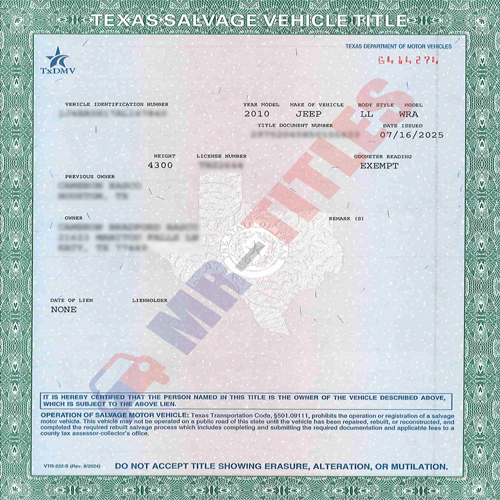
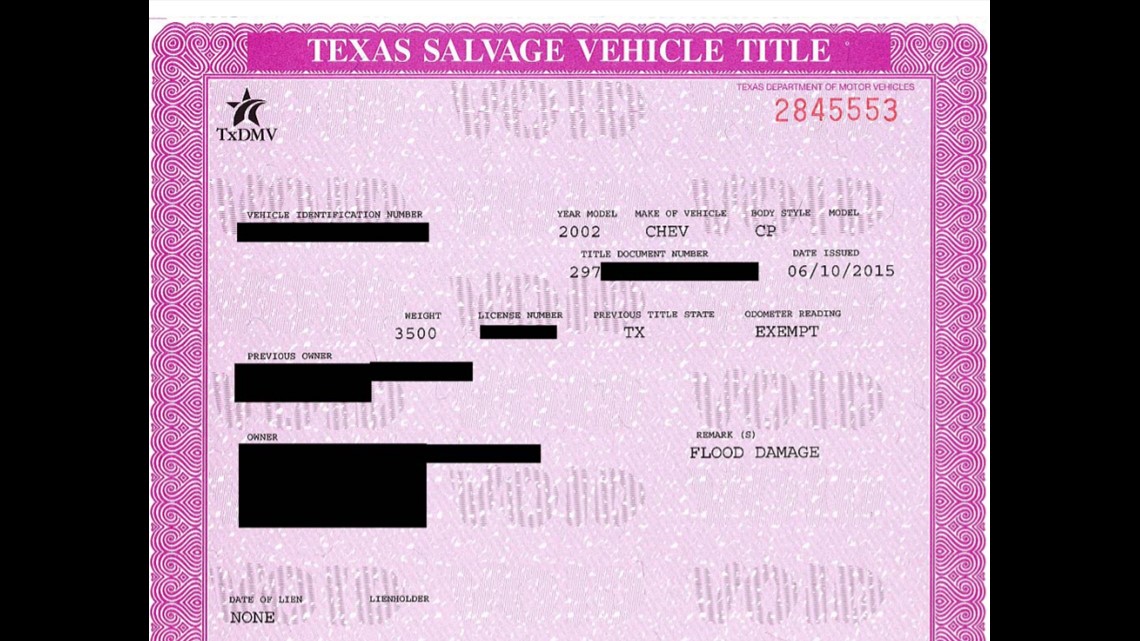
Once a vehicle is declared a total loss by an insurance company, the insurance company typically surrenders the vehicle’s title to the Texas Department of Motor Vehicles (TxDMV). The TxDMV then assigns a salvage brand to the title. This branding serves as a permanent record, visible to any potential buyer or lienholder, indicating the vehicle’s past.
Implications of a Salvage Title
Owning a vehicle with a salvage title in Texas comes with several significant implications. These can range from financial to practical and even legal.
Insurance Challenges
Obtaining comprehensive and collision insurance for a vehicle with a salvage title can be exceptionally difficult, if not impossible. Many insurance providers are hesitant to insure vehicles that have a history of being declared a total loss, fearing higher claims and unpredictable repair costs. If you do manage to find an insurer, the premiums are likely to be higher than for a comparable vehicle with a clean title. Liability insurance, which is mandatory in Texas, will generally still be available, but options may be limited.
Resale Value and Marketability
A vehicle with a salvage title will have a significantly lower resale value compared to an identical vehicle with a clean title. The salvage brand inherently reduces consumer confidence, as potential buyers are aware of the vehicle’s history and the potential for underlying issues that may not be immediately apparent. Selling such a vehicle often requires full disclosure of its salvage history, making it a tougher sell in the open market.
Repair and Registration Hurdles
If you intend to repair a salvaged vehicle, be prepared for a rigorous process. In Texas, a vehicle with a salvage title cannot be registered for regular road use until it undergoes a thorough inspection and is re-titled. The TexasSure Vehicle Inspection Program mandates that salvage vehicles must be rebuilt and pass a specific inspection to be deemed roadworthy. This inspection process is designed to ensure that the repairs have been done correctly and safely, and that the vehicle meets all state safety standards.
The “Rebuilt” Title Process
The ultimate goal for many owners of salvage vehicles is to convert the salvage title back into a “rebuilt” or “reconditioned” title. This process allows the vehicle to be legally registered and insured for regular use. The journey to a rebuilt title is multi-faceted:
1. Acquiring a Salvage Vehicle
You might acquire a salvage vehicle through various means:
- Purchasing from an insurance auction: After an insurance company declares a vehicle a total loss, they often sell the salvage vehicles at auction.
- Buying directly from a previous owner: Someone might sell a vehicle with a salvage title, perhaps having already started repairs or simply wanting to offload it.
- Inheriting or receiving as a gift: While less common, you could end up with a salvage vehicle through non-purchase means.
2. Performing the Repairs
This is the most critical phase. All repairs must be documented meticulously. This includes:
- Receipts for parts: Keep detailed records of every part purchased for the repair.
- Invoices for labor: If you hire mechanics or body shops, ensure you have itemized invoices.
- Photographic evidence: It is highly recommended to take photos of the vehicle before, during, and after repairs. This documentation is crucial for the inspection process.
3. Obtaining a Salvage Vehicle Inspection Certificate
Once the repairs are completed, the vehicle must be taken to an authorized Texas inspection station for a salvage vehicle inspection. This inspection is far more stringent than a standard safety inspection. Inspectors will scrutinize the repairs, looking for evidence of proper structural integrity, functional safety systems (brakes, lights, steering), and the overall roadworthiness of the vehicle. They will also verify that the parts used meet safety standards.
4. Applying for a Rebuilt Title
If the vehicle passes the salvage vehicle inspection, you will receive a Salvage Vehicle Inspection Certificate. This certificate, along with other required documentation (proof of ownership, repair receipts, bill of sale, etc.), must be submitted to the TxDMV to apply for a rebuilt title. The TxDMV will review the application and documentation. Upon approval, a new title will be issued, branded as “rebuilt.”
5. Registration and Insurance
With a rebuilt title, you can now proceed with registering the vehicle and obtaining insurance. Registration will involve the standard fees and processes for vehicles in Texas. As mentioned earlier, insurance availability and cost may still be a consideration, but it will be significantly easier to find coverage than with a salvage title.
Considerations for Buyers and Sellers
For anyone involved in the transaction of vehicles, understanding salvage titles is paramount.
For Potential Buyers
If you are considering purchasing a vehicle that has a salvage title history (even if it has been rebuilt), thorough due diligence is essential.
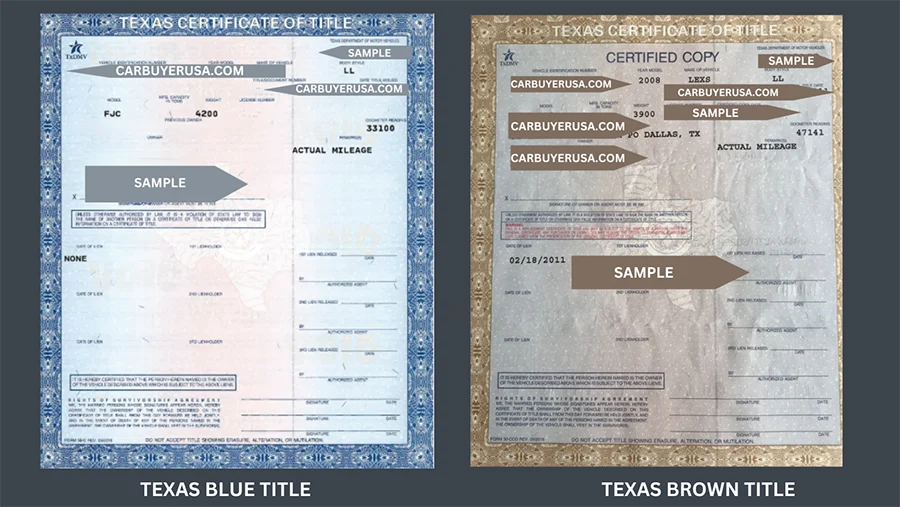
- Request the title history: Always ask to see the vehicle’s title and look for any brands, especially “salvage.”
- Inquire about the damage: Ask about the nature of the damage that led to the salvage title (collision, flood, etc.).
- Review repair documentation: If the vehicle has been rebuilt, ask for all repair records and invoices.
- Get an independent inspection: Before purchasing, have the vehicle inspected by a trusted, independent mechanic who has experience with rebuilt vehicles. They can identify potential issues that might have been missed or are not immediately apparent.
- Be wary of unusually low prices: While a salvage title inherently lowers value, an extremely low price might indicate undisclosed problems or a rushed repair job.
For Sellers
If you are selling a vehicle with a salvage title history:
- Be transparent: Honesty is the best policy. Clearly disclose the salvage title history to all potential buyers. Failure to do so can lead to legal repercussions.
- Provide all documentation: If you have rebuilt the vehicle, have all repair receipts, photos, and the salvage inspection certificate readily available.
- Price accordingly: Understand that the vehicle’s value will be significantly lower than a comparable vehicle with a clean title.
The Nuances of “Total Loss”
It’s important to reiterate that a “total loss” declaration by an insurance company is primarily a financial decision. It does not automatically mean the vehicle is unsafe or irreparable. Many vehicles with salvage titles can be expertly repaired and restored to a safe and functional condition. However, the process requires expertise, significant investment, and adherence to strict regulations.
The Texas Department of Motor Vehicles plays a vital role in regulating vehicles with salvage titles, ensuring that those that return to the road have undergone proper restoration and meet safety standards. For consumers, understanding the implications of a salvage title is key to making informed decisions, whether you are looking to buy, sell, or own a vehicle with such a history in the Lone Star State.
LifeOutOfTheBox is a participant in the Amazon Services LLC Associates Program, an affiliate advertising program designed to provide a means for sites to earn advertising fees by advertising and linking to Amazon.com. Amazon, the Amazon logo, AmazonSupply, and the AmazonSupply logo are trademarks of Amazon.com, Inc. or its affiliates. As an Amazon Associate we earn affiliate commissions from qualifying purchases.