
California stands as a destination renowned for its stunning diverse landscapes, iconic landmarks, and vibrant cultural tapestry. From the sun-drenched beaches of Southern California to the majestic forests of the North Coast, it draws millions of visitors annually. For travelers considering extended stays, relocation, or those who incorporate responsible firearm ownership into their lifestyle, understanding the state’s complex legal framework surrounding firearms and ammunition is not just prudent—it’s essential. Unlike many other states, California has some of the strictest gun laws in the United States, and these regulations extend significantly to ammunition, including the legality of hollow point bullets. Navigating this landscape requires careful attention, especially for those accustomed to different laws elsewhere.
Understanding California’s Unique Firearm Landscape for Travelers and Residents
When planning a trip to California or considering it as a new home, prospective visitors and residents often research various aspects of local life, from climate and cost of living to recreational opportunities and local customs. For firearm owners, this research must extend to the state’s intricate gun laws. California’s approach to firearms is designed to be highly restrictive, impacting everything from purchasing and transferring firearms to carrying them, and critically, the types of ammunition one can possess.
The state’s legislative intent is often framed around public safety, leading to a myriad of statutes that can be confusing even for long-time residents. For a traveler, these laws present a particular challenge, as they might significantly differ from the laws in their home state or country. Ignorance of the law is not an excuse, and violating California’s firearm and ammunition statutes can lead to severe penalties, including hefty fines and incarceration. Therefore, understanding the general philosophy behind these laws is the first step in ensuring compliance and a trouble-free experience in the Golden State.
The Foundation of California Gun Laws
California operates under a “may issue” concealed carry permit system, which means permits are discretionary and often difficult to obtain outside of rural counties. Open carry of loaded or unloaded firearms is generally prohibited in most public places. Furthermore, the state has strict regulations on what constitutes an “assault weapon,” high-capacity magazines, and even certain firearm features. These foundational laws indirectly influence ammunition regulations, as the type of firearm one can legally possess often dictates the appropriate ammunition. For visitors, the challenge is compounded by federal laws governing interstate transportation of firearms (e.g., the Firearm Owners’ Protection Act), which provide some protections but do not override state-specific prohibitions on certain types of firearms or ammunition within California’s borders.
The Nuances of Ammunition Laws: Focusing on Hollow Points
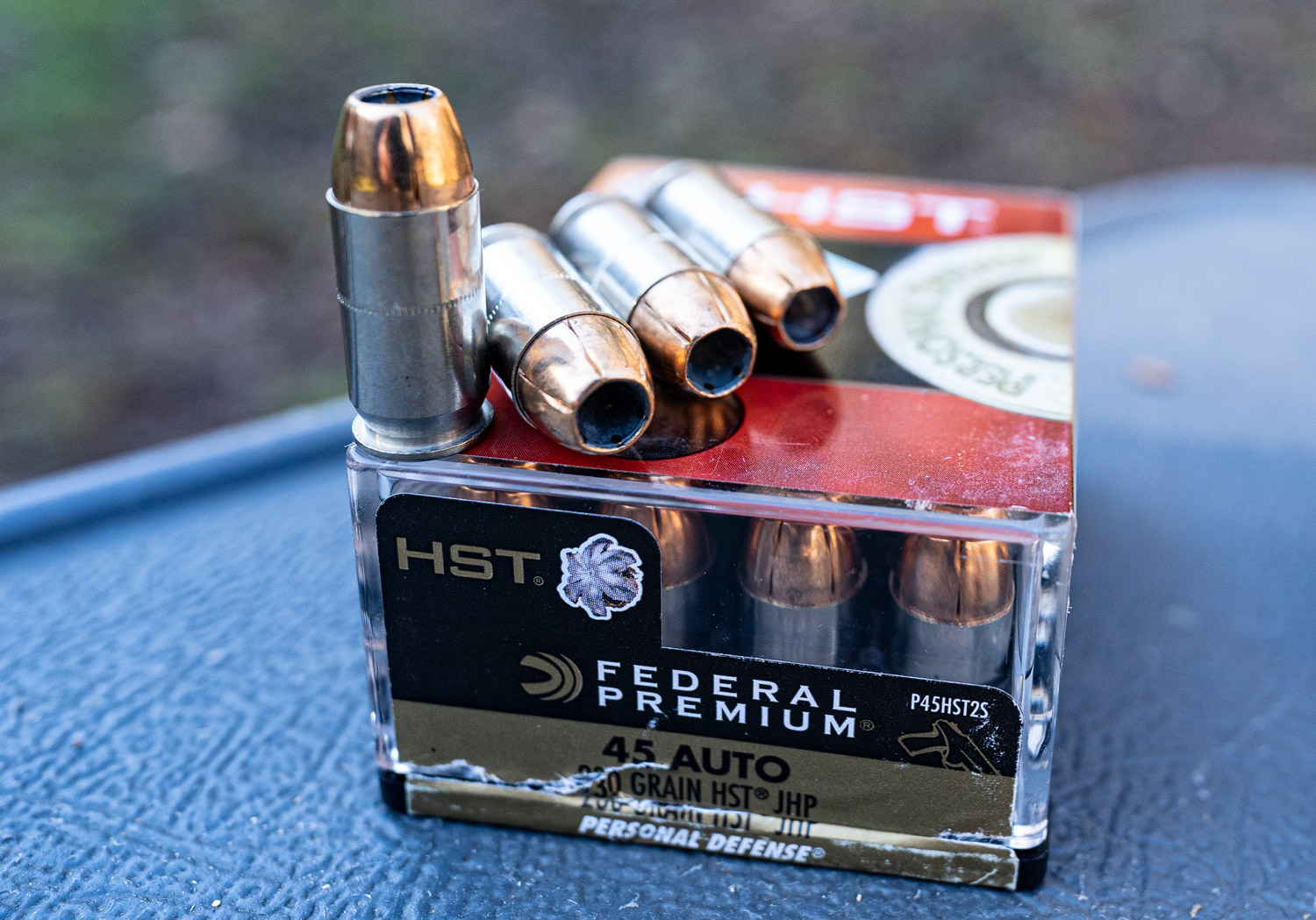
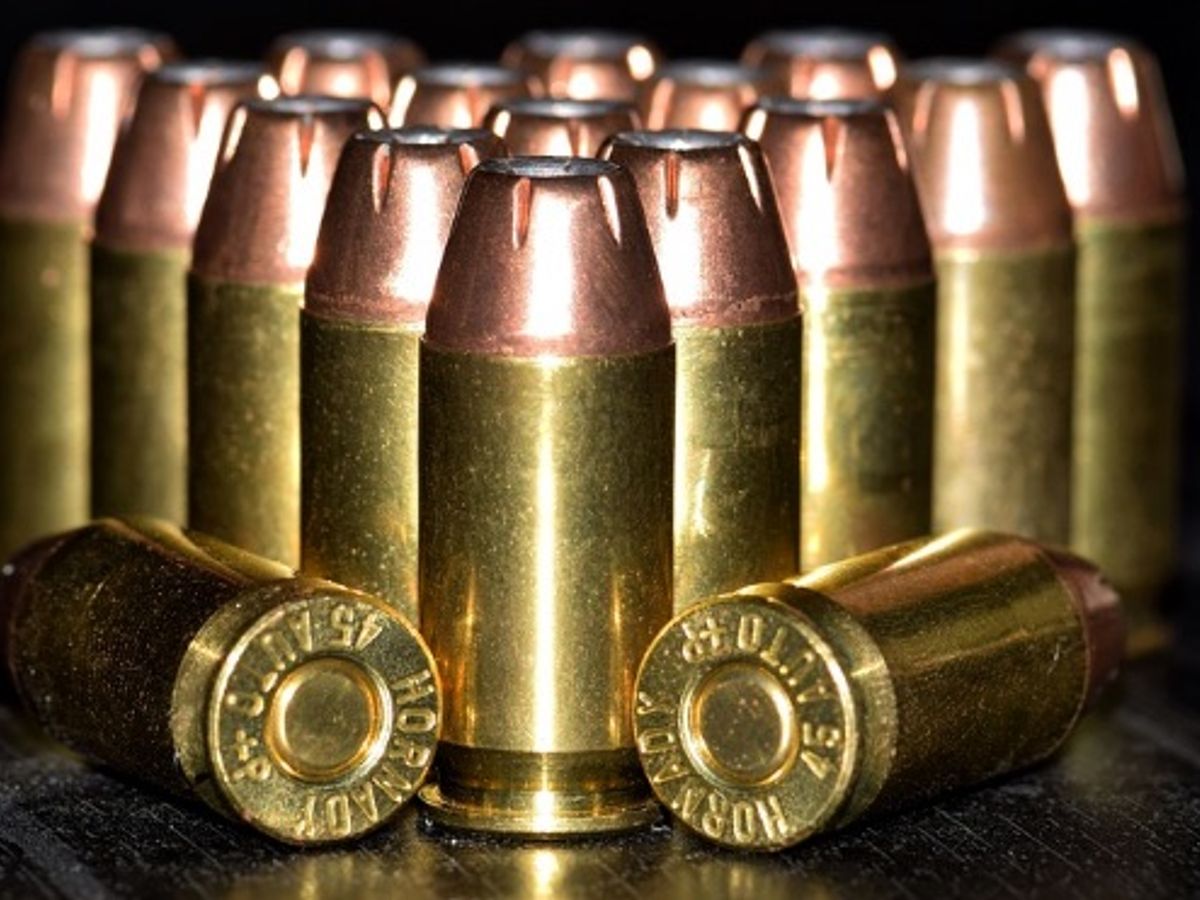
The question of hollow point bullet legality in California is a common point of confusion. Many states have no specific restrictions on hollow point ammunition for civilians, often considering it standard for self-defense due to its terminal ballistics. However, California’s legal framework treats hollow points with specific considerations, especially in certain contexts.
General Legality of Hollow Point Ammunition
Generally, the possession of hollow point ammunition for rifles and pistols is not outright banned for civilians in California for use at home, at a firing range, or for hunting (where specifically allowed and appropriate for the game). This is a crucial distinction. Many individuals mistakenly believe hollow points are illegal across the board, which is not entirely accurate. However, this general legality comes with significant caveats and exceptions that are critical for anyone traveling through or residing in the state to understand.
Key Restrictions and Exceptions for Hollow Points
The primary restrictions on hollow point ammunition in California revolve around:
- Concealed Carry: For individuals with a California Concealed Carry Weapon (CCW) permit, carrying hollow point ammunition for self-defense is typically allowed in most jurisdictions, provided it’s used in conjunction with a legally owned and permitted firearm. This contradicts the common misconception that CCW holders are restricted to only Full Metal Jacket (FMJ) ammunition. However, local ordinances can vary, and it is always advisable to verify with the issuing agency of your CCW permit.
- “Assault Weapons” and Restricted Firearms: While hollow points themselves aren’t restricted, their use in certain firearms classified as “assault weapons” or those with specific prohibited features can fall under stricter scrutiny, particularly in a legal defense context. The combination of a prohibited firearm and certain ammunition types could exacerbate legal issues.
- Hunting Regulations: For hunters, hollow point ammunition is often required or preferred for ethical hunting practices for certain game, ensuring a humane kill. California hunting regulations specify appropriate ammunition types for various game, and hollow points generally fall within acceptable parameters for many applications, provided they meet caliber and energy requirements for the species.
- Federal Enclaves and Prohibited Areas: Carrying any type of firearm or ammunition, including hollow points, into federal buildings, courthouses, schools, airports (sterile areas), or other “gun-free zones” is strictly prohibited regardless of state law. For travelers, this is particularly important when visiting attractions or passing through regulated areas.
- Specific Calibers/Designs: While not directly hollow point related, California also has bans on other types of ammunition, such as armor-piercing handgun ammunition and tracer ammunition, and some lead-free ammunition requirements in specific hunting zones. These are distinct from, but often confused with, hollow point regulations.
The critical takeaway is that while generally legal for possession and use on private property or at ranges, the context in which hollow point ammunition is possessed or carried in public spaces, especially when combined with a firearm, is where California law becomes highly nuanced.
Interstate Travel and Firearm Possession in California
For out-of-state visitors, the legal complexities escalate considerably. The Firearm Owners’ Protection Act (FOPA) provides a federal defense for interstate transportation of firearms and ammunition, allowing individuals to transport unloaded, cased firearms and ammunition through states where they would otherwise be illegal, provided the journey is continuous and without significant deviation. However, FOPA only protects transit through a state; it does not authorize stopping, staying, or possessing firearms in a manner that violates local laws.
Planning Your Trip with Firearms
- Destination Laws Override Transit Laws: If your destination is within California, or if you plan to stay in the state for an extended period, you are subject to California’s strict laws. This means that while you might legally transport your firearm and some types of ammunition through the state under FOPA, possessing a firearm or ammunition that is illegal in California once you have reached your destination or made a stop could lead to severe legal repercussions.
- Prohibited Items: Travelers must be acutely aware of what constitutes a prohibited firearm or ammunition type in California. This includes specific “assault weapon” configurations (even if they are legal in your home state), magazines capable of holding more than 10 rounds (even if they were purchased legally prior to certain dates), and certain types of ammunition like armor-piercing rounds.
- Storage and Transportation: Regardless of ammunition type, all firearms transported into or within California must be unloaded and stored in a locked container, separate from ammunition, when not under direct control (e.g., at a shooting range). This applies to transportation in vehicles as well. Failure to adhere to these basic transport rules can lead to felony charges.
For a traveler, the safest approach, if unsure, is to leave firearms and any questionable ammunition at home. If you must bring them, consult a California firearm attorney beforehand to ensure full compliance.
Compliance and Responsible Ownership for Visitors and Residents
Navigating California’s firearm and ammunition laws demands vigilance and a proactive approach. For both visitors and those considering making California their home, responsible ownership means more than just following the letter of the law; it means understanding its spirit and staying informed about ongoing legislative changes.
Best Practices for Ammunition Possession
- Verify Legality: Before purchasing or bringing any ammunition, especially hollow points, into California, verify its legality for your specific use case and location.
- Separate Storage: Always transport firearms unloaded in a locked container, separate from ammunition. Ammunition should also be stored securely.
- Magazine Capacity: Be aware of the 10-round magazine capacity limit. High-capacity magazines (often referred to as “large-capacity magazines”) are generally illegal to import, purchase, or manufacture in California, even if legally owned elsewhere.
- Proof of Ownership/Legality: Keep documentation for your firearms and ammunition, especially if acquired out-of-state, though this will not override California’s prohibitions.
- Be Cautious in Public: Exercise extreme caution when possessing or transporting firearms and ammunition in public areas. California has numerous “gun-free zones” and restrictive open-carry laws.
Resources and Staying Informed
Given the dynamic nature of California’s firearm legislation, staying informed is paramount. Organizations like the California Rifle & Pistol Association (CRPA) or the National Rifle Association (NRA) often provide updates on legal changes and resources for firearm owners. Additionally, consulting with a California attorney specializing in firearm law is the most reliable way to receive personalized and up-to-date advice.
For travelers, understanding these specific nuances is crucial for a smooth and lawful visit. For those contemplating a move, integrating these legal considerations into your lifestyle planning ensures a compliant transition. While hollow point bullets generally have a legal place within California’s complex firearm regulations, their use and possession are subject to distinct restrictions that demand careful attention and adherence.
LifeOutOfTheBox is a participant in the Amazon Services LLC Associates Program, an affiliate advertising program designed to provide a means for sites to earn advertising fees by advertising and linking to Amazon.com. Amazon, the Amazon logo, AmazonSupply, and the AmazonSupply logo are trademarks of Amazon.com, Inc. or its affiliates. As an Amazon Associate we earn affiliate commissions from qualifying purchases.