
Texas, a state synonymous with vast landscapes, a rich history, and a dynamic economy, is also defined by its ever-growing population. Understanding the demographic shifts and the sheer scale of Texas’s populace is crucial for anyone looking to grasp the essence of this expansive state, whether as a potential resident, a business investor, or a visitor planning an immersive journey. The Lone Star State’s population is not merely a number; it’s a narrative of growth, migration, and the diverse tapestry of people who call Texas home.
The Ever-Expanding Demographics of the Lone Star State
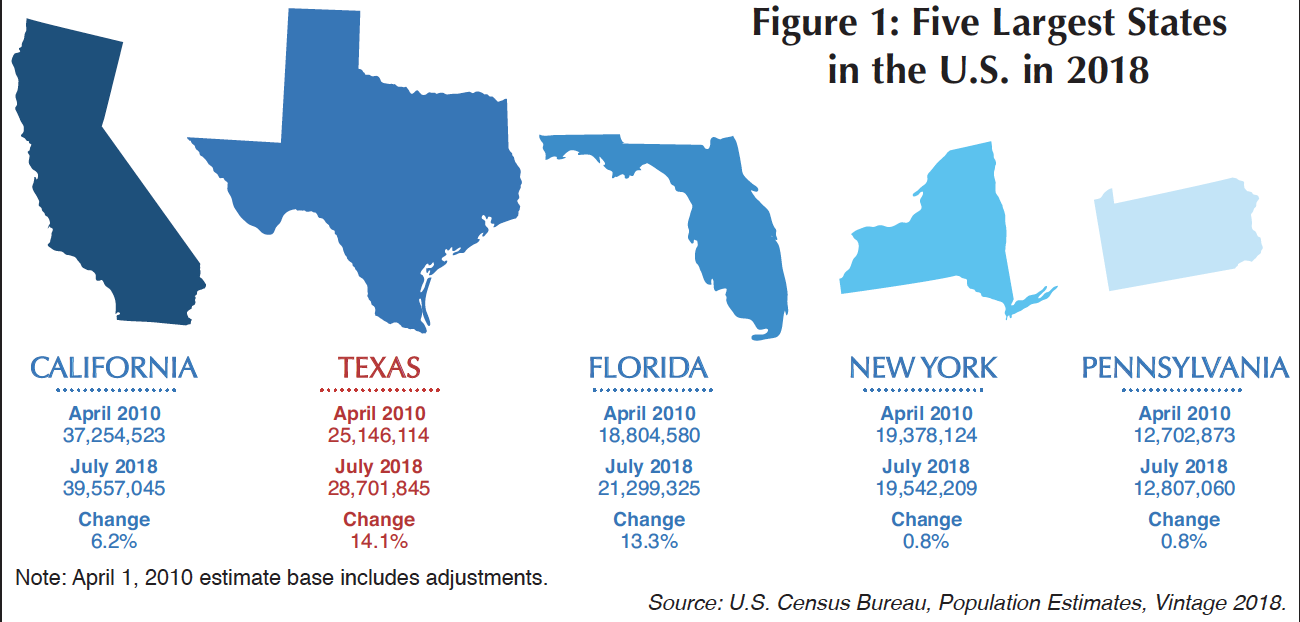
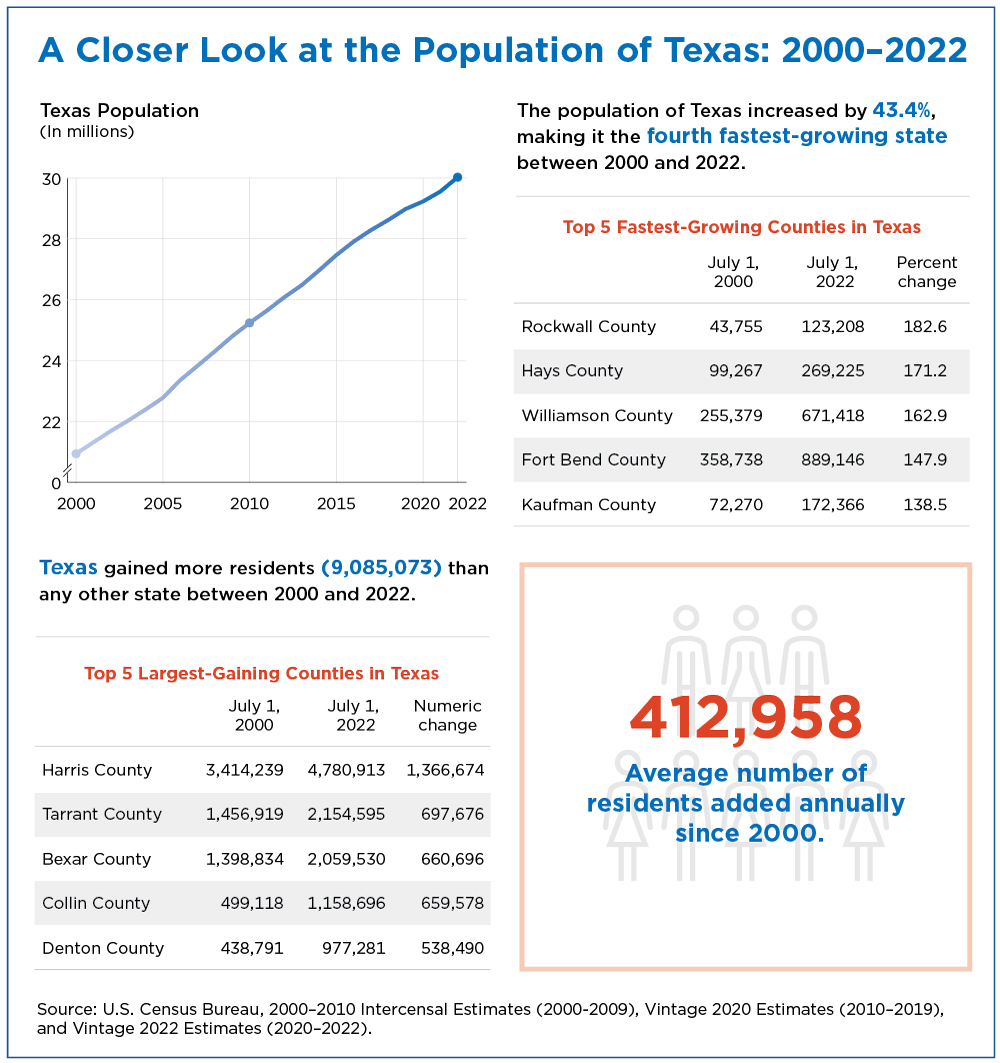
As of recent estimates, the population of Texas has surpassed 30 million residents, solidifying its position as the second most populous state in the United States, trailing only California. This impressive figure represents a significant surge over the past few decades, fueled by a combination of factors including a robust job market, lower cost of living compared to many other major states, and a generally favorable business climate. The growth is not concentrated in a single area; rather, it is a widespread phenomenon across major metropolitan hubs and even into burgeoning smaller towns.

Key Drivers of Population Growth
The economic engine of Texas is a primary magnet for new residents. Industries such as energy, technology, aerospace, and healthcare are experiencing substantial expansion, creating a demand for skilled labor. Major cities like Houston, Dallas, San Antonio, and Austin are at the forefront of this economic dynamism, attracting individuals and families from across the nation and around the globe.
Beyond job opportunities, Texas offers a lifestyle that appeals to a broad spectrum of people. The state boasts a lower unemployment rate and a more affordable housing market than many other popular destinations, making it an attractive place for both young professionals and established families. Furthermore, the cultural diversity within Texas is a significant draw, with a rich blend of Texan traditions, Hispanic influences, and a growing international community.
Demographic Breakdown
The population of Texas is characterized by its youthfulness and diversity. The median age in Texas is lower than the national average, reflecting a steady influx of younger workers and families. The Hispanic population constitutes a significant and growing portion of the state’s residents, contributing to its vibrant cultural landscape and influencing its culinary scene, music, and arts.
The state’s population is also increasingly urbanized. While Texas is geographically vast and known for its open spaces, the majority of its residents live in or around its major metropolitan areas. These urban centers are hubs of innovation, culture, and economic activity, providing the infrastructure and opportunities that draw people in.
Major Metropolitan Hubs: Centers of Population and Opportunity
The population of Texas is not uniformly distributed. Instead, it coalesces around several dynamic metropolitan areas, each with its own unique character and appeal. These urban centers are the economic powerhouses and cultural epicenters of the state, attracting the lion’s share of new residents.
The Big Four: Houston, Dallas-Fort Worth, San Antonio, and Austin
Houston, the most populous city in Texas, is a global center for the energy industry and a rapidly growing hub for healthcare, aerospace, and international trade. Its diverse population contributes to a rich culinary scene and a vibrant cultural tapestry. George Bush Intercontinental Airport serves as a major gateway for both domestic and international travelers.
The Dallas-Fort Worth Metroplex is a sprawling metropolitan area comprising two core cities and numerous surrounding suburbs. Dallas is a major financial and business center, known for its upscale shopping and vibrant arts district. Fort Worth, on the other hand, embraces its Western heritage with attractions like the Fort Worth Stockyards National Historic District. The DFW metroplex is a significant destination for business travel and a growing center for tech industries.
San Antonio offers a unique blend of history, culture, and charm. Famous for the iconic Alamo and the picturesque River Walk, it draws millions of tourists annually. Beyond its historical significance, San Antonio has a growing economy, particularly in healthcare and biosciences. Its deep Hispanic roots are evident in its festivals, cuisine, and vibrant community life.
Austin, the state capital, is renowned for its live music scene, burgeoning technology sector, and eclectic culture. Often dubbed the “Live Music Capital of the World,” Austin hosts numerous festivals and attracts a young, energetic population. The city’s rapid growth has also led to a booming tech industry, earning it the nickname “Silicon Hills.” Attractions like Barton Creek Greenbelt and the Texas State Capitol draw visitors and residents alike.
Emerging Growth Centers
Beyond these four major hubs, other areas of Texas are experiencing significant population growth. Cities like El Paso on the border, the Corpus Christi area on the coast, and the rapidly developing region around Lubbock in West Texas are all witnessing an increase in residents, driven by diversified economies and attractive living conditions.
Understanding Texas’s Population: Implications for Visitors and Residents
The sheer size and continued growth of Texas’s population have profound implications for anyone interacting with the state. For visitors, it means a wealth of experiences and attractions, from world-class museums and diverse culinary offerings to thrilling outdoor adventures and vibrant entertainment scenes. For potential residents, it signals a dynamic and opportunity-rich environment.
Navigating a Populous State
The large population naturally translates into significant infrastructure development. Major transportation networks, including extensive highway systems and international airports, are vital for connecting the state’s vast distances and its numerous residents and visitors. For travelers, this means relatively easy access to most major destinations, though traffic in and around the large metropolitan areas can be a consideration.
The diverse population also fuels a rich tapestry of cultural experiences. From the historic missions of San Antonio to the live music venues of Austin, and the world-renowned museums of Houston and Dallas, Texas offers a cultural landscape as varied as its people. This diversity is most palpable in its culinary scene, where influences from Mexico, the American South, and numerous international communities create an exciting gastronomic adventure.
Economic Opportunities and Lifestyle Choices
For those considering a move to Texas, the growing population signifies a thriving economy and abundant job prospects across various sectors. The state’s commitment to business growth and innovation makes it an attractive destination for career advancement. Moreover, the relatively lower cost of living, especially concerning housing, compared to many coastal states, allows for a higher quality of life for many.
Texas offers a range of lifestyle choices, from the bustling urban environments of its major cities to the more laid-back, rural settings that still characterize much of its geography. Whether one seeks the excitement of a metropolitan hub or the tranquility of the countryside, Texas has something to offer. The state’s numerous state parks, like Big Bend National Park, and national forests provide ample opportunities for outdoor recreation, catering to those who value nature and adventure.
The Future of Texas’s Population: Continued Growth and Evolution
The trajectory of Texas’s population growth shows no signs of slowing down. Projections indicate that the state will continue to be a leading destination for domestic and international migration for the foreseeable future. This sustained growth presents both opportunities and challenges, as the state adapts to accommodate its expanding populace.
Factors Shaping Future Demographics
Continued economic development, particularly in emerging sectors like renewable energy and biotechnology, is expected to fuel further job creation and attract new residents. The ongoing expansion of educational institutions, such as the University of Texas System and Texas A&M University System, also plays a crucial role in shaping the state’s educated workforce and drawing in students who often remain to pursue careers in Texas.
Furthermore, Texas’s attractive tax policies, including the absence of a state income tax, continue to be a significant draw for individuals and businesses alike. As the population grows, there will be an increased demand for housing, infrastructure, and public services, necessitating strategic planning and investment by state and local governments.
Texas’s Enduring Appeal
The enduring appeal of Texas lies in its unique combination of economic opportunity, diverse culture, and a spirit of innovation. Its vast landscapes, from the piney woods of East Texas to the deserts of West Texas and the Gulf Coast, offer a variety of living environments and recreational pursuits. The state’s commitment to progress, coupled with its deep-rooted traditions, creates a compelling narrative for its more than 30 million residents and the millions more who are drawn to its promise. Understanding the population of Texas is, in essence, understanding the dynamic heart of a state that is continually reinventing itself and shaping the future of America.
LifeOutOfTheBox is a participant in the Amazon Services LLC Associates Program, an affiliate advertising program designed to provide a means for sites to earn advertising fees by advertising and linking to Amazon.com. Amazon, the Amazon logo, AmazonSupply, and the AmazonSupply logo are trademarks of Amazon.com, Inc. or its affiliates. As an Amazon Associate we earn affiliate commissions from qualifying purchases.