
The Texas Capitol stands as a majestic symbol of Texan pride and a significant historical landmark. Located in the heart of Austin, the state capital, this architectural marvel is not merely a government building but a repository of history, art, and the enduring spirit of the Lone Star State. Its imposing presence and intricate design draw visitors from across the globe, offering a compelling glimpse into the rich tapestry of Texas history and governance.
A Monumental Architectural Achievement
The construction of the Texas Capitol was a monumental undertaking, reflecting the state’s ambition and growing prominence. Completed in 1888, it was designed by architect Elijah E. Myers, who also designed the capitol buildings for Michigan and Idaho. The building’s design draws inspiration from the U.S. Capitol Building in Washington, D.C., but with distinct Texan flair and scale.
Design and Materials
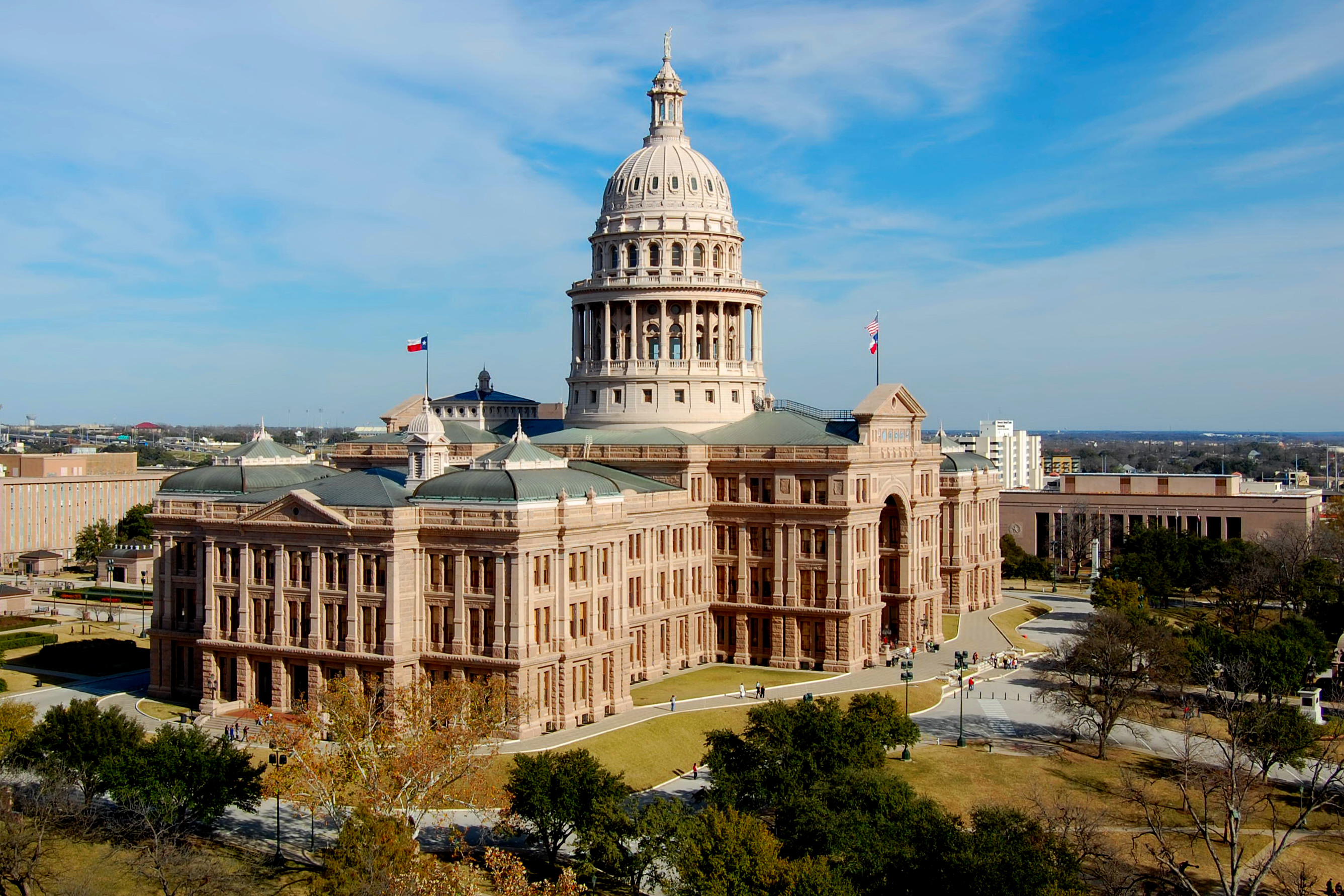
The Texas Capitol is renowned for its impressive height, standing taller than the U.S. Capitol Building itself. Its distinctive dome, crowned by a statue of the Goddess of Liberty, is a prominent feature of the Austin skyline. The exterior is clad in a striking, pink granite quarried from Granite Mountain near Marble Falls, a material that gives the building its unique color and robust character. This choice of local material underscored the state’s commitment to self-sufficiency and its appreciation for the natural resources of Texas.
The interior of the Capitol is equally impressive, featuring grand halls, ornate carvings, and a wealth of artwork. Visitors are often captivated by the intricate murals, historical portraits, and the detailed stonework that adorns its many chambers. The Rotunda, located directly beneath the dome, is a focal point, showcasing portraits of every Texas governor and the iconic “Ten Flags Over Texas” mural, depicting the various nations that have held sovereignty over the state.
Historical Context and Construction
The decision to build a new capitol was made in the 1870s, as the previous one, built in 1853, was deemed inadequate. The construction was funded by the sale of public lands, a testament to the vastness of Texas and its wealth derived from land ownership. The project involved hundreds of laborers, many of whom were immigrants, and it took over six years to complete. The construction process itself was a significant event in Texas history, representing a major investment in the state’s infrastructure and future.
A Seat of Governance and History
Beyond its architectural splendor, the Texas Capitol serves as the operational heart of the Texan government. It houses the chambers of the Texas Legislature, including the Senate and the House of Representatives, as well as the offices of the Governor and other state officials. This makes it a dynamic center of political activity, where laws are debated, shaped, and enacted, influencing the lives of millions of Texans.
The Legislative Process
Witnessing the legislative sessions firsthand offers a unique insight into the democratic process in Texas. Visitors can often observe debates, committee hearings, and the general workings of state government from designated visitor galleries. Understanding the legislative calendar and the types of issues being addressed can provide a deeper appreciation for the responsibilities and challenges faced by elected officials.
Historical Significance of Events
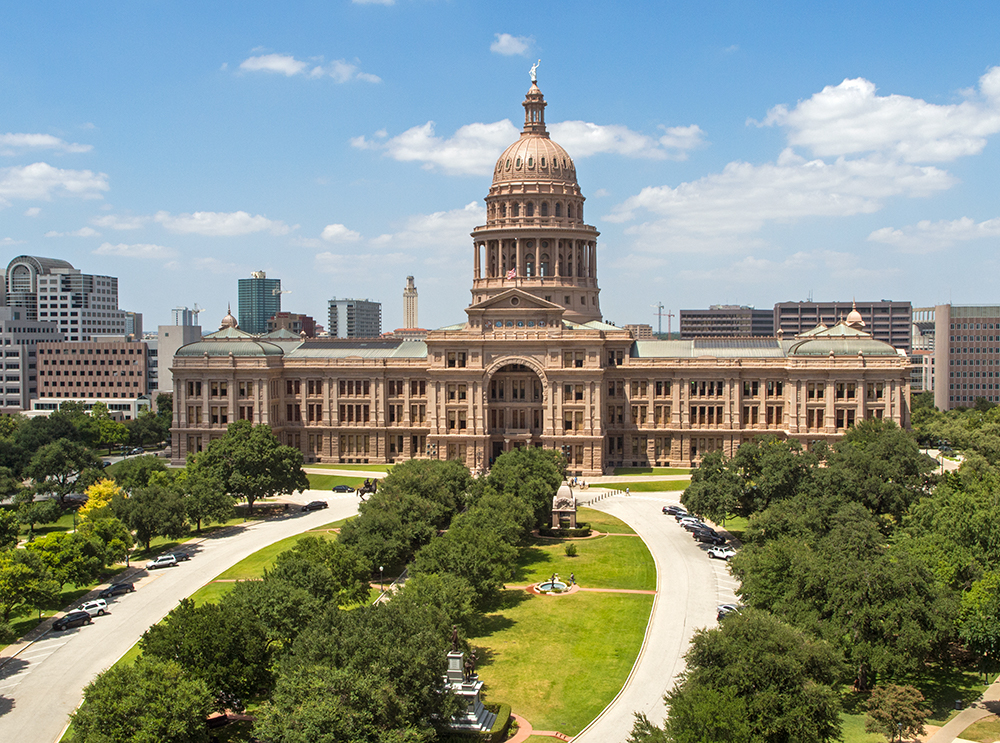
The Texas Capitol has been the backdrop for numerous pivotal moments in Texas history. From significant legislative decisions to public gatherings and protests, the building and its grounds have witnessed the unfolding of the state’s narrative. Walking through its halls is akin to stepping back in time, with each corner potentially holding a story of importance to the Texan identity.
Exploring the Texas Capitol Grounds
The experience of visiting the Texas Capitol extends beyond its interior. The surrounding Capitol Grounds are an integral part of the landmark, offering a tranquil oasis and a space for reflection and further historical discovery. These grounds are meticulously maintained and feature a variety of monuments and gardens that contribute to the overall significance of the site.
Monumentation and Memorials
Scattered across the Capitol Grounds are numerous monuments dedicated to various aspects of Texas history and its people. These include memorials to veterans of different wars, tributes to prominent figures, and markers commemorating significant events. Each monument tells a story, adding layers of meaning to the visitor’s experience. Notable among these are the Texas State Cemetery (though technically separate, its proximity and historical connection are relevant), the Heroes of the Alamo monument, and various other sculptures and memorials that dot the landscape.
The Capitol Gardens and Outdoor Spaces
The Capitol Grounds are beautifully landscaped with a variety of trees, flowers, and open spaces. These areas provide a welcome respite from the bustling city and offer opportunities for leisurely strolls and quiet contemplation. The gardens are designed to be aesthetically pleasing throughout the year, with seasonal blooms adding to their charm. They serve as a public park, enjoyed by locals and tourists alike, making the Texas Capitol a truly accessible and beloved landmark.
Planning Your Visit to the Texas Capitol
A visit to the Texas Capitol is a rewarding experience for anyone interested in history, architecture, or government. To make the most of your trip, it’s helpful to plan ahead. The building is a working government facility, and visitor access is managed to ensure security and operational efficiency.
Tours and Accessibility
The Texas Capitol offers free guided tours, which are highly recommended for gaining a comprehensive understanding of its history and significance. These tours are typically led by knowledgeable docents who can answer questions and highlight key features. Self-guided tours are also an option for those who prefer to explore at their own pace. The building is generally accessible to individuals with disabilities, with provisions made for wheelchair access and other accommodations.
Visitor Information and Tips
When visiting, be prepared for security screening, similar to that at an airport, as the building houses active government offices. Photography is generally permitted within the Capitol and on the grounds, though certain restrictions may apply in specific areas. Comfortable walking shoes are advisable, as there is a significant amount of walking involved, both inside the building and across the extensive grounds.
Nearby Attractions and Accommodations
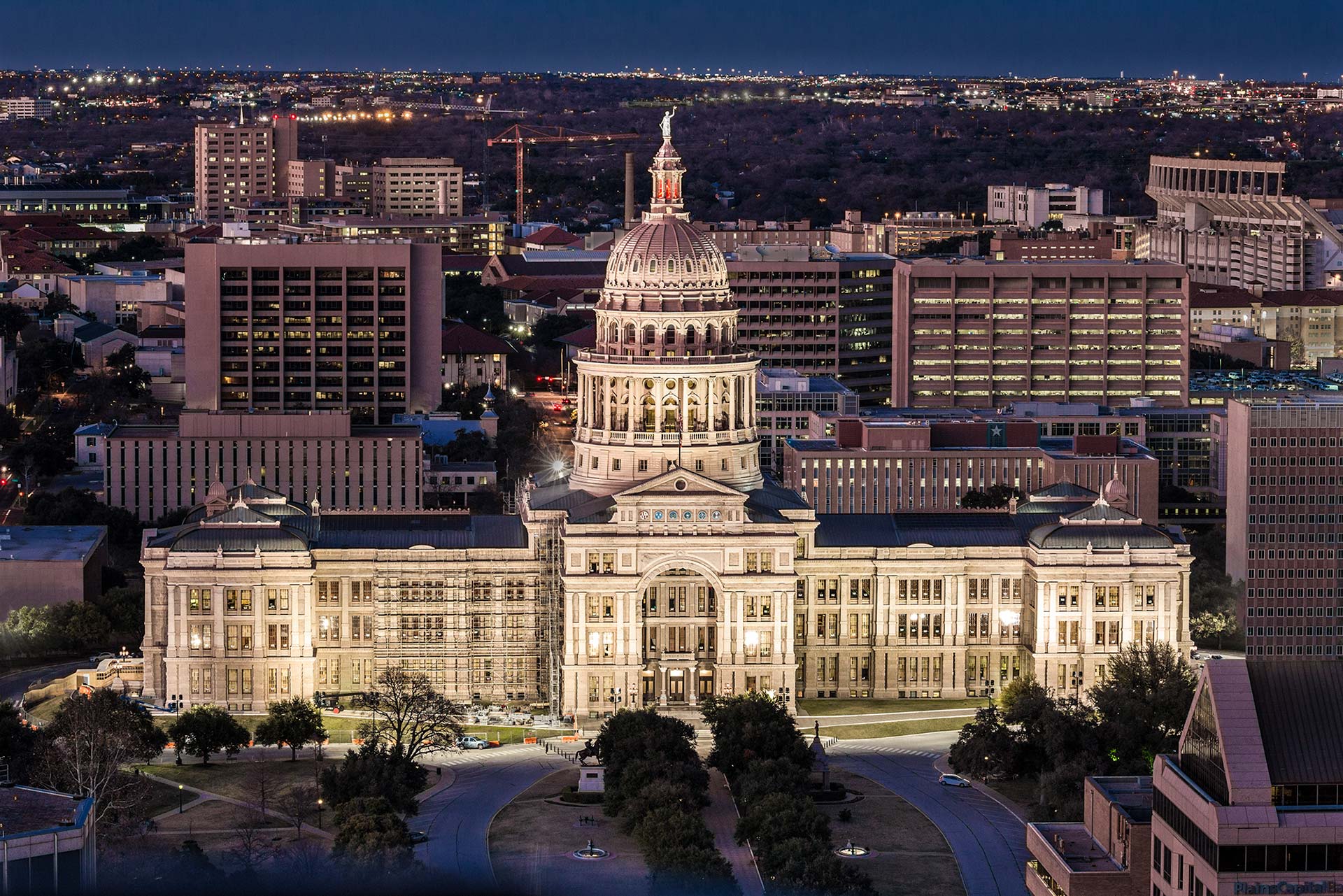
Located in downtown Austin, the Texas Capitol is surrounded by a wealth of other attractions, making it an excellent starting point for exploring the city. Visitors can easily access the Texas State History Museum, the Blanton Museum of Art, and the vibrant entertainment district of Sixth Street. A wide range of hotels and dining options are available in the vicinity, catering to various budgets and preferences, from luxury hotels like the Hotel Ella to more budget-friendly options. This makes the Texas Capitol not just a landmark to be seen, but a central point from which to experience the best of what Austin has to offer.
LifeOutOfTheBox is a participant in the Amazon Services LLC Associates Program, an affiliate advertising program designed to provide a means for sites to earn advertising fees by advertising and linking to Amazon.com. Amazon, the Amazon logo, AmazonSupply, and the AmazonSupply logo are trademarks of Amazon.com, Inc. or its affiliates. As an Amazon Associate we earn affiliate commissions from qualifying purchases.