
Florida, a land synonymous with sun-drenched beaches, vibrant cities, and world-renowned theme parks, presents a diverse tapestry of destinations for the discerning traveler. Yet, amidst the sprawling metropolises and bustling tourist hubs, the concept of a “town” often evokes a particular sense of charm, local character, and a different pace of life. For travelers exploring the Sunshine State, understanding what constitutes a town in Florida goes beyond mere demographics; it’s about uncovering unique experiences, hidden gems, and the authentic pulse of local communities.
Defining a Town in the Sunshine State
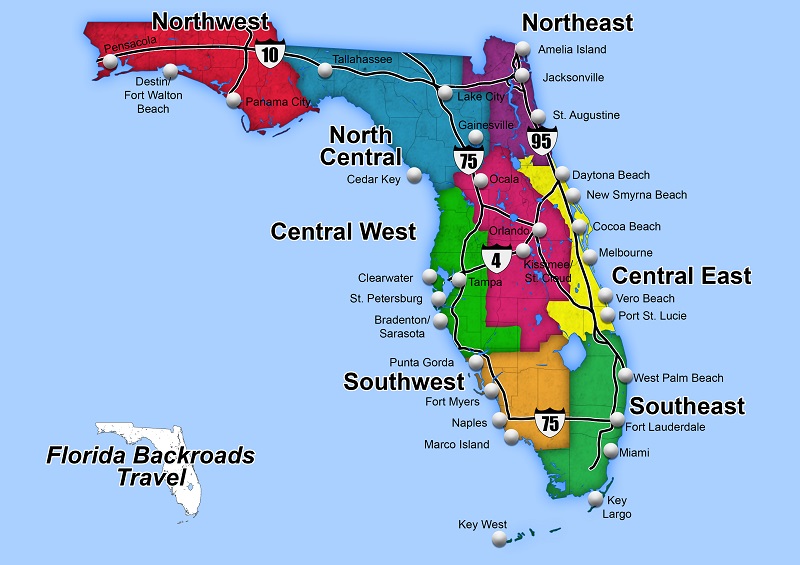
From a legal and administrative standpoint, Florida recognizes several forms of municipal government, including cities, towns, and villages. While there isn’t a strict statewide population threshold that universally distinguishes a “town” from a “city,” the designation often reflects historical context, local preference during incorporation, and the perceived scope of municipal services. Many towns in Florida are characterized by their smaller populations compared to major cities, a more localized governance structure, and a distinct community identity. For the traveler, this often translates into a more intimate, accessible, and often less commercialized experience than what might be found in larger urban centers like Miami or Orlando.
The Nuances of Municipal Status
While cities in Florida typically possess broader powers and responsibilities, towns often focus on maintaining a unique character and providing essential services tailored to their community size. This distinction can profoundly impact the travel experience. A town might emphasize historic preservation, boutique shopping, or localized cultural festivals, whereas a city might prioritize large-scale entertainment venues, convention centers, or extensive public transportation networks. The choice between visiting a Florida city or a town often hinges on the type of atmosphere and activities a traveler seeks. Those desiring a tranquil escape, a deep dive into local history, or an immersion in a tight-knit community might find towns more appealing.
Beyond Population: A Matter of Feel
Crucially, the “town” designation in Florida isn’t solely about population figures. Some municipalities with significant populations still retain “town” in their official name, often due to historical reasons or a deliberate desire to maintain a small-town feel despite growth. Conversely, some smaller communities might choose “city” to project a more urban image. Therefore, relying solely on official titles can be misleading for travelers. It’s more insightful to consider the practical implications: What kind of infrastructure does it have? What is the dominant industry? How dense is the population? What is the prevailing pace of life? These questions offer a clearer picture of what to expect when visiting a Florida town.
The Diverse Charms of Florida’s Towns
Florida’s towns are as varied as its landscapes, each offering a unique flavor of the state’s rich heritage and natural beauty. From ancient colonial outposts to quaint beachside havens and charming inland communities, these towns provide a refreshing alternative to the well-trodden tourist paths.
Historic and Cultural Havens
Many of Florida’s towns are steeped in history, offering a window into the state’s past. St. Augustine, though often referred to as a city due to its significance, exemplifies the historical depth found in smaller, more focused communities. As the nation’s oldest continuously inhabited European-established settlement, its narrow cobblestone streets, colonial architecture, and historic landmarks like the Castillo de San Marcos provide an immersive historical experience. Other towns like Mount Dora, nestled on the shores of Lake Dora in central Florida, captivate with their Victorian-era charm, antique shops, and vibrant arts scene. These destinations invite travelers to slow down, explore museums, browse local art galleries, and enjoy cultural festivals that celebrate their unique heritage.
Coastal Escapes and Beachside Bliss
For those drawn to the sea, Florida boasts numerous coastal towns that offer idyllic beach experiences without the crowds of larger resorts. Places like Anna Maria Island provide a quintessential old-Florida vibe, with pristine white sand beaches, pastel-colored cottages, and strict building codes that prevent high-rise developments. Similarly, towns along the Emerald Coast such as Seaside and Rosemary Beach are renowned for their picturesque New Urbanism architecture, gourmet dining, and family-friendly atmospheres, offering a sophisticated yet relaxed beach vacation. These towns are perfect for travelers seeking water sports, fishing charters, or simply a tranquil spot to enjoy Florida’s renowned sunsets.
Inland Gems and Nature’s Retreats
Beyond the coast, many Florida towns serve as gateways to the state’s stunning natural preserves, springs, and agricultural heartlands. High Springs, for example, is a mecca for cave divers and nature enthusiasts, offering access to numerous crystal-clear springs and rivers perfect for swimming, tubing, and kayaking. In the panhandle, Marianna is known for the Florida Caverns State Park, showcasing impressive limestone formations. These inland towns often emphasize ecotourism, outdoor adventures, and a connection to Florida’s agricultural roots, providing a different perspective on the state’s natural beauty. They offer opportunities for hiking, wildlife viewing, and experiencing authentic local cuisine derived from regional produce.
Planning Your Florida Town Adventure
Choosing a Florida town for your next trip requires considering your interests, desired pace, and the specific experiences you hope to gain. The beauty of Florida’s towns lies in their individuality, ensuring there’s a perfect match for almost any traveler.
Researching the Vibe
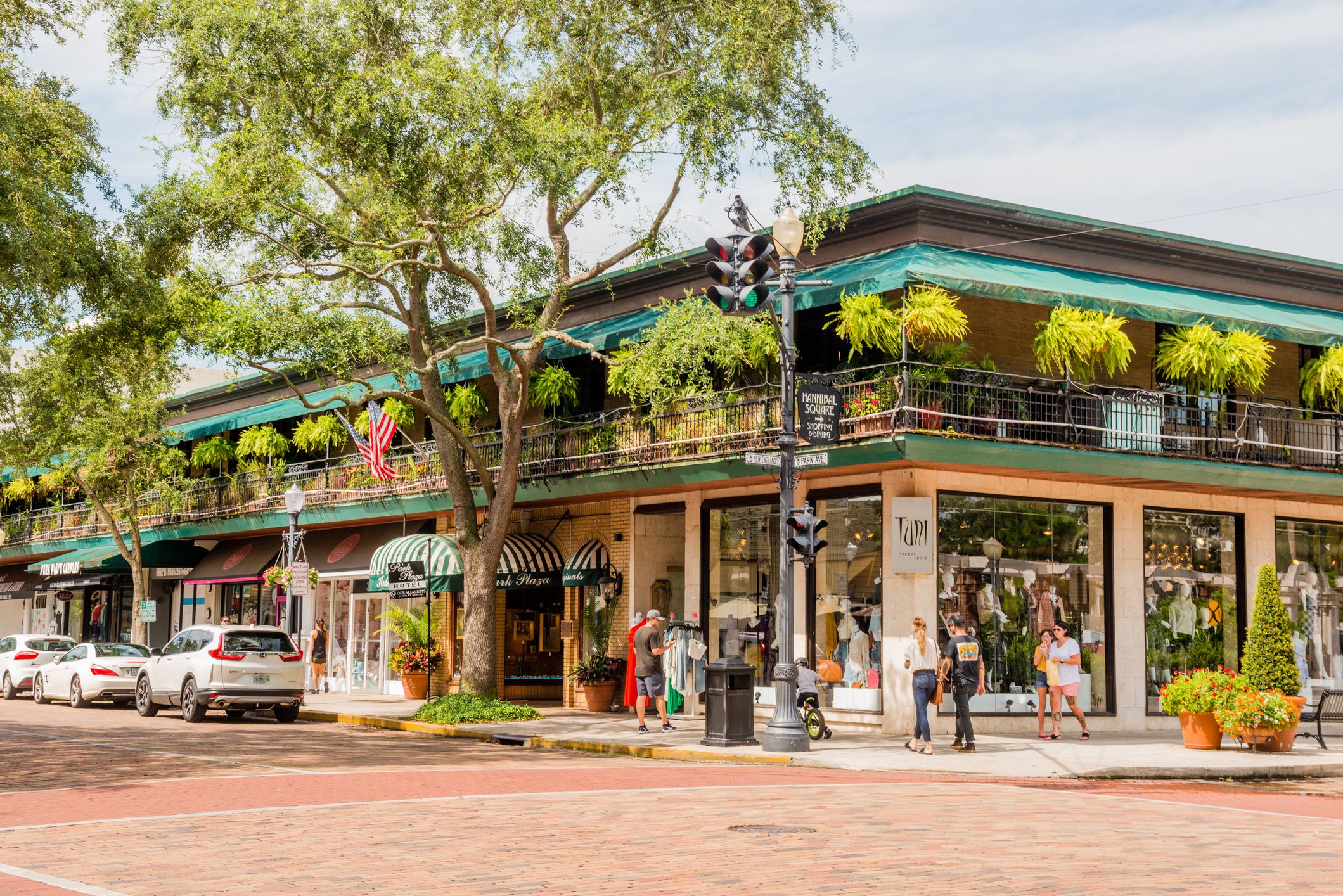
Before settling on a specific town, it’s essential to delve into its unique character. Websites, travel blogs, and local tourism boards provide invaluable insights into the dominant atmosphere. Does the town boast a lively downtown area with independent shops and eateries, or is it more residential and quiet? Are there specific events or festivals that align with your travel dates? For instance, Winter Park, near Orlando, is known for its sophisticated arts scene, upscale boutiques, and charming Park Avenue, while Cedar Key offers a rustic, Old Florida fishing village ambiance. Understanding these nuances helps set expectations and ensures a more fulfilling trip.
Considering Local Activities and Attractions
While major cities might have universally recognized landmarks, Florida towns often feature niche attractions that cater to specific interests. Travelers should investigate the availability of:
- Outdoor Recreation: Kayaking, paddleboarding, fishing, birdwatching, hiking trails.
- Cultural Experiences: Local museums, art galleries, live music venues, theaters.
- Gastronomy: Unique local restaurants, farmers’ markets, craft breweries, wineries.
- Historical Sites: Preserved buildings, historical markers, guided tours.
- Shopping: Boutique stores, antique shops, artisan markets.
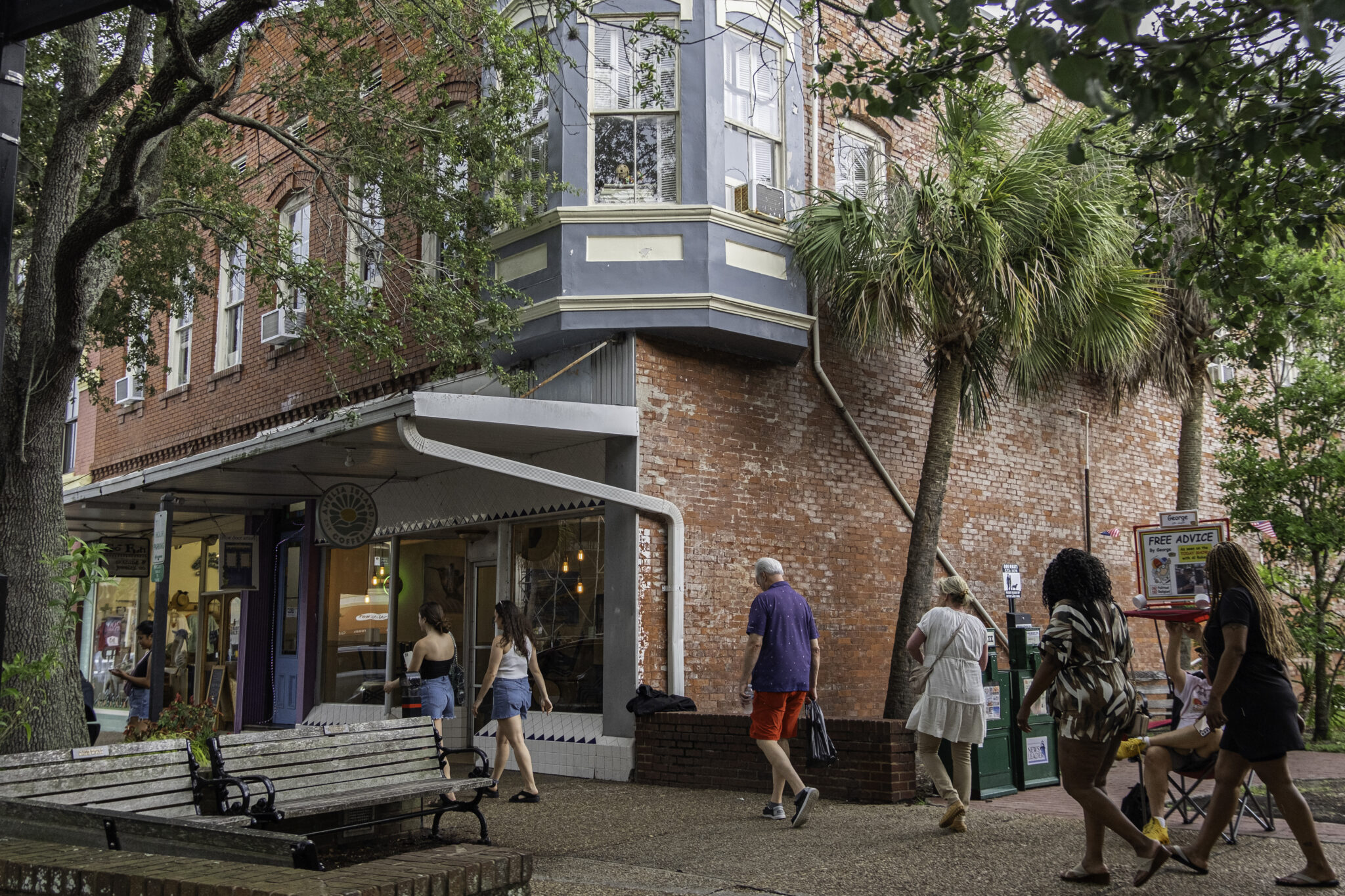
A town like Dunedin on the Gulf Coast is famous for its Scottish heritage and proximity to the Pinellas Trail and Honeymoon Island State Park, perfect for cyclists and nature lovers. Meanwhile, Fernandina Beach on Amelia Island offers historic charm, horseback riding on the beach, and shrimping boat tours.
Accommodation and Dining
The scale of a town often dictates the type of accommodation and dining options available. While you might not find a high-rise Marriott in every Florida town, you’ll likely discover charming bed and breakfasts, independently owned inns, vacation rentals, and boutique hotels that reflect the local character. Dining experiences in towns often lean towards locally sourced ingredients, family-owned restaurants, and traditional Florida cuisine, providing an authentic taste of the region. Embrace the opportunity to dine at a local seafood shack or a diner that has been a community staple for decades.
In essence, a “town” in Florida is more than just a place on a map; it’s an invitation to experience the state’s diverse personality on a more personal and intimate level. By understanding their unique characteristics, travelers can unlock a wealth of authentic experiences, creating memories far beyond the typical tourist attractions.
LifeOutOfTheBox is a participant in the Amazon Services LLC Associates Program, an affiliate advertising program designed to provide a means for sites to earn advertising fees by advertising and linking to Amazon.com. Amazon, the Amazon logo, AmazonSupply, and the AmazonSupply logo are trademarks of Amazon.com, Inc. or its affiliates. As an Amazon Associate we earn affiliate commissions from qualifying purchases.