
Houston, a sprawling metropolis in the heart of Texas, is renowned for its dynamic culture, burgeoning culinary scene, and significant contributions to the space industry. However, like any major urban center, its allure can be significantly influenced by the prevailing weather conditions. Understanding the climate of Houston is crucial for travelers planning a visit, ensuring they pack appropriately and schedule their activities to maximize enjoyment and minimize discomfort. This guide delves into the typical weather patterns of Houston, offering insights to help navigate its atmospheric nuances throughout the year.
Understanding Houston’s Climate: A Subtropical Tapestry
Houston’s climate is characterized as humid subtropical, a designation that hints at its distinct seasons. Visitors can generally expect warm, humid summers and mild winters, with the shoulder seasons of spring and fall offering the most temperate conditions. The city’s geographical location, situated near the Gulf of Mexico, plays a pivotal role in shaping its weather. This proximity contributes to high humidity levels for much of the year, which can make even moderate temperatures feel warmer. Rainfall is distributed fairly evenly throughout the year, although certain periods may experience more concentrated precipitation due to tropical systems or thunderstorms.
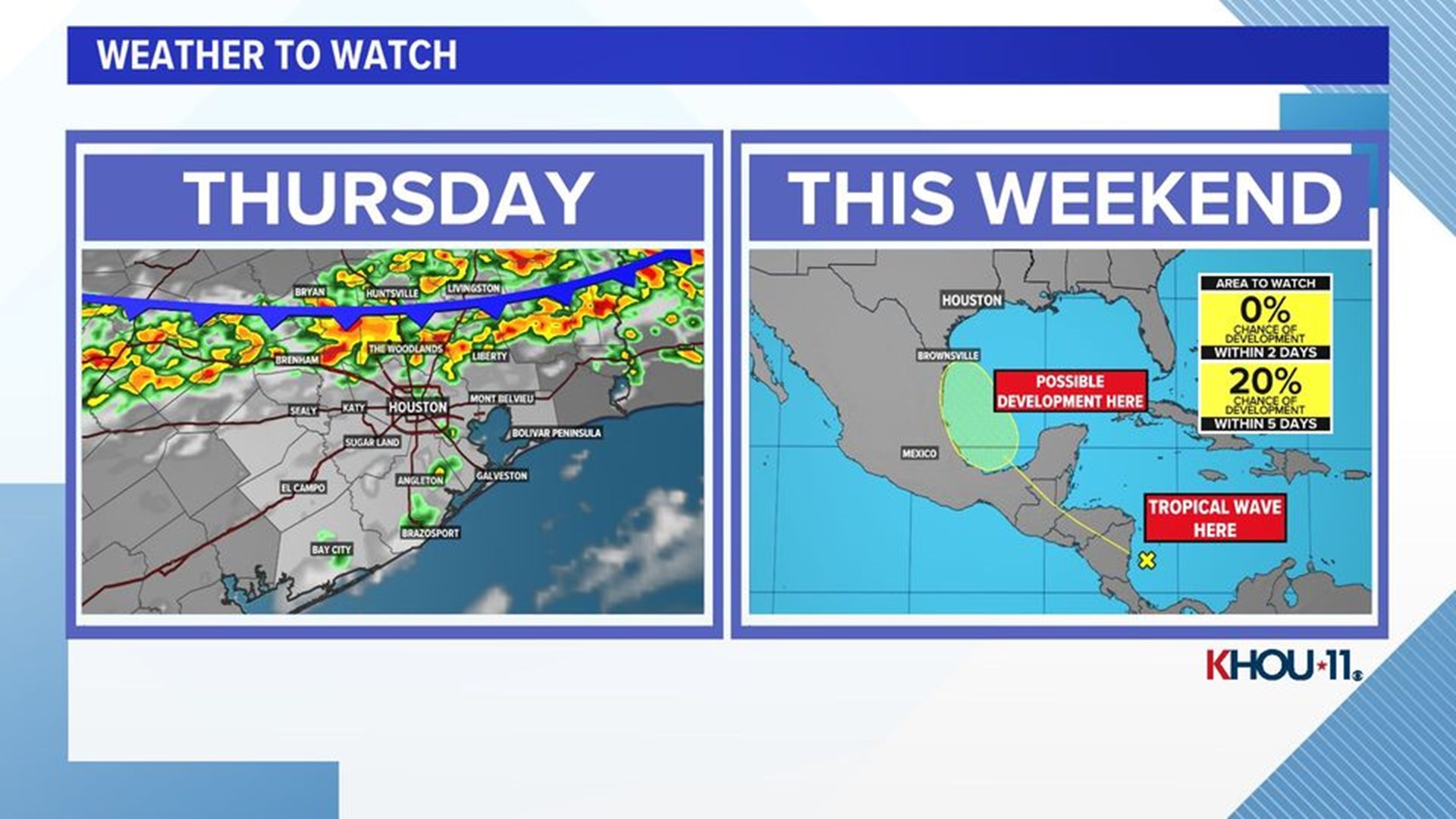
Seasonal Breakdown of Houston Weather
Summer (June – August):
Houston summers are notoriously hot and humid. Daytime temperatures frequently soar into the 90s Fahrenheit (around 32-37°C), often accompanied by oppressive humidity that can push the “feels like” temperature even higher. Thunderstorms are a common occurrence, often providing brief but intense periods of rain and cooling relief, typically in the late afternoon or evening. Outdoor activities during these months require careful planning, with early morning or late evening being the most comfortable times. Staying hydrated and seeking indoor, air-conditioned venues are essential strategies for managing the summer heat.
Autumn (September – November):
As summer heat begins to wane, autumn emerges as a highly pleasant season in Houston. September still carries a touch of summer warmth and humidity, but by October and November, temperatures become more moderate, with averages in the 60s and 70s Fahrenheit (15-25°C). Humidity levels also tend to decrease, making outdoor exploration more enjoyable. This is an ideal time to visit for those looking to experience the city’s numerous parks, outdoor markets, and festivals without the extreme heat. The possibility of hurricanes, while present, generally diminishes as the season progresses, though early autumn can still see tropical activity.
Winter (December – February):
Houston winters are generally mild and pleasant, a stark contrast to the frigid conditions experienced in many other parts of the country. Average temperatures range from the 50s to low 60s Fahrenheit (10-17°C). While snow is a rare phenomenon, frost can occur, and occasional cold fronts can bring temperatures down into the 30s and 40s Fahrenheit (0-9°C). These colder snaps are usually short-lived. Rainfall is still common, but often in the form of lighter, more persistent drizzles rather than heavy downpours. The mild winter weather makes it a popular time for outdoor events and exploring the city’s many attractions.
Spring (March – May):
Spring in Houston is a season of transition, marked by increasingly warm temperatures and the return of humidity. March and April typically offer comfortable conditions, with averages in the 60s and 70s Fahrenheit (15-25°C). However, as May approaches, the heat and humidity begin to build, signaling the onset of summer. Spring is also a period when severe weather, including thunderstorms and potential tornadoes, can occur due to the clash of warm, moist air from the Gulf and cooler air masses from the north. Despite these possibilities, spring is a beautiful time to visit, with blooming flowers and a vibrant atmosphere throughout the city.
Planning Your Visit: Weather-Wise Travel Tips for Houston
Navigating Houston’s weather effectively can significantly enhance your travel experience. Whether you’re planning to explore the Museum District, catch a game at Minute Maid Park, or visit the Space Center Houston, understanding the weather forecast is paramount.
Packing Essentials for Houston’s Climate
Your packing list should adapt to the season of your visit.
- Summer: Lightweight, breathable clothing is a must. Think cotton t-shirts, shorts, and sundresses. A wide-brimmed hat, sunglasses, and high-SPF sunscreen are essential for sun protection. An umbrella or light rain jacket is advisable for afternoon showers. Comfortable walking shoes are crucial, as you’ll likely be doing a lot of exploring.
- Autumn & Spring: Layers are key. You might experience warm, sunny days and cooler evenings. Pack a mix of short-sleeved and long-sleeved shirts, a light sweater or jacket, and comfortable trousers or jeans. Closed-toe shoes are generally recommended.
- Winter: While mild, it’s wise to pack a light to medium-weight jacket or coat, a few sweaters, and long pants. A scarf and gloves might be useful for the occasional colder day. Comfortable walking shoes remain a staple.
Regardless of the season, always check the Houston weather forecast before you depart and adjust your packing accordingly. It’s also a good idea to pack a small, reusable water bottle to stay hydrated, especially during warmer months.
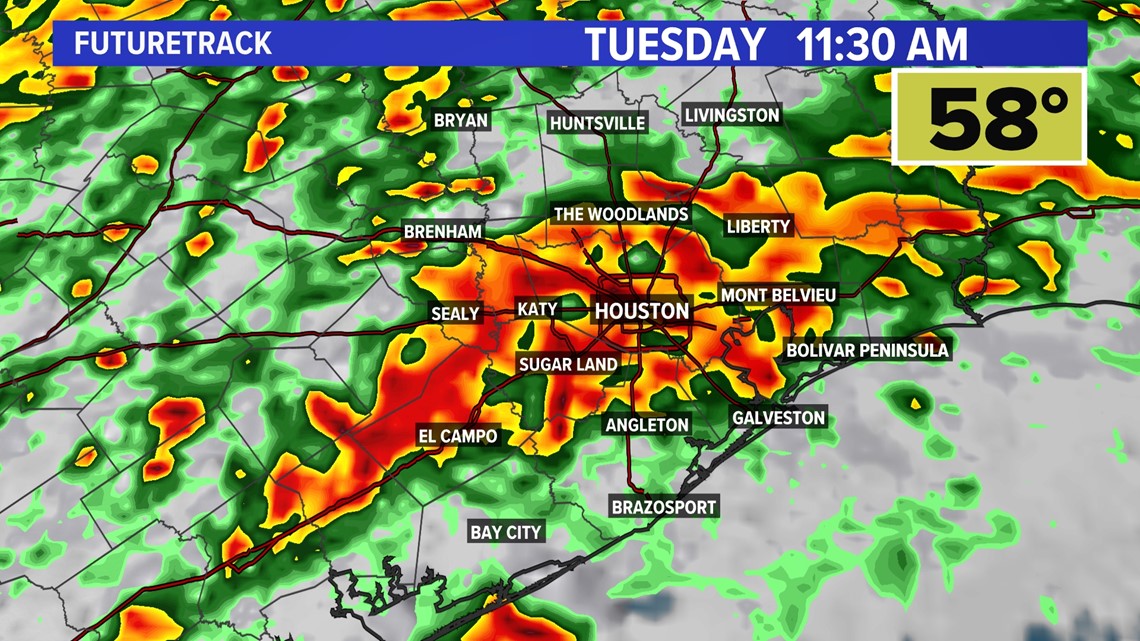
Houston’s Weather Impact on Activities and Attractions
The weather in Houston plays a significant role in how one can best enjoy the city’s diverse offerings.
Outdoor Adventures and Weather Considerations
For those keen on exploring Houston’s extensive park system, such as Buffalo Bayou Park or Hermann Park, the ideal times are during the milder spring and fall months. Summer can make prolonged outdoor activities challenging, but early mornings offer a window of opportunity for biking, jogging, or simply enjoying a stroll. The city’s extensive network of trails and green spaces provides ample opportunities for recreation, but always be mindful of the heat and humidity.
Indoor Havens: Escaping the Elements
Houston boasts a wealth of indoor attractions that offer a welcome respite from inclement weather, be it intense heat, heavy rain, or chilly winds. The Museum District is a prime example, housing world-class institutions like the Museum of Fine Arts, Houston and the Children’s Museum Houston. For space enthusiasts, the Space Center Houston provides an immersive indoor experience. The city also offers a vibrant performing arts scene, with venues like the Jones Hall for the Performing Arts hosting the Houston Symphony and the Houston Grand Opera.
Culinary Exploration and Weather
Houston’s celebrated culinary landscape is accessible year-round, though certain dining experiences might be more enjoyable in specific weather conditions. Outdoor patios and rooftop bars are particularly inviting during the pleasant spring and fall evenings. However, the city’s diverse restaurant scene, from its famed Tex-Mex and barbecue to its innovative international cuisine, provides countless indoor options that are perfect for escaping any weather extremes.
Special Weather Considerations: Hurricane Season and Severe Storms
While Houston offers a generally pleasant climate, it is important for visitors to be aware of potential severe weather events, particularly during the Atlantic hurricane season.
Navigating Hurricane Season (June 1 – November 30)
The proximity to the Gulf of Mexico makes Houston susceptible to tropical storms and hurricanes. While major direct hits are not an annual occurrence, the possibility exists. Travelers visiting during these months should stay informed about weather forecasts and tropical storm advisories. Major hotels and airlines typically have protocols in place for such events, but it is always wise to have travel insurance and a flexible itinerary. Understanding evacuation routes and emergency preparedness information for Harris County can also be beneficial for longer stays.
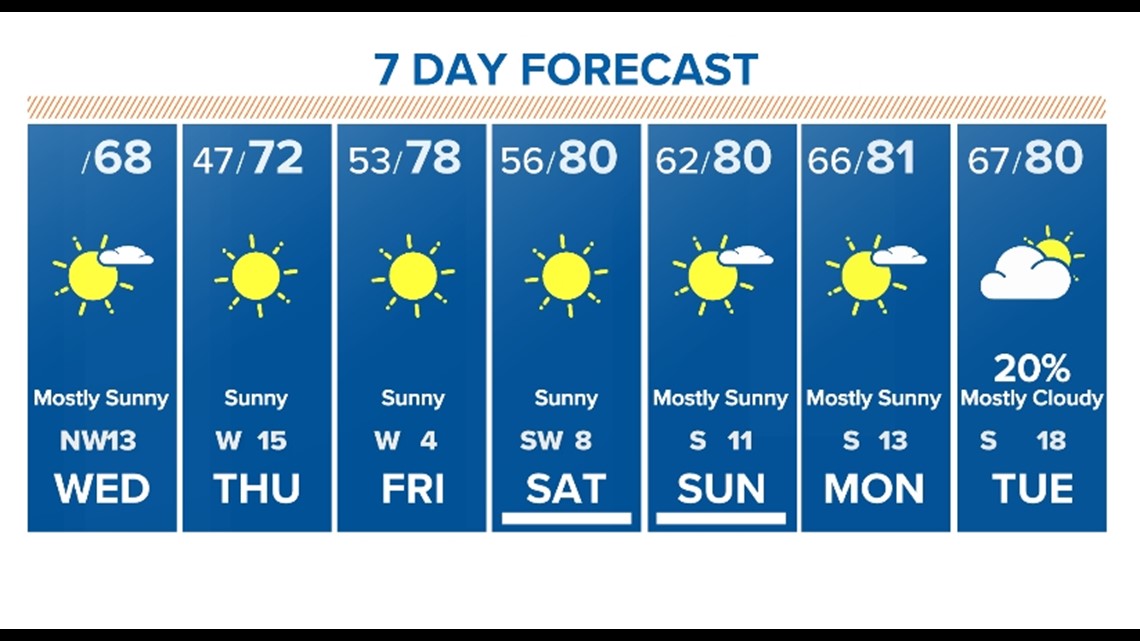
Thunderstorms and Tornadoes
Beyond hurricanes, Houston experiences frequent thunderstorms, especially during the spring and summer. These can be intense, bringing heavy rain, lightning, and strong winds. Tornadoes, while less common, are a possibility during severe storm outbreaks. Visitors should familiarize themselves with local weather alerts and understand what to do in the event of a severe thunderstorm or tornado warning. Many hotels and public buildings are equipped with designated safe areas.
By considering these weather patterns and preparing accordingly, travelers can ensure a comfortable and memorable experience in Houston, Texas. The city’s dynamic nature, coupled with its often agreeable climate, makes it a compelling destination for a wide range of interests.
LifeOutOfTheBox is a participant in the Amazon Services LLC Associates Program, an affiliate advertising program designed to provide a means for sites to earn advertising fees by advertising and linking to Amazon.com. Amazon, the Amazon logo, AmazonSupply, and the AmazonSupply logo are trademarks of Amazon.com, Inc. or its affiliates. As an Amazon Associate we earn affiliate commissions from qualifying purchases.