
The allure of Prescott, Arizona lies in its captivating blend of natural beauty, rich history, and a vibrant town square that echoes a bygone era. Nestled in the heart of the Yavapai County “Mile-High City,” Prescott offers a unique climate that draws visitors year-round. Understanding the temperature is key to planning an unforgettable trip, whether you’re seeking outdoor adventures under a brilliant Arizona sun or cozy evenings by a crackling fire. This guide delves into the meteorological nuances of Prescott, providing insights into what to expect throughout the seasons and how it influences the local experience.

Understanding Prescott’s Climate Profile
Prescott’s climate is characterized by its high elevation, sitting at approximately 5,367 feet (1,636 meters) above sea level. This altitude significantly moderates the temperatures, offering a welcome respite from the desert heat found in lower-lying Arizona cities like Phoenix. Instead, Prescott enjoys a semi-arid climate with distinct seasons, each bringing its own charm and set of weather patterns. The average annual temperature hovers around 53°F (11.7°C), but this figure belies the considerable diurnal and seasonal variations that make Prescott so appealing.
The area receives ample sunshine throughout the year, with an average of over 270 sunny days annually. However, the higher elevation also means that precipitation, often in the form of snow during winter months, is more common than in the Sonoran Desert. The transition seasons, spring and fall, are particularly pleasant, boasting mild temperatures and clear skies, making them ideal for exploring the many outdoor attractions.
Seasonal Temperature Trends
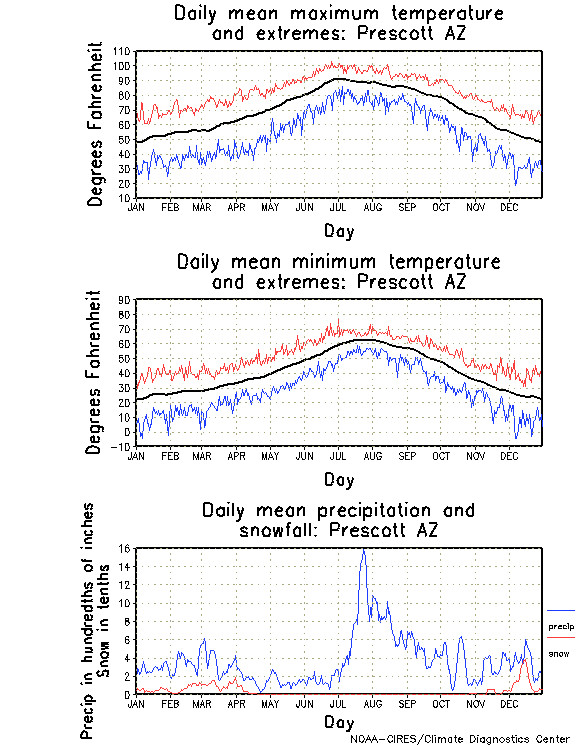
Spring (March – May): Spring in Prescott is a period of gentle warming and vibrant renewal. March can still bring lingering winter chill, with average high temperatures in the low 60s°F (15-17°C) and lows in the upper 30s to low 40s°F (3-6°C). As April and May arrive, temperatures steadily climb. Average highs in April are in the mid-60s°F (18-20°C), while May sees averages in the low to mid-70s°F (22-24°C). Nights remain cool, often dropping into the 40s and 50s°F (4-15°C). This is a fantastic time for hiking and enjoying the blooming wildflowers around Watson Lake and Lynx Lake. Spring can also bring occasional rain showers, which help to green up the landscape.
Summer (June – August): While many associate Arizona with scorching heat, Prescott offers a much more comfortable summer experience. Daytime temperatures typically range from the high 70s to the low 90s°F (26-33°C), with average highs in July and August around the mid-80s°F (29-32°C). Overnight lows are usually in the 50s and 60s°F (10-20°C), providing relief from the daytime sun. The monsoon season, which usually runs from July to September, can bring dramatic afternoon thunderstorms, characterized by impressive lightning displays and sudden downpours, often followed by cooler, fresher air. These storms can also bring humidity, which is a noticeable shift from the dry air of other seasons.
Fall (September – November): Autumn is arguably the jewel in Prescott’s climatic crown. The transition from summer to winter is marked by exceptionally pleasant weather. September still carries the warmth of summer, with average highs in the low 80s°F (27-28°C), but gradually cools. By October, average highs are in the mid-70s°F (22-24°C), and November sees temperatures settling into the 60s°F (15-20°C). The nights become crisper, with lows in the 30s and 40s°F (0-10°C), perfect for enjoying the vibrant fall foliage that graces the surrounding Ponderosa Pine forests. This season is ideal for exploring the historic Whiskey Row and enjoying outdoor cafes.
Winter (December – February): Prescott’s winters are mild compared to many mountainous regions, but they bring a distinct seasonal change. Average daytime temperatures are in the 50s°F (10-15°C), with highs often reaching into the 60s°F (15-20°C) on sunny days. However, the nights are cold, with average lows frequently dipping below freezing, into the 20s and low 30s°F (-6 to 1°C). Snowfall is common, typically occurring in several events throughout the season, blanketing the landscape in a picturesque layer of white. While significant accumulations are rare, it’s not uncommon to see a few inches, transforming the town into a winter wonderland. This is a time for cozying up, enjoying holiday lights in the downtown square, and potentially engaging in winter sports if higher elevations nearby receive more snow.
Planning Your Visit Based on Temperature
The temperature in Prescott, Arizona plays a crucial role in shaping the visitor experience. Understanding these patterns allows for optimal planning to make the most of your trip, whether you’re focused on outdoor adventures, historical exploration, or simply soaking in the local ambiance.
Outdoor Activities and Temperature
For hikers, cyclists, and nature enthusiasts, the spring and fall seasons are unparalleled. The mild temperatures, typically between 60°F and 75°F (15°C and 24°C), make strenuous activity enjoyable without the risk of overheating. Trails around Thumb Butte and within the Prescott National Forest are most accessible and pleasant during these months.
Summer offers opportunities for early morning or late afternoon activities to avoid the peak heat. Water-based activities on Watson Lake or Lynx Lake provide a refreshing escape. The monsoon storms, while dramatic, often bring temporary cooling relief and can create stunning photographic opportunities.
Winter, with its crisp air and occasional snow, transforms the landscape into a serene environment. While hiking might require warmer gear, the clear, sunny days can still be invigorating. The snow can offer opportunities for snowshoeing or simply enjoying the quiet beauty of the Ponderosa Pines.
Historic Exploration and Local Culture
Prescott’s rich history, embodied by its well-preserved Victorian architecture and the legendary Whiskey Row, is best appreciated at a leisurely pace. The mild temperatures of spring and fall are ideal for strolling through the historic downtown, popping into the unique shops, and visiting the Sharlot Hall Museum or the Phippen Museum.
During the summer, the heat might encourage more indoor exploration during the midday hours, such as visiting the numerous art galleries or enjoying a leisurely lunch at one of the many excellent restaurants. The evenings, however, remain pleasantly cool, making dining al fresco or enjoying live music on the courthouse plaza a delightful option.

Winter provides a cozy atmosphere for exploring the indoor historical sites and enjoying the festive holiday decorations that often adorn the downtown area. The cooler temperatures encourage visitors to seek out warm cafes and saloons, adding to the charm of the season.
What to Pack: Dressing for Prescott’s Weather
Packing for a trip to Prescott, Arizona requires a thoughtful approach, considering the significant temperature fluctuations that can occur even within a single day, especially at its high elevation. Layering is the key to comfort, regardless of the season.
Spring and Fall Wardrobe Essentials
During the spring and fall, be prepared for a range of temperatures. Mornings and evenings can be cool, sometimes even chilly, while afternoons can be quite pleasant.
- Layers: Pack light to medium-weight layers, including t-shirts, long-sleeved shirts, sweaters, and a fleece jacket or a light to medium-weight coat.
- Bottoms: Jeans or comfortable hiking pants are suitable.
- Footwear: Comfortable walking shoes or hiking boots are essential, especially if you plan to explore the numerous trails.
- Outerwear: A windbreaker or a waterproof jacket is advisable, as spring can bring rain showers and fall evenings can be brisk.
- Accessories: A light scarf and a hat can provide extra warmth on cooler days.
Summer Packing Tips
Summers in Prescott are warm but generally not extreme. The focus should be on staying cool and protected from the sun.
- Lightweight Clothing: Pack breathable fabrics like cotton and linen. T-shirts, shorts, and light dresses are ideal.
- Sun Protection: A wide-brimmed hat, sunglasses, and high SPF sunscreen are crucial.
- Rain Gear: While not constant, summer monsoon storms can be intense. A light, packable rain jacket or umbrella is a good idea.
- Swimsuit: If you plan to visit the lakes, don’t forget your swimwear.
- Evening Wear: Evenings can cool down considerably, so a light jacket or sweater is recommended.
Winter Weather Preparation
Winters in Prescott are cool to cold, especially at night, and snow is a possibility.
- Warm Layers: Pack thermal base layers, sweaters, and fleece.
- Insulated Coat: A warm, insulated winter coat is essential.
- Waterproof Outerwear: If snow is expected, waterproof and windproof outer layers are highly recommended.
- Warm Bottoms: Consider warmer pants or insulated leggings.
- Winter Accessories: A warm hat, gloves or mittens, and a scarf are crucial for staying comfortable.
- Waterproof Boots: Sturdy, waterproof boots are important for walking in snow or on potentially icy surfaces.
Regardless of the season, comfortable walking shoes are a must for exploring the historic downtown and surrounding natural areas. Always check the local Prescott weather forecast closer to your travel dates for the most up-to-date information.
Beyond the Temperature: Experiencing Prescott’s Charm
While knowing the temperature in Prescott, Arizona is a practical necessity for planning, it only scratches the surface of what makes this city a remarkable destination. The interplay of its climate with its geography, history, and culture creates a unique and inviting atmosphere that can be enjoyed throughout the year.
The High-Altitude Advantage
The defining characteristic of Prescott’s climate is its elevation. This altitude not only moderates summer heat but also contributes to the crispness of the air, the clarity of the night sky, and the distinct beauty of the changing seasons. The surrounding Ponderosa Pine forests thrive in this environment, offering breathtaking scenery and recreational opportunities.
Seasonal Events and Activities
Each season in Prescott is punctuated by unique events and activities that are intrinsically linked to the prevailing weather.
- Spring: Wildflower festivals, outdoor art shows, and the start of the hiking and biking season.
- Summer: Outdoor concerts on the courthouse plaza, Fourth of July celebrations, and water sports on the lakes.
- Fall: The spectacular fall foliage drives, harvest festivals, and the popular World’s Oldest Rodeo in July, though its timing is a historical anomaly. The cooler weather also makes it ideal for attending events like the annual Prescott Film Festival.
- Winter: Holiday celebrations, the Christmas parade, and the possibility of enjoying a snowy landscape, making it a cozy retreat.
Culinary and Cultural Delights
The temperature also influences the local culinary scene and cultural experiences. In warmer months, you’ll find patios bustling with diners enjoying refreshing salads and cold beverages. As the temperatures drop, the focus shifts to hearty, comforting dishes and cozy indoor dining experiences. The local craft breweries and saloons along Whiskey Row are popular year-round, offering warmth and camaraderie.
Ultimately, the temperature in Prescott, Arizona is not just a statistic; it’s an integral part of the city’s identity and a key element in crafting your perfect visit. Whether you’re drawn by the mild summers, the crisp autumn air, the sunny winter days, or the gentle warmth of spring, Prescott offers a welcoming climate for every kind of traveler.
LifeOutOfTheBox is a participant in the Amazon Services LLC Associates Program, an affiliate advertising program designed to provide a means for sites to earn advertising fees by advertising and linking to Amazon.com. Amazon, the Amazon logo, AmazonSupply, and the AmazonSupply logo are trademarks of Amazon.com, Inc. or its affiliates. As an Amazon Associate we earn affiliate commissions from qualifying purchases.