
Texas, a state renowned for its vast landscapes, rich history, and vibrant culture, also experiences a diverse range of natural disasters. Understanding these phenomena is crucial for anyone planning a visit, considering a relocation, or simply seeking to appreciate the resilience of the Lone Star State and its inhabitants. The sheer size and varied geography of Texas contribute to the spectrum of environmental challenges it faces, from the coastal plains to the arid west.
Coastal Hazards: Hurricanes and Tropical Storms
The extensive coastline of Texas, stretching along the Gulf of Mexico, makes it particularly susceptible to tropical cyclones. These powerful weather systems, which include hurricanes and tropical storms, can bring devastating winds, torrential rainfall, and dangerous storm surges.
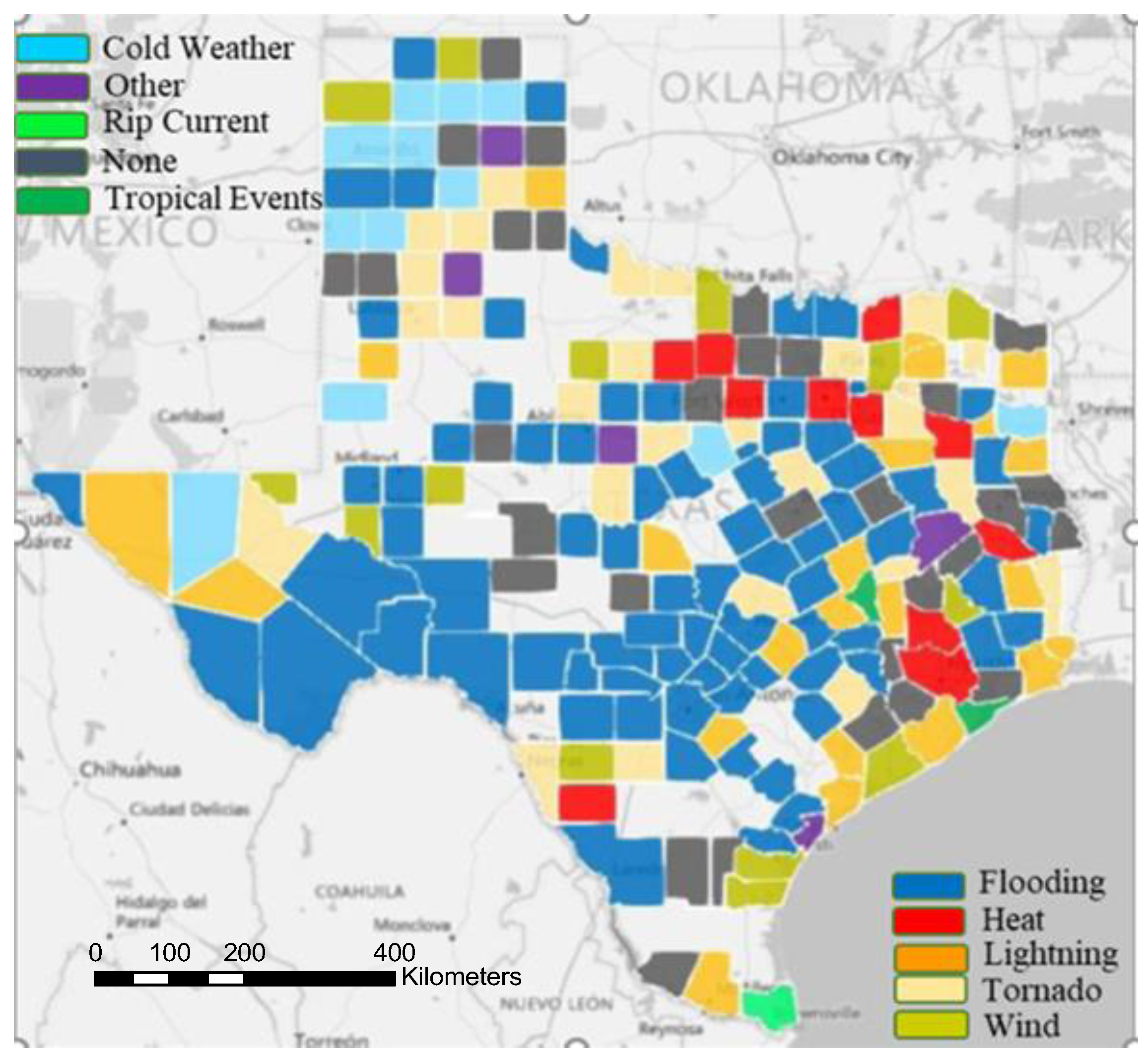
Hurricane Season and Impact
The official hurricane season for the Atlantic basin, which includes the Gulf of Mexico, runs from June 1st to November 30th each year. While storms can occur outside these dates, the peak activity typically falls between August and October. Texas has a history of significant hurricane landfalls, with notable events shaping coastal communities and impacting tourism and infrastructure.
- Storm Surge: This is often the most destructive element of a hurricane. As a storm approaches the shore, it pushes a large volume of ocean water inland, causing severe flooding in low-lying coastal areas. Cities like Galveston, Corpus Christi, and Brownsville are particularly vulnerable to storm surge.
- High Winds: Hurricane-force winds (74 mph or higher) can cause widespread damage to buildings, uproot trees, and bring down power lines, leading to extended power outages.
- Heavy Rainfall: Even storms that don’t make direct landfall can bring significant rainfall to inland areas, causing widespread flooding, especially when combined with saturated ground conditions from previous weather events. This can impact regions far from the coast, including major inland cities like Houston and San Antonio.
While a hurricane can disrupt travel plans and necessitate temporary closures of attractions and accommodations, preparedness and robust infrastructure often allow for swift recovery. Many coastal resorts and hotels in areas like South Padre Island have implemented advanced safety protocols and are designed to withstand severe weather.
Inland Threats: Severe Thunderstorms, Tornadoes, and Hail
Moving inland, Texas is a hotbed for severe thunderstorms, which can spawn tornadoes and produce large hailstones. The state’s diverse topography and collision of air masses create ideal conditions for these intense weather events.
The Tornado Alley Connection
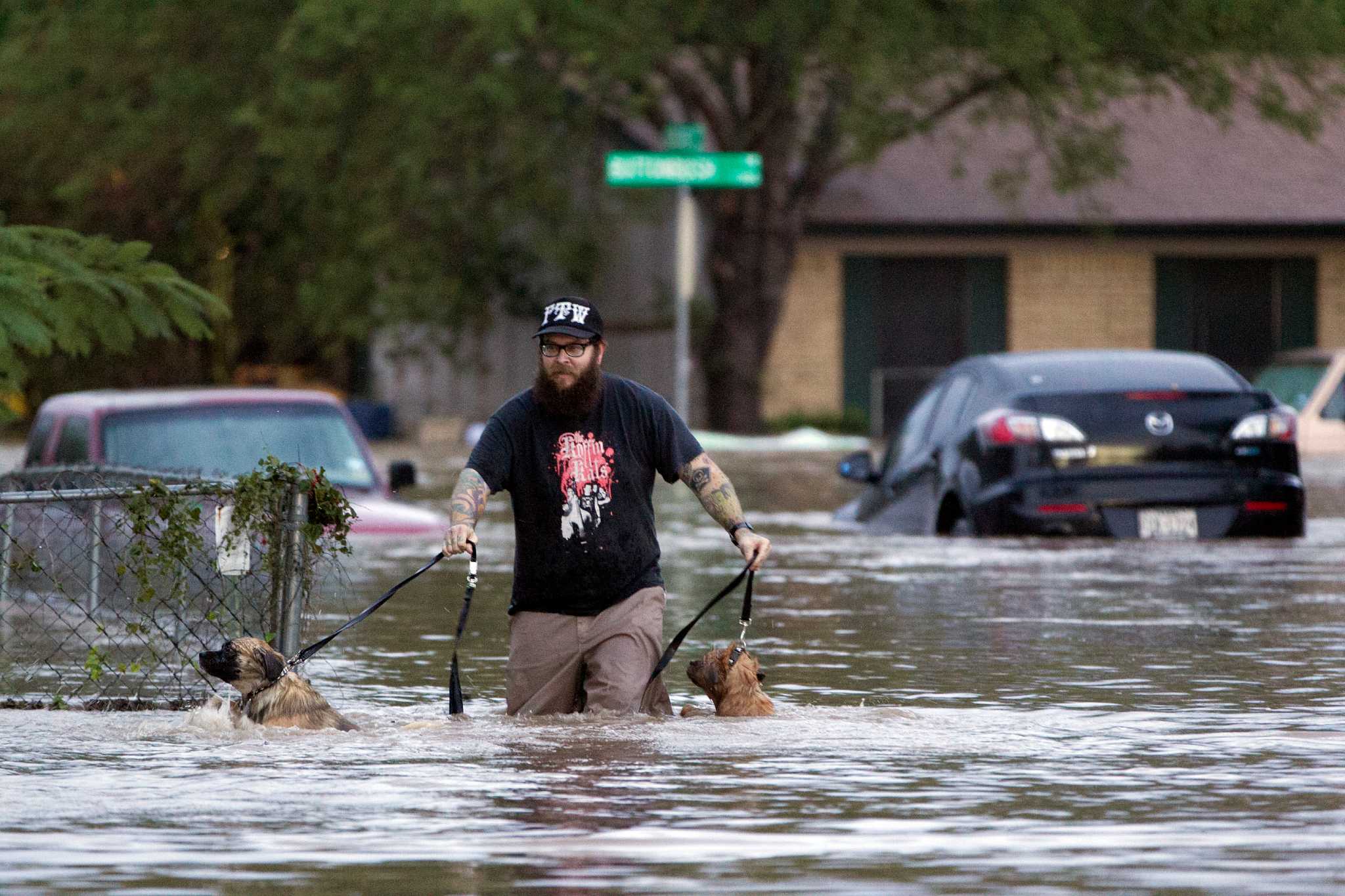
While the term “Tornado Alley” is often associated with states further north, the southern plains of Texas, particularly the North Texas region, experience a significant number of tornadoes. These powerful rotating columns of air can form rapidly and cause catastrophic damage along their paths.
- Tornado Formation: Tornadoes typically form within supercell thunderstorms, characterized by strong updrafts and a rotating mesocyclone. The clash of warm, moist air from the Gulf of Mexico with cooler, drier air from the north and west provides the necessary atmospheric instability.
- Impact on Communities: Tornadoes can devastate neighborhoods, businesses, and agricultural areas. Their unpredictable paths make it challenging to predict and prepare for specific impacts, though early warning systems are increasingly sophisticated. Major metropolitan areas like Dallas-Fort Worth have experienced destructive tornadoes.
- Hailstorms: Alongside tornadoes, severe thunderstorms frequently produce large hailstones, which can range in size from peas to softballs. These can cause significant damage to vehicles, roofs, and agricultural crops, impacting tourism by potentially damaging outdoor attractions and affecting the aesthetic appeal of destinations.
Travelers should always stay informed about weather alerts when visiting Texas during the spring and summer months, which are peak seasons for these types of storms.
Arid Regions and Western Challenges: Drought and Wildfires
In contrast to the moisture-laden coastal areas, West Texas and the Panhandle are characterized by arid and semi-arid climates, making them prone to drought and the subsequent risk of wildfires.
Drought Conditions
Prolonged periods of below-average rainfall can lead to severe drought across large swaths of the state. This impacts everything from agriculture and water resources to the overall landscape.
- Water Scarcity: Droughts can strain municipal water supplies, leading to restrictions and impacting outdoor activities that rely on water, such as boating or fishing in lakes and reservoirs.
- Ecological Impact: Reduced water availability stresses native vegetation, making it more susceptible to disease and insect infestations, and can affect wildlife populations.
- Economic Repercussions: The agricultural sector, a significant part of the Texas economy, is heavily reliant on adequate rainfall, and drought conditions can lead to substantial economic losses.
Wildfire Risk
Dry conditions, coupled with high winds, create a heightened risk of wildfires, particularly in the western and central parts of the state. These fires can spread rapidly, threatening rural communities, ranches, and natural landscapes.
- Fuel Load: Drought conditions dry out vegetation, making it highly flammable. This increased fuel load, combined with strong winds, can cause fires to grow explosively.
- Impact on Nature Preserves and Parks: Popular natural attractions like Big Bend National Park and state parks can be significantly impacted by wildfires, leading to closures and affecting the visitor experience.
- Air Quality: Wildfires produce smoke that can travel long distances, leading to poor air quality in affected regions and even impacting distant metropolitan areas, which can be a concern for outdoor activities and overall comfort for visitors.
Despite these challenges, Texans are known for their adaptability and strong community spirit in the face of natural adversity. Understanding these potential hazards is a key part of appreciating the dynamic and resilient nature of this extraordinary state.
LifeOutOfTheBox is a participant in the Amazon Services LLC Associates Program, an affiliate advertising program designed to provide a means for sites to earn advertising fees by advertising and linking to Amazon.com. Amazon, the Amazon logo, AmazonSupply, and the AmazonSupply logo are trademarks of Amazon.com, Inc. or its affiliates. As an Amazon Associate we earn affiliate commissions from qualifying purchases.