
California, the Golden State, offers an unparalleled diversity of fishing experiences, from the vast stretches of the Pacific Ocean to the pristine alpine lakes of the Sierra Nevada and the meandering rivers like the Sacramento River and Colorado River. For tourists looking to cast a line and experience the thrill of the catch, understanding the local regulations, particularly concerning fishing licenses, is paramount. Before embarking on your angling adventure in this beautiful state, one of the most common questions that arises is: at what age do you actually need a fishing license? The answer is specific and crucial for ensuring a legal and enjoyable trip.
Understanding California’s Fishing License Requirements
Fishing licenses in California are not just a bureaucratic formality; they are a fundamental component of the state’s conservation efforts. The funds generated from license sales directly support the management of fish populations, habitat restoration, scientific research, and enforcement of fishing regulations by the California Department of Fish and Wildlife (CDFW). Therefore, purchasing a license contributes directly to preserving the rich aquatic ecosystems that draw anglers from around the globe.
In general, most individuals engaging in sport fishing in California are required to possess a valid fishing license. This applies whether you are fishing in freshwater, saltwater, or from a public pier or jetty. However, there are specific age-based exemptions that are particularly relevant for families traveling with children or for senior citizens planning a trip.
The Age Threshold for a California Fishing License
The primary age threshold for needing a fishing license in California is 16 years old. This means that:
- Individuals 16 years of age or older are required to purchase and possess a valid California sport fishing license to fish in any waters of the state, including the ocean, bays, rivers, lakes, and reservoirs. This applies to both residents and non-residents.
- Children under 16 years of age are exempt from the fishing license requirement. They can fish without a license, making it an excellent activity for families and encouraging young people to engage with nature. This exemption is a wonderful opportunity for tourists to introduce their children to fishing without the added step of securing a license for them.
It is important to note that while children under 16 do not need a license, they are still subject to all other fishing regulations, including bag limits, size limits, and gear restrictions. The adult supervising them should be familiar with these rules to ensure compliance.
Exemptions and Special Circumstances
While the 16-year-old rule covers the vast majority of situations, California also has a few other specific exemptions and considerations that anglers should be aware of, especially if they are visiting from out of state or planning a unique fishing experience.
Fishing from a Public Pier or Jetty
One popular exemption that often surprises visitors is related to fishing from public piers and jetties in the ocean or bays. In California, a fishing license is not required for anyone, regardless of age, while fishing from a public pier or public jetty that extends into the ocean or a bay. This is a fantastic option for casual anglers or families looking for a low-barrier entry into fishing, perhaps at iconic locations like the Santa Monica Pier or those in San Francisco Bay.
However, even with this exemption, all other fishing regulations (such as minimum sizes, bag limits, and specific gear restrictions) still apply. Furthermore, this exemption does not extend to fishing from beaches, private docks, or breakwaters that are not designated as public piers or jetties. If you step off the pier onto the beach to cast, you immediately become subject to license requirements if you are 16 or older.
Free Fishing Days
The CDFW designates two “Free Fishing Days” each year, typically in early summer and early fall. On these specific days, all individuals, regardless of age (including those 16 and older), can fish without a sport fishing license. These days are designed to promote fishing and encourage new anglers to try the sport. They offer a perfect opportunity for tourists who might be hesitant to purchase a full license for a single outing to experience California’s fishing opportunities. Even on these free days, all other fishing regulations remain in effect.
Special Disabled Persons Licenses
California offers reduced-fee fishing licenses for qualifying disabled persons. These licenses are available to residents of California who have specific permanent physical or mental disabilities. While not directly age-related, it’s an important consideration for individuals with disabilities planning a fishing trip, as it makes the activity more accessible.
Types of Licenses Available for Anglers 16 and Older
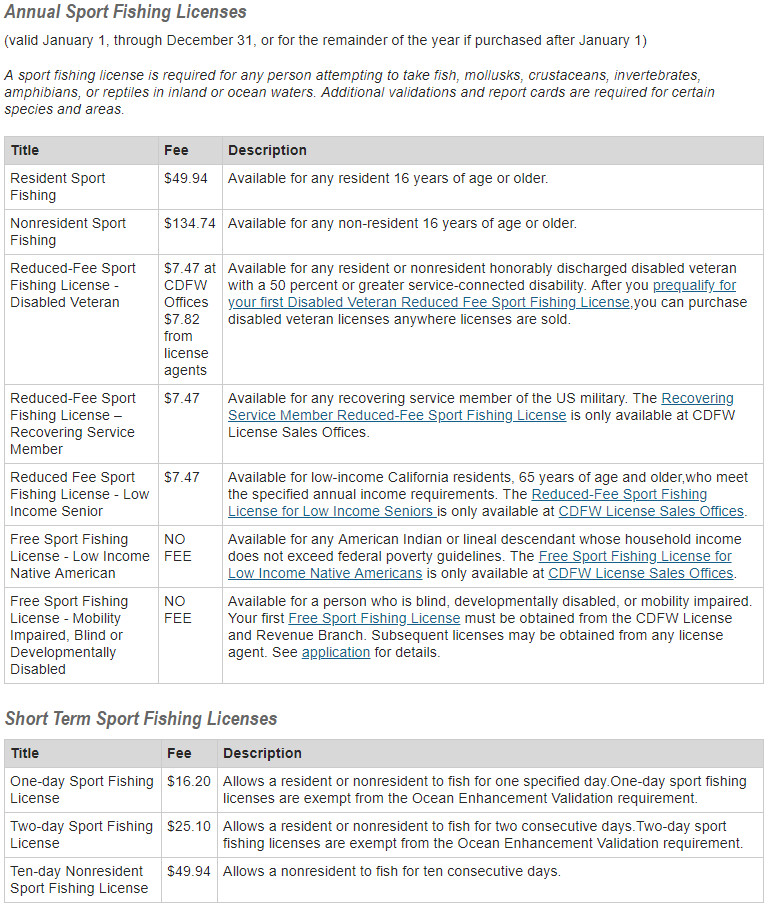
For those 16 and over, understanding the different types of fishing licenses available is crucial, especially for tourists who might only be visiting for a short period. The CDFW offers several options designed to accommodate various needs.
Annual Sport Fishing License
This is the most common type of license, valid from January 1st to December 31st of the calendar year printed on the license, or for one year from the date of purchase if purchased after January 1st.
- Resident Annual License: For individuals who have resided continuously in California for six months immediately prior to the date of application.
- Non-Resident Annual License: For anyone who does not meet the residency requirements. This is typically what tourists from other states or countries will purchase if they plan multiple fishing trips throughout the year or an extended stay.
Short-Term Fishing Licenses

For tourists, short-term options are often the most practical and cost-effective.
- One-Day Sport Fishing License: Perfect for a single day of fishing. This is ideal for visitors planning just one outing or testing the waters before committing to more fishing.
- Two-Day Sport Fishing License: Offers a bit more flexibility for a weekend trip or two separate fishing days within a short period.
- Ten-Day Non-Resident Sport Fishing License: This is an excellent option for non-residents planning a longer vacation in California with multiple fishing days. It provides more value than purchasing several one-day licenses.
Important Validations and Report Cards
Beyond the base license, certain types of fishing require additional validations or report cards, regardless of age (though the license itself is only for those 16+). These are typically purchased in conjunction with your sport fishing license:
- Ocean Enhancement Validation: Required for those fishing in ocean waters south of Point Arguello in Santa Barbara County. Funds from this validation support marine fisheries management.
- Steelhead Report Card: Required for anyone fishing for steelhead trout in inland waters.
- Spiny Lobster Report Card: Essential for anyone taking spiny lobster.
- North Coast Salmon Report Card: Required when fishing for salmon in designated north coast rivers.
Always check the current CDFW regulations for the specific species and location you plan to fish, as these can change annually.
Where and How to Purchase a License
Acquiring a California fishing license is a straightforward process, making it easy for tourists to comply with regulations.
Online
The easiest and most convenient way to purchase a license is directly through the CDFW website. You can purchase, print, and carry your license immediately. This is particularly useful for travelers who might arrive late or be in remote areas.
Authorized License Agents
Licenses can also be purchased in person at thousands of authorized license agents throughout the state. These agents include bait and tackle shops, sporting goods stores, and many department stores. Look for signs indicating “Fish & Game Licenses Sold Here.” Purchasing in person allows you to ask questions and get local advice, which can be invaluable for a tourist.
CDFW License Sales Offices
You can also purchase licenses at various CDFW license sales offices located in major cities. While less convenient than online or through an agent for most tourists, it’s an option for complex inquiries.
When purchasing, you will need to provide some personal information, including your full name, date of birth, and residency status. It is advisable to have a form of identification ready, especially if purchasing in person.
Responsible Angling: Beyond the License
Possessing the correct fishing license is just the first step in responsible angling in California. For tourists, understanding and adhering to the wider conservation principles and specific regulations for different areas is equally important.
Know the Regulations
California’s fishing regulations are extensive and can vary significantly by location (e.g., ocean vs. freshwater), specific body of water (e.g., Lake Tahoe vs. local pond), and even time of year. Before you fish, always consult the current California Freshwater Sport Fishing Regulations booklet or the Ocean Sport Fishing Regulations booklet, available online through the CDFW website or wherever licenses are sold. These booklets detail:
- Bag and Possession Limits: The maximum number of fish you can catch and keep per day, and the maximum number you can have in your possession.
- Size Limits: Minimum or maximum lengths for certain species.
- Seasons: When specific species can be legally caught.
- Gear Restrictions: Rules about the type of bait, lures, hooks, and fishing methods allowed. Some areas might be “catch and release only” or have specific tackle restrictions.
- Special Closures: Certain areas may be closed to fishing temporarily or seasonally for conservation purposes.
Practice Catch and Release When Appropriate
Many anglers, especially those targeting certain species or fishing in sensitive environments, practice catch and release. If you do, ensure you handle fish carefully to minimize stress and injury, increasing their chances of survival. Use appropriate gear, land fish quickly, keep them in the water as much as possible, and use barbless hooks.
Leave No Trace
As with any outdoor activity, adhere to “Leave No Trace” principles. Pack out everything you pack in, including fishing line, bait containers, and any other trash. Respect private property and avoid disturbing wildlife.

Be Aware of Marine Protected Areas (MPAs)
California has an extensive network of Marine Protected Areas (MPAs) along its coast, from Big Sur to the Channel Islands like Anacapa Island. Fishing activities within MPAs are highly restricted, with some areas completely closed to fishing (State Marine Reserves) and others allowing limited take (State Marine Parks and State Marine Conservation Areas). Always check if your chosen ocean fishing spot falls within an MPA and understand the specific rules for that area. Ignoring MPA regulations can lead to significant fines.
By understanding the age requirements for fishing licenses, exploring the different license types, knowing where to purchase them, and respecting the state’s comprehensive fishing regulations, tourists can ensure their angling adventure in California is both legal and memorable. Whether you’re chasing trout in a mountain stream or reeling in rockfish from the Pacific coast, a little preparation goes a long way to enjoying the Golden State’s incredible natural bounty.
LifeOutOfTheBox is a participant in the Amazon Services LLC Associates Program, an affiliate advertising program designed to provide a means for sites to earn advertising fees by advertising and linking to Amazon.com. Amazon, the Amazon logo, AmazonSupply, and the AmazonSupply logo are trademarks of Amazon.com, Inc. or its affiliates. As an Amazon Associate we earn affiliate commissions from qualifying purchases.