
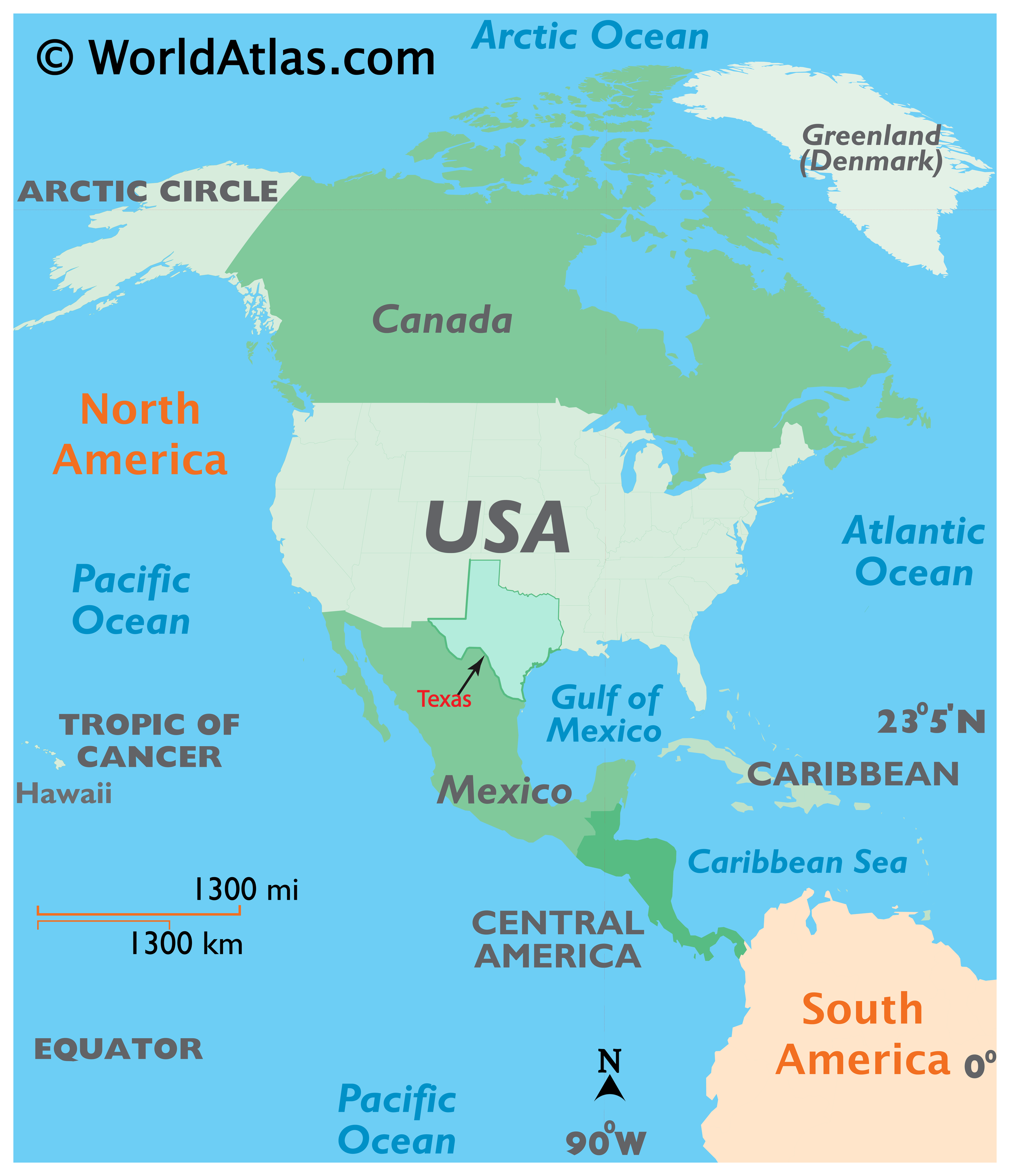
Texas, a state synonymous with vast landscapes, rich history, and a unique cultural identity, often sparks a geographical question: to which region of the United States does it truly belong? While its size and influence might suggest a category all its own, Texas is most definitively situated within the South Central United States. This classification, however, is merely a starting point, a broad stroke on a detailed map that reveals a more nuanced understanding of the Lone Star State’s place and its intrinsic connection to regional character.
Defining the South Central United States
The South Central United States is a designation that encompasses a diverse array of states, each contributing to the collective identity of this sprawling geographical area. Typically, this region includes Texas, Oklahoma, Arkansas, and sometimes Louisiana, though Louisiana is often also associated with the Deep South. This broader region is characterized by a unique blend of Southern hospitality, Great Plains influences, and a strong historical connection to the American frontier.

Geographical and Climatic Characteristics
Geographically, the South Central United States is a study in contrasts. Texas itself spans from the piney woods of the East to the arid deserts of the West, the rolling plains of the Panhandle to the subtropical coast along the Gulf of Mexico. This immense diversity in terrain directly influences the region’s climate. While much of Texas experiences hot summers and mild winters, the Panhandle can see significant snowfall, and the coast is prone to hurricanes. This climatic variability is a shared characteristic with its neighboring states in the South Central region.
Historical and Cultural Threads
Historically, the South Central United States is a tapestry woven with threads of Native American heritage, Spanish colonization, Anglo-American settlement, and the complex legacy of the Civil War and Reconstruction. The spirit of the frontier, the cowboy culture, and the enduring influence of agricultural economies are prominent themes. This shared history contributes to a sense of regional identity that transcends state borders, fostering a common understanding of certain traditions, values, and even accents.
Texas: A State of Intersecting Influences
While firmly rooted in the South Central United States, Texas is so vast and possesses such a distinct character that it often feels like a region unto itself. Its historical trajectory and its sheer geographical scale have allowed it to absorb and integrate influences from multiple directions, creating a cultural mosaic that is uniquely Texan.
The Southern Connection
Texas shares a significant border with Louisiana, a state deeply entrenched in the Deep South. This proximity has led to a notable infusion of Southern culture into East Texas, particularly in terms of cuisine, accent, and social customs. The prevalence of barbecue, the emphasis on hospitality, and a certain laid-back demeanor can be traced back to these shared Southern roots. Cities like Houston and Beaumont exhibit these Southern influences quite clearly.

The Southwestern Spirit
Moving westward within Texas, the landscape and culture shift dramatically, embracing a distinctly Southwestern flavor. The arid plains, desert vistas, and the influence of Spanish and Mexican heritage become more pronounced. Cities like El Paso, nestled on the Rio Grande, are deeply intertwined with the culture and traditions of northern Mexico. This Southwestern element manifests in the architecture, the vibrant culinary scene with its Tex-Mex staples, and a more rugged, independent spirit that resonates with the frontier ethos. The presence of landmarks like the Alamo in San Antonio, a pivotal site in the Texas Revolution, further solidifies this historical connection to the Southwest.
The Great Plains Influence
The northern reaches of Texas, particularly the Panhandle, share a geographical and cultural kinship with the Great Plains states. The vast, open skies, the agricultural dominance of wheat and cattle ranching, and the resilient, hardworking nature of the communities here echo the characteristics of states like Kansas and Nebraska. This is a land of expansive ranches and wide-open spaces, where the entrepreneurial spirit is deeply ingrained.
Beyond Regional Labels: The Unique Identity of Texas
While classifying Texas within a broader regional context is essential for understanding its place in the United States, it is equally important to acknowledge its singular identity. The sheer scale of the state, its diverse population, and its independent spirit have forged a culture that is often seen as distinct from its neighbors, even within the South Central United States.
Economic Powerhouse and Innovation Hub
Texas is a national economic powerhouse, boasting thriving industries in energy, technology, aerospace, and agriculture. This economic dynamism, particularly the rapid growth of cities like Austin, Dallas, and Houston, has attracted a diverse population and fostered an innovative environment that sets it apart. This forward-looking aspect, combined with its traditional roots, creates a unique blend of old and new.
A Melting Pot of Cultures
The demographic landscape of Texas is incredibly diverse, reflecting a rich history of immigration and migration. The state is home to a significant Hispanic population, deeply influencing its culture, cuisine, and language, particularly in the southern and western parts. African Americans have a profound historical and cultural presence, especially in East Texas and major urban centers. Furthermore, Texas has attracted newcomers from across the United States and the world, drawn by its economic opportunities and its unique way of life. This constant influx and intermingling of cultures contribute to the state’s vibrant and ever-evolving identity.
The “Texas Identity”
Beyond geographical or political classifications, there exists a palpable “Texas identity.” This is often characterized by a sense of pride, self-reliance, and a strong connection to the state’s history and its legendary figures. From the legends of Sam Houston to the modern-day pioneers in the tech industry, this identity is shaped by a spirit of independence and a commitment to charting its own course. It’s a spirit that embraces both tradition and progress, resilience and ambition, making Texas a truly remarkable and defining part of the South Central United States.
In conclusion, while Texas is undeniably a part of the South Central United States, its immense size, diverse geography, rich history, and dynamic culture allow it to transcend simple regional labels. It is a state that embodies a confluence of influences, from the Deep South to the Southwest and the Great Plains, ultimately forging an identity that is both deeply regional and profoundly unique.
LifeOutOfTheBox is a participant in the Amazon Services LLC Associates Program, an affiliate advertising program designed to provide a means for sites to earn advertising fees by advertising and linking to Amazon.com. Amazon, the Amazon logo, AmazonSupply, and the AmazonSupply logo are trademarks of Amazon.com, Inc. or its affiliates. As an Amazon Associate we earn affiliate commissions from qualifying purchases.